

Victorian Tallboy Cabinet
When you handle a victorian tallboy cabinet, you meet tall vertical storage built for nineteenth-century chambers.
Victorian Tallboy Cabinet
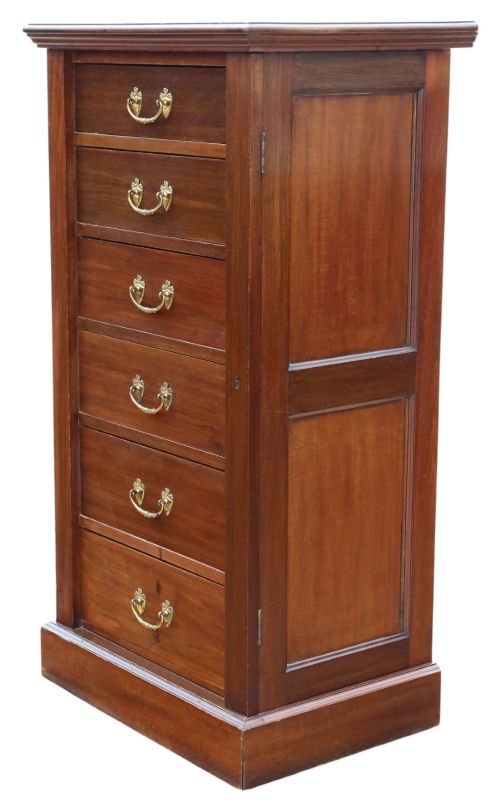
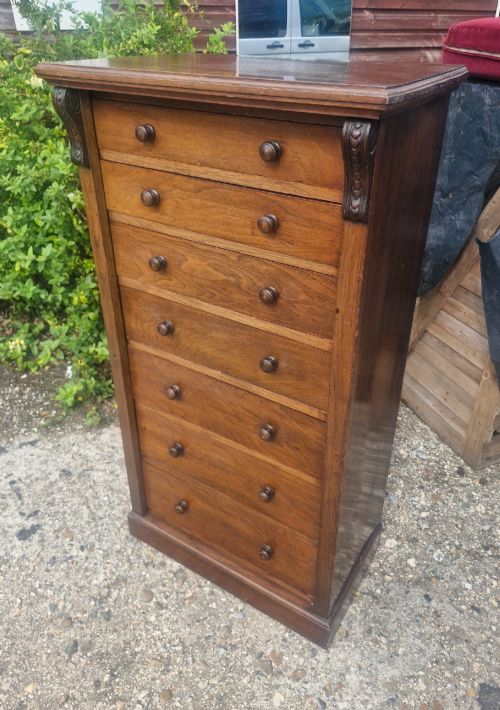
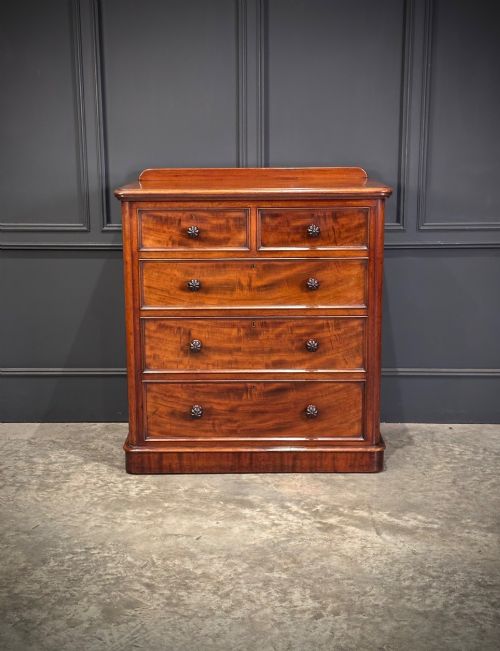
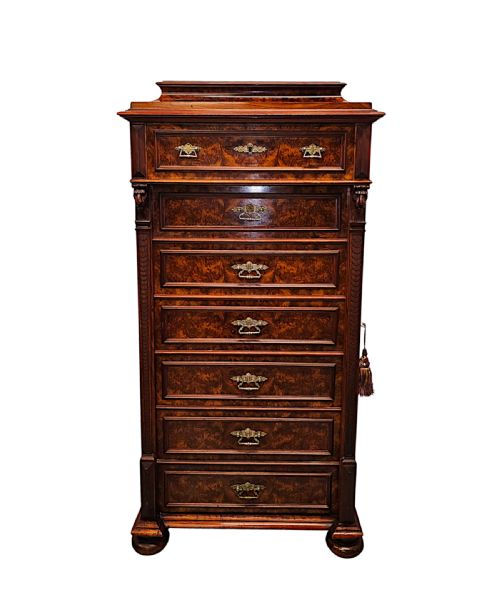
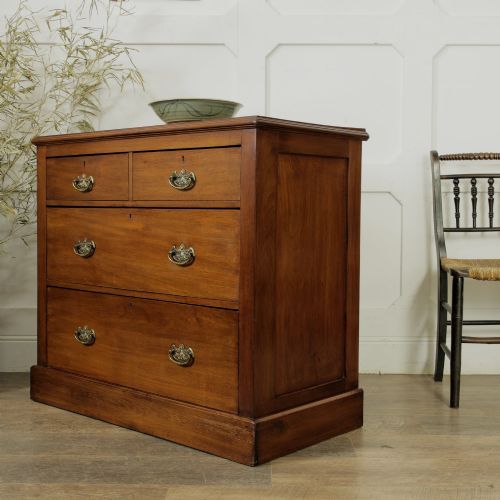
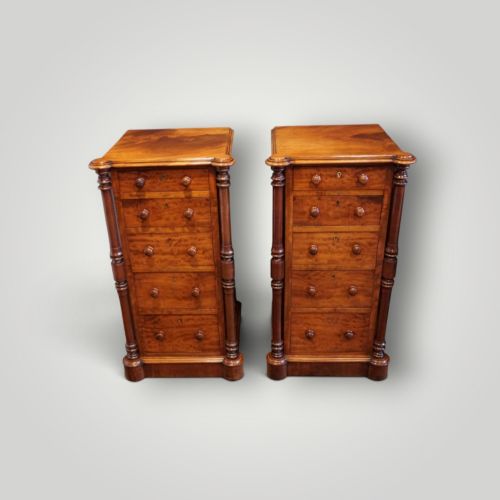
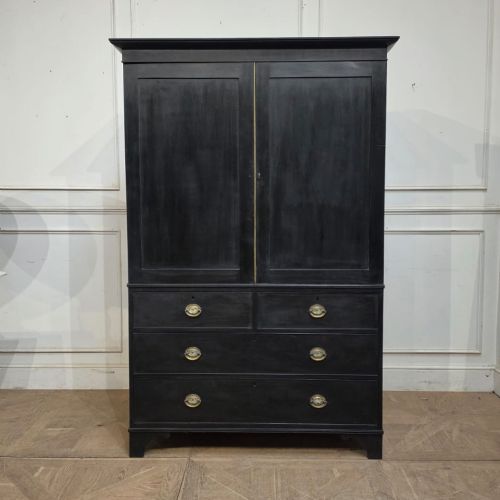
A victorian tallboy cabinet encompasses vertical storage forms from the nineteenth century, including Wellington chests, linen presses, and multi-drawer chests. You will frequently encounter mahogany and pine examples spanning from the eighteen-fifties through to nineteen-twenty.
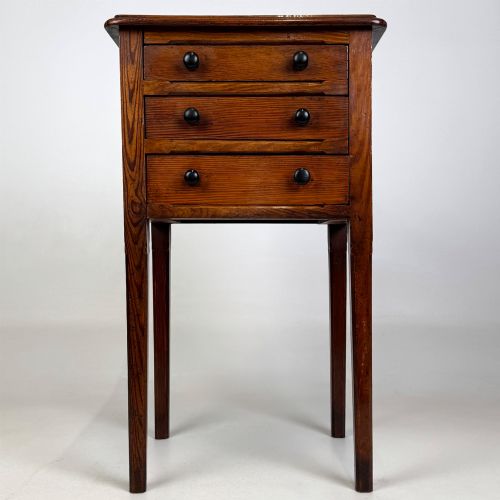
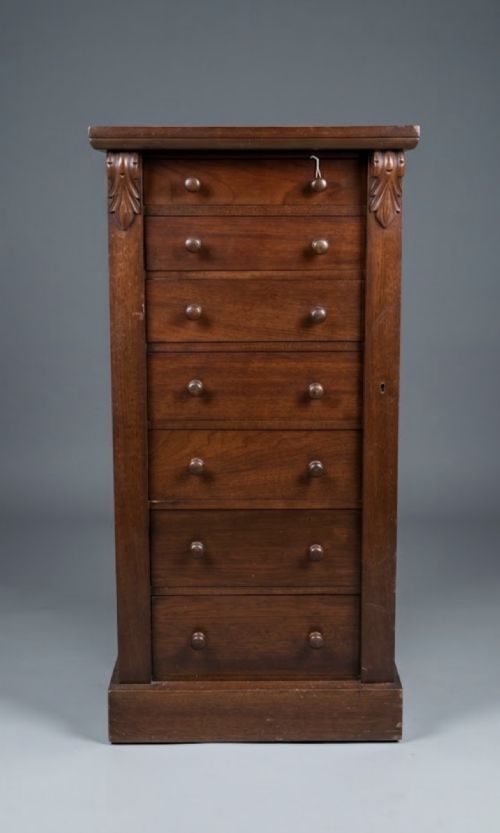
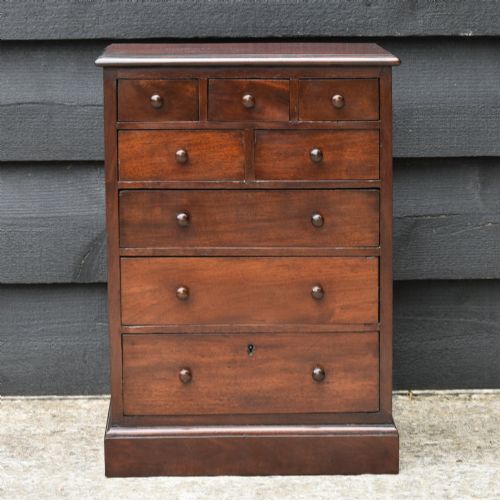
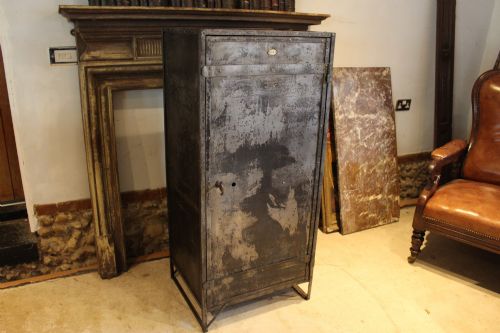
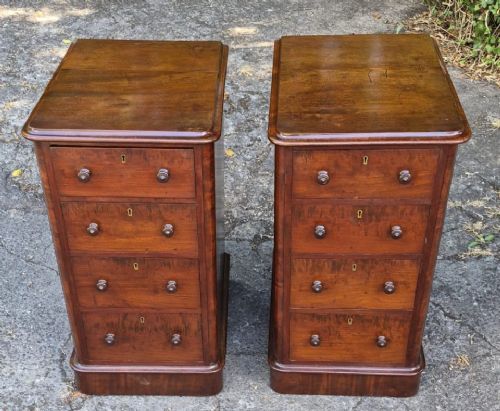
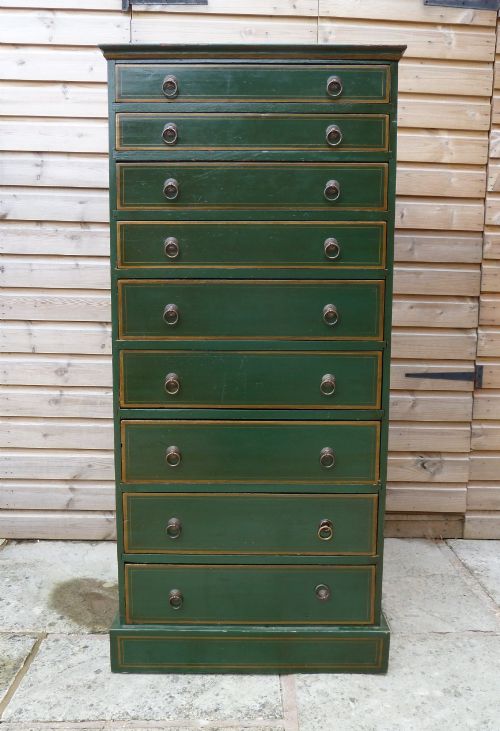
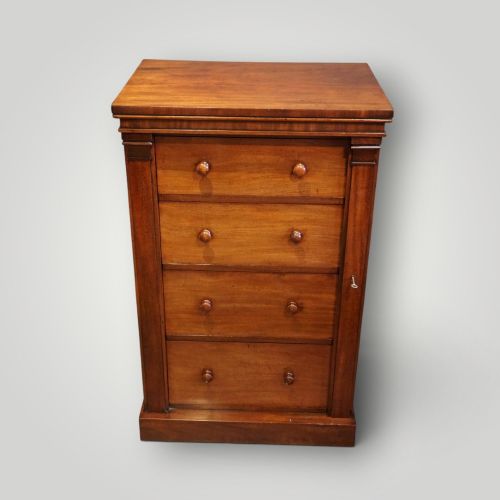
The selection ranges from tall, narrow Wellington chests with locking side stiles to bedside chests, miniature apprentice pieces, and larger painted pine storage cupboards. Pieces appear in various regional interpretations, including Victorian country styles and industrial metal cupboards.
Makers and workshops utilised both local timbers and imported hardwoods, producing practical furniture designed to maximise storage capacity within compact floor footprints.
Materials and Construction
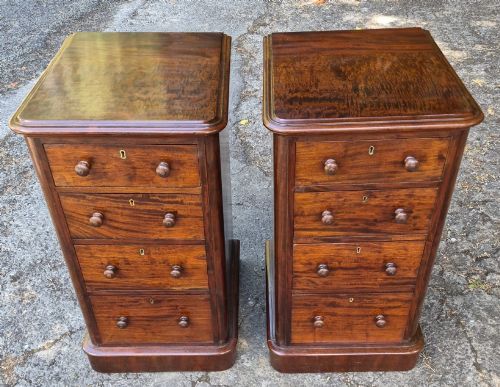
Makers constructed carcases primarily in solid mahogany, walnut, pitch pine, and rosewood, frequently applying flame mahogany veneer or burr walnut to drawer fronts. Surfaces display original turned wooden knobs, brass handles, and occasionally marble tops.
Techniques relied on sturdy dovetail joints for drawer construction and substantial pine secondary timbers for internal framing. Pieces such as linen presses and Wellington chests utilised locking mechanisms and hinged side pilasters to secure the multiple internal drawers.
Listings include timber varieties such as flame mahogany veneer, burr walnut, rosewood, and pitch pine alongside painted pine.
Assessing Quality
Quality rests in the selection of timber figures, such as matched flame mahogany veneers and burr walnut, alongside the precision of the drawer dovetails. Superior examples retain original turned knobs, working locks with keys, and uncompromised structural frames.
The integrity of the original finish, whether polished mahogany, ebonized wood, or scumble paint, dictates the visual merit of the piece. Lesser examples display replacement fittings, dry timber, or heavy alterations to the original internal configuration.
Warings Liverpool·Gillows
The Victorian Tallboy Cabinet Glossary
- Wellington chest
- A tall, narrow chest of drawers secured by a hinged locking pilaster on one side. This form typically holds six or seven drawers.
- Linen press
- A tall storage piece combining upper cupboard doors enclosing trays or shelves with a chest of drawers base. These pieces stored household textiles.
- Flame mahogany veneer
- A sliced timber veneer displaying a distinctive flickering flame pattern. Cabinet makers applied this to primary drawer fronts for visual impact.
- Scumble paint
- A decorative surface finish applied over a base coat to imitate graining or texture. This technique appeared on nineteenth-century pine furniture.
- Apprentice piece
- A small-scale model of a larger furniture form. Cabinet makers produced these items to demonstrate technical proficiency.
Victorian Tallboy Cabinet: Frequently Asked Questions
What is a Wellington chest?
A Wellington chest is a tall, narrow set of drawers featuring a locking wooden flap down one side. This hinged stile secures every drawer simultaneously when locked.
Cabinet makers designed these vertical chests to hold small garments and valuables securely within nineteenth-century bedrooms.
How do I use a tallboy in a modern room?
These tall vertical cabinets provide substantial storage while occupying minimal floor space. They fit well in bedrooms for folded clothes or in studies for papers.
The narrow footprint allows placement in tighter alcoves where wide chests cannot go.
What timber did Victorian makers use?
Makers utilised mahogany, walnut, rosewood, and pitch pine for these pieces. Finer items often featured flame mahogany veneer or burr walnut on the drawer fronts.
Utility pieces used pine, frequently found with original paint or scumble finishes.
How do I identify a linen press?
A linen press combines upper cupboard doors with a lower chest of drawers base. The upper section traditionally holds sliding trays for folded textiles.
These pieces stand taller than standard chests and separate into two sections for transport.