
Antique Clothes Storage
Antique clothes storage comprises wardrobes, linen presses, and cupboards spanning Georgian, Victorian, and Edwardian periods, offering timber construction for domestic organisation.
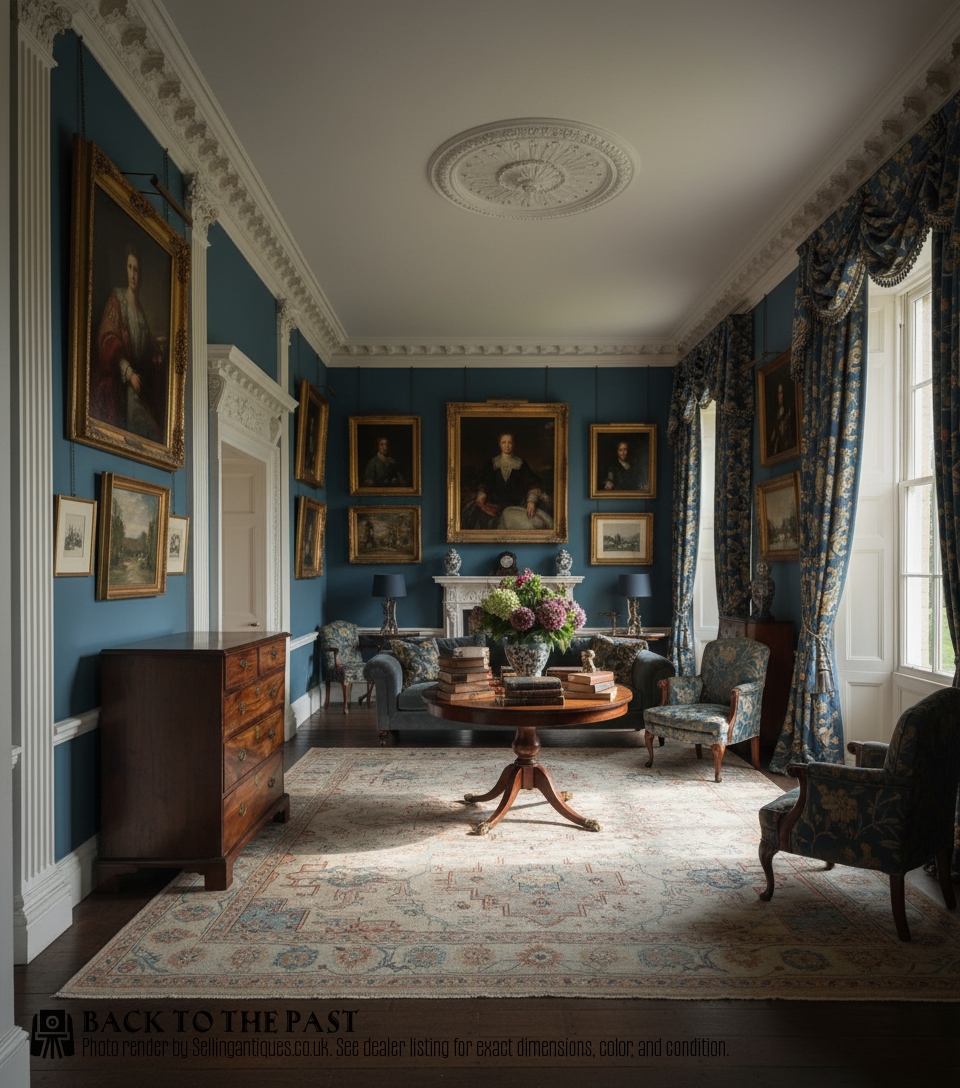
Antique Clothes Storage
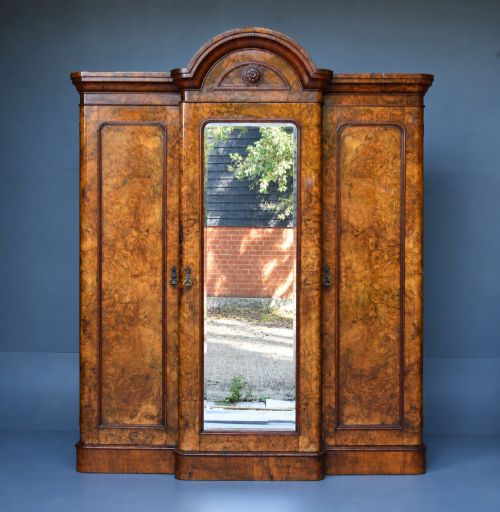
When searching for antique clothes storage, buyers encounter substantial pieces designed to hold garments and household textiles in bedrooms and dressing rooms. The selection on this page centres heavily on Victorian and Georgian examples alongside Edwardian and Art Deco pieces, spanning centuries of British and continental cabinetmaking.
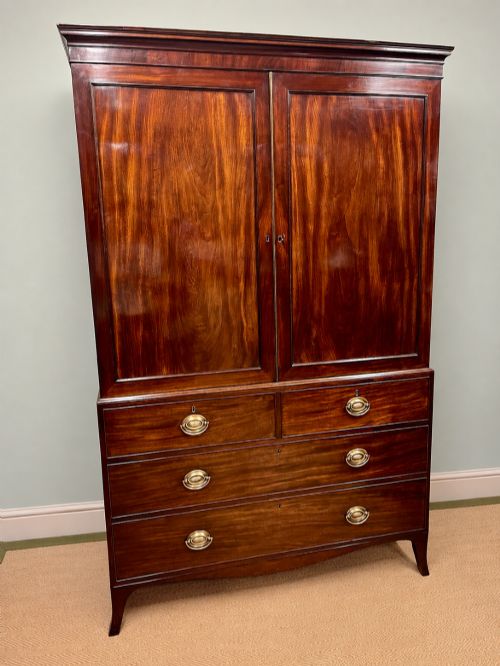
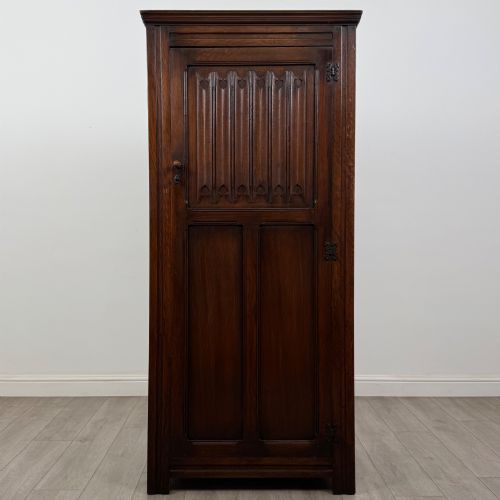
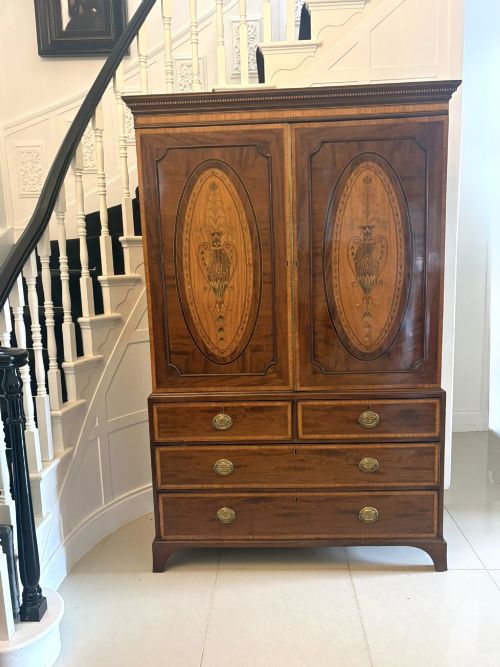
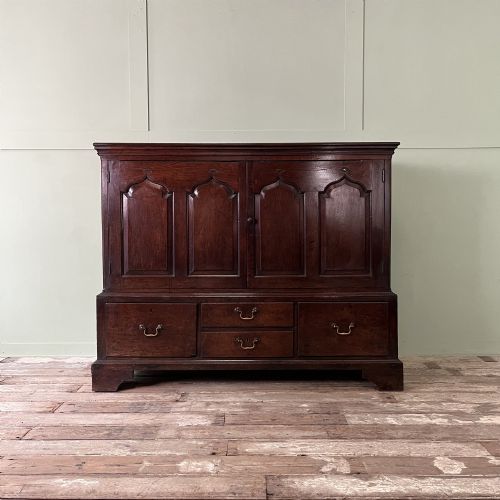
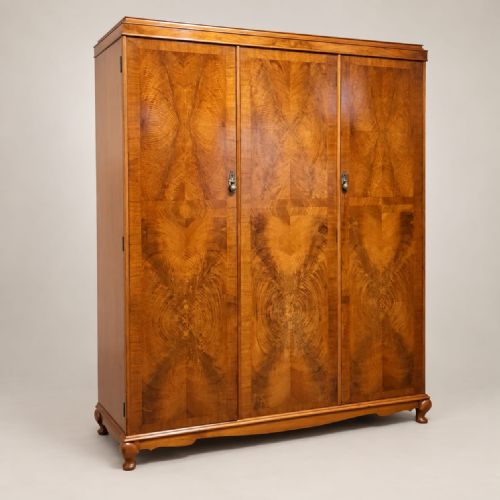
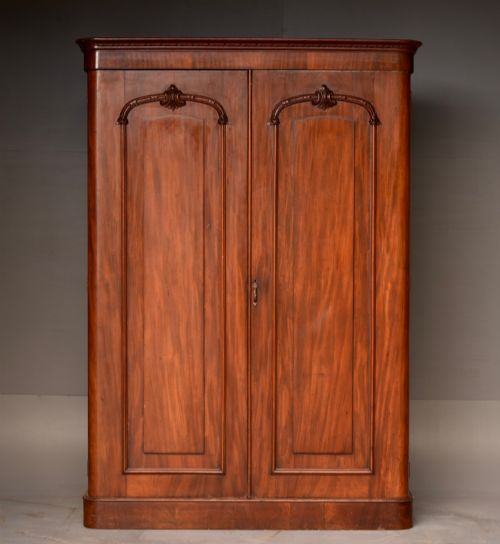
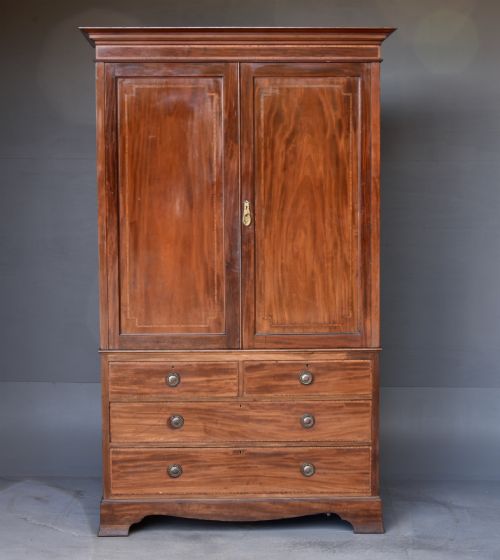
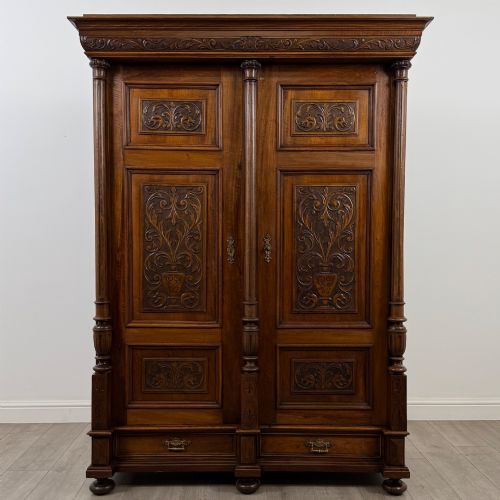
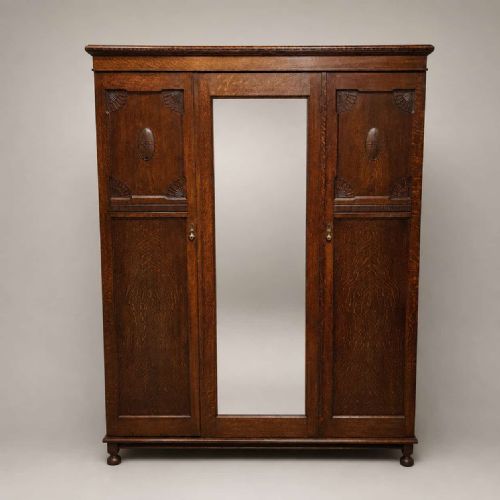
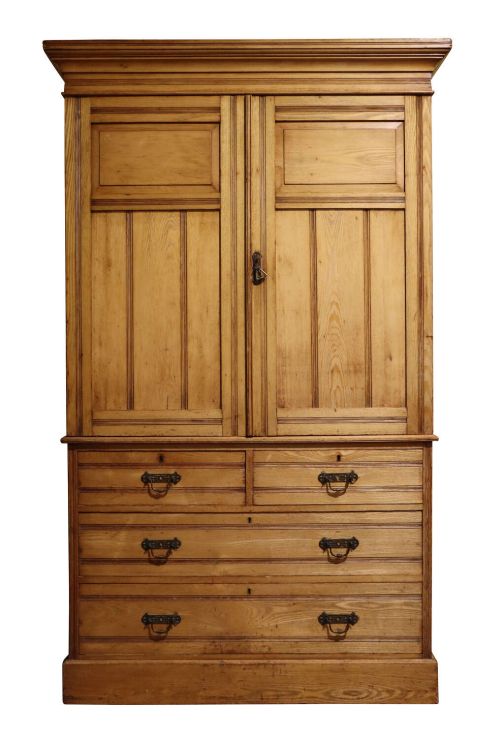
The primary forms appearing in the listings are wardrobes, linen presses, housekeeper's cupboards, and tall chests of drawers. Wardrobes range from single and double door formats to expansive triple configurations, while linen presses combine upper hanging or shelving space with lower banks of drawers.
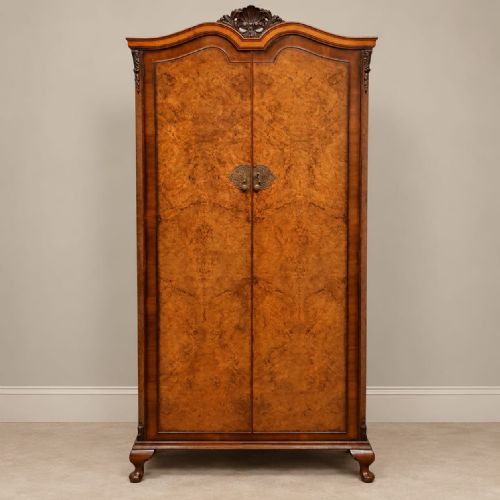
Materials dictate much of the character within antique clothes storage, with mahogany, oak, burr walnut, and pine forming the bulk of the structural woods. These timbers appear in various regional and stylistic interpretations, from formal flame mahogany to utilitarian painted pine and Welsh oak.
Materials and construction
Cabinetmakers utilised dense hardwoods such as mahogany, oak, and walnut for primary structures, employing veneers like burr walnut and flame mahogany on prominent surfaces. Satinwood stringing, brass handles, and iron fittings provided functional and decorative contrast to the rich grain patterns of the primary timbers.
Larger pieces frequently incorporated knockdown construction methods using bolts and brackets to facilitate transport through domestic doorways. Carcase construction relied on traditional joinery, whilst internal fittings such as sliding linen shelves, hanging rails, and compartmentalised drawers were tailored for specific domestic duties.
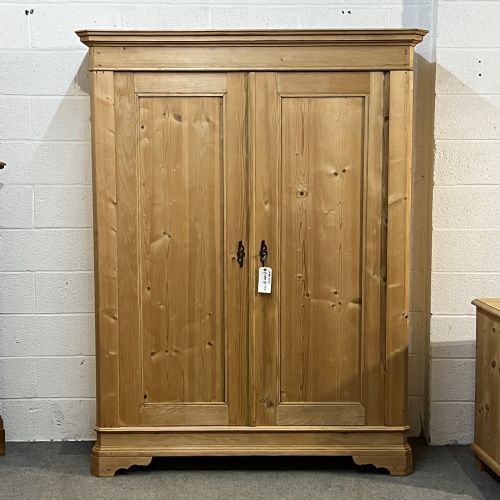
One massive Victorian pine wardrobe comes ready to wax or paint according to domestic whim.
Assessing quality
Quality in antique clothes storage rests upon the selection of timber figures, such as matched flame mahogany or burr walnut veneers, and the crispness of carved details like blind fretwork. Superior pieces display thoughtful internal configuration, integrating solid drawer linings, functional original brass hardware, and precise door alignment.
The architectural presence of a piece is defined by the proportion of its cornice, plinth, and panelled doors, distinguishing bespoke commission work from standard workshop production. Better examples maintain structural integrity across heavy triple wardrobes and linen presses through robust internal framing and seasoned timbers that resist warping.
Maples and Co·Heals
The Antique Clothes Storage Glossary
- Linen press
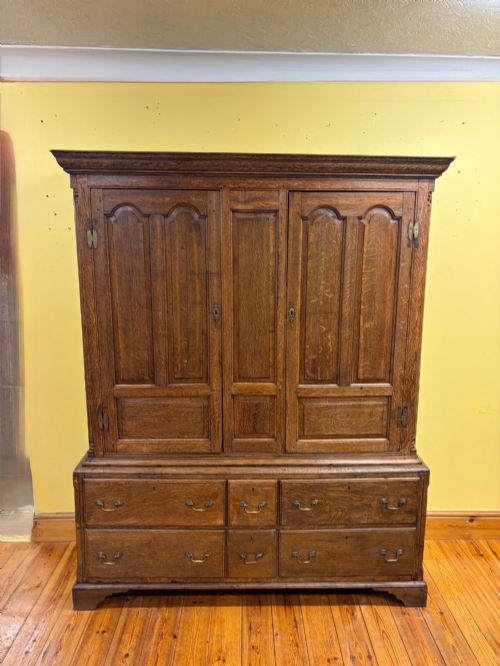
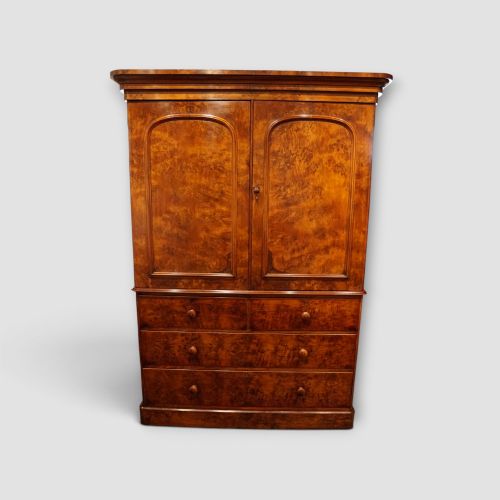
- A tall cupboard combining upper storage space for folded textiles with a lower bank of drawers. These pieces often feature sliding trays behind upper panelled doors.
- Housekeeper's cupboard
- A large functional storage carcase traditionally utilised in domestic service areas for linens and provisions. They typically combine generous upper shelving with lower drawer space in oak or pine.
- Compactum
- A multi-functional wardrobe designed to house various garments efficiently within a single footprint. It often divides internal space between hanging sections, drawers, and sliding trays.
- Blind fretwork
- Carved decorative patterning applied flat to a frieze or cornice without piercing the wood entirely. This technique creates geometric or Chinese-inspired relief detail on Georgian and 19th-century cabinet work.
- Burr walnut
- A figured wood veneer harvested from tree growths, producing swirling organic patterns. Cabinetmakers applied it selectively to drawer fronts and door panels to create visual depth.
Antique Clothes Storage: Frequently Asked Questions
What is a linen press used for?
A linen press provides dedicated storage for folded textiles, blankets, and garments within upper shelving compartments behind doors. The lower section incorporates drawers for smaller items of clothing and accessories.
Historically, these pieces kept fabrics protected from dust and dampness in domestic bedrooms and dressing rooms. Today, they serve equivalent organisational roles while adding period character to modern interiors.
How do I fit a large wardrobe?
Many large Victorian and Edwardian wardrobes utilise knockdown construction designed for assembly within a room. Buyers should verify whether a piece dismantles into separate panels, cornices, and bases to ensure clearance through stairwells and doorways.
Professional delivery teams often handle the assembly of these heavy timber carcases upon arrival. Checking internal dimensions against modern coat hangers ensures practical daily use.
How do I identify a Georgian wardrobe?
Georgian clothes storage typically manifests as a linen press or housekeeper's cupboard rather than a modern hanging wardrobe. These pieces feature dense mahogany or oak construction with panelled doors, understated cornices, and hand-cut dovetail joints in the drawer construction.
Proportions remain architectural and restrained, often displaying flame mahogany veneers or brass hardware characteristic of the 18th and early 19th centuries.
What is a compactum wardrobe?
A compactum is a multi-compartment wardrobe designed to maximise storage efficiency by combining hanging space, sliding trays, and drawers in one unit. This format emerged to organise diverse Victorian and Edwardian wardrobes.
Internal layouts vary widely, offering specialised slots for waistcoats, trousers, and linens alongside traditional hanging rails. This makes them practical options for modern bedrooms requiring varied storage.