

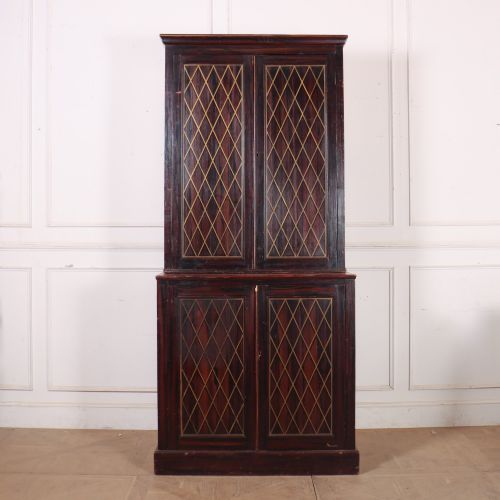
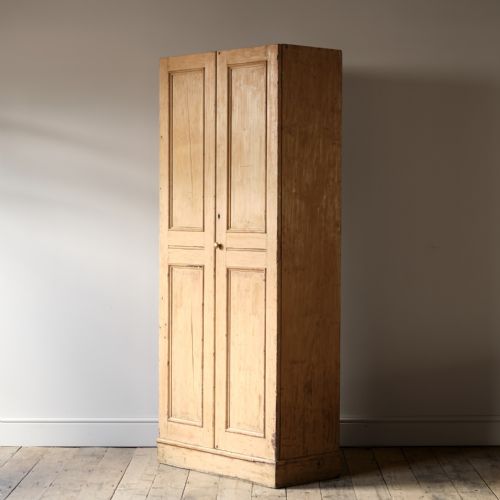
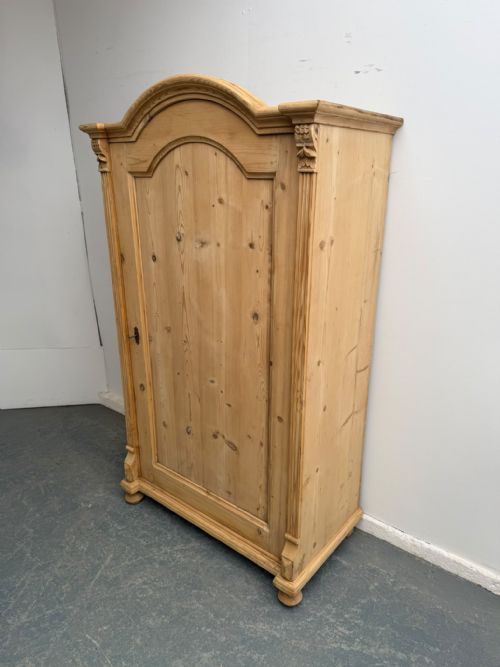
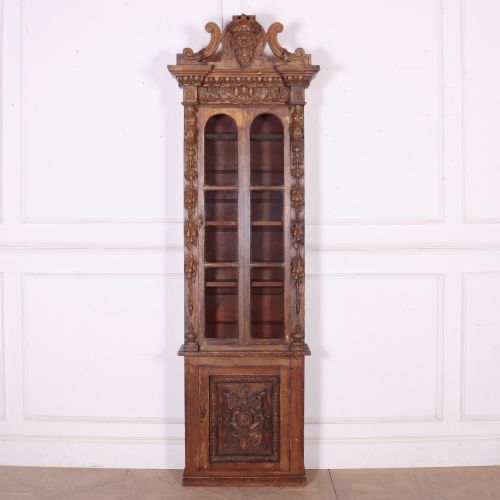
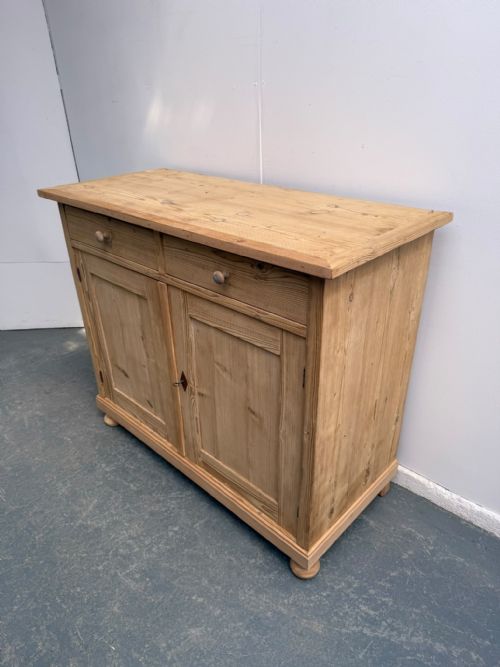

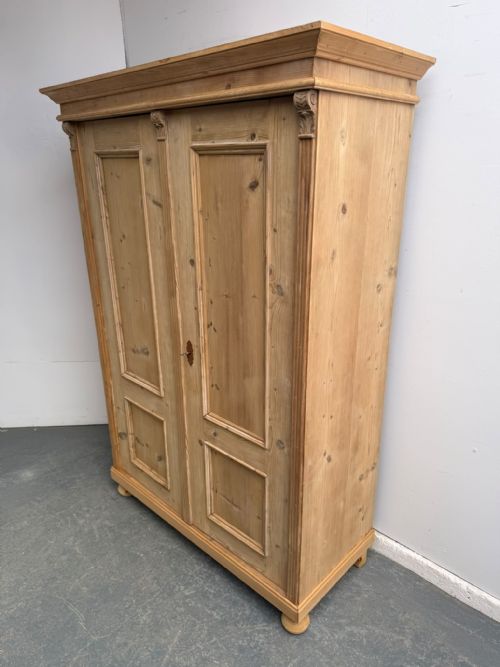
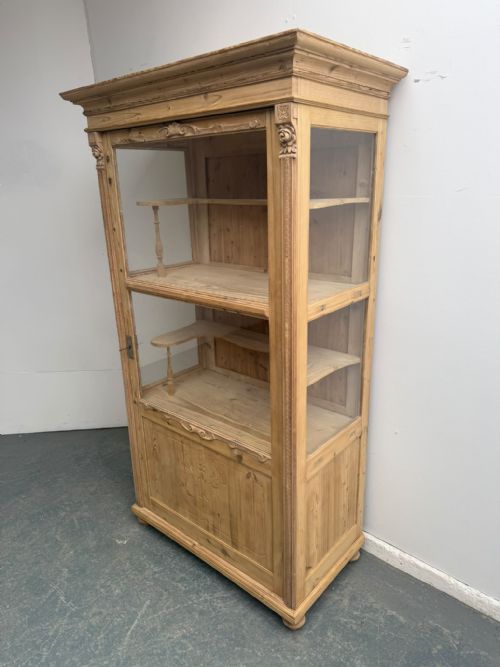
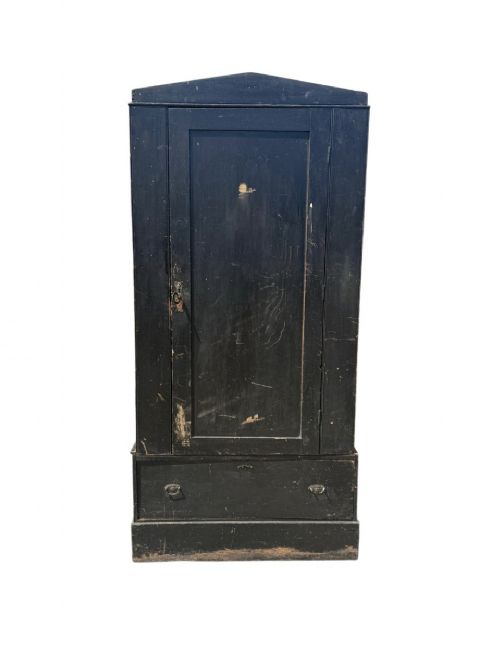
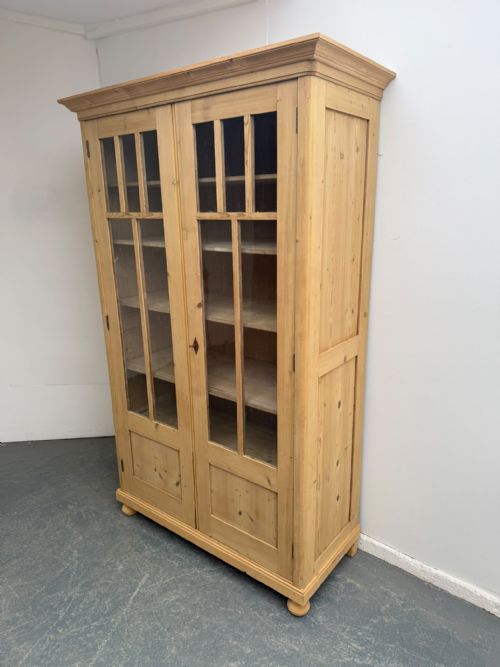
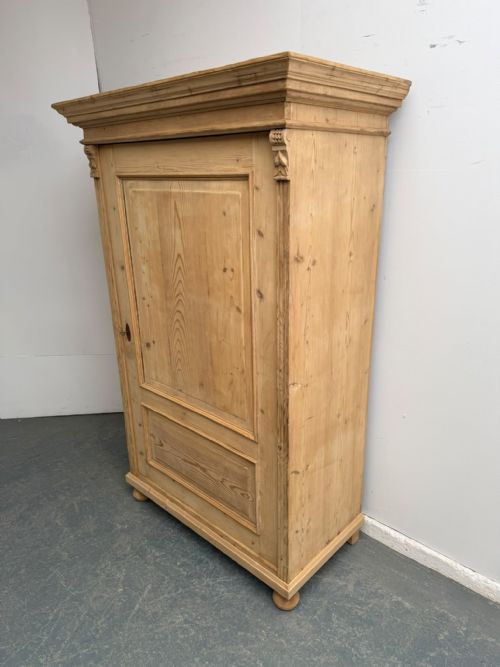

Victorian Tall Pine Cupboard
A victorian tall pine cupboard brings upright utility and honest timber grain into a room, offering generous vertical storage.
Victorian Tall Pine Cupboard
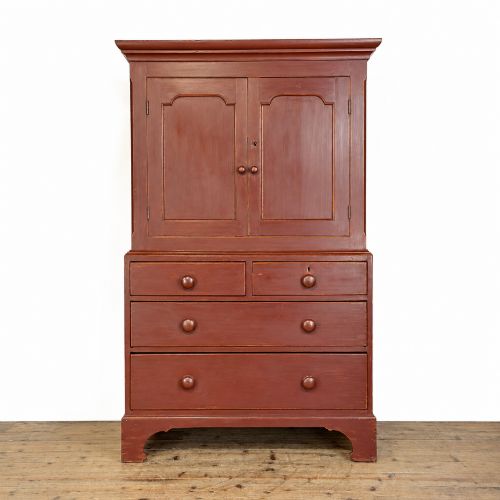
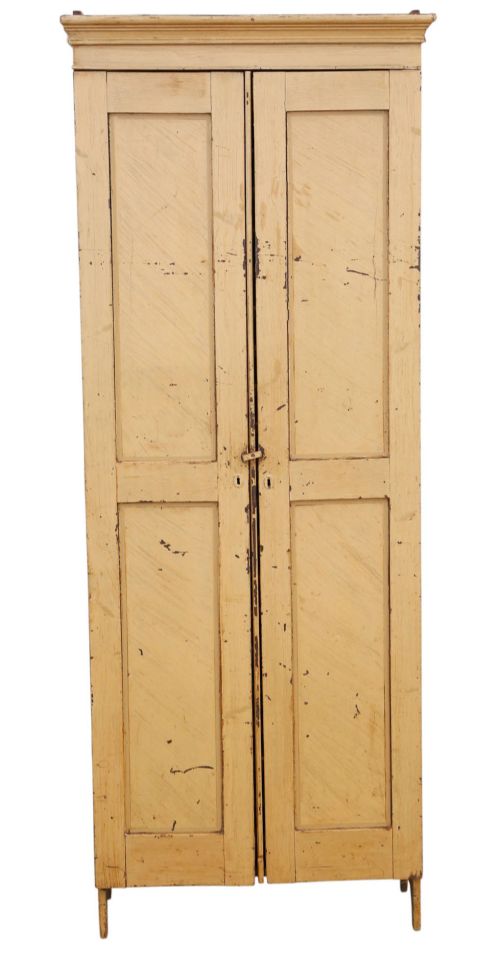
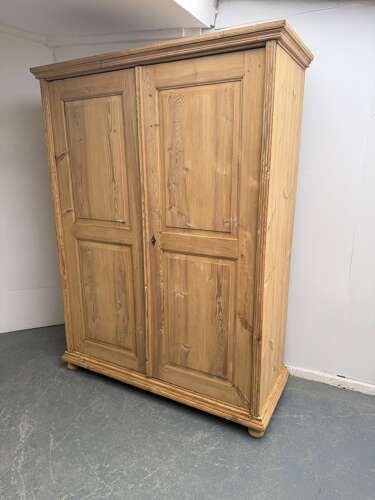
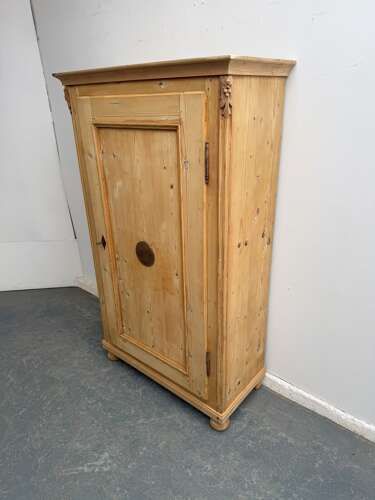
A victorian tall pine cupboard stands as a utilitarian storage piece built during the nineteenth century, meeting domestic needs for linen, clothing, and kitchen provisions. The selection includes narrow single-door variants, expansive multi-door wardrobes, linen presses, and corner cabinets designed to maximise vertical space.
Most examples originate from the Victorian era and the broader nineteenth century, constructed from solid pine or pitch pine. Workshops produced these pieces in various configurations, ranging from plain waxed surfaces to painted finishes and scumbled details.
Materials and construction
Carpenters built these tall cupboards primarily from solid pine and dense pitch pine, often reinforcing the framework with iron and brass hinges, handles, and escutcheons. Timber was selected for its structural strength and responsiveness to hand-planing, jointing, and eventual waxing or painting.
Construction methods relied on traditional joinery, including panelled doors, pegged frames, and fitted shelving. Many larger wardrobes and presses were built as knockdown units to allow transport through narrow stairwells and doorways.
Victorian Tall Pine Cupboard Retail Price Guide 2026
Typical asking prices for victorian tall pine cupboard among the pieces listed under this phrase on Sellingantiques today, from the lower quarter to the upper quarter. They describe what is for sale here now, not the wider market.
One surviving cupboard includes a later skeleton model alongside its original finish, offering a peculiar glimpse into past domestic utility.
Determinants of quality
Quality rests upon the integrity of the original timber and the retention of period construction details such as fielded panels, hand-cut mouldings, and working brass or iron hardware. Superior examples display thoughtful proportions, balanced door alignment, and sound structural joinery without excessive modern intervention.
The finish significantly influences character, with original paint, scumble work, or well-maintained waxed pine surfaces holding greater historic interest than stripped or heavily altered timber. Pieces retaining original interiors, internal drawers, and functional knockdown mechanisms command distinct appreciation.
The Victorian Tall Pine Cupboard Glossary
- Pitch pine
- A dense, resinous variety of pine timber known for pronounced grain patterns and durability. It was frequently utilised in nineteenth-century cabinetry for its strength.
- Scumbled
- A decorative paint technique mimicking the grain of more expensive hardwoods by dragging or combing a translucent glaze over a pale base coat. This finish appears on period pieces to elevate their appearance.
- Fielded panel
- A wooden panel with bevelled edges recessed into a frame, designed to accommodate seasonal wood movement while adding depth to cupboard doors. This method demonstrates traditional cabinet-making skill.
- Knockdown
- A piece of furniture designed to be dismantled into modular sections using pegs or bolts rather than permanent glue. This construction facilitated transport in large houses.
- Linen press
- A tall cupboard featuring upper shelving for folded textiles and lower drawers for smaller garments. These pieces formed essential storage in nineteenth-century bedrooms.
Victorian Tall Pine Cupboard: Frequently Asked Questions
How do I fit a tall cupboard in a low room?
Many nineteenth-century wardrobes and presses were built as knockdown units that dismantle into manageable sections for assembly in situ. Checking the internal height and clearance before placement ensures the piece fits comfortably beneath standard ceilings.
Measuring both the ceiling height and the swing path of the doors prevents obstruction. Position the cupboard away from direct heat sources to protect the pine timber from warping.
Are these cupboards suitable for modern kitchens?
These upright storage units provide substantial vertical capacity for provisions, dishware, and cookware, functioning well as larder or housekeeper cabinets. Their traditional proportions integrate effectively into both contemporary and period cooking spaces.
Consider whether the interior shelving meets your specific storage requirements or if adjustments are needed. Freestanding placement allows flexibility in room layout without permanent installation.
Should I choose painted or waxed pine?
Waxed pine displays the natural grain and warmth of the timber, developing a mellow patina through handling and age. Painted surfaces offer colour and historical character, often reflecting the original domestic decorative scheme.
Selection depends entirely on the surrounding interior and personal preference for timber versus pigment. Both finishes require simple maintenance with soft cloths and appropriate cleaning products.