


Victorian Tableware China
Victorian tableware china comprises durable ironstone and fine porcelain vessels created during the nineteenth century to serve food and drink with distinction.
Victorian Tableware China
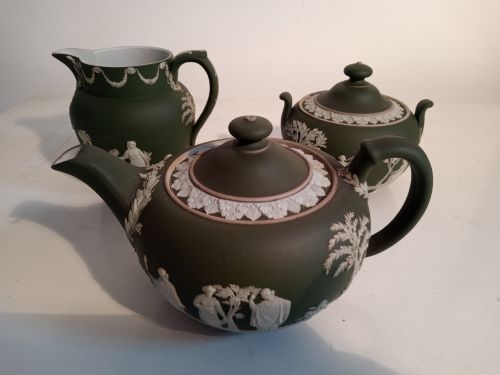
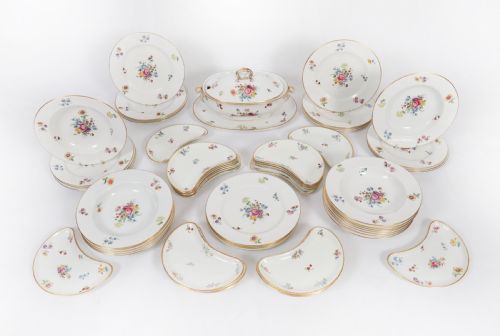
Victorian tableware china brings together domestic service vessels and dining pieces originating across the nineteenth century. Buyers searching for victorian tableware china encounter varied forms ranging from soup tureens and meat platters to complete dessert services and tea sets.
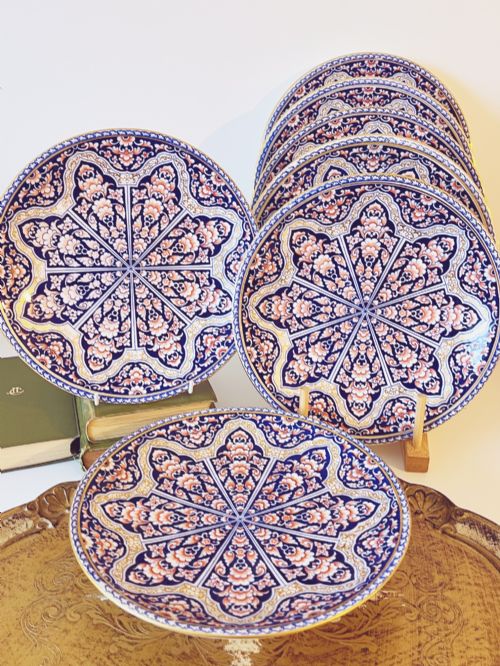
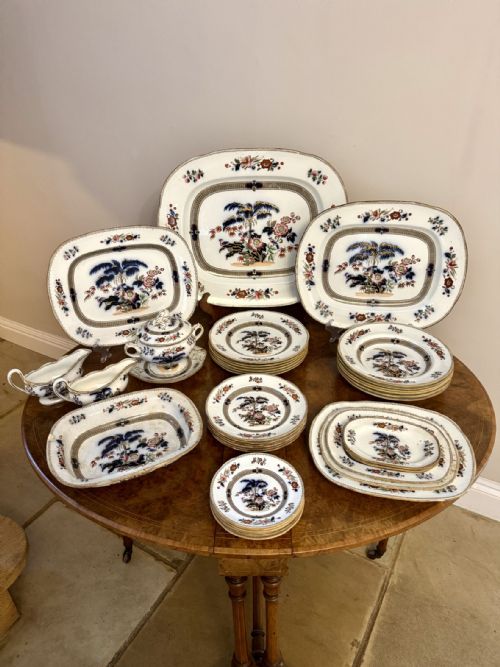
The selections span production eras from the eighteen-fifties through the late eighteen-hundreds, incorporating styles such as Victorian Imari, Rococo Revival, and Victorian Neoclassical. Plates, sauce tureens, and dinner services dominate the forms available for daily use or display.
Originating predominantly from English potteries alongside select French and Russian workshops, these pieces reflect the diverse manufacturing output of the period. Bone china, earthenware, and ironstone form the core physical substances of these historical services.
What varies in quality
Quality differences emerge through the precision of hand-painted brushwork and the complexity of decorative schemes such as Victorian Imari or botanical illustration. Skilled artists produced finer details on porcelain plates and creamware services compared to standard production pieces.
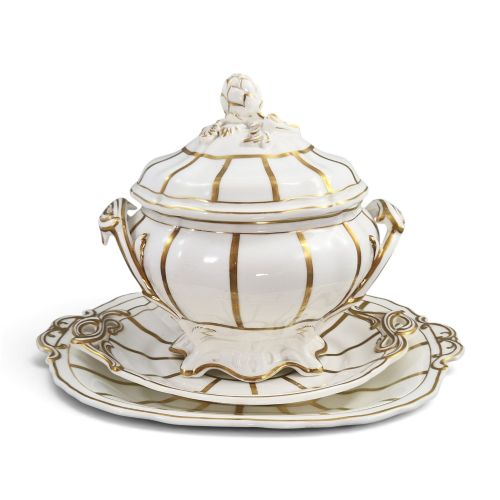
The choice of base material influences the durability and refinement of individual items, with fine bone china and porcelain offering greater translucency than robust ironstone or earthenware. Intricate gilding with gold leaf indicates higher production standards.
Completeness and maker attribution elevate the standing of dinner and dessert services within historical collections. Surviving sets retaining matching tureens, comports, and plates demonstrate greater consistency than assembled groups.
Listings feature nineteenth-century items manufactured from bone china, earthenware, porcelain, and ironstone across diverse decorative styles.
Royal Crown Derby·Davenport Bone China·Wedgwood·Copeland Spode·Walker and Hall·Mintons·Coalport·Masons Ironstone·Ridgways China·Doulton Burslem·Royal Worcester·Kornilov Brothers
The Victorian Tableware China Glossary
- Bone china
- A type of soft-paste porcelain containing bone ash, noted for its high strength and milky translucency. It allowed nineteenth-century potteries to produce thinner, more refined dining vessels.
- Ironstone
- A vitreous earthenware patented in the nineteenth century for its durability and resistance to chipping. It served as a robust alternative to porcelain for heavy-use items like meat platters and soup tureens.
- Tureen
- A deep covered vessel used for serving soups, sauces, or gravies at the dining table. Nineteenth-century examples often included matching stands and ladles.
- Gilding
- The application of gold leaf or gold paint to ceramic surfaces for decorative enrichment. It frequently highlights the rims and handles of plates and tea sets.
- Imari
- A decorative style inspired by Japanese export wares, featuring iron red, cobalt blue, and gold. Victorian adaptations applied this palette to English porcelain services.
Victorian Tableware China: Frequently Asked Questions
What pieces comprise a Victorian dessert service?
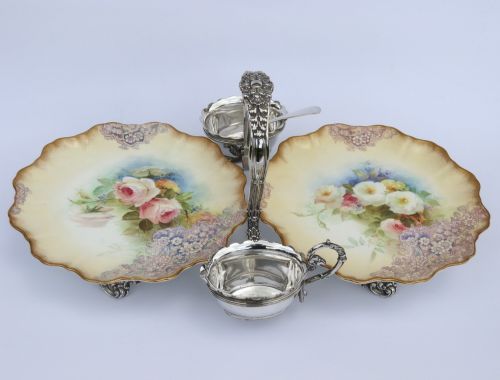
A Victorian dessert service typically includes a central comport accompanied by multiple matching plates intended for serving fruit or sweets.
These sets often feature hand-painted botanical or floral motifs executed on porcelain or bone china.
How do ironstone tureens differ from porcelain?
Ironstone tureens utilise a dense earthenware body mixed with iron slag, resulting in a heavier and more robust vessel designed for heavy table use.
Porcelain tureens offer greater translucency and a finer texture, usually reserved for formal dining settings.
Can I use antique china for daily dining?
Historic ironstone and sturdy ceramic plates tolerate careful handling, though hand washing preserves fragile enamel and gold leaf decorations.
Fine bone china and porcelain services from the nineteenth century receive more frequent use during special occasions.
How do I identify a nineteenth-century maker?
Makers mark the underside of plates, tureens, and tea sets with impressed stamps, pattern numbers, or printed factory insignia specific to the period.
Referencing historical ceramic registration marks helps narrow down the exact decade of production.