


Victorian Table Vessel
These Victorian table vessel items bring period utility and ornament to the dining table, combining historic metalwork, glass and ceramic forms.
Victorian Table Vessel
When you search for a victorian table vessel, you encounter a diverse array of dining table items, serving pieces and decorative containers originating primarily from the nineteenth and early twentieth centuries.
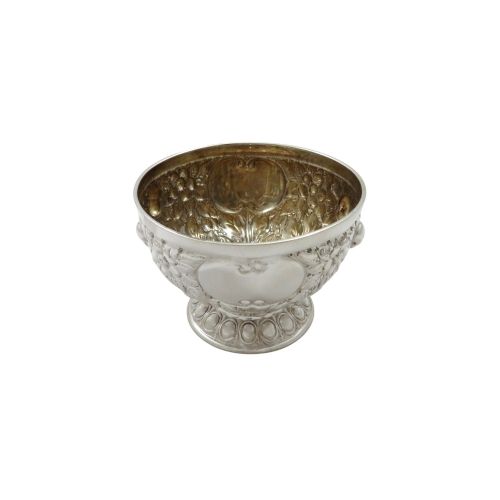
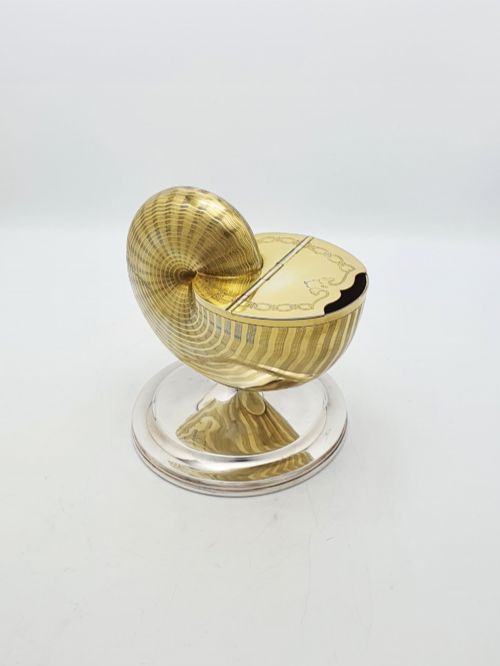
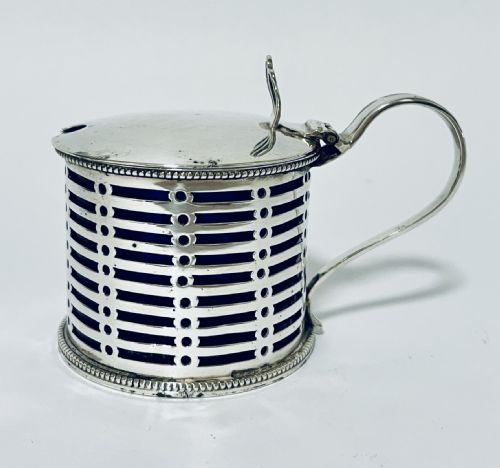
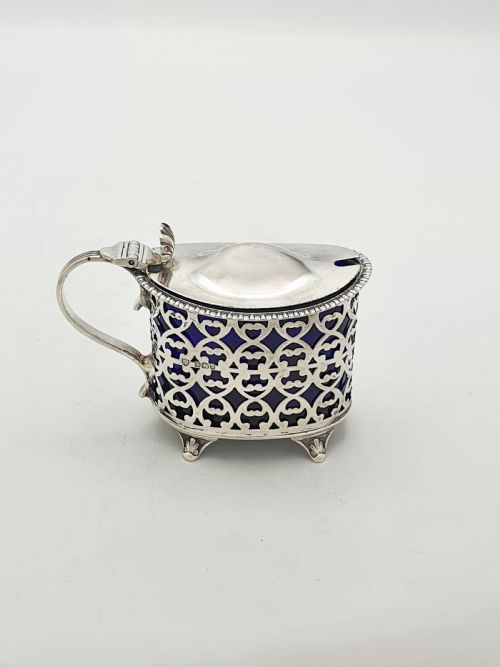
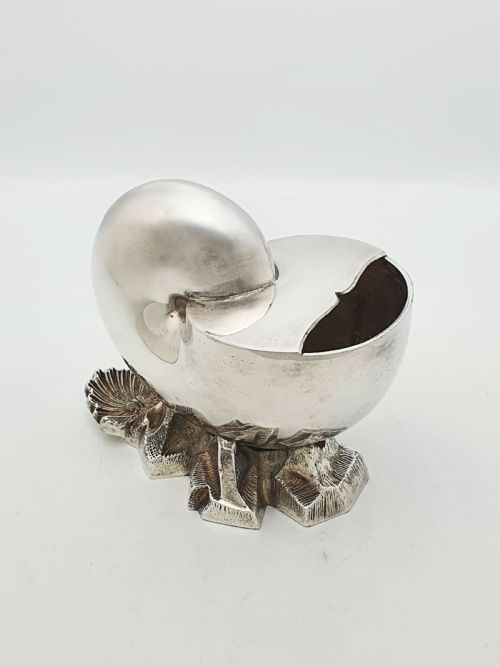
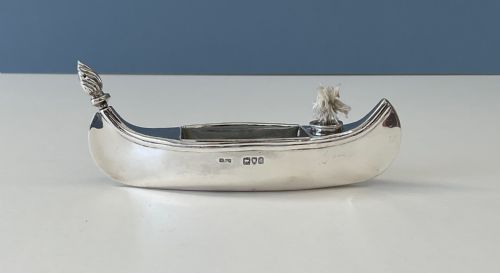
The selection on this page encompasses sterling silver and silver plated mustard pots, spoon warmers in whimsical shapes like nautilus shells, glass vases, condiment holders and table centrepieces.
Vessels from this era reflect the Victorian appetite for elaborate table dressing, ranging from practical sauce holders and cream pails to decorative bronze and porcelain display pieces.
How they were made
Makers utilised traditional metalworking techniques such as casting, piercing and engraving on sterling silver, silver plate, brass, copper and bronze to shape sturdy frameworks and decorative mounts.
Glass vessels of the period often involved blowing, cutting, enamelling and gilding, producing richly coloured cranberry and polychromatic pieces designed to catch the candlelight.
Ceramic and porcelain forms relied on skilled moulding and hand-painting, frequently paired with fitted metal stands or hinged lids.
Materials represented in these listings span sterling silver, silver plate, brass, bronze, copper, glass, enamel and porcelain.
What varies in quality
The standard of a Victorian table vessel rests upon the crispness of its chasing or engraving, the weight of the metal and the precision with which glass or ceramic elements fit their mounts.
Superior examples display balanced proportions and careful detailing, such as pierced work executed with clean edges or enamel work applied with distinct colour boundaries.
The integrity of secondary materials, including the depth of cut glass facets or the richness of a bronze patina, distinguishes finer productions from standard workshop output.
Padley Parkin & Staniforth·George Unite·Bernard Muller·Royal Worcester·Charles Stuart Harris
The Victorian Table Vessel Glossary
- Spoon warmer
- A vessel designed to hold hot water for warming silver spoons before serving pudding or soup. These often took whimsical forms such as nautilus shells or marine animals.
- Sterling silver
- An alloy containing 92.5 percent silver by mass, widely utilised for high-grade Victorian tableware and marked with official assay office hallmarks.
- Silver plate
- A base metal, such as copper or brass, coated with a thin layer of silver using electroplating or older fusion methods. EPNS denotes electroplated nickel silver.
- Cranberry glass
- A rich red glass produced by adding gold chloride to the molten batch, popular for Victorian tablewares, jars and trumpet vases.
- Cloisonne
- An ancient technique for decorating metal object surfaces using wire compartments filled with enamel paste and fired.
Victorian Table Vessel: Frequently Asked Questions
What is a spoon warmer used for?
A spoon warmer held hot water on the dining table to keep serving spoons warm during multi-course meals, particularly when serving cold puddings.
Victorian households utilised these ingenious vessels as both practical dining tools and humorous conversation pieces.
How do I identify sterling silver?
Sterling silver items carry British hallmarks indicating the assay office, the maker's mark and a standard purity symbol such as a lion passant.
Plated items lack these official assay stamps and instead display maker initials or electroplate designations.
How should I clean silver plate?
Silver plate requires gentle cleaning with a specialised non-abrasive polish to remove tarnish without wearing away the thin coating of silver.
Avoid harsh scrubbing, and store pieces away from direct sunlight and damp environments to preserve the metal surface.
Can I use these vessels daily?
Many Victorian tableware items, such as mustard pots, preserve jars and condiment holders, remain entirely functional for modern dining tables.
Delicate glass vases and antique spirit kettles require careful handling and hand washing rather than dishwasher use.