


Victorian Table Ornament
These pieces for a victorian table ornament bring character to a room through silver animals, glass bells, and bronze figures.
Victorian Table Ornament
A victorian table ornament sits on the dining table or sideboard, functioning as a centrepiece, menu holder, or small sculptural study. The selections here span the nineteenth century and the Edwardian era, incorporating sterling silver, porcelain, bronze, glass, and carved wood.
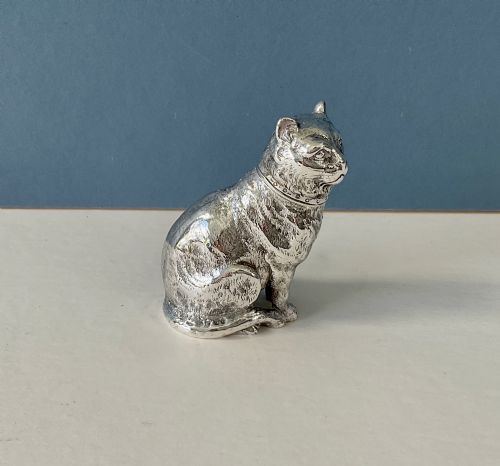
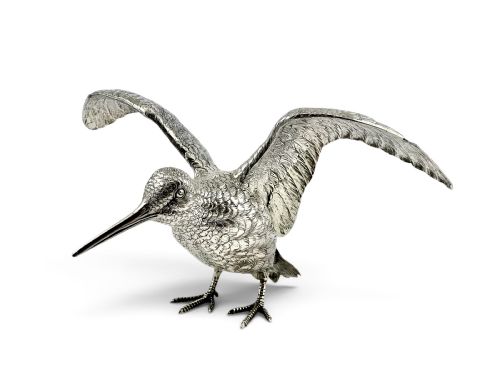
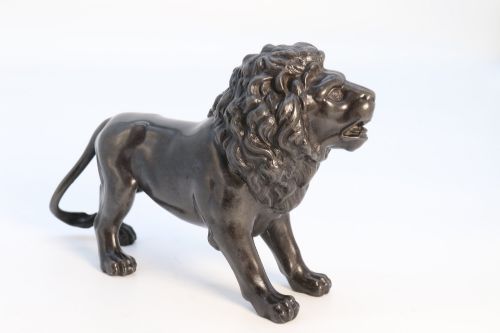
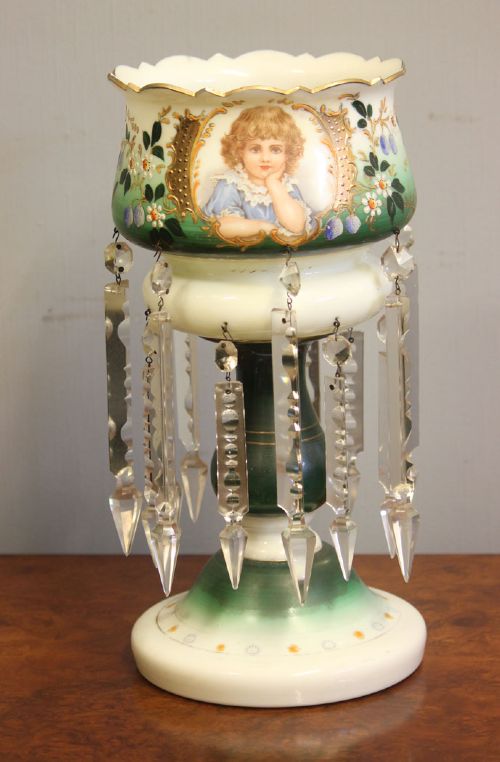
Buyers will find animal figures such as silver birds and bronze horses alongside practical table objects like pepper pots, menu holders, and glass lustres. These items reflect the Victorian taste for detailed ornamentation during formal meals and domestic displays.
How They Were Made
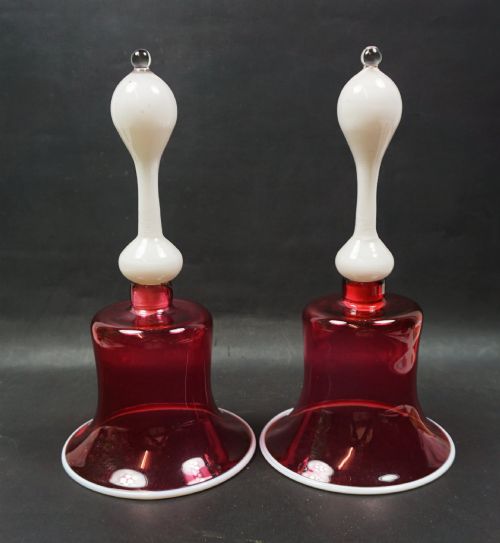
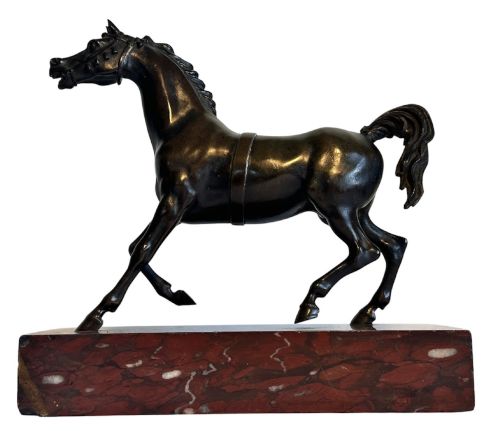
Metals such as sterling silver, bronze, and brass are cast and chased to capture fine anatomical details in figures of animals and soldiers. Glass pieces utilise cranberry, ruby, and green tones, often combined with enamel or gilding.
Carved wood relies on skilled hand-tooling, particularly in Black Forest items featuring bears, while porcelain figures involve intricate moulding and hand-painting by European potteries.
Listings include items spanning the eighteenth century through the Edwardian era, featuring sterling silver, porcelain, bronze, and carved wood.
What Varies In Quality
Material pairing also elevates a piece, such as combining carved wood with crystal epergnes or mounting shell cameos in gold. The weight of the metal and the preservation of enamel or gilding mark the upper tier of the range.
Edward & John Barnard·Bernard Muller·R. Pernice·Franz Bergman
The Victorian Table Ornament Glossary
- Epergne
- A central table ornament with multiple branches or baskets for fruit, sweetmeats, or flowers. They often combine glass vessels with silver or crystal mounts.
- Animalier
- A nineteenth-century artistic style focusing on the realistic depiction of animals. Sculptors in bronze and silver captured creatures in motion or repose.
- Lustre
- A type of tabletop glass or ceramic vase hung with crystal prisms. These pieces reflect candlelight during evening dining.
- Menu holder
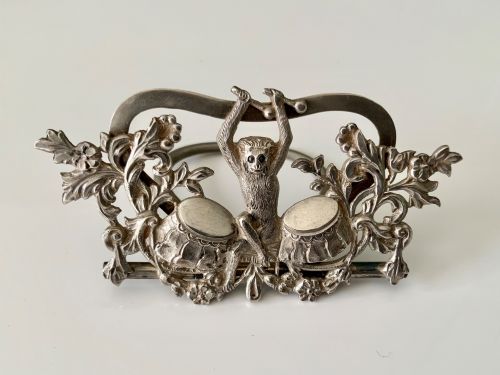
- A small desk or table accessory designed to display the evening meal selections. They frequently take whimsical animal or figural forms in silver.
Victorian Table Ornament: Frequently Asked Questions
What is a victorian table ornament?
A victorian table ornament is a decorative object placed on a dining table or sideboard during the nineteenth century. These pieces range from silver animal figures and menu holders to glass lustres and bronze sculptures.
They served both aesthetic and practical purposes during formal meals and household gatherings. Today, collectors value them for their craftsmanship and period charm.
How were silver animal ornaments used?
Silver animal ornaments such as pepper pots, sugar boxes, and figural studies sat directly on the dining table. Guests interacted with them during meals as functional tableware or conversational table centrepieces.
Craftsmen modelled these items on birds, cats, and woodland creatures with high detail. They reflect the Victorian fascination with naturalism in domestic design.
What materials are common in these ornaments?
Common materials include sterling silver, cast bronze, brass, coloured glass, and carved wood. Porcelain figures and enamel-decorated clocks also appear frequently across the selection.
Many pieces combine multiple mediums, such as carved Black Forest wood paired with Baccarat crystal or glass bells with metal mountings.
How do I identify the period?
Period identification relies on assay marks, material composition, and stylistic cues such as Rococo Revival curves or Victorian Naturalism. Makers often stamped silver with hallmarking dates that reveal the exact year of manufacture.
Stylistic shifts from mid-nineteenth-century bronze casts to later Edwardian silver novelties help narrow down the date of creation.