
Victorian Table Lamp Base
A victorian table lamp base brings solid period weight and polished metal or ceramic form to a room.
Victorian Table Lamp Base
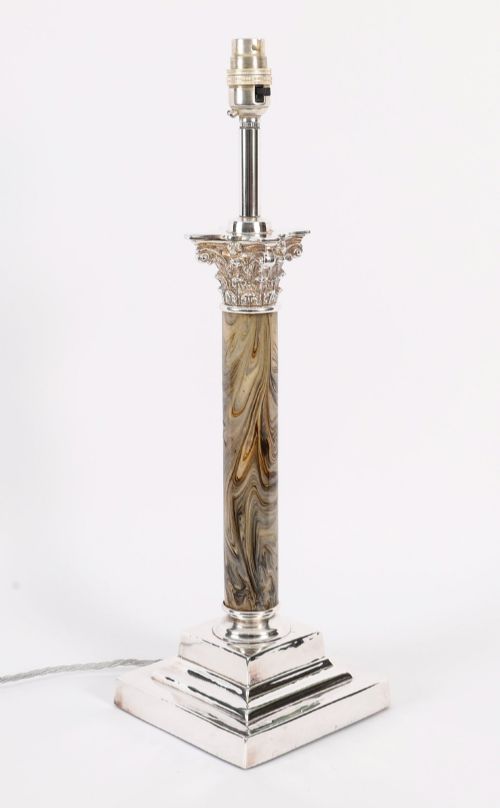
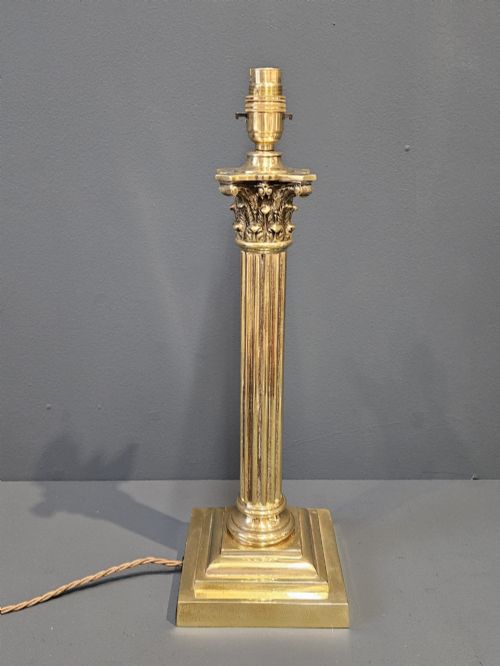
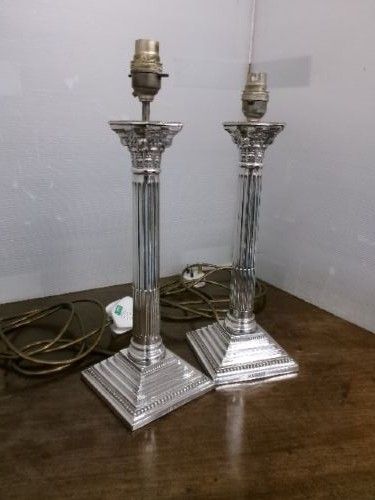
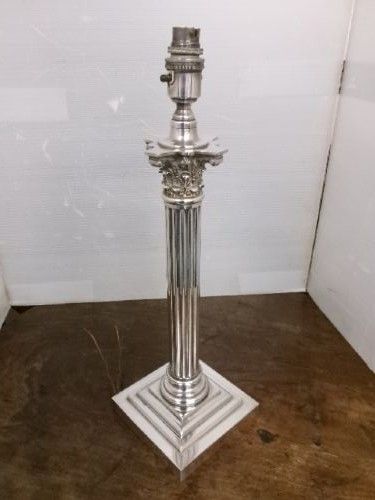
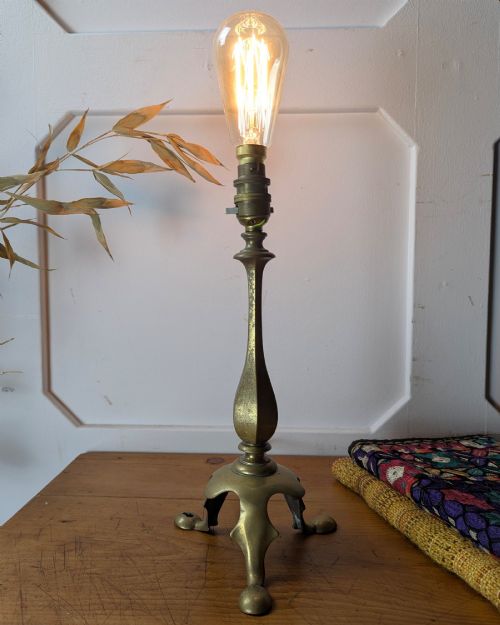
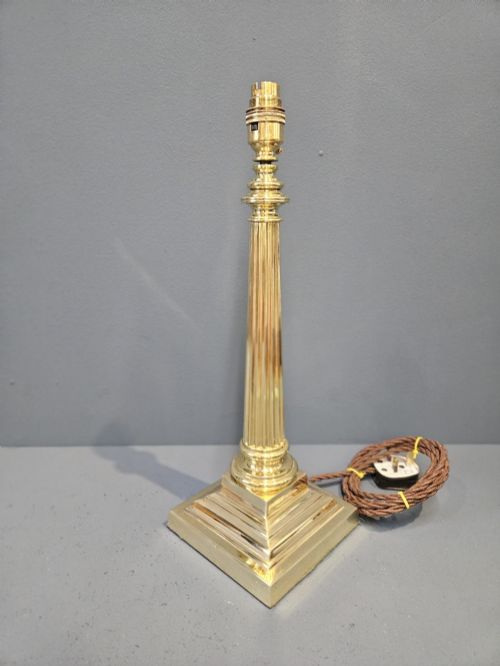
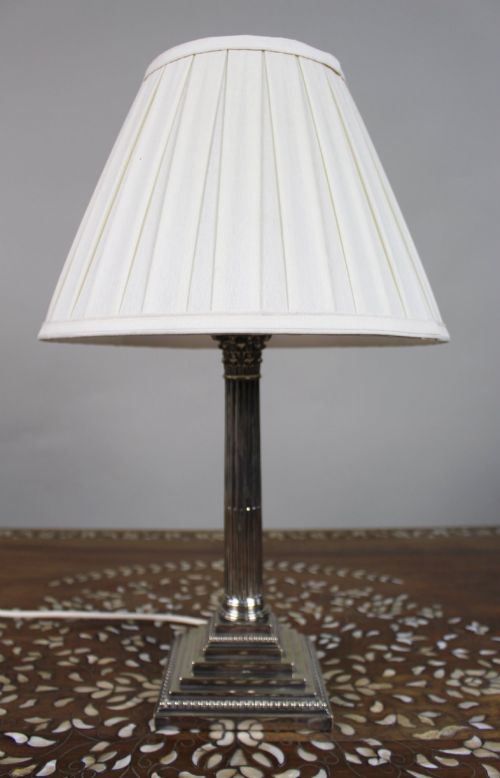
When searching for a victorian table lamp base, buyers encounter substantial metal columns, ceramic figures, and turned timber supports that once served as oil lamps or candlesticks. Many examples follow classical architectural rules, taking the form of Corinthian or ionic columns raised on stepped square plinths.
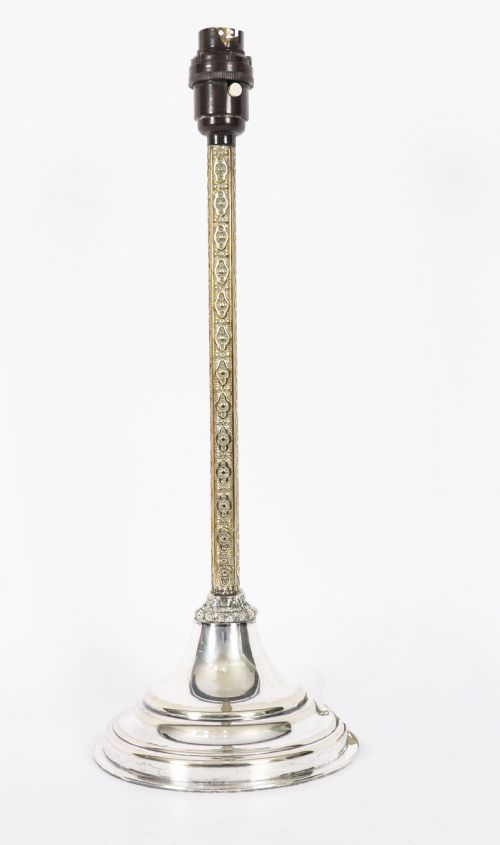
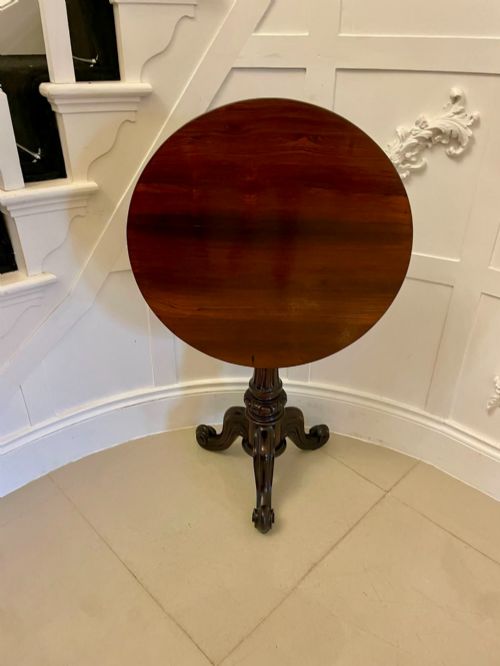
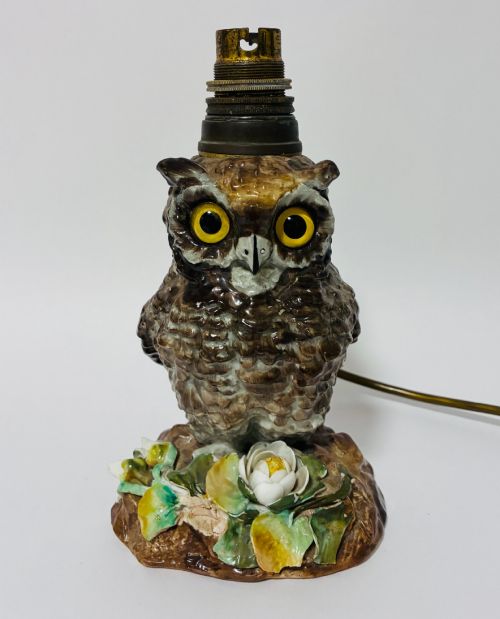
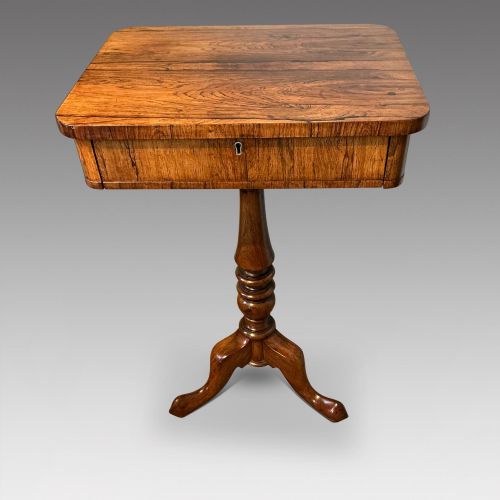
The selection on this page leans heavily toward silver-plated brass columns alongside ceramic bodies modelled as owls or dogs. Alongside dedicated lamp bases, several listings include converted oil lamps and small occasional tables designed to hold a light.
Origins stretch across the nineteenth century into the early twentieth century, drawing on periods from William IV through late Victorian and Edwardian reigns. Makers range from large commercial silversmiths to specific porcelain potteries.
How they were made
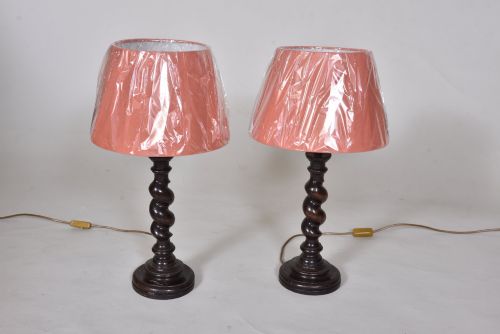
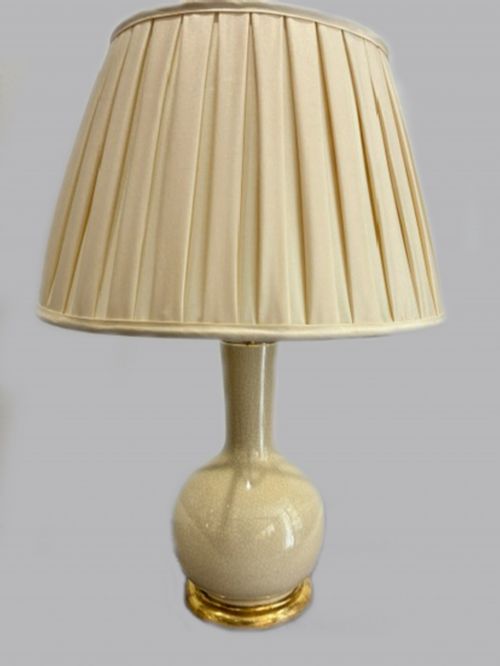
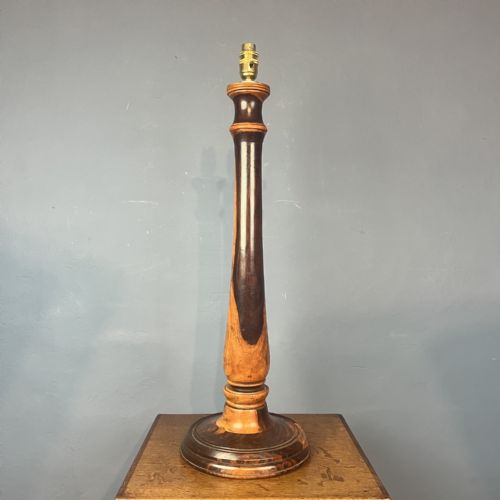
Makers utilised cast and spun brass, heavy silver plating over base metal, and turned hardwoods like mahogany, rosewood, and oak. Ceramic bases employ glazed earthenware and porcelain, sometimes combined with cast brass mounts and marble plinths.
Surface decoration relies on reeded shafts, parcel gilding, hand-painted details on porcelain, and crisp acanthus leaf capitals cast for column bases. Structural elements are joined through threaded brass rods, box joints in wooden plinths, and weighted bases of slate or iron to ensure stability.
German porcelain spitz dogs and ceramic owls stand ready to guard the corner of a Victorian desk.
What varies in quality
Quality rests on the crispness of the casting in metal columns and the depth of the silver plate over the underlying brass. Heavy gauge metal and dense hardwoods distinguish solid domestic production from lighter commercial output.
Proportion and detail separate standard pieces from exceptional work, seen in the hand-chiselled fluting of a capital or the fine detail of a porcelain animal figure. Maker stamps from established silversmiths and registered patent marks indicate higher workshop standards.
Mappin & Webb·Goldsmiths and Silversmiths Company
The Victorian Table Lamp Base Glossary
- Corinthian column
- A classical architectural order featuring an ornate capital decorated with carved acanthus leaves. This form was widely adapted for nineteenth-century metal lamp bases.
- Silver plate
- A thin layer of pure silver fused or electroplated onto a base metal such as brass or copper. Most nineteenth-century column lamps utilise this technique to achieve the look of solid silver at a lower cost.
- Parcel gilt
- Part gilding applied to a metallic or wooden surface to highlight specific decorative elements. On lamp bases, this technique picks out capitals or raised mouldings against a dark background.
- Opaline glass
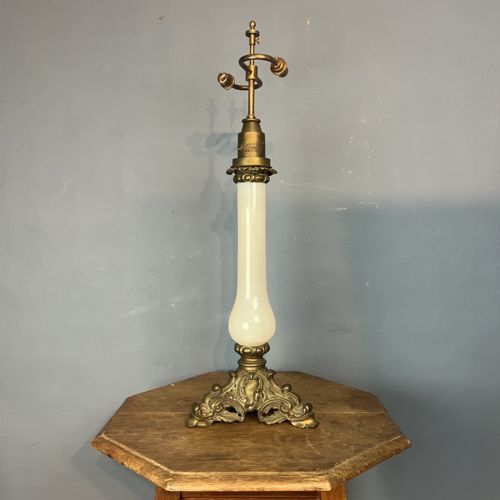
- A pale, translucent milk glass popular in the nineteenth century for lighting bodies and shades. It diffuses light softly and takes enamel decoration readily.
- Grand Tour
- A cultural journey undertaken by wealthy Europeans in the nineteenth century to study classical antiquities. Souvenirs from these trips often inspired decorative objects such as carved shell cameo lamps.
Victorian Table Lamp Base: Frequently Asked Questions
Are these lamp bases converted oil lamps?
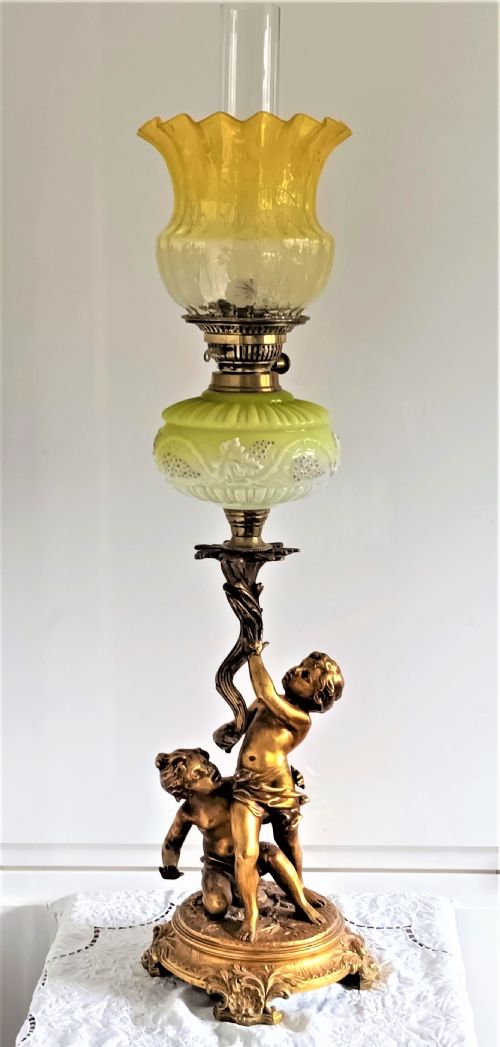
Several pieces began life as oil lamps or candlesticks before being adapted for modern electric wiring. Conversion work often preserves the original burner fittings and reservoirs.
Buyers should check the base and collar for evidence of past alterations to ensure the wiring sits securely within the historical structure.
How do I date a brass column lamp?
Dating relies on the weight of the metal, the style of the capital, and the construction of the base plinth. Earlier nineteenth-century examples often feature heavier cast components and hand-finished details.
Maker marks and registration numbers stamped into the metal provide a reliable guide to the exact decade of manufacture.
What materials are most common?
Silver-plated brass and solid brass dominate the metal options, frequently paired with slate, marble, or mahogany bases. Ceramic bodies and glass columns also appear regularly across the period listings.
Timber examples utilise dense hardwoods like rosewood and mahogany, often turned on a lathe into pedestals or small occasional tables.
How should I clean a silver-plated base?
Silver-plated brass requires gentle cleaning with a soft cloth and a non-abrasive silver polish to protect the thin metal layer. Aggressive scrubbing can wear through the plating to reveal the base brass underneath.
Wooden sections benefit from a light application of beeswax rather than liquid polishes, which can seep into old joints.