
Vintage Column Table Lamp
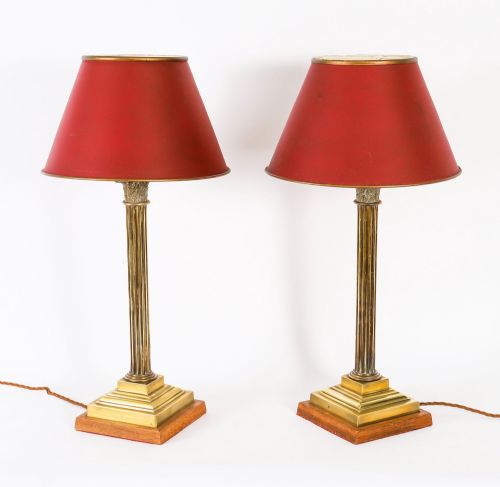
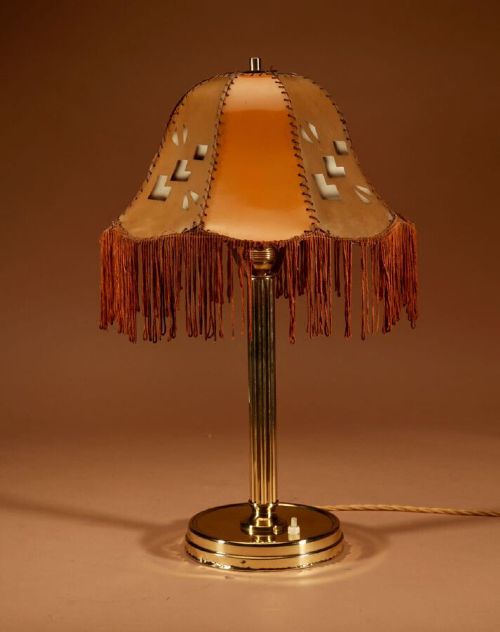
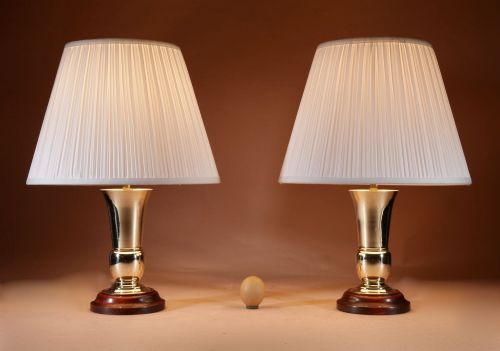
A vintage column table lamp offers classical architectural form to light a room, drawing on centuries of classical design.
Vintage Column Table Lamp
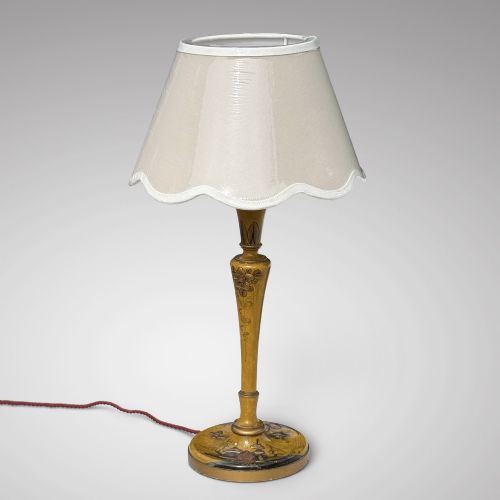
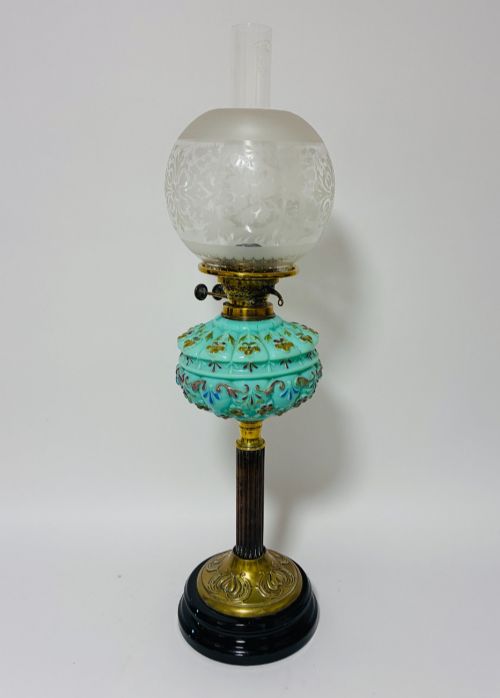
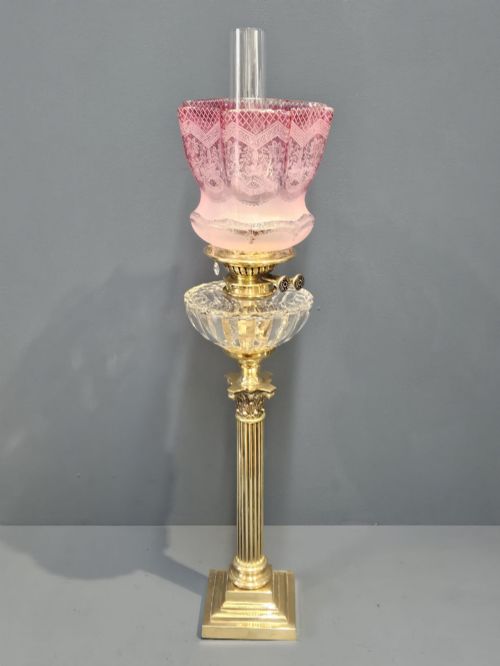
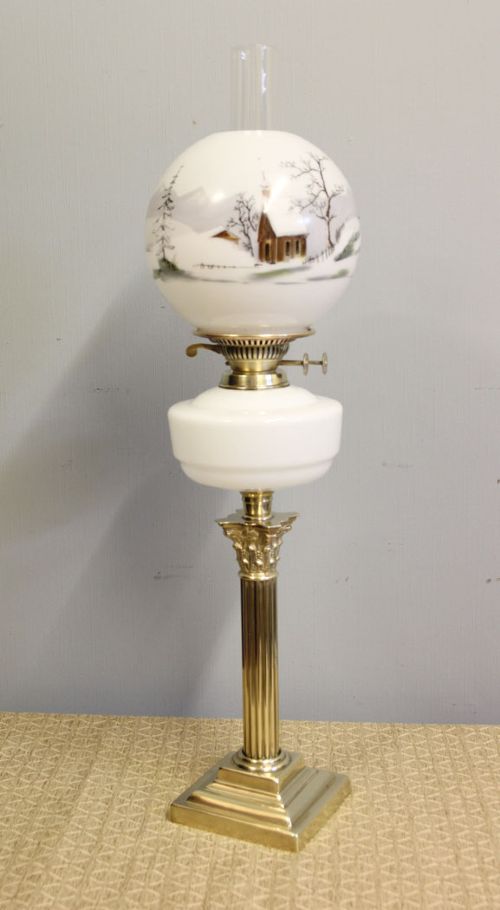
The materials span cast metals, turned timbers, and carved stone, often paired with decorative glass shades or fabric elements. Many examples originate as earlier oil lamps converted to electricity, preserving original burners and reservoirs alongside modern wiring. The proportions vary from modest desk heights to monumental floor-standing standards.
Materials and construction methods
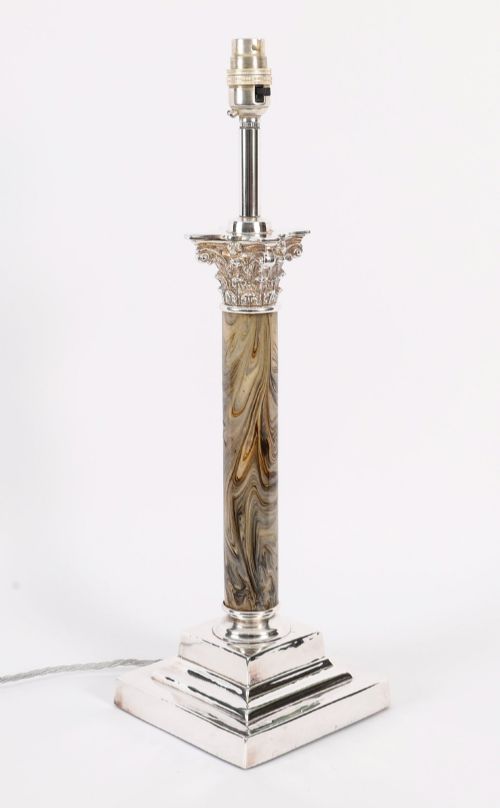
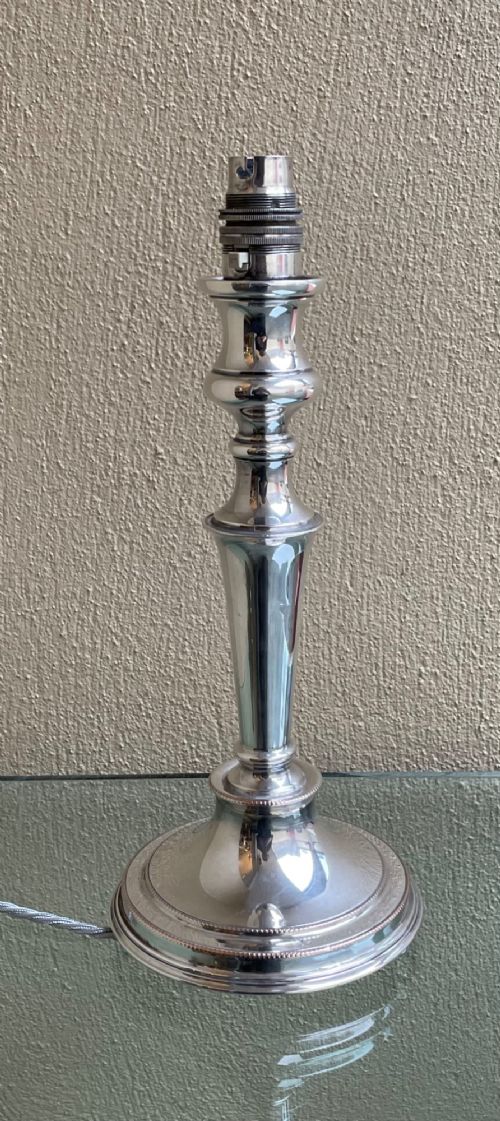
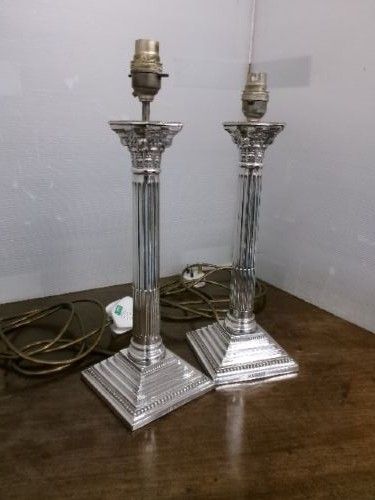
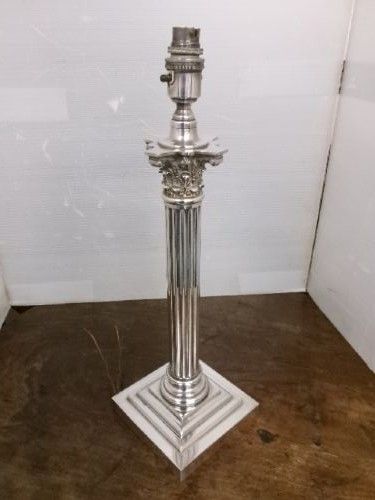
Metalworking techniques dictate the build of most brass and silver-plated examples, utilising cast components finished with chased detailing. Brass and silver plate dominate the output, frequently cast in sections and secured to heavy bases for stability.
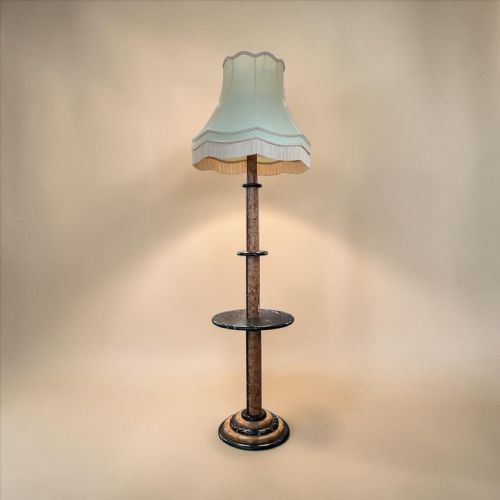
Stonework requires precise lathe-turning and polishing, particularly for marble and onyx shafts that provide substantial weight. Wood examples employ dense timbers like mahogany, oak, and lignum vitae, shaped on lathes or carved by hand.
Current listings feature materials ranging from brass, glass, and marble to wood and silver plate, spanning the Victorian to Art Deco periods.
Judging quality and craftsmanship
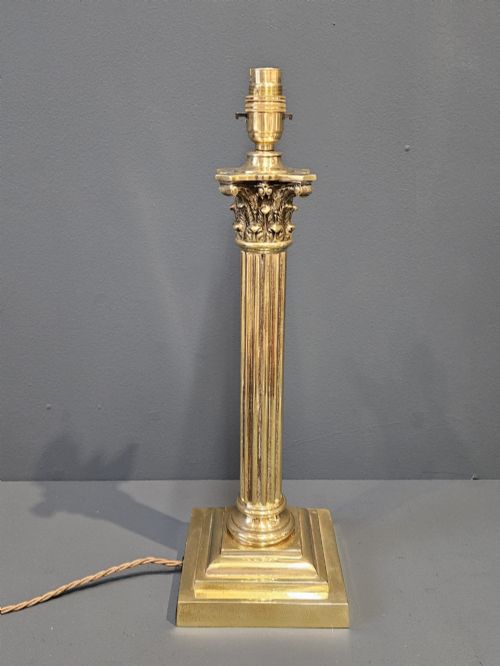
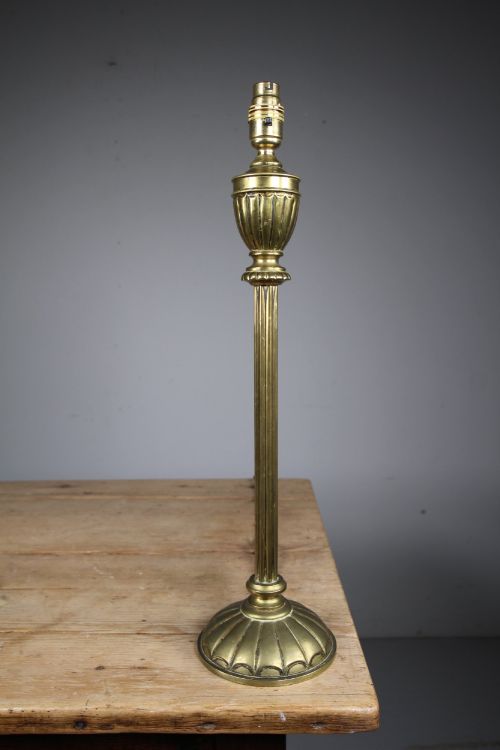
The crispness of cast detail separates superior metal columns from simpler mass-produced alternatives, with finely rendered acanthus leaves and fluted shafts marking out finer work. Heavier gauge metals and solid marble bases indicate superior material selection over plated compositions.
Proportion and structural integrity define the best specimens, ensuring the vertical shaft meets the base with precise alignment. Original components, such as stamped burner mechanisms and unaltered glass shades, elevate the standing of a piece.
The Vintage Column Table Lamp Glossary
- Corinthian column
- An architectural order characterised by ornate capitals decorated with stylized acanthus leaves. This motif appears frequently on nineteenth-century brass lamp bases.
- Duplex burner
- A double-wick mechanism found on nineteenth-century oil lamps designed to produce a brighter flame. These fittings often remain intact on converted electric lamps.
- Opaline glass
- An opaque or translucent glass, often white or pale pastel, used for decorative lamp bodies and shades during the Victorian era. It diffuses light with a soft glow.
- Silver plate
- A thin layer of silver fused to a base metal such as brass or copper. This technique provided the appearance of solid silver at a lower production cost.
- Reeded column
- A vertical shaft decorated with parallel convex mouldings. This classical detail adds texture and visual weight to lamp stems.
Vintage Column Table Lamp: Frequently Asked Questions
How do I safely rewire an antique lamp?
Rewiring typically involves replacing perished internal flex with modern braided cable that meets current electrical standards. Professional electricians can thread modern wiring through the central core without damaging historic metalwork.
Retaining original brass key switches and ceramic lamp holders preserves the character while ensuring safe daily use.
Are these lamps converted from oil lamps?
Many tall table lamps from the Victorian and Edwardian periods began life as paraffin or oil-burning lamps. These conversions often retain their original burners, reservoirs, and galleries beneath the modern bulb fitting.
Collectors prize these conversions for their substantial weight and the historical integrity of their original metal components.
What shade fits a column lamp?
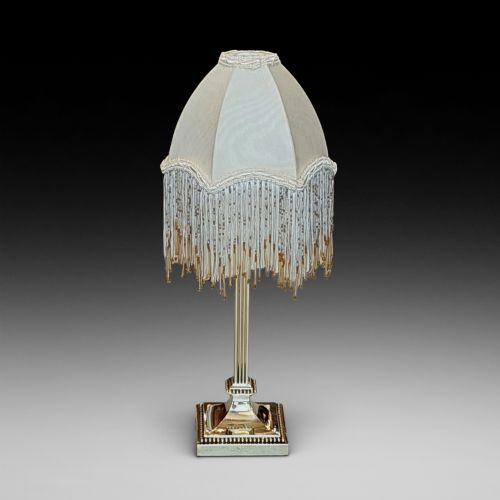
Selecting a shade depends on the height and visual weight of the column base. Traditional brass Corinthian columns suit pleated silk or parchment shades that complement their formal silhouette.
Opaline or cranberry glass shades work well on pieces that retain their oil lamp proportions and decorative glass reservoirs.
How do I date a brass lamp?
Dating relies on manufacturing techniques, style revivals, and assembly methods. Cast brass components from the Victorian era often display heavier gauge metal and hand-finished chasing compared to later twentieth-century items.
Patent stamps, registry marks, and maker signatures stamped into the metal provide precise chronological markers.