


Victorian Table Glassware
Victorian table glassware brings nineteenth-century dining tables to life with rich coloured hues, deep cutting and delicate hand-blown forms.
Victorian Table Glassware
Victorian table glassware covers the decorative and functional vessels placed upon formal and domestic dining tables during the nineteenth century. When searching for victorian table glassware, buyers encounter everything from sets of ruby wine glasses and finger bowls to towering epergnes and water jugs.
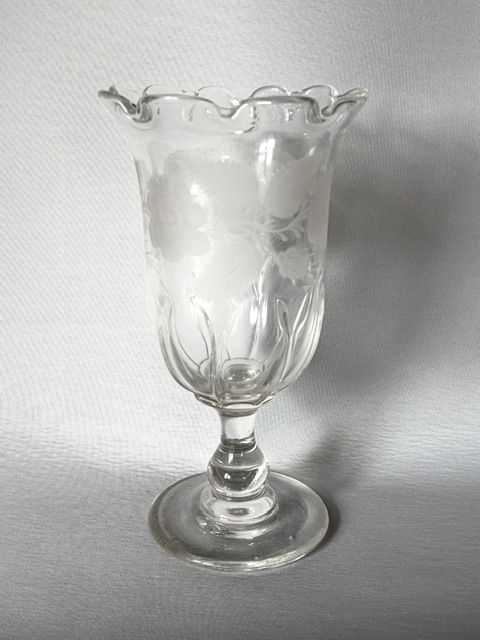
The selections span distinct decades of the nineteenth century, ranging from early Victorian ribbed celery vases to late Victorian cranberry glass wine sets. Forms include decanters, vases, preserve dishes, and bells, reflecting the elaborate dining rituals of the period.
Materials and manufacture
These pieces rely on glass, lead crystal, and coloured variants such as cranberry, ruby, green, and amethyst glass. Makers shaped the molten metal through hand blowing and mould pressing before applying surface decoration.
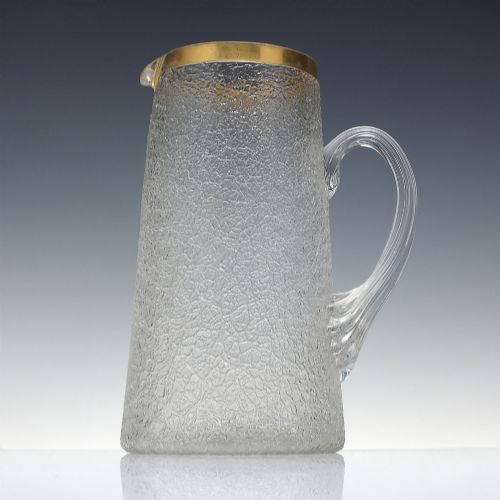
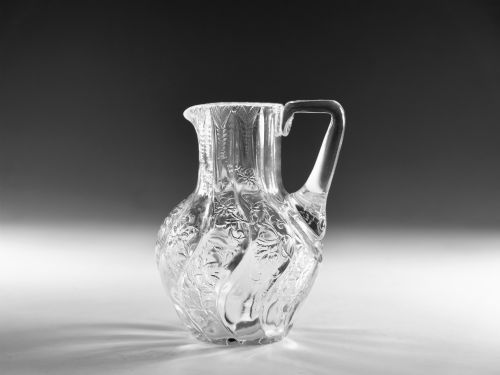
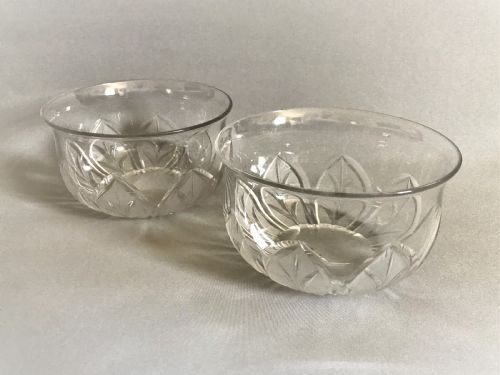
Techniques recorded include wheel cutting, surface etching, acid frosting, and overshot texturing. Artisans frequently enhanced the glass using gold leaf, polychromatic enamels, and silver plated mounts.
Victorian Table Glassware Retail Price Guide 2026
Typical asking prices for victorian table glassware among the pieces listed under this phrase on Sellingantiques today, from the lower quarter to the upper quarter. They describe what is for sale here now, not the wider market.
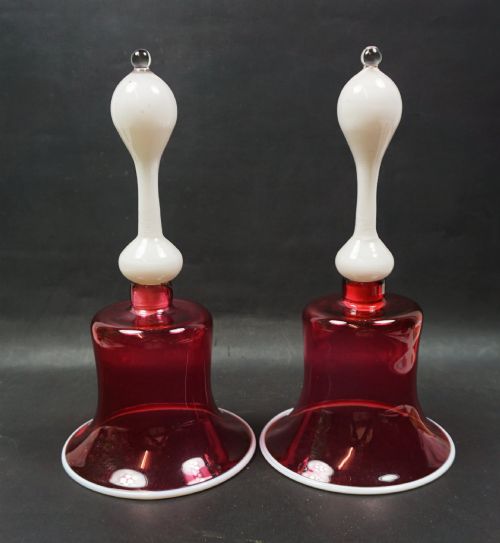
Table bells made of vibrant ruby glass allowed Victorian diners to summon servants without raising their voices above the clatter of porcelain.
Evaluating quality and execution
Quality rests upon the precision of the hand cutting, the crispness of the etching, and the depth of the glass colour. Superior pieces display smooth, well-finished pontil marks and balanced proportions without distortion.
The integration of supplementary materials, such as finely chased silver plated stands or meticulously hand-painted enamel details, elevates a piece. Consistency across matched sets of wine glasses or finger bowls also dictates the standing of the items.
Stevens & Williams·Moser
The Victorian Table Glassware Glossary
- Cranberry glass
- A transparent red-pink glass coloured with gold chloride during production. It remains one of the defining hues of the nineteenth-century table.
- Epergne
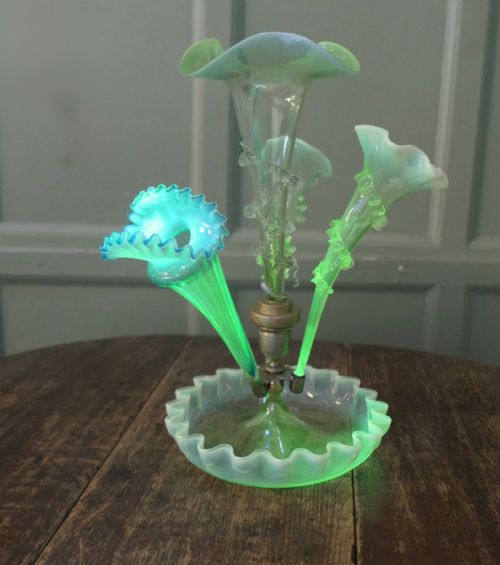
- A large, branching centrepiece featuring multiple trumpets or baskets for holding flowers or fruit. They dominate the centre of formal Victorian dining displays.
- Celery vase
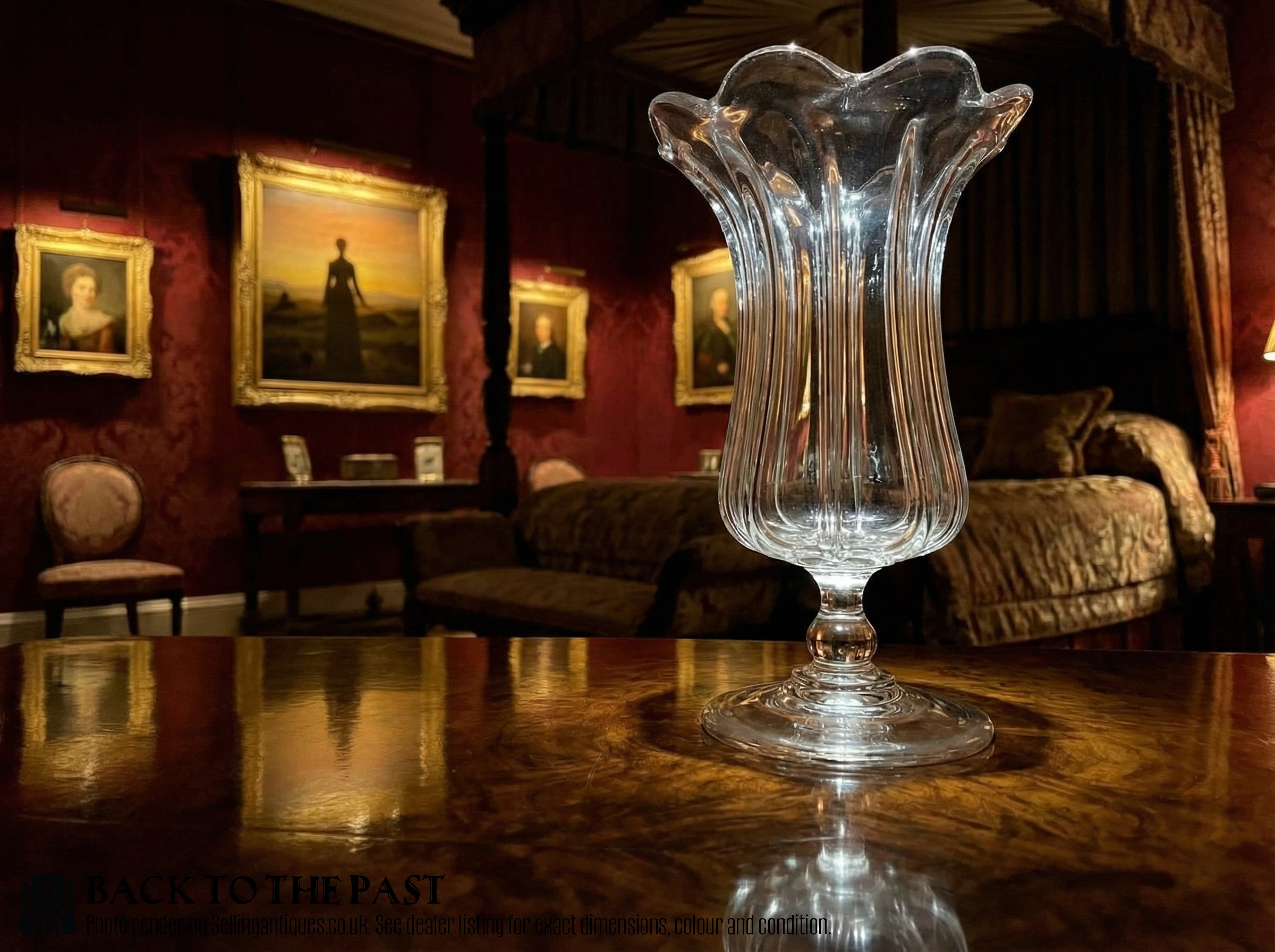
- A tall, footed vessel specifically designed to hold upright stalks of celery on the dining table. Victorian households displayed these prominently during meals.
- Overshot glass
- A technique where hot glass vessels are rolled over fine fragments of broken glass to create a textured, icy exterior surface. This finish catches the light distinctively.
- Pontil mark
- The rough scar left on the base of a blown glass vessel where the punty rod was detached. Its presence confirms hand-blown manufacture.
Victorian Table Glassware: Frequently Asked Questions
Can I use these wine glasses daily?
While these glasses were originally made for dining, their age and delicate hand-blown nature call for careful handling. Many collectors reserve them for special occasions rather than everyday use.
Hand-washing is mandatory, and modern dishwashers will ruin the gold leaf and enamel details. Treat them as heirlooms to be enjoyed respectfully during quiet dinners.
What is an epergne used for?
An epergne served as the dramatic centrepiece on Victorian dining tables, often holding flowers or sweetmeats. The multiple trumpets allowed hosts to create elaborate, tiered floral arrangements.
They bring height and sculptural interest to a table setting. Today, they remain striking decorative objects for a sideboard or central table.
How do I date Victorian glassware?
Dating relies on stylistic clues, manufacturing techniques, and colour preferences associated with specific decades. Early Victorian pieces often feature heavy ribbing and simple etched floral motifs.
Later Victorian production introduced vibrant cranberry hues, complex enamelling, and more adventurous forms influenced by continental makers. Comparing known factory patterns helps narrow down the decade.