
Victorian Table Candlesticks
Victorian table candlesticks bring nineteenth-century illumination to modern rooms through enduring brass, silver plate, and sterling silver forms.
Victorian Table Candlesticks
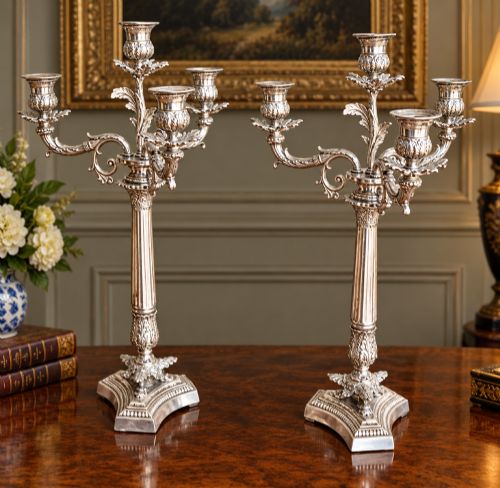
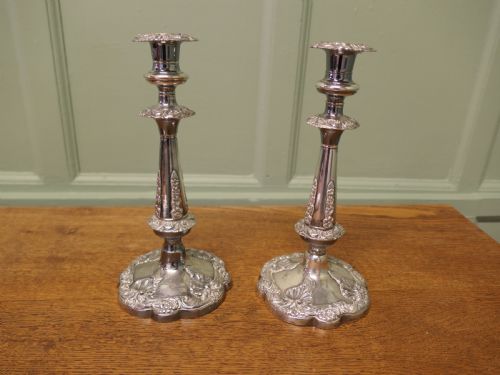
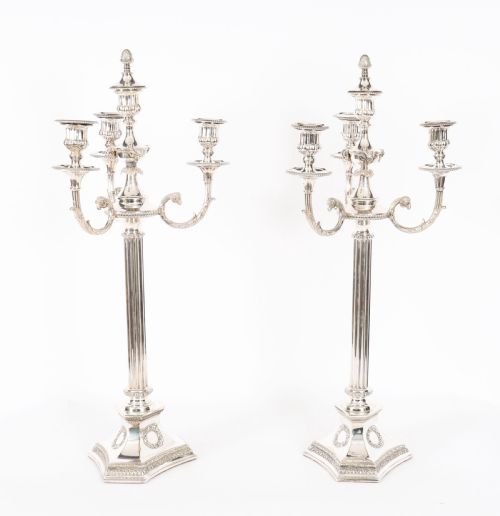
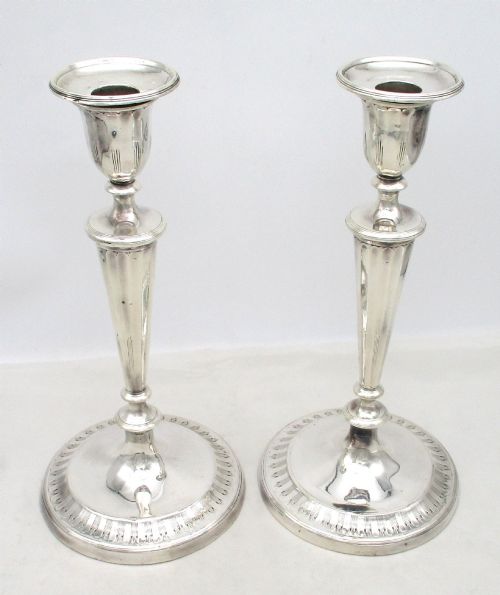
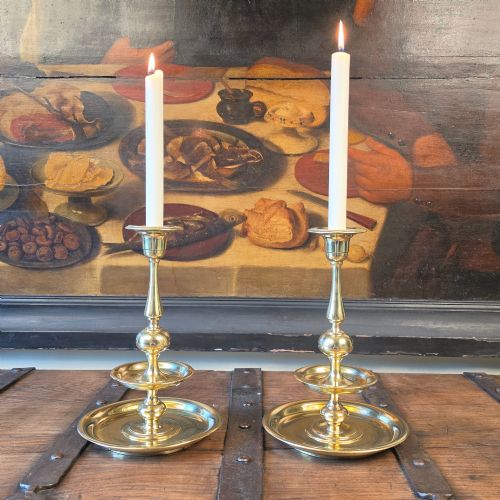
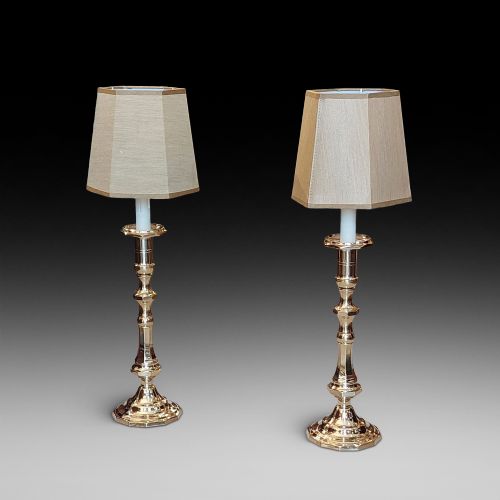
Victorian table candlesticks span the nineteenth century and into the early twentieth, appearing as single items or pairs designed to hold wax illumination. Buyers encounter numerous brass and silver plated examples, alongside sterling silver, bronze, and gilt variations.
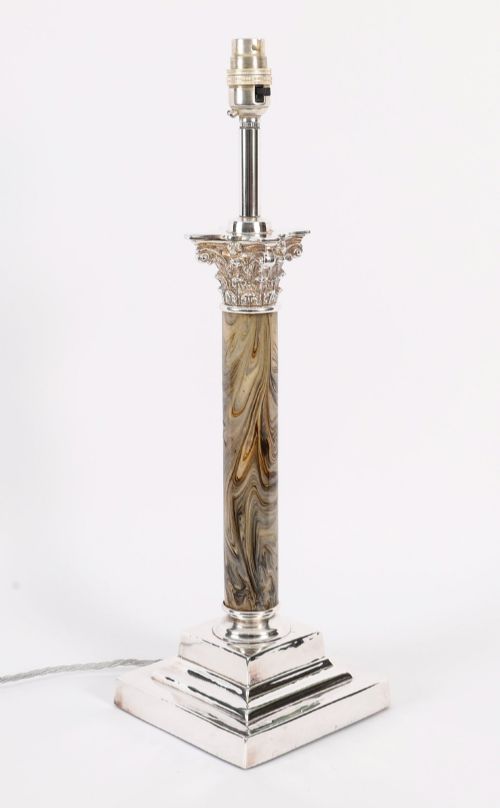
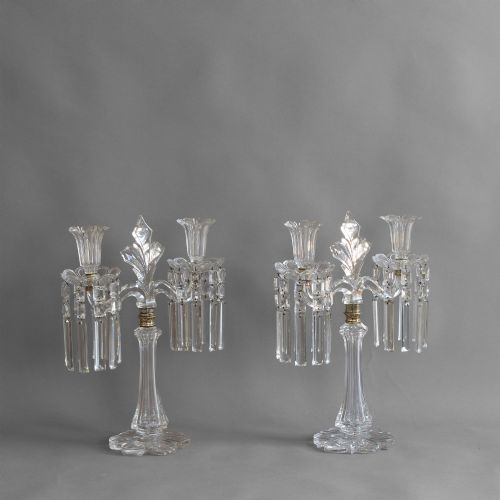
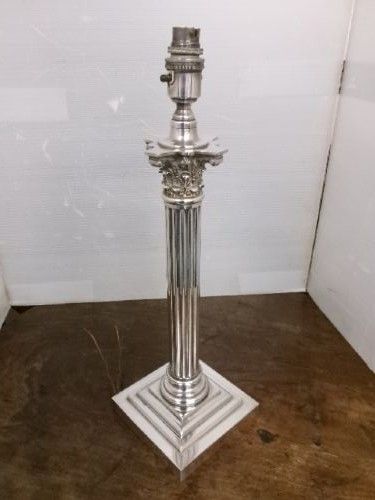
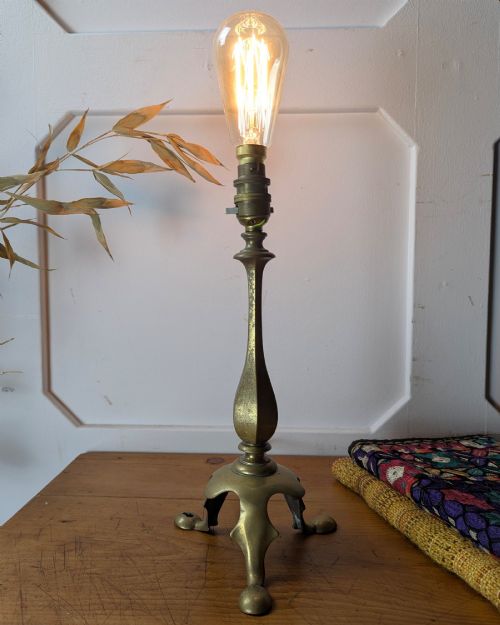
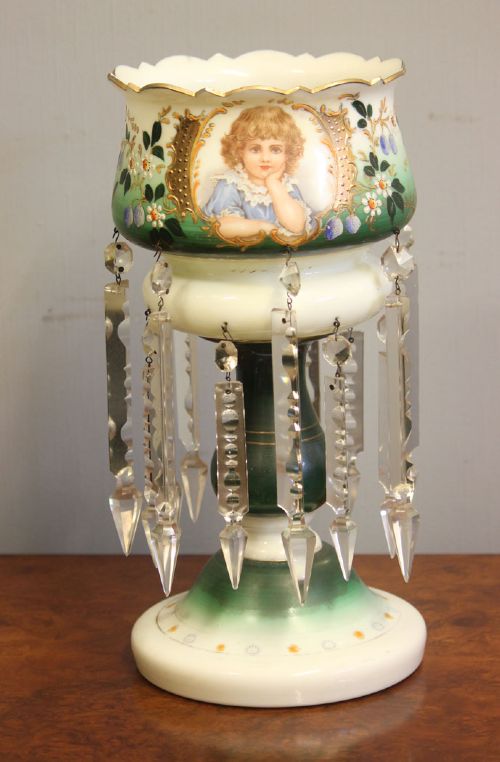
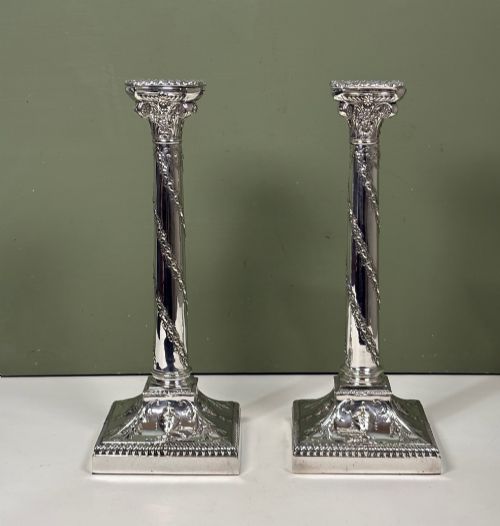
The selection includes standard candlesticks, multi-light candelabra, and mantel lustres, with many period pieces subsequently adapted into table lamp bases. Forms range from plain ejector mechanisms to ornate neoclassical revival columns and figural designs.
Originating largely from nineteenth-century workshops, these pieces reflect Victorian, Edwardian, and neoclassical aesthetic preferences. Brass and silver plate dominate the available forms, supplemented by crystal, enamel, and timber materials.
Materials and construction
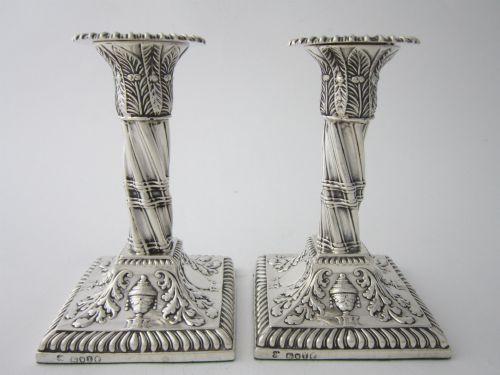
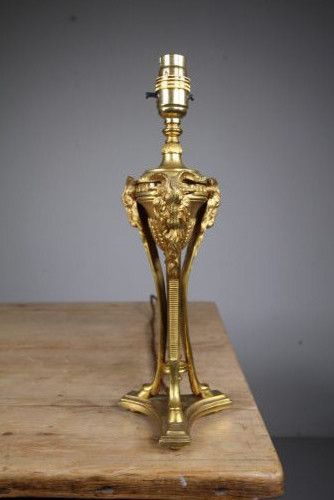
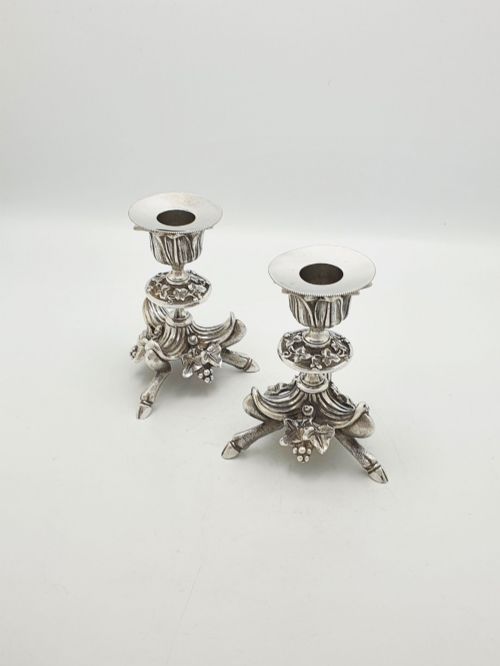
Makers utilised cast brass, silver plate over base metal, and solid sterling silver to construct these items, often incorporating applied ornamentation such as rams heads or champleve enamel. Methods combined metal casting, plating, and hand-chasing to achieve decorative surface detail.
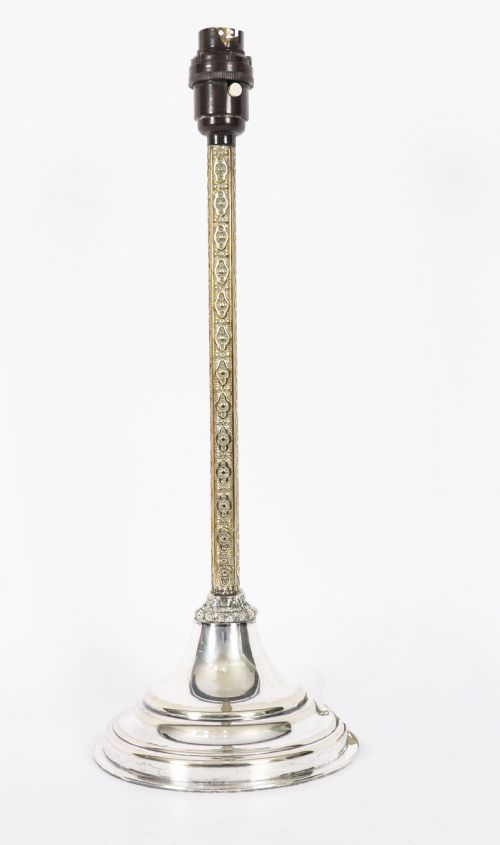
Many candlesticks incorporate functional elements like ejector mechanisms for clearing spent wax or modular multi-light branches that transform a single candlestick into a candelabrum. Later adaptations involved converting these metal and timber bodies for electrical wiring.
Listings feature items from the 19th Century, Victorian, Edwardian, and 1920 periods, utilising brass, silver plate, sterling silver, and bronze.
Factors of quality
Quality rests upon the crispness of the cast ornamentation and the weight of the metal used in the shaft and base. Superior pieces display deep, clean chasing on neoclassical capitals or figural drapery rather than soft, mass-produced contours.
The integrity of the silver plating or the original finish dictates the visual success of plated items, while maker marks from established firms provide a reliable indicator of workshop standard.
Mappin & Webb·Hawksworth Eyre·Garrard & Co·WMF
The Victorian Table Candlesticks Glossary
- Corinthian column
- A classical architectural column form featuring acanthus leaf decoration on the capital, frequently adopted for nineteenth-century candlesticks. This style draws directly on ancient Greek and Roman architecture.
- Candelabra
- A branched candlestick holding multiple lights on a single base. These large pieces often feature removable arms to function as standard candlesticks.
- Ejector candlestick
- A brass candlestick containing an internal sliding mechanism operated by a small side lever to push out spent wax stubbing. This practical device helps clear the socket cleanly.
- Mantel lustre
- A decorative ornamental stand hung with cut glass or crystal prisms, designed to sit on a fireplace mantel. They provide reflective sparkle rather than primary illumination.
- Champleve
- An enamelling technique where troughs or cells are carved into a metal surface and filled with vitreous enamel before firing. It creates vibrant colour patterns on bronze or brass bases.
Victorian Table Candlesticks: Frequently Asked Questions
How do I clean tarnished silver plated candlesticks?
Use a soft cloth and a gentle silver cream designed for plated items to preserve the underlying metal. Avoid harsh chemical dips that strip away remaining plating.
Work carefully around raised details and hallmarks to avoid wearing down the finish over time.
Can converted electric lamps become candlesticks again?
Many electrified lamps started as standard candlesticks with wiring fed through the original central column. Restoring them depends on whether the internal structure was altered during conversion.
A specialist can assess if the original socket and base components remain intact beneath the electrical fittings.
How do I date an unmarked brass candlestick?
Examine the base construction, casting seams, and overall style to determine the likely manufacturing period. Victorian pieces often show specific neoclassical revival motifs or ejector mechanisms.
Compare the form and weight with documented examples from the nineteenth century to narrow down the decade.