

Victorian Style Shelves
These Victorian style shelves bring solid timber and considered joinery into a room, offering practical display space with genuine period character.

Victorian Style Shelves
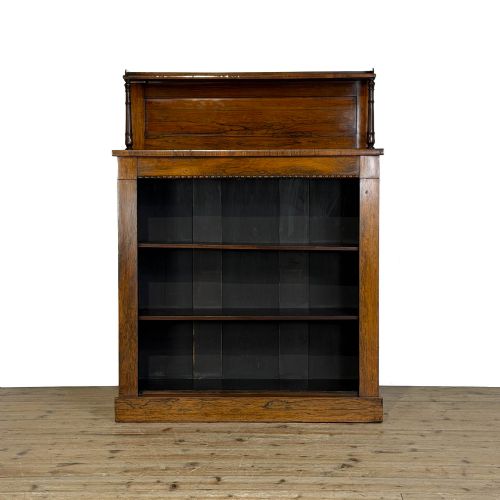
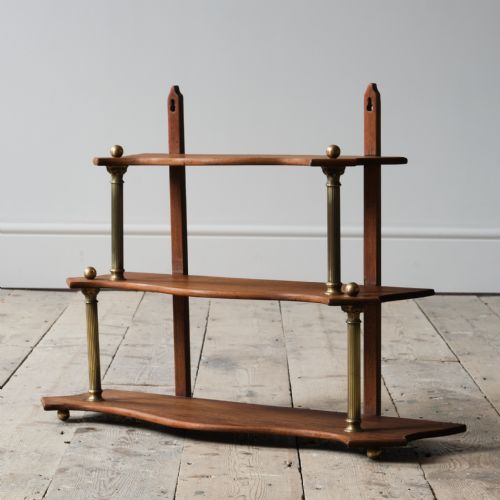
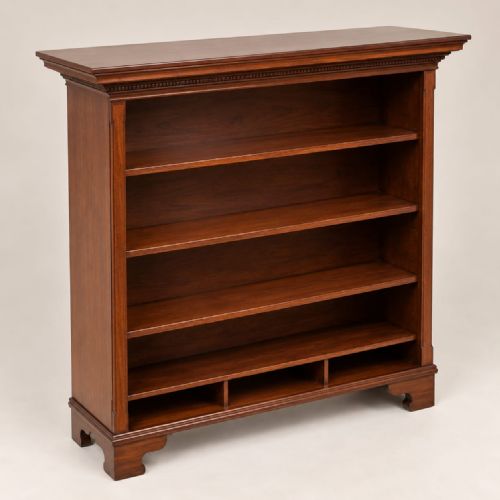
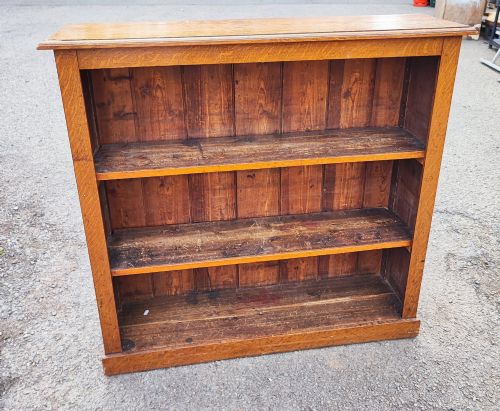
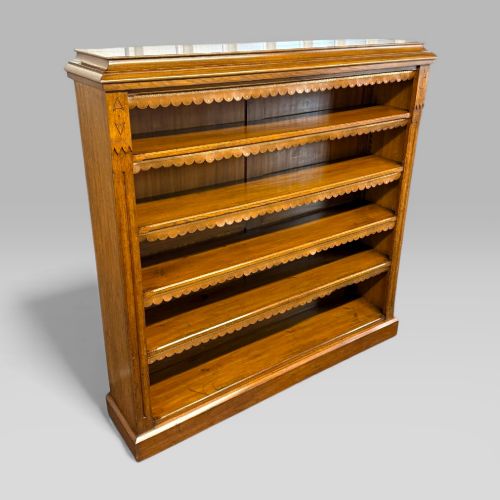
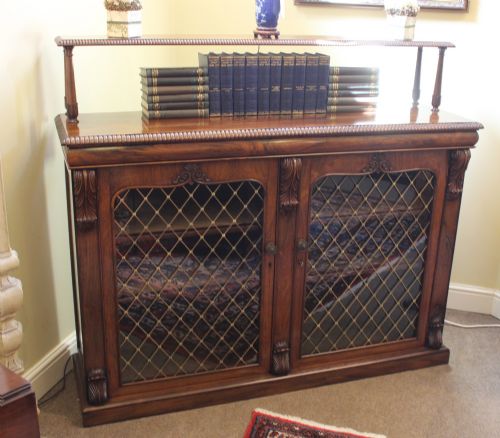
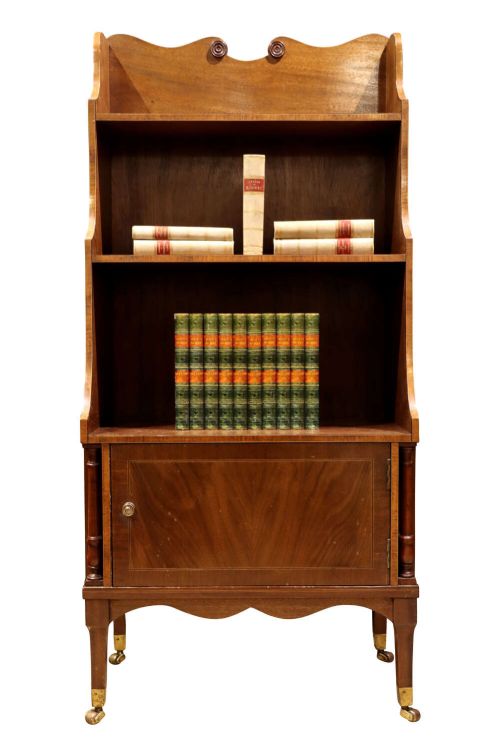
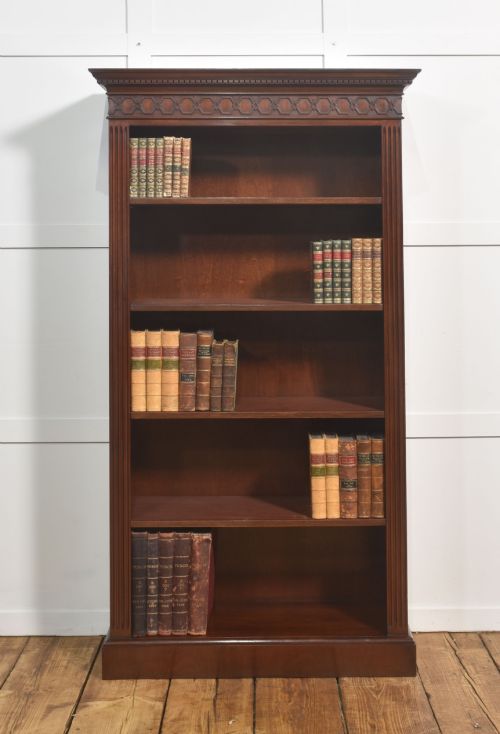
When searching for victorian style shelves, buyers encounter open bookcases, wall-hanging brackets, corner whatnots, and etageres dating from the nineteenth century. The selection ranges from compact rosewood and mahogany wall units to substantial oak bookcases and bamboo display pieces.
Makers and designers of the period drew upon diverse influences, producing items in Gothic Revival, Aesthetic Movement, and Anglo-Japanese styles. These functional items served for displaying books, ceramics, and ornaments in nineteenth-century interiors.
Materials and construction
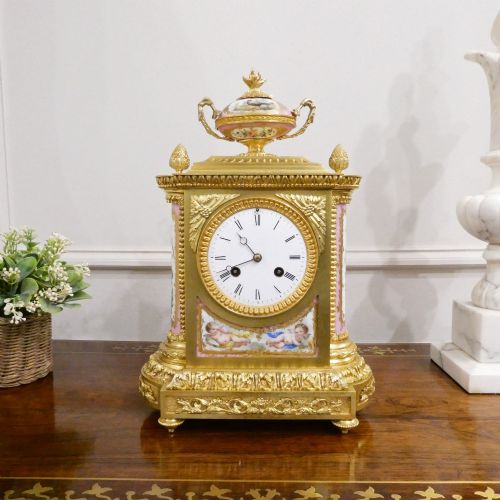
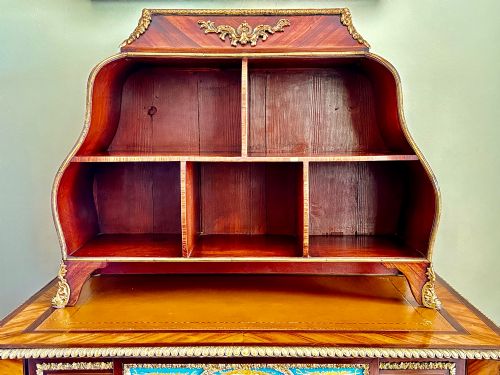
Cabinetmakers relied on dense hardwoods such as mahogany, walnut, rosewood, and oak, often enhancing pieces with brass mounts, castors, or gilt metal details. Selected examples incorporate inlay, porcelain plaques, or ebonised finishes.
Construction methods prioritised durable joinery, with adjustable shelving systems appearing in larger bookcases and sturdy wall brackets secured by traditional fixings.
Design influences span Gothic Revival, French styles, and Anglo-Japanese aesthetics.
Indicators of quality
Quality rests upon the selection of timber grain, the precision of inlaid details, and the integrity of the original structural joints. Superior pieces demonstrate crisp carving and thoughtful proportions rather than mass-produced uniformity.
The sophistication of decorative mounts, such as ormolu or cast brass, and the retention of original surfaces distinguish finer workshops from simpler commercial production.
Jean-Baptiste Delettrez·Henry Marc·Gabriel Viardot·Howell & James·Liberty & Co.·George Edmund Street·Gillows·Cottier & Co.
The Victorian Style Shelves Glossary
- Whatnot
- A multi-tiered piece of freestanding or wall-mounted furniture designed for displaying ornaments or books. These typically feature open shelves supported by slender uprights.
- Etagere
- A French term for a piece of furniture consisting of a number of open shelves for holding small objects. These often display the lighter, more exotic influences of the later nineteenth century.
- Bookcase
- A piece of furniture with horizontal shelves used for storing books. Period examples frequently incorporate adjustable wooden shelving and open fronts.
- Aesthetic Movement
- A late nineteenth-century design style emphasising visual beauty over narrative subject matter. Pieces in this idiom often reflect Japanese artistic influences.
Victorian Style Shelves: Frequently Asked Questions
How do I mount antique wall shelves safely?
Wall-hanging shelves require secure fixings into solid masonry or direct wall studs to support the weight of dense hardwoods like mahogany and oak.
Professional installation is advisable for larger antique brackets to prevent strain on historical joinery.
Are the shelves usually adjustable?
Many nineteenth-century bookcases and larger cabinets feature adjustable wooden shelving supported by traditional wooden racks or metal pins.
Smaller wall brackets and corner whatnots generally feature fixed tiers determined by their original construction.
What is the difference between a whatnot and a bookcase?
A whatnot is primarily an open, multi-tiered stand intended for displaying decorative objects rather than heavy book storage. Bookcases are heavier structures engineered specifically to bear the weight of numerous volumes.
Both forms appear frequently in nineteenth-century domestic interiors.
How do I care for nineteenth-century timber?
Maintain timber surfaces by keeping them away from direct heat sources and sudden humidity changes that cause wood to split. Regular dusting with a dry, soft cloth preserves the polish without chemical buildup.
Occasional application of appropriate wax feeds hardwoods like rosewood and walnut.