

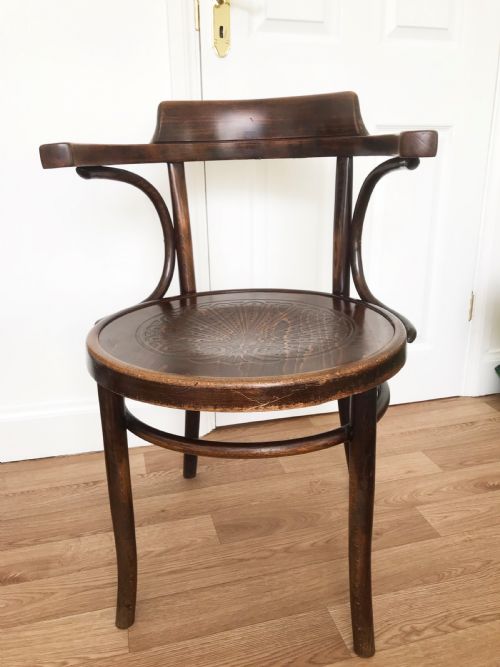
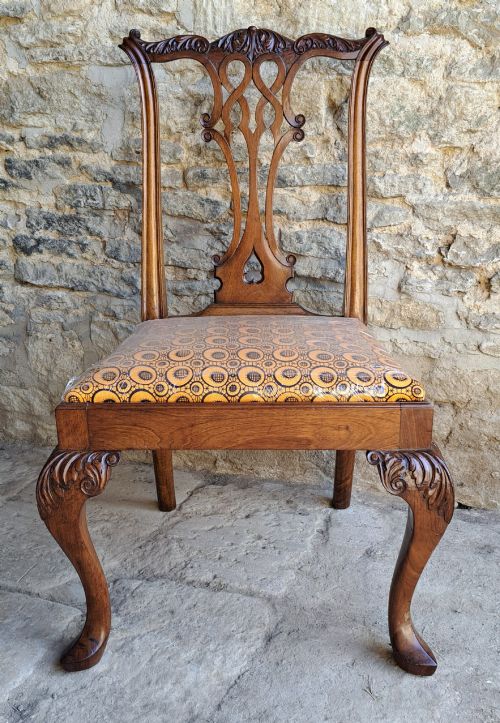

Victorian Style Desk Chair
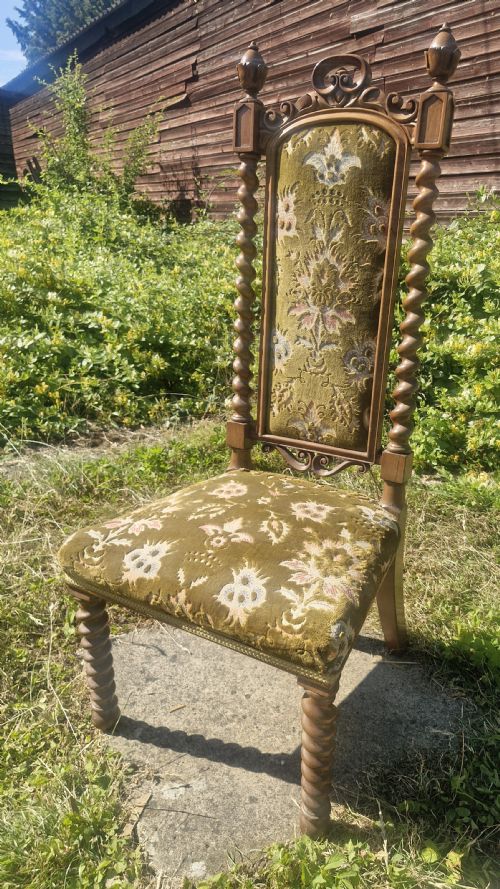
A victorian style desk chair brings nineteenth-century character to a study through timber framing and turned supports.
Victorian Style Desk Chair
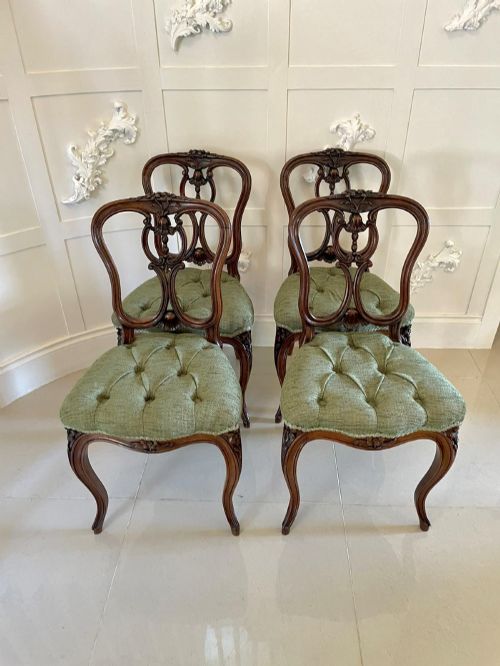
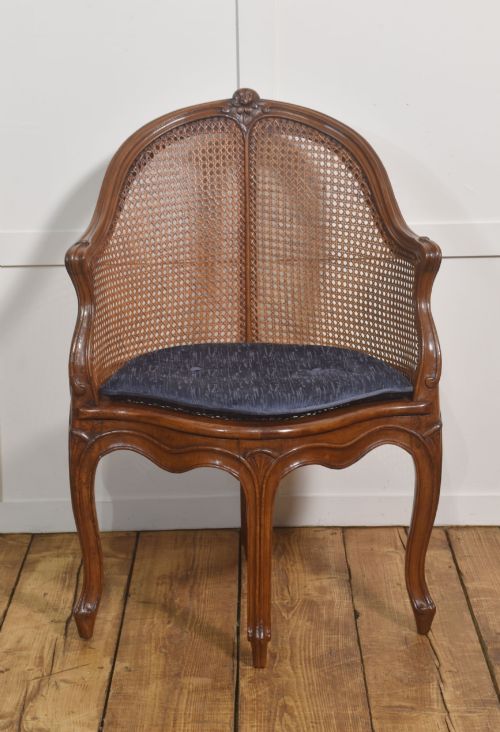
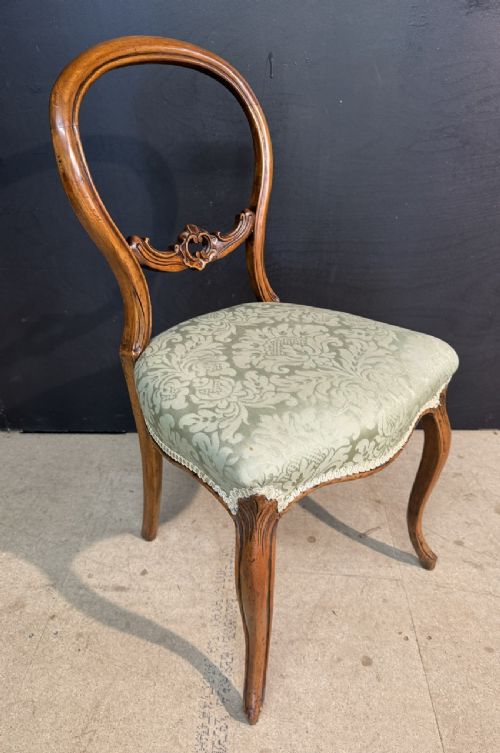
When searching for a victorian style desk chair, buyers encounter nineteenth-century seating designed for workspaces, libraries and studies. The selection spans armchairs, side chairs and swivel models produced during the Victorian era and later revival periods.
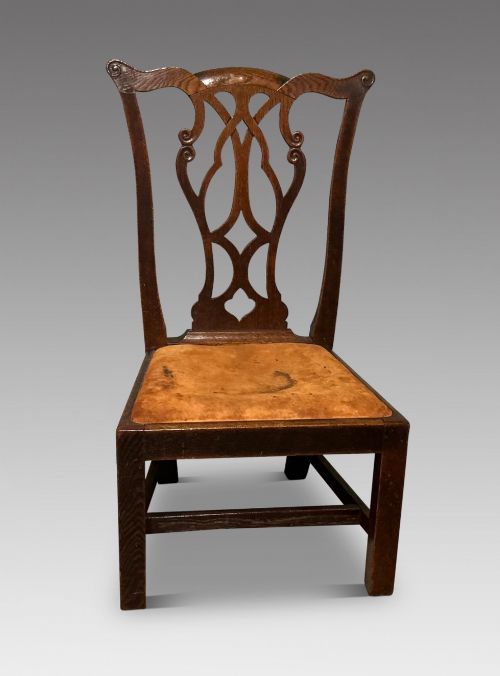
Mahogany, oak, walnut and ash dominate the forms, frequently paired with leather, fabric or cane inserts. Revival influences such as Chippendale style, Sheraton revival and Gothic revival appear alongside vernacular country pieces.
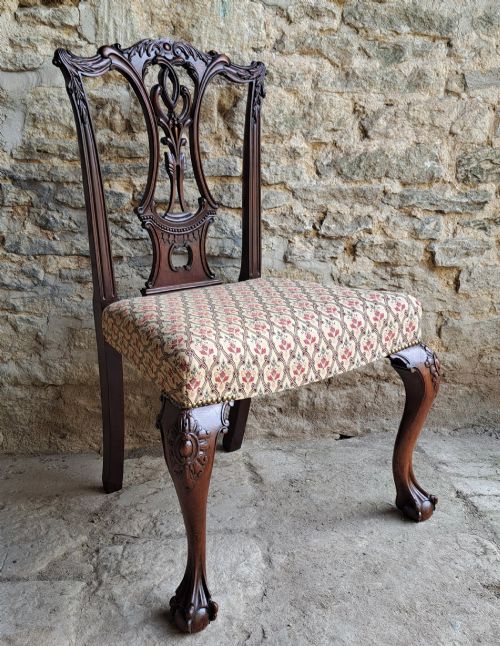
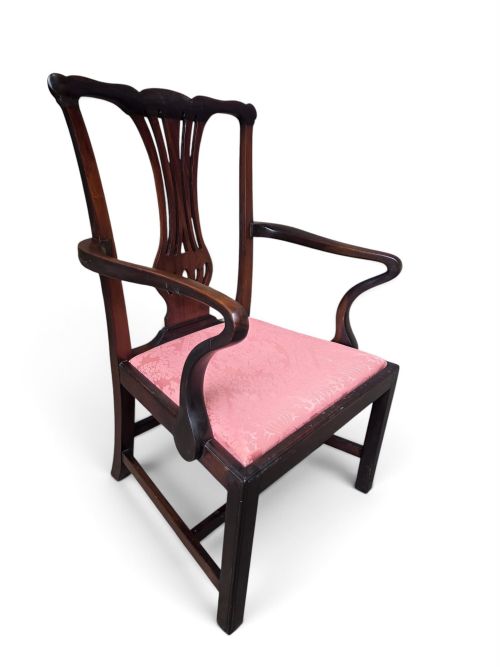
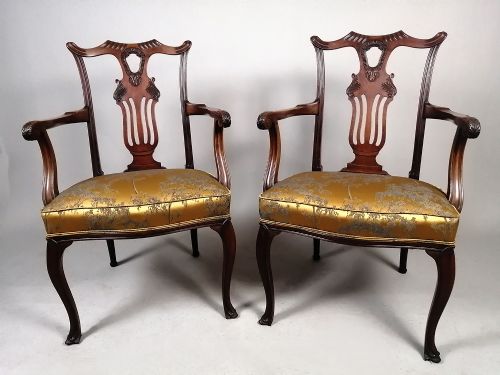
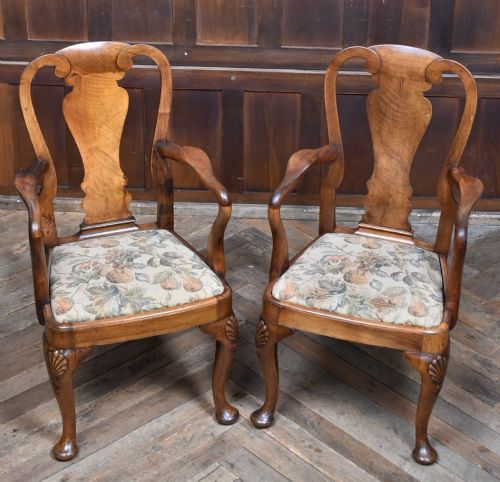
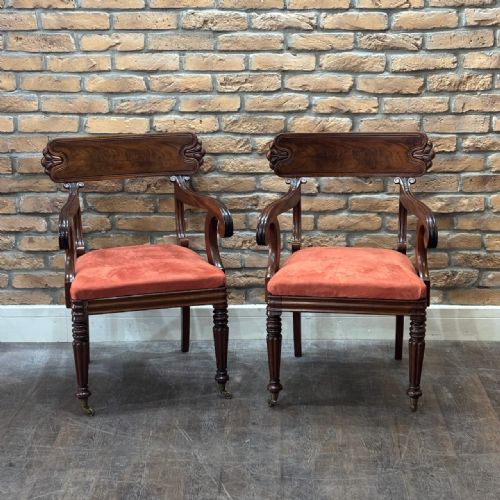
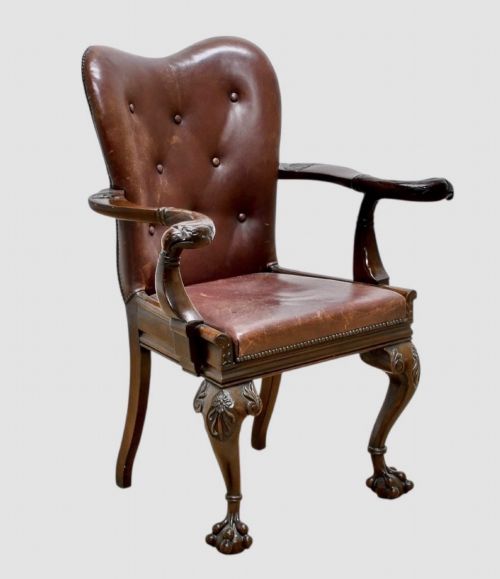
The most common examples on this page are mahogany open armchairs and library chairs dating from the mid to late nineteenth century. These pieces combine utilitarian seating requirements with period carving and turnery.
How they were made
Cabinetmakers utilised dense timbers including Cuban mahogany, English oak and American walnut for structural frames. Turned legs, scroll arms and carved splats required seasoned hardwoods capable of withstanding daily movement.
Upholstered versions relied on horsehair stuffing secured beneath leather, velvet or fabric coverings using brass tacks. Windsor and country variations combined ash and elm components, often steam-bent for curved backs.
Gossip chairs provided a perch for early telephone conversations before wall-mounted handsets became standard.
What varies in quality
The grade of timber selection and depth of hand-carving separate standard utility seating from high-end library chairs. Crisp detailing on scroll arms and pierced splats indicates skilled workshop execution.
Structural integrity depends on the original joinery, particularly where back legs meet the seat frame. Fine examples retain their supportive rigidity without excessive later reinforcement.
Gillows·Bruce James Talbert·Gill and Reigate·Shoolbred·Thomas Chippendale
The Victorian Style Desk Chair Glossary
- Carver chair
- An armchair designed with open sides to accommodate voluminous period clothing. These frequently served as desk or library seating.
- Chippendale style
- A decorative revival drawing on eighteenth-century cabinetmaking patterns. It is recognised by interlaced splats and carved cabriole legs.
- Windsor chair
- A wooden seating form constructed with a solid elm seat into which legs and spindles are wedged. These display notable vernacular craftsmanship.
- Spindleback
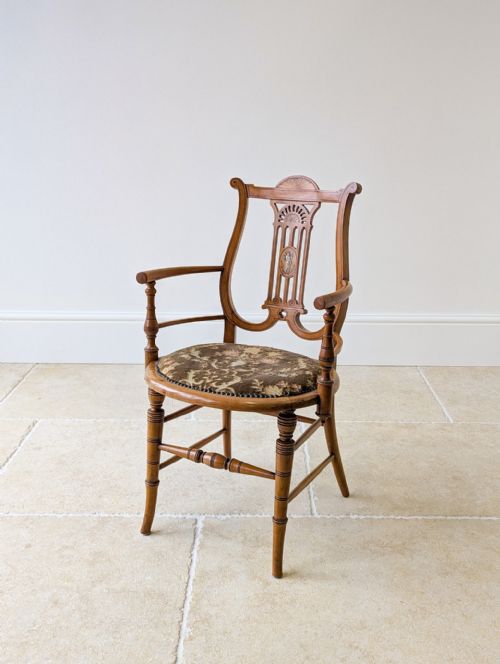
- A chair back composed of vertical turned wooden rods. This style provides light structural support in country and domestic seating.
- Rise and fall
- A mechanical desk chair mechanism allowing height adjustment. These typically date from the Edwardian period onwards.
Victorian Style Desk Chair: Frequently Asked Questions
How do I identify a genuine period desk chair?
Examine the timber shrinkage, joinery methods and wear patterns around the foot rest and arm terminals. Period pieces exhibit hand-cut joints and timber patination built up over decades of use.
Later revival pieces often display machine tooling marks and uniform finishes that lack the depth of nineteenth-century surfaces.
Were these chairs originally used at desks?
Many nineteenth-century library and armchair designs served dual purposes for reading, writing and general study. Lower seat heights and open arms accommodated the heavy clothing worn during the period.
Purpose-built office variants with swivel bases and rise-and-fall mechanisms emerged towards the end of the Victorian era.
What is the difference between an armchair and a carver?
Carvers generally feature open arms integrated into the structural frame, originally intended for the head of a dining table or a desk. Library armchairs are typically wider and deeper, designed for relaxed reading rather than upright writing.
Both forms utilise the same timber vocabulary and regional revival styles seen across nineteenth-century seating.
How should I care for antique leather and wood?
Feed dry leather surfaces with appropriate conservation balms to maintain flexibility and prevent cracking along the creases. Avoid placing timber frames near direct heat sources that can dry out nineteenth-century mahogany and oak.
Regular dusting with a dry cloth protects the wax polish and preserves the underlying patina.