



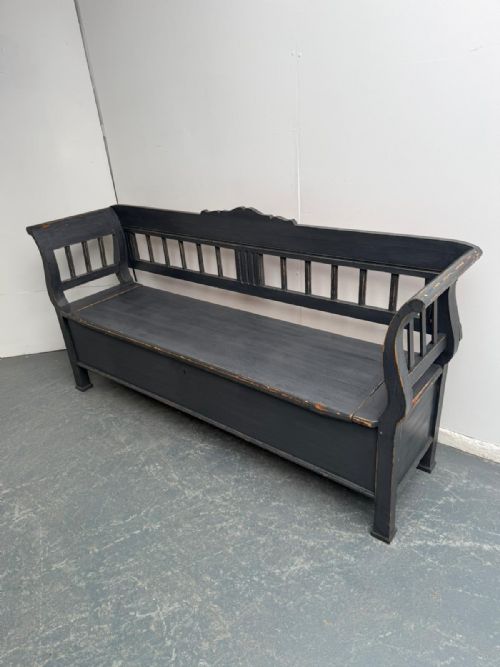

Victorian Storage Settle
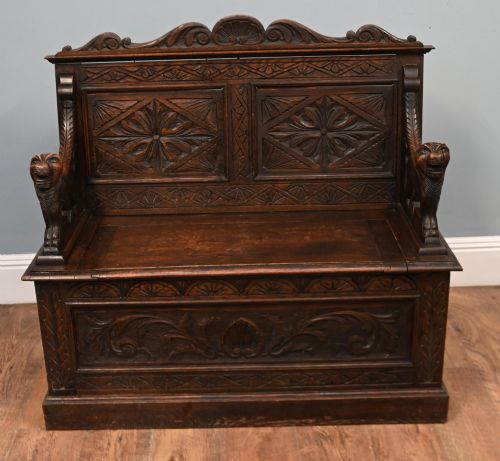
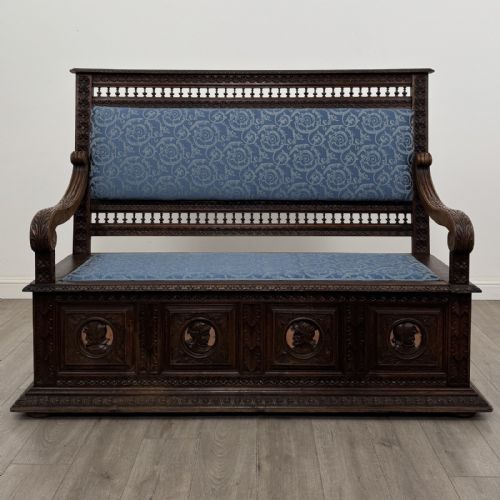
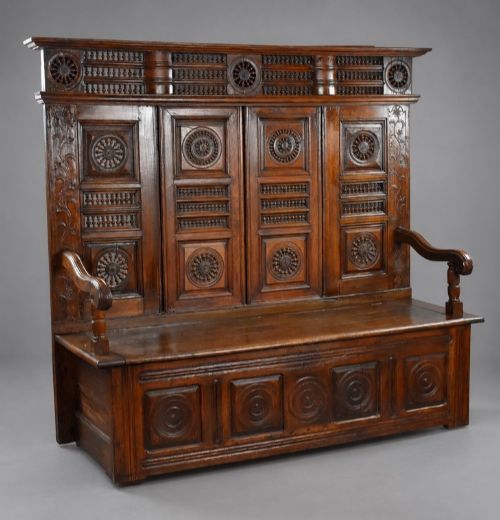
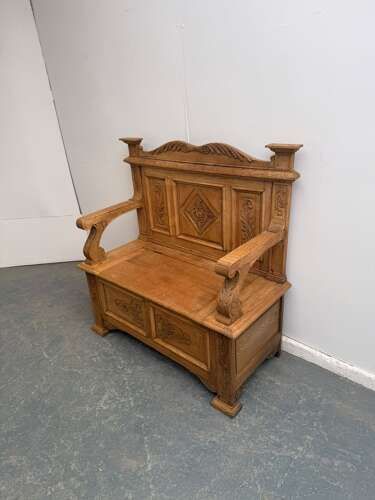
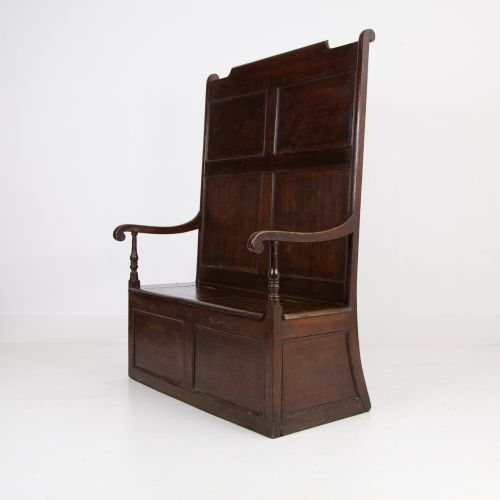
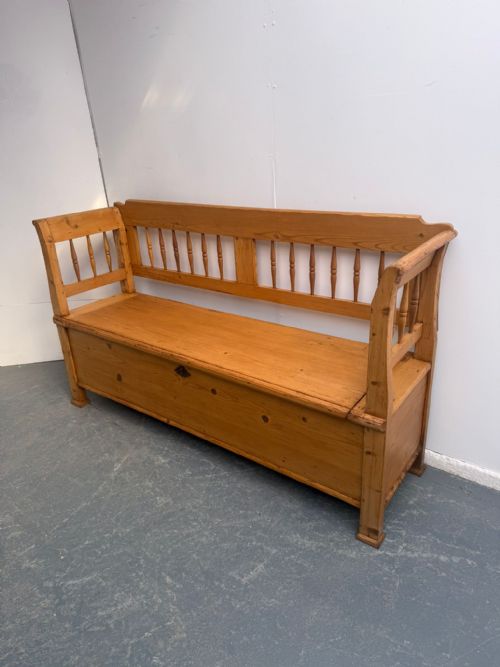
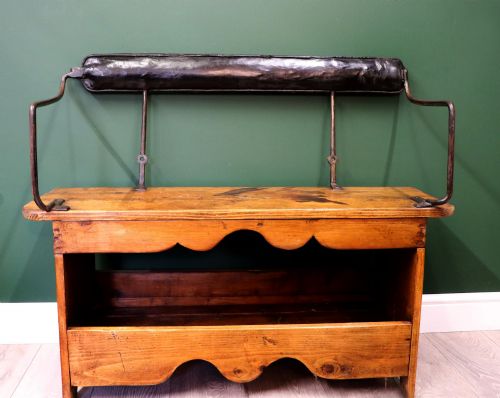
These robust victorian storage settle pieces combine generous seating with concealed compartment space, offering both a practical hallway fixture and a striking period statement.
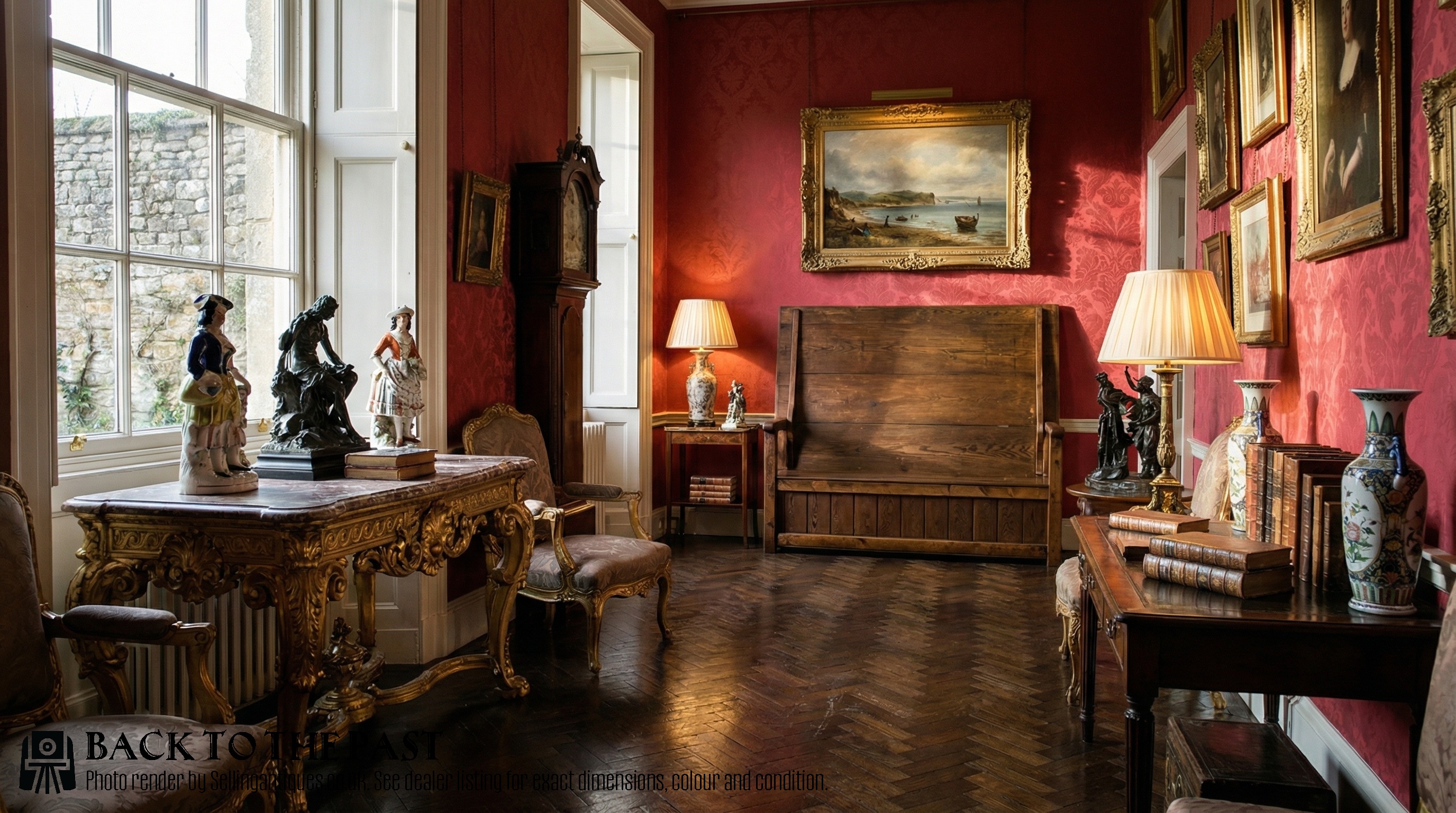
Victorian Storage Settle
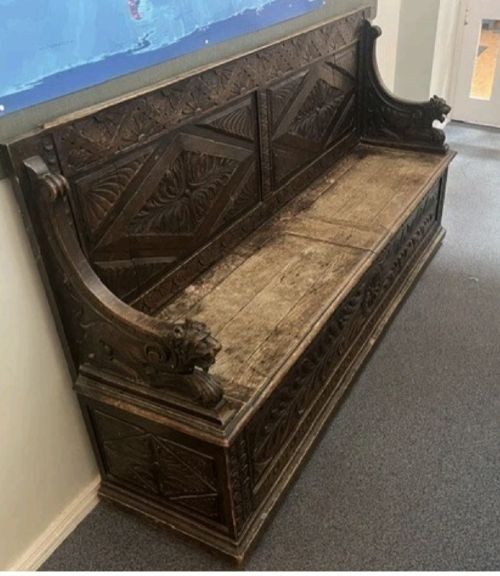
A victorian storage settle provides dual utility as an entranceway seat and a hidden container for household items, appearing frequently in robust oak or painted pine. These forms serve as primary hallway furniture, often featuring high backs and hinged lids over box bases.
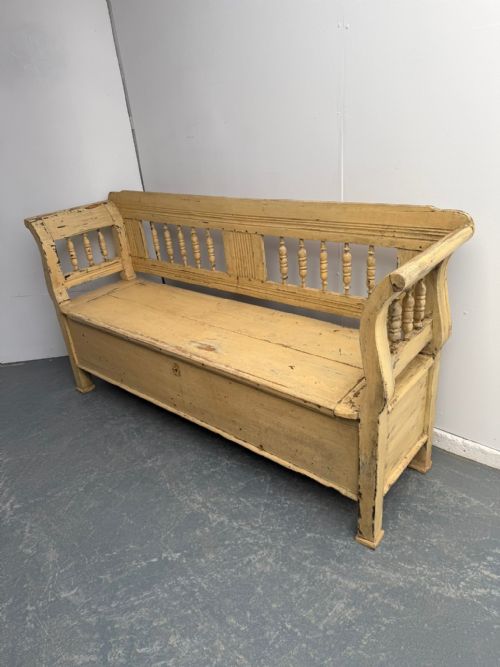
The inventory encompasses regional variations including Hungarian pine three-seater benches alongside British carved oak pieces from the nineteenth century. Buyers encounter formats ranging from simple rustic country designs to elaborate gothic revival and renaissance revival examples.
Object designations overlap considerably between hall benches, monk benches, and box settles. The defining characteristic across these types remains the integrated storage compartment positioned directly beneath the seat.
Materials and Construction
Makers relied predominantly on solid timber construction, selecting durable domestic oak, elm, walnut, and pine to withstand daily hallway use. Joinery techniques involved traditional framing, tongue and groove paneling, and sturdy hinged mechanisms for the lift-up seats.
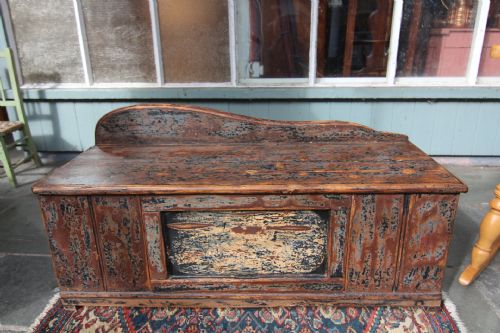
Surface treatments varied from waxed natural finishes that highlight the grain to original or later applied paint schemes in grey, blue, black, and cream. Iron and brass hardware such as hinges and brackets provided functional reinforcement and decorative contrast.
Victorian Storage Settle Retail Price Guide 2026
Typical asking prices for victorian storage settle among the pieces listed under this phrase on Sellingantiques today, from the lower quarter to the upper quarter. They describe what is for sale here now, not the wider market.
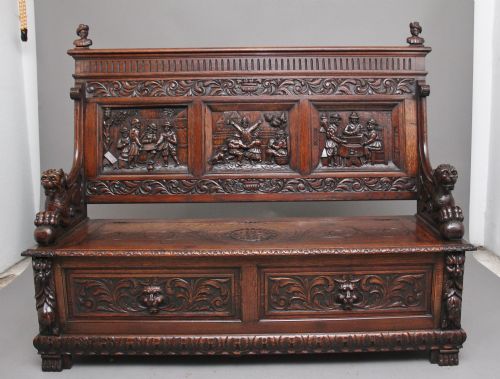
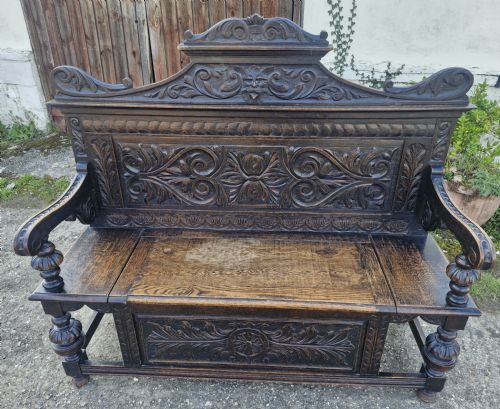
Some nineteenth-century examples incorporate fierce carved green men peering out from the woodwork to guard the hallway.
Assessing Craftsmanship
The depth and crispness of hand-carved ornamentation separate standard utility pieces from high-status commissions. Carvings incorporating figural motifs like green men or intricate tracery demand superior woodworking skill compared to plain panel work.
Material selection and timber figuring dictate overall prestige, moving from straightforward pine utility benches to figured walnut or richly grained quarter-sawn oak. Original surface treatments and intact structural integrity elevate a piece above heavily restored alternatives.
Hampton & Son's
The Victorian Storage Settle Glossary
- Settle
- A wooden bench with a high back, solid arms, and a box base designed for storage beneath the seat. This form protected sitters from draughts in entrance halls.
- Monk's bench
- A convertible form featuring a pivoting back that folds down to create a table top above the storage box. These versatile items served dual purposes in period interiors.
- Bacon settle
- A tall piece incorporating ventilated upper compartments historically used for curing and storing meat. They represent a specialised development of the standard storage bench.
- Box settle
- A seating unit utilising the enclosed base beneath the squab or wooden seat for utility storage. Hinged lift-up lids provide direct access to the interior cavity.
- Gothic Revival
- A design movement reviving medieval architectural motifs such as pointed arches, linenfold paneling, and tracery. This style heavily influenced nineteenth-century seating ornamentation.
Victorian Storage Settle: Frequently Asked Questions
What is a storage settle?
A storage settle is a traditional wooden bench featuring a high back and a concealed compartment beneath the seat. These pieces were historically placed in hallways to store outdoor wear and block draughts.
They combine seating with practical containment, utilising a hinged lid for easy access to the box base. The form ranges from plain pine country examples to heavily carved oak revival pieces.
How do I use a settle today?
These pieces function ideally in entryways, boot rooms, and large kitchens where both seating and enclosed storage prove useful. The internal compartment accommodates shoes, blankets, or household items.
Picturing the settle against a hallway wall helps determine scale, as the high backs require adequate vertical clearance. Cushions placed on the wooden seat enhance comfort for daily use.
How do I date a Victorian settle?
Dating relies on examining timber characteristics, construction methods, and stylistic revival motifs typical of the nineteenth century. Tool marks, hardware types, and the wear patterns on the wood provide clues to age.
Nineteenth-century examples often exhibit machine-sawn elements combined with hand finishing, while specific revival styles point to particular decades within the Victorian era.
Are painted finishes original?
Many pine examples feature original or early painted surfaces in colours such as grey, blue, or cream. Distinguishing between period paint and later decoration requires inspecting craquelure, wear patterns, and pigment composition.
Unpainted pieces typically display waxed oak, elm, or walnut grain, which reflects another common nineteenth-century aesthetic preference for domestic hardwoods.