


Victorian Sterling Silver Pot
When you search for a victorian sterling silver pot, you enter a diverse world of dining table accessories and dressing table vessels.
Victorian Sterling Silver Pot
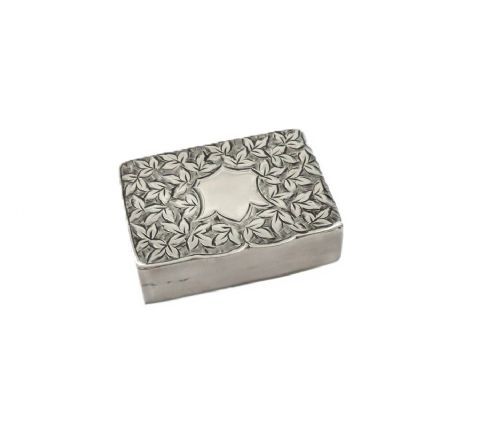
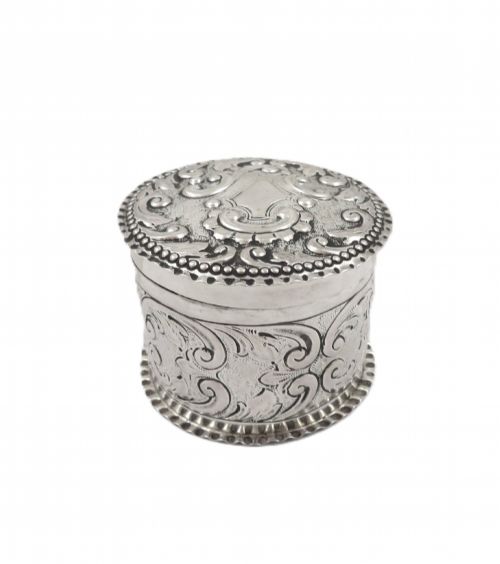
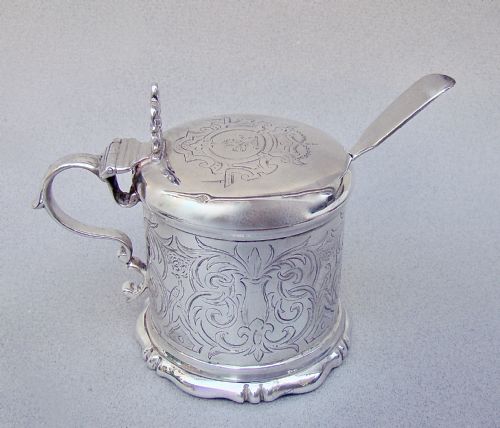
A victorian sterling silver pot encompasses an array of practical and decorative containers, most commonly mustard pots, pepper pots, tea and coffee pots, vanity pots, and cruet sets. The selection spans the Victorian and Edwardian eras, reaching back into Georgian revivals and forward into early twentieth-century designs.
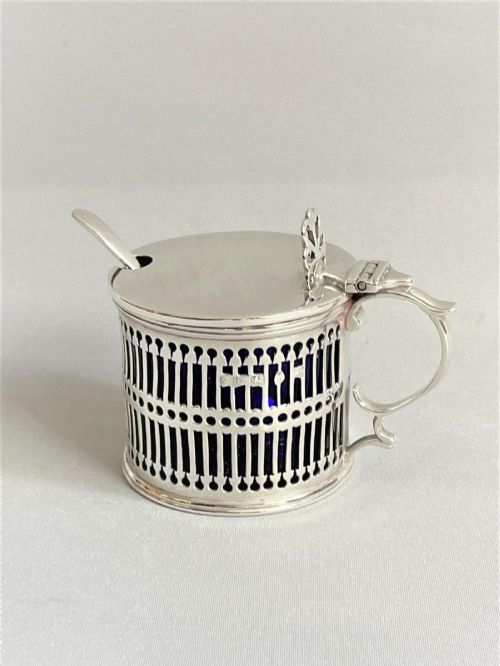
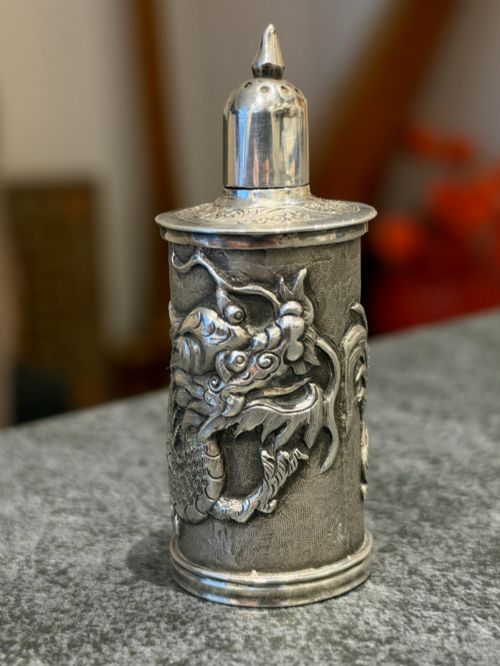
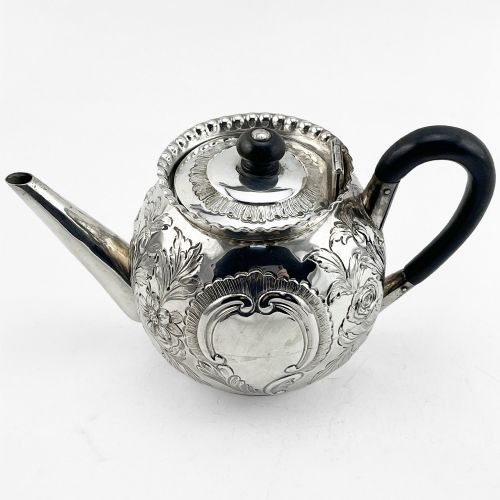
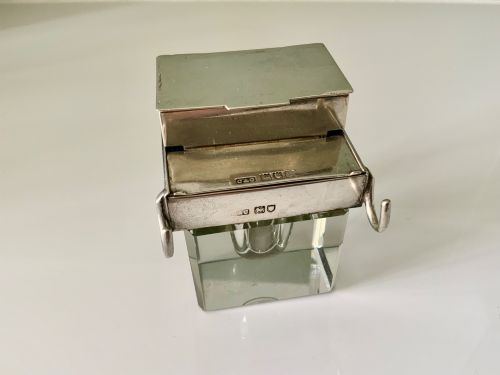
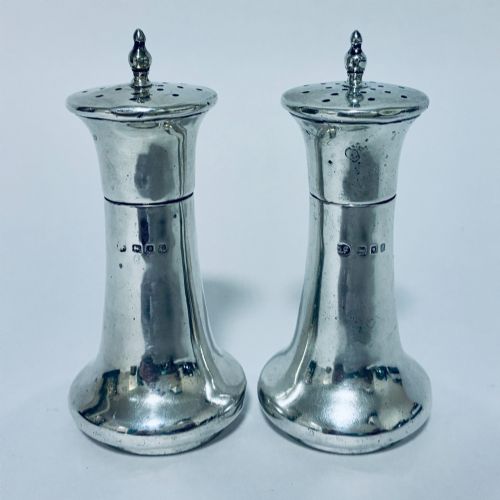
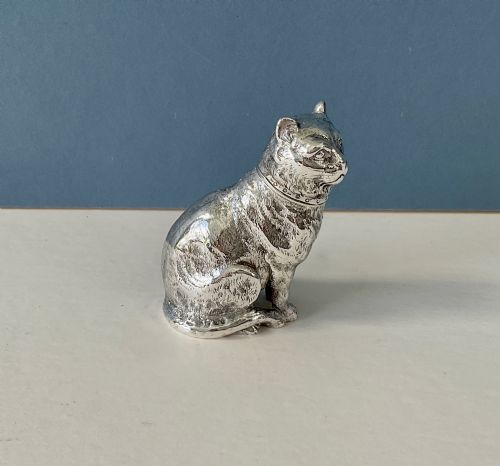
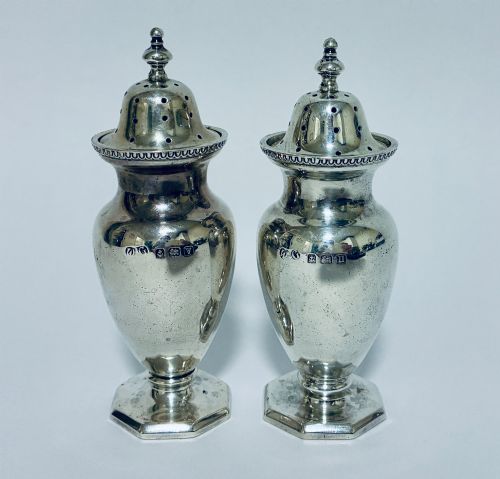
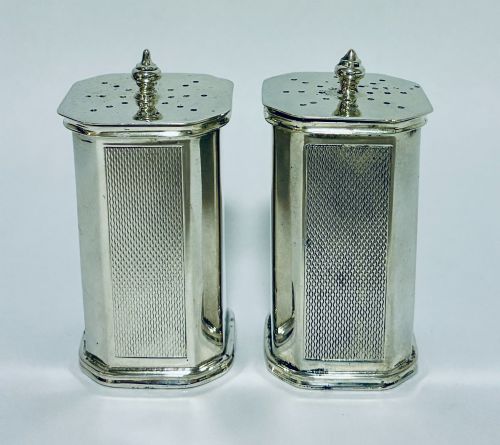
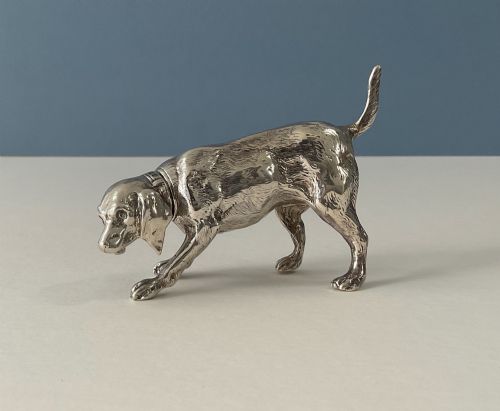
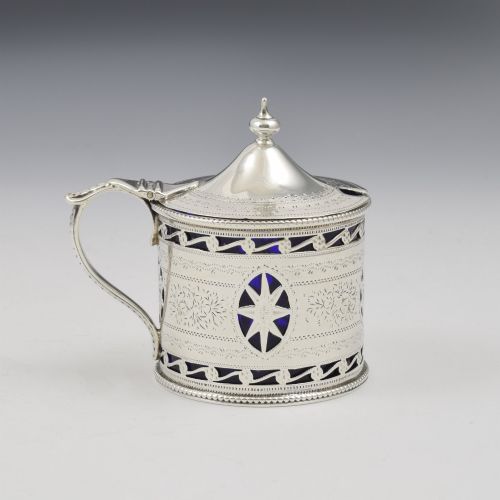
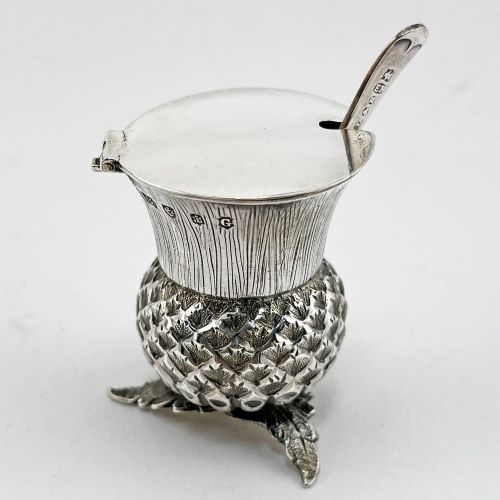
Tableware forms dominate the records, with mustard pots featuring pierced sides and coloured glass liners sitting alongside pepperettes shaped as animals, birds, and novelty figures. Larger beverage vessels such as bachelor teapots and coffee pots appear frequently, alongside small vanity pots, pill boxes, and inkwells.
Makers utilised various regional assay offices in London, Exeter, and beyond to hallmark their creations, often working in recognised styles like Victorian Novelty and Georgian Revival. Buyers encounter both matched pairs and single pieces, each reflecting the domestic habits of nineteenth and early twentieth-century households.
Materials and Technique
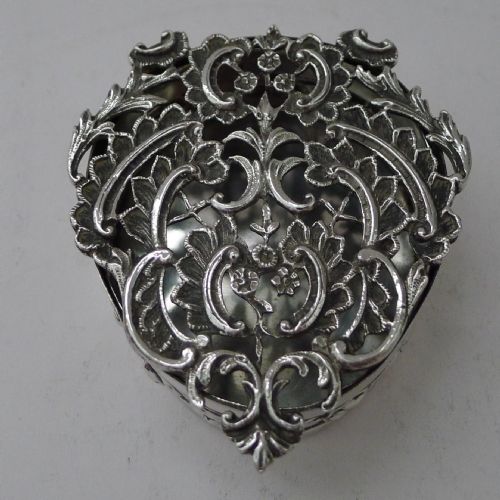
Silversmiths constructed these vessels primarily from sterling silver, employing techniques such as piercing, casting, and repoussé work to achieve intricate decorative surfaces. Many mustard pots and condiment containers incorporate fitted liners made from cobalt glass, ruby red glass, or plain cut glass.
Makers combined silver mounts with contrasting elements like ebonised wood handles on teapots, velvet linings in pill boxes, and interior glass bottles for cruet sets. Structural components were soldered and hand-finished, while novelty pepper pots relied on detailed casting to shape animals, birds, and grotesque figures.
Victorian Sterling Silver Pot Retail Price Guide 2026
Typical asking prices for victorian sterling silver pot among the pieces listed under this phrase on Sellingantiques today, from the lower quarter to the upper quarter. They describe what is for sale here now, not the wider market.
Dining tables gained personality through silver pots shaped as cheerful chicks, waddling ducks, and champagne corks.
Craftsmanship and Distinction
The standard of a victorian sterling silver pot depends on the crispness of its casting, the weight of the metal, and the intricacy of any pierced or chased ornamentation. Master silversmiths achieved deeper relief and more precise detailing on novelty pieces and presentation items.
Preservation of original components, such as matching glass liners, blue glass inserts, and fitted presentation cases, elevates individual pieces. Pieces bearing clear hallmarks from notable makers command greater interest than unmarked or heavily worn examples.
Frederick Brasted·Nathan & Hayes·Charles & George Fox·William Comyns·Sampson Mordan·Charles Stuart Harris
The Victorian Sterling Silver Pot Glossary
- Sterling Silver
- An alloy consisting of 92.5 percent silver and 7.5 percent other metals, typically copper. This standard composition has defined British silver standards for centuries.
- Pepperette
- A small shaker or pot designed specifically for dispensing ground pepper at the table. These often take the form of simple cylinders or elaborate animal novelties.
- Cruet Set
- A matched collection of bottles or pots for holding condiments like oil, vinegar, mustard, and pepper. They usually sit within a dedicated silver frame or stand.
- Repoussé
- A metalworking technique where the silversmith hammers the design from the reverse side to form a raised pattern in relief. This method creates decorative floral and hunting scenes on pots and vanity boxes.
- Hallmark
- A series of official marks stamped on precious metals indicating the maker, assay office, purity, and year of production. These stamps provide a definitive record of origin.
Victorian Sterling Silver Pot: Frequently Asked Questions
What is a Victorian mustard pot?
A Victorian mustard pot is a small lidded vessel used for serving prepared mustard at the dining table, typically fitted with a coloured glass liner and a matching spoon.
These pieces often feature pierced silver walls that showcase the contrasting glass within, and they frequently form part of larger condiment sets.
How were novelty pepper pots used?
Novelty pepper pots functioned as both table condiments and conversation pieces, shaped as animals, birds, or human figures with perforated heads for shaking.
Victorian dining customs favoured elaborate tablewares that displayed wit and craftsmanship, making these figurative pots popular additions to formal dinners.
What is a vanity pot?
A vanity pot is a small lidded container kept on a dressing table or vanity to hold cosmetics, pins, or trinkets.
These jars usually combine a heavy sterling silver lid, often decorated with embossed scenes or monograms, with a cut glass or silver base.
How do I identify the date of a silver pot?
The date of a silver pot is identified by reading the assay office marks and the date letter stamped into the metal.
British silver includes a specific letter stamp for each year, alongside symbols for the town of testing and the maker's registered mark.
Did Victorians use glass liners in silver pots?
Victorians used glass liners inside open silver mustard pots and condiment containers to protect the metal from the corrosive effects of mustard and vinegar.
These liners were usually made of cobalt blue or ruby red glass and slid easily inside the pierced silver body.