


Victorian Sterling Silver Peppers
Victorian sterling silver peppers are spirited tabletop condiments crafted to season nineteenth-century meals with character and substance.
Victorian Sterling Silver Peppers
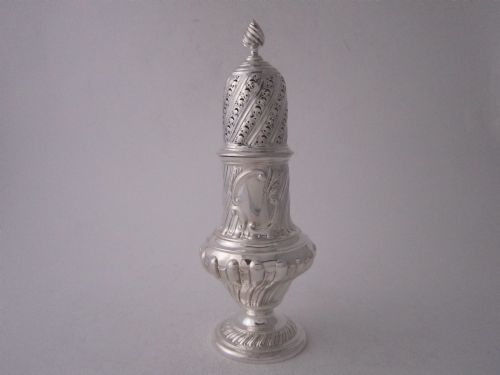
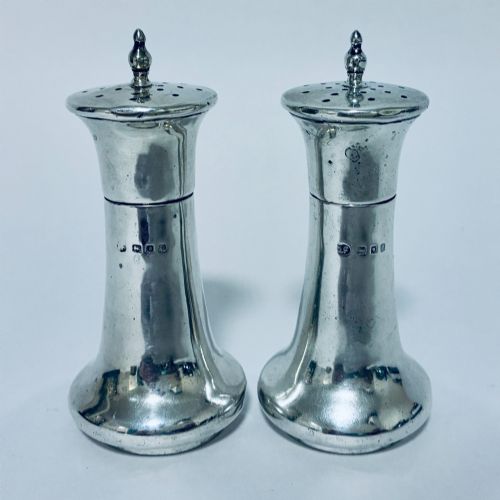
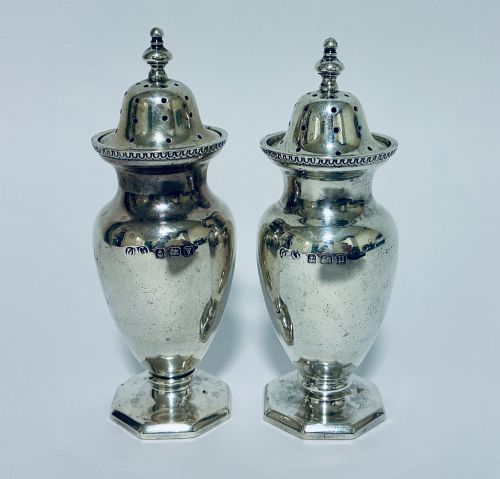
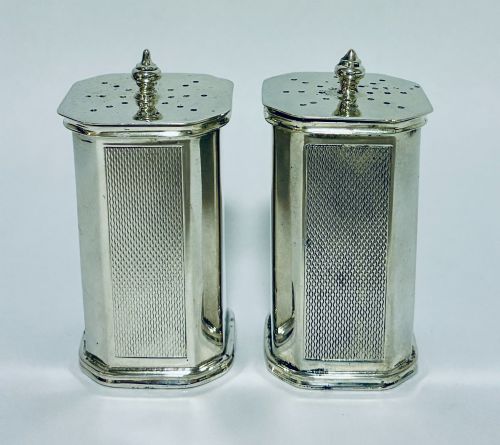
When you search for Victorian sterling silver peppers, you meet everything from straightforward cast pots to whimsical animal forms. The examples on this page span straightforward pepperettes, matched pairs, and elaborate condiment sets.
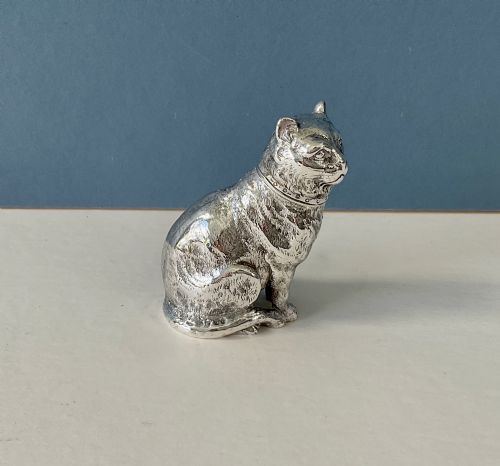
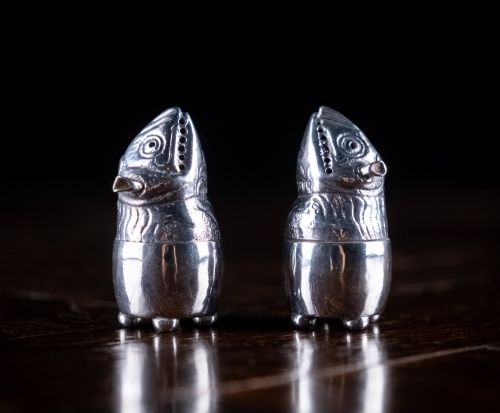
Novelty pieces dominate the imagination, featuring birds, cats, and grotesque figures alongside classic casters and grinders. Most items date from the latter half of the nineteenth century, reflecting the era's fondness for decorative dining table accessories.
Cruet sets and bottled frames also appear, housing silver pots alongside glass elements for a comprehensive dining arrangement. Buyers encounter both single collector pieces and boxed pairs intended originally as gifts.
Materials and Construction
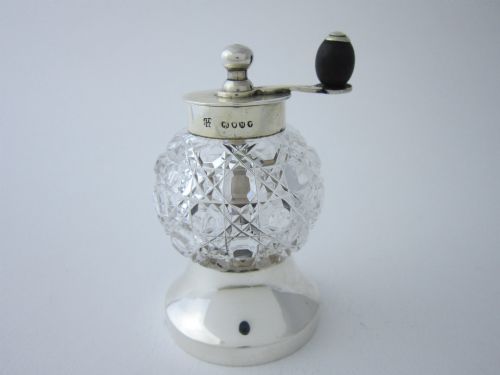
Silversmiths shaped these items using sterling silver, frequently combining the metal with cut glass bodies for pepper grinders and cruet bottles. Some pieces incorporate internal steel mechanisms for grinding, while others utilise simple pierced lids for shaking.
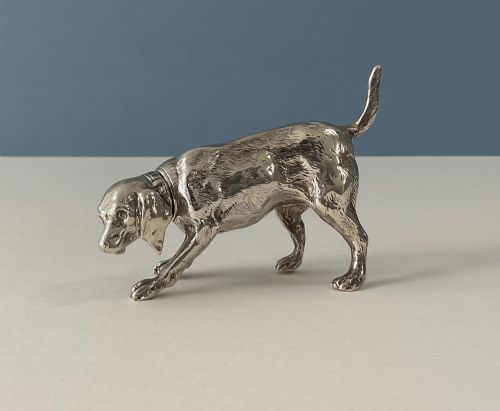
Casting and chasing techniques allowed makers to render intricate details on figural subjects like owls, dogs, and human characters. Hallmarks stamped directly into the metal record the assay office, year, and maker responsible for the piece.
Listings feature items paired with cut glass bodies and wooden elements alongside solid sterling silver.
Quality and Distinction
The distinction between ordinary condiment pots and exceptional works lies in the crispness of the chased detail and the originality of the design. Figural novelty peppers demand superior craftsmanship to give lifelike expression to creatures such as cockatoos and cats.
Completeness alters the standing of a piece, particularly when boxed pairs or four-bottle cruet sets retain their original presentation cases. The legibility of the silver hallmarks further elevates an item, confirming its exact date and London or provincial origin.
Frederick Brasted·Sampson Mordan·Charles Stuart Harris·Thomas Johnson
The Victorian Sterling Silver Peppers Glossary
- Sterling silver
- An alloy consisting of 92.5 percent silver by mass, forming the primary material for these dining accessories.
- Pepperette
- A small vessel designed specifically for dispensing ground pepper onto food at the table.
- Caster
- A container with a pierced dome top used for sprinkling sugar or spices.
- Cruet set
- A matched collection of glass bottles or silver pots holding condiments, fitted into a frame.
- Novelty pepper
- A condiment pot shaped to represent an animal, human figure, or whimsical object rather than a traditional vessel.
Victorian Sterling Silver Peppers: Frequently Asked Questions
How do I clean antique silver peppers?
Clean these items gently using a soft cloth and specialised silver polish, avoiding harsh abrasives that might wear away fine chased details. Rinse and dry thoroughly to protect any integrated glass or steel components.
Store the pieces in dry conditions, particularly if they feature velvet linings or presentation cases susceptible to dampness.
What is a novelty pepper pot?
A novelty pepper pot is a condiment container moulded into the likeness of an animal, such as an owl or chick, or a character like Mr Punch. These playful designs became extremely popular during the Victorian period.
Makers employed skilled casting techniques to turn functional tableware into conversation pieces for the dining table.
How can I date my silver pepper?
Examine the hallmarks stamped onto the exterior or base of the silver, which typically include a date letter, a lion passant indicating sterling standard, and a maker mark. These symbols correspond to specific assay office records and years of production.
Stylistic cues, such as Victorian aesthetic preferences or Edwardian forms, help narrow down the decade when hallmarks are rubbed.