
Victorian Sterling Silver Holders
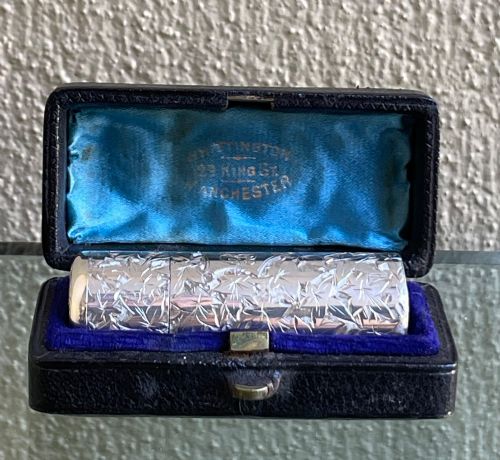
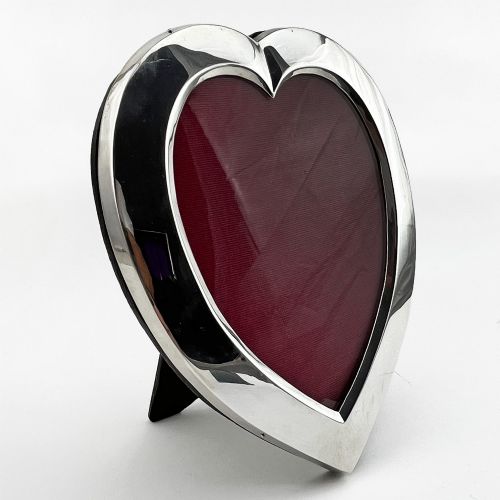
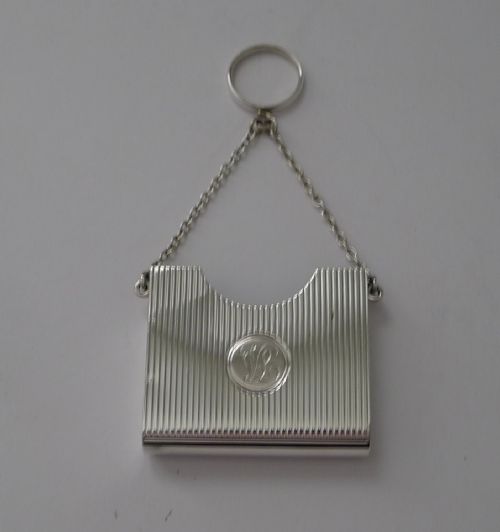
These Victorian sterling silver holders are small, functional objects of personal luxury, ranging from card cases and vesta boxes to chatelaine accessories and picture frames.

Victorian Sterling Silver Holders
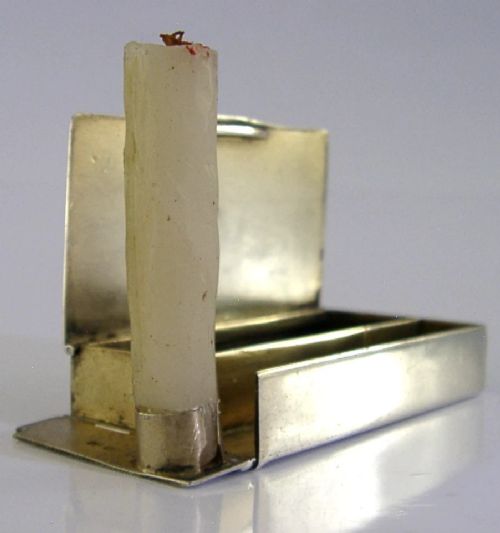
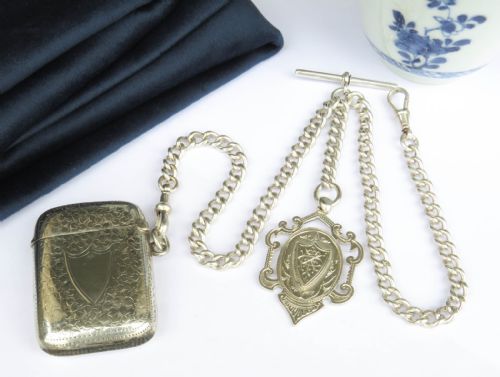
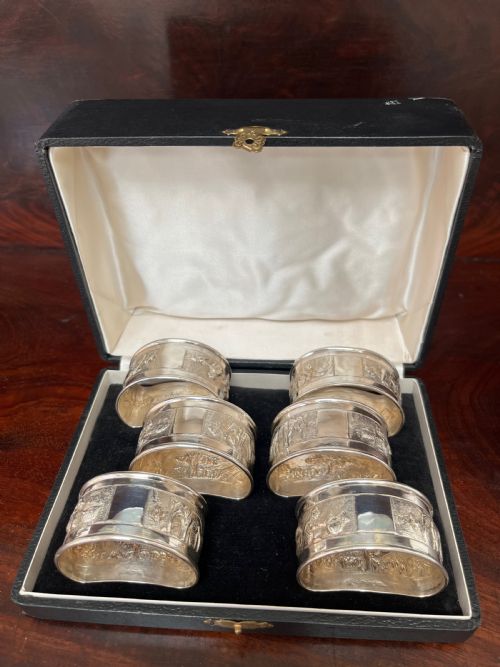
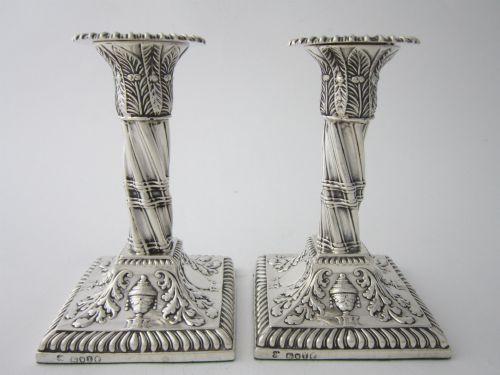
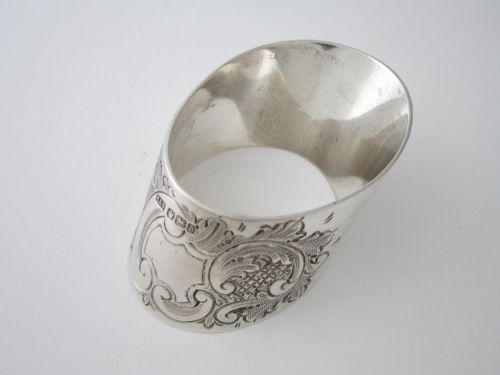
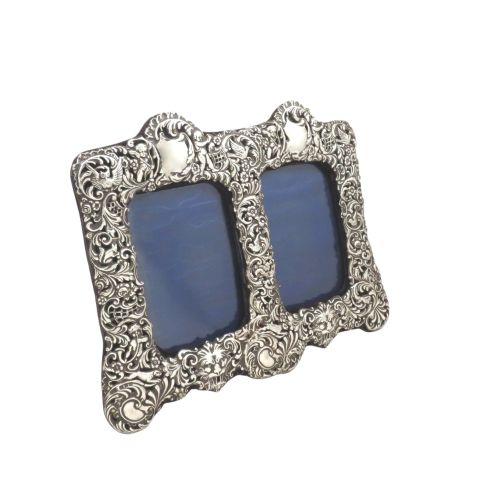
Victorian sterling silver holders encompass a diverse array of functional desk, pocket, and table objects designed to contain matches, cards, books, and photographs. When searching for victorian sterling silver holders, buyers encounter everything from structural card cases and vesta boxes to domestic napkin rings and table candlesticks.
The selections span predominantly from the nineteenth century into the Edwardian era, highlighting the heavy output of British silversmiths in towns like Birmingham and London. Domestic items such as toast racks, mustard pots, and menu holders sit alongside personal accessories intended to be carried or worn.
Materials and Craftsmanship
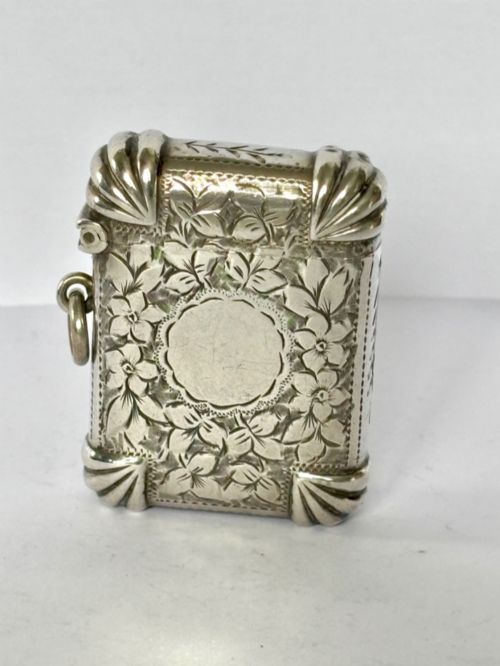
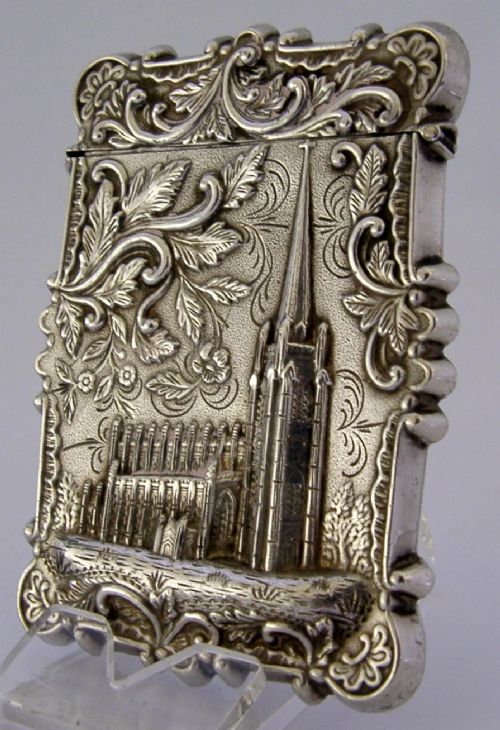
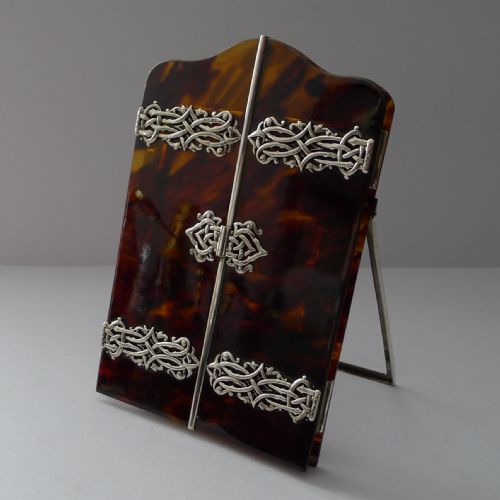
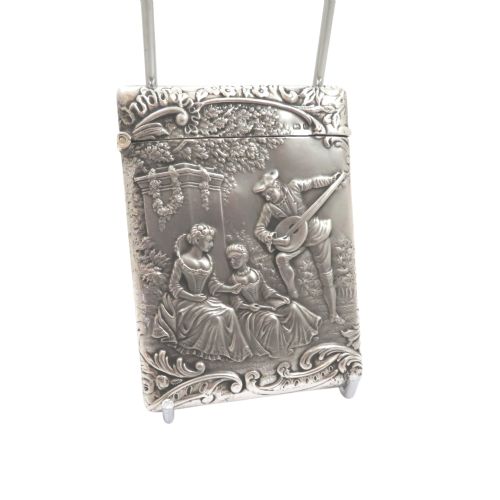
The primary material across these pieces is sterling silver, frequently manipulated through techniques like piercing, embossing, and castle top engraving to produce detailed architectural scenes. Artisans also incorporated secondary materials such as tortoiseshell, velvet, silk, leather, and glass to line or contrast with the silver body.
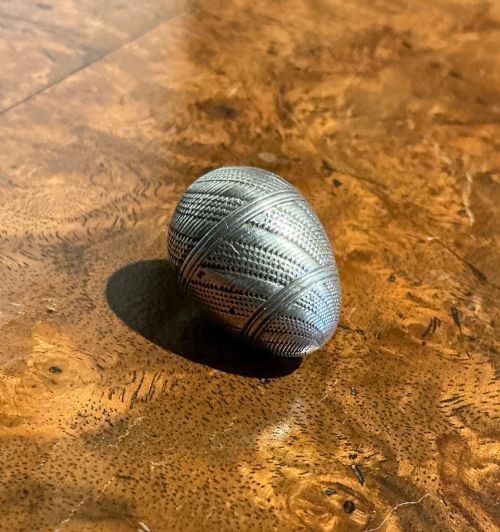
Makers utilised casting and smithing methods to shape complex novelty forms, ranging from heart shapes and egg structures to miniature buckets and Corinthian columns. Details like painted enamel and applied gilding finish off smaller items like vesta cases and scent bottles.
Listings feature items spanning the Victorian, Edwardian, and Georgian eras, executed in sterling silver, tortoiseshell, and glass.
Judging Quality and Execution
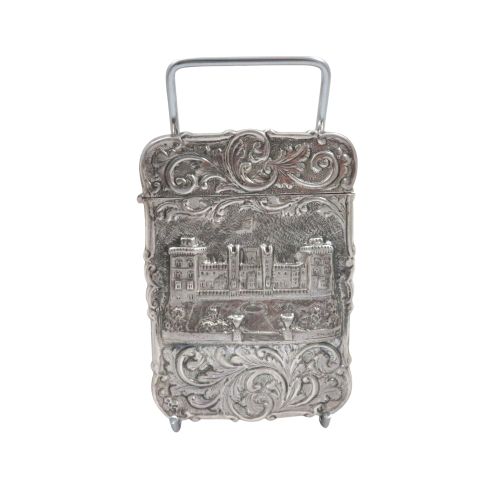
Quality rests heavily on the crispness of the chasing and engraving, particularly on castle top card cases and pictorial panels where depth defines the scene. Crisp hallmarks from recognised assay offices and makers indicate the original standard of production.
The integration of secondary elements, such as tortoiseshell mounts or enamel panels, marks the distinction between standard utility items and high-end luxury goods. Weight, gauge of silver, and structural integrity in moving parts like hinges on vesta cases also separate ordinary workshop output from master works.
EV Pledge And Son·Horton And Allday·Sampson Mordan And Co·Nathaniel Mills·George Unite·William Neale·William Comyns
The Victorian Sterling Silver Holders Glossary
- Vesta case
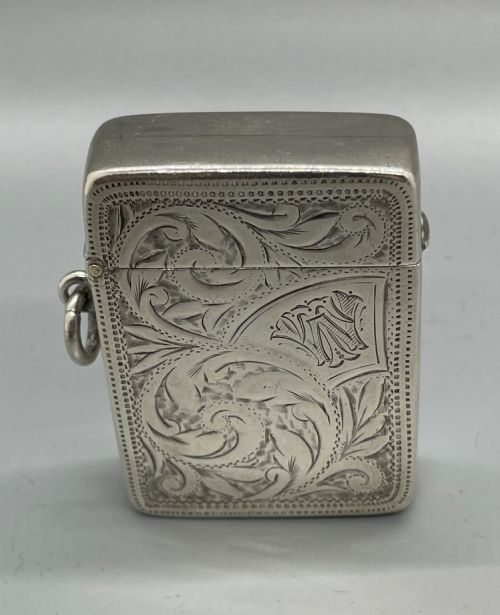
- A small pocket box designed to hold matches, typically fitted with a striking strip on the base. These containers often feature engraved patterns or figural shapes.
- Castle top
- A decorative style of engraving featuring a prominent British building or landmark, such as Windsor Castle, rendered in high relief on the face of a card case or vesta.
- Chatelaine
- A decorative belt hook worn from the waist with suspended chains to hold utilitarian items like sewing tools, needle cases, and string holders.
- Sovereign holder
- A small cylindrical or coin-shaped pocket case engineered to store and dispense gold sovereign coins securely.
- Aide memoire
- A small pocket notebook or memorandum tablet with a silver cover, often retaining its original writing surface or paper leaves and pencil.
Victorian Sterling Silver Holders: Frequently Asked Questions
What were vesta cases used for?
Vesta cases were carried in pockets or attached to chatelaines to store matches safely away from moisture and accidental friction.
They became essential personal accessories during the nineteenth century due to the rise of safety matches and widespread smoking habits.
Were chatelaine accessories meant to be worn?
Yes, chatelaines were suspended from the waist of a skirt or belt to keep everyday tools easily accessible to the wearer.
They held practical items such as memo pads, thimbles, string holders, and scent bottles in a single decorative assembly.
How are Victorian silver holders cleaned?
Silver holders should be cleaned gently with a specialist microfibre cloth and mild silver polish to avoid damaging fine engravings or delicate highlights.
Harsh dips can strip the natural patina accumulated over the decades and harm secondary materials like tortoiseshell or enamel.