



Victorian Sterling Silver Animal
These victorian sterling silver animal pieces are charming miniature works of silversmithing designed for practical use or desk display.
Victorian Sterling Silver Animal
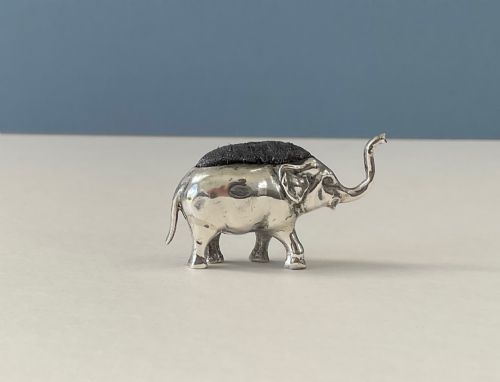
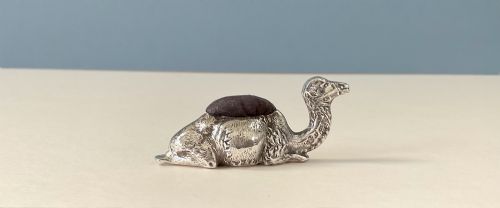
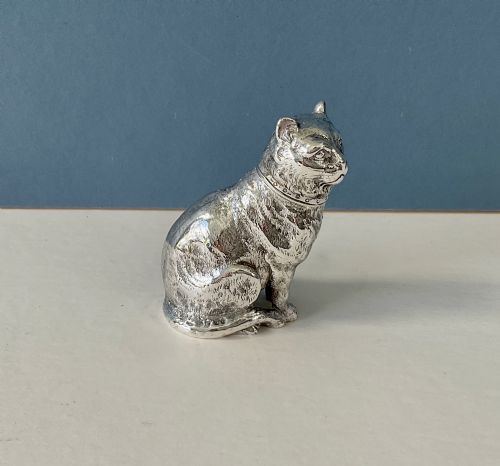
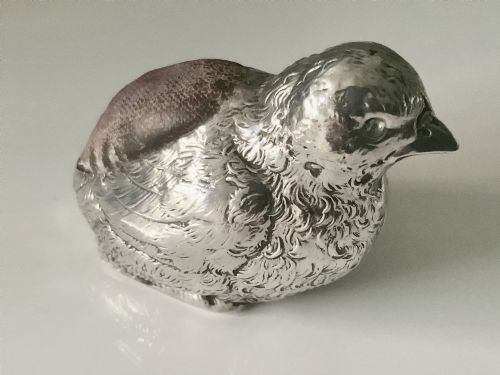
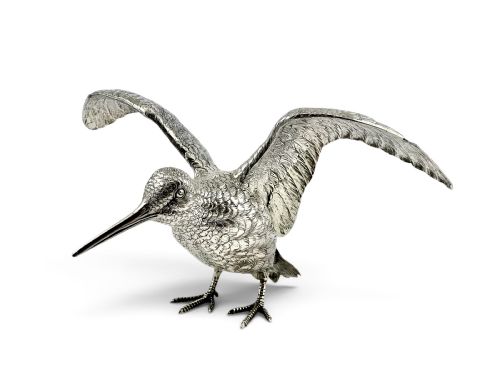
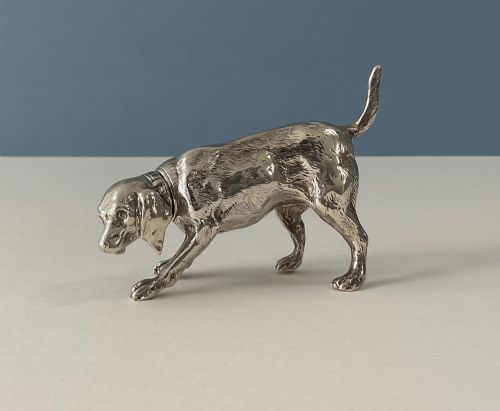
Victorian sterling silver animal objects appear in several distinct domestic forms, ranging from pin cushions shaped like camels, pigs, and birds to pepper pots and novelty figures. Pin cushions and novelty pepper pots emerge as the most frequent items on this page, often representing dogs, cats, stags, foxes, and owls.
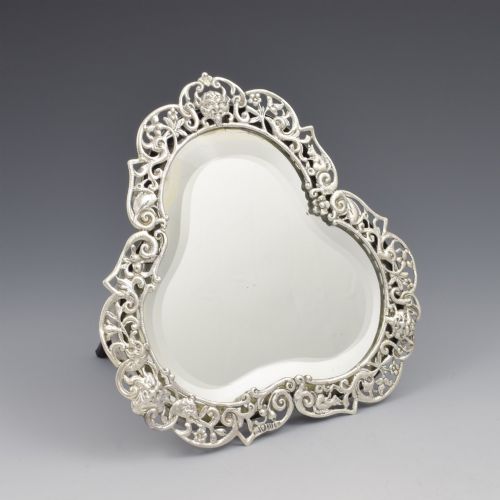
The selection extends beyond simple tablewares to include small mirrors, novelty pencils, vesta cases, scent bottles, condiment sets, and sugar boxes. These pieces span the Victorian and Edwardian periods, stretching from the mid-nineteenth century into the early twentieth century.
Makers utilised various companion materials alongside sterling silver, pairing the metal with velvet, glass, fabric, and ebonised wood. Miniature figures such as lions, ducks, pheasants, and cockerels reflect a strong Victorian appetite for naturalistic novelty.
Materials and Techniques
Silversmiths constructed these items using solid sterling silver, frequently employing casting and detailed chasing to render the anatomy and fur or feathers of each animal. Many pin cushions incorporate velvet or fabric inserts held within the silver body to secure pins safely.
Makers also combined sterling silver with blown glass in pieces like scent bottles, or mounted silver frames around ebonised wood for dressing table mirrors and novelty items. Some pieces display partial silver gilt surfaces to create tonal contrast within the design.
Victorian silversmiths apparently saw no reason why a pig or a camel should not hold your sewing pins.
Quality and Craftsmanship
The fineness of the chasing and the naturalism of the animal form separate exceptional examples from standard production pieces. Superior items display crisp feather and fur texturing, convincing postures, and well-proportioned anatomical details.
The integrity of the original components, such as intact velvet cushion inserts in pin cushions and clear hallmarks confirming date and maker, defines the standing of individual pieces within the market.
Hamilton and Co Calcutta
The Victorian Sterling Silver Animal Glossary
- Sterling silver
- A silver alloy containing 92.5 percent pure silver by mass, with the remainder composed of other metals, usually copper. This standard alloy provides the durability required for detailed domestic objects.
- Novelty piece
- An item manufactured in an amusing or unusual shape, such as an animal or a figure, rather than a traditional utilitarian form. These functional objects combine utility with playful design.
- Vesta case
- A small pocket box designed to hold wax matches, often hinged and fitted with a striking surface. Victorian versions were frequently cast in animal shapes like boars or elephants.
- Pin cushion
- A small pad stuffed with material to hold pins in readiness for sewing. Silver versions from this era often take the form of domestic or exotic animals.
- Silver gilt
- Silver that has been coated with a thin layer of gold on its surface. This technique adds warmth and protects certain interior or decorative areas from tarnishing.
Victorian Sterling Silver Animal: Frequently Asked Questions
What are victorian sterling silver animal items?
These pieces are small decorative and functional objects fashioned from sterling silver in the likeness of various creatures. They include pin cushions, pepper pots, vesta cases, and scent bottles created during the nineteenth and early twentieth centuries.
Craftsmen modelled them closely on domestic pets, farm animals, and wildlife, combining humour with high-level silversmithing skills to serve both practical and display purposes.
How were these silver animal pieces used?
Many objects served direct domestic functions, such as holding sewing pins on a dressing table or dispensing pepper at the dining table. Others, like vesta cases and novelty pencils, were carried in pockets or used on writing desks.
Their dual nature as useful household items and amusing conversation pieces made them popular gifts and collectables among Victorian and Edwardian households.
How do I identify the period of these pieces?
Dating relies primarily on hallmarks stamped directly into the silver, which record the assay office, date letter, and maker's mark. Stylistic clues, such as the heavier ornamentation of late Victorian work compared to Edwardian pieces, also help determine age.
The inclusion of specific materials like ebonised wood and velvet inserts further points toward late nineteenth and early twentieth-century manufacturing practices.
How do I care for silver pin cushions and peppers?
Maintenance involves gentle dusting and occasional cleaning with a specialist silver cloth to preserve the finish without damaging delicate chasing or original velvet inserts. Avoiding harsh chemical dips protects mixed-media elements like glass and fabric.
Storing pieces in stable environments away from high humidity prevents excessive tarnishing and preserves the structural integrity of the silver and its internal padding.