


Victorian Sterling Bowl
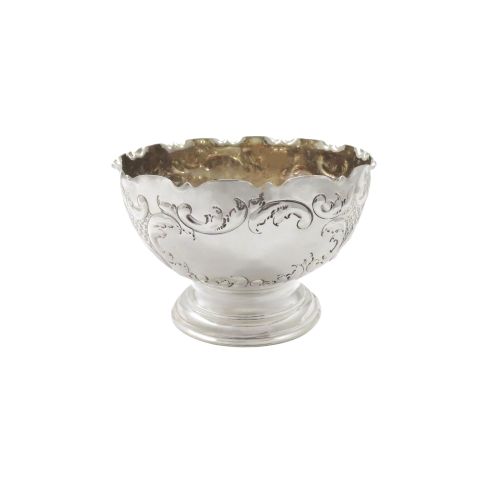
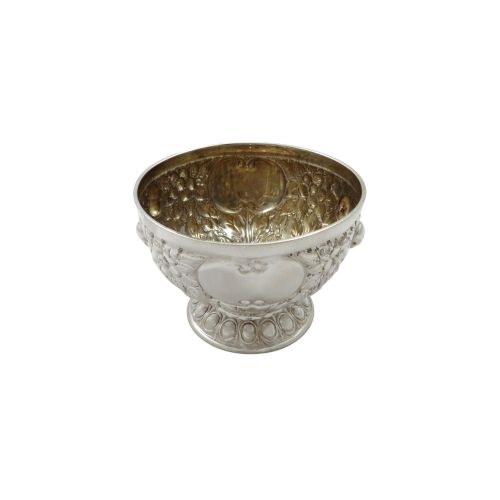
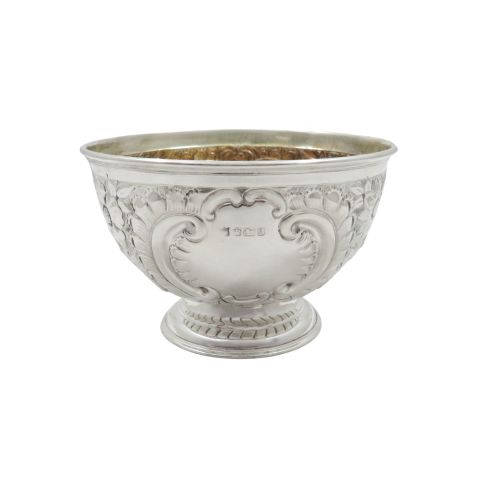
When you handle a victorian sterling bowl, you hold weighty silver shaped by nineteenth-century silversmiths for the dining table or drawing room.
Victorian Sterling Bowl
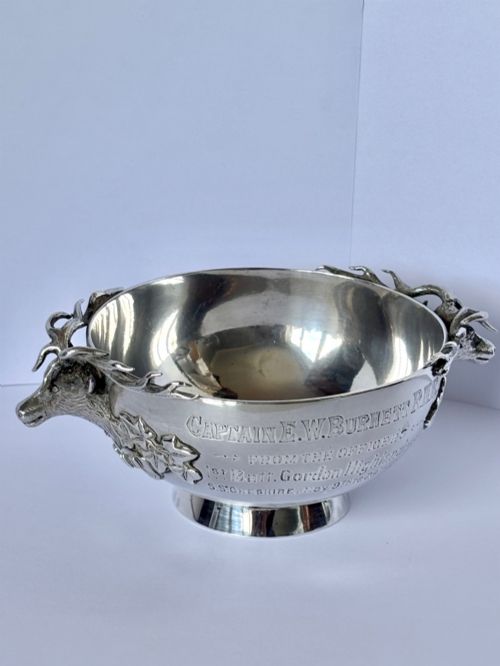
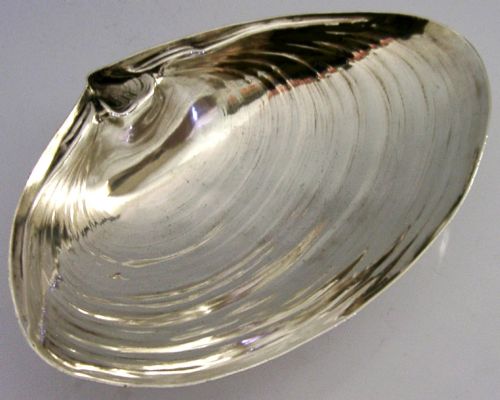
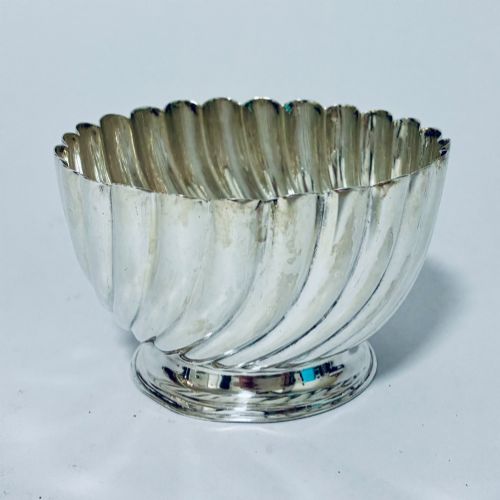
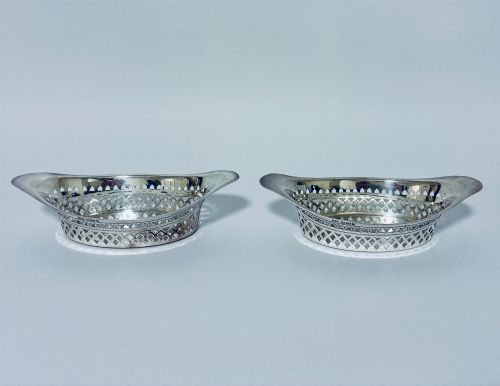
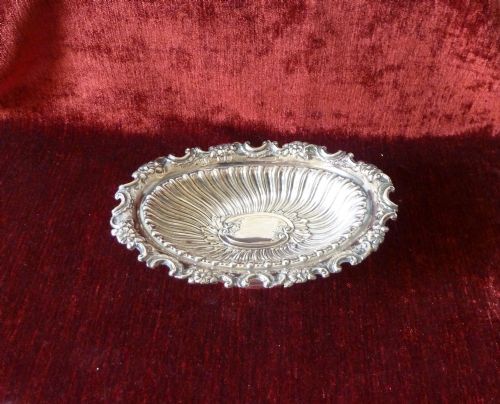
A victorian sterling bowl encompasses diverse hollowware pieces spanning from modest salt cellars and bonbon dishes to large presentation pieces and footed baskets. Many examples date from the late nineteenth century, reflecting the ornate tastes of the period.
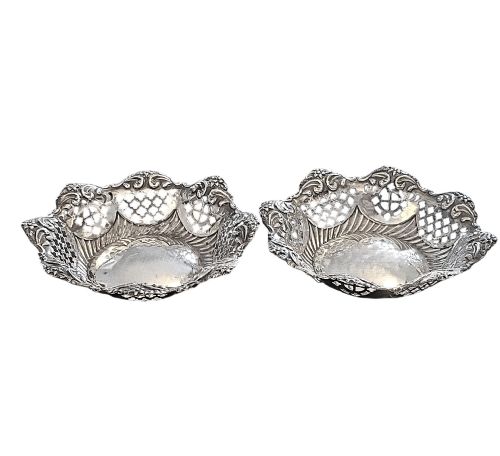
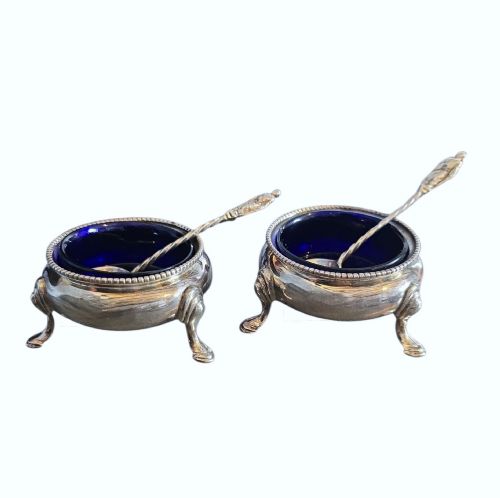
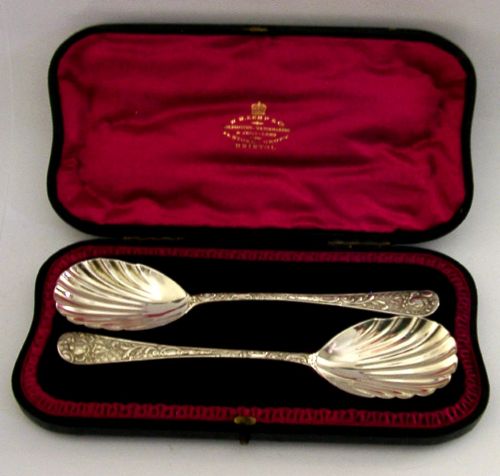
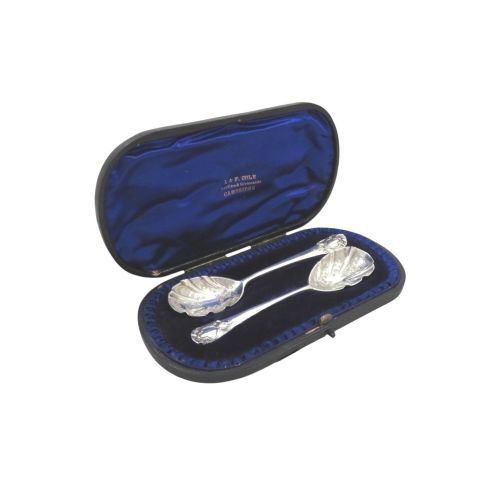
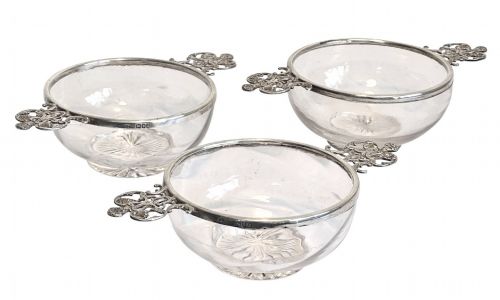
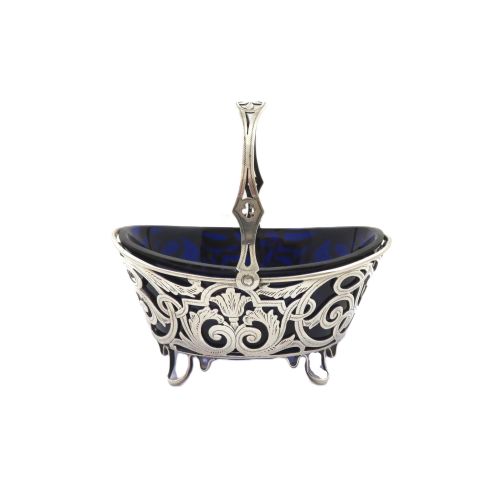
Buyers frequently encounter matched pairs, cased sets with spoons, and specialty vessels incorporating glass liners or swing handles. Forms range from simple circular vessels to pierced oval baskets and novelty shapes.
Originating largely from British assay offices, these pieces often display regional hallmarks from London, Sheffield, and Birmingham. Alongside standard domestic tableware, variations include Anglo-Indian repoussé work and French wine tasters.
Materials and technique
Silversmiths utilised sterling silver alongside supplementary materials such as cobalt glass for liners and occasionally silk, velvet, or leather within presentation cases. Metalworking techniques combined traditional hammering and casting with piercing and intricate hand-chased repoussé decoration.
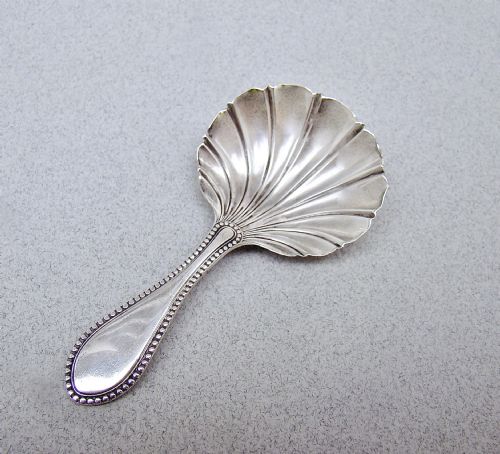
Many vessels feature applied cast handles, floral mounts, or pedestals soldered to the main body. Guilding was applied to the interior of specific dishes and spoons to protect the silver from acidic contents like fruit preserves.
Victorian Sterling Bowl Retail Price Guide 2026
Typical asking prices for victorian sterling bowl among the pieces listed under this phrase on Sellingantiques today, from the lower quarter to the upper quarter. They describe what is for sale here now, not the wider market.
Silversmiths occasionally shaped salt dishes into double-headed swans, letting birds serve seasoning.
Judging the work
The standard of craftsmanship rests upon the crispness of the chasing and the structural integrity of pierced metalwork. Heavier gauge silver provides a more substantial feel in the hand and resists denting.
Maker marks and clear provincial or urban hallmarks indicate workshop reputation and origin. Pieces retaining original fitted leather cases and matching spoons demonstrate superior provenance.
Mitchell Bosley & Co·Beare Falcke·Martin Hall & Co·William Comyns·Mappin & Webb·James Hennell·Tiffany & Co·Mackay & Chisholm
The Victorian Sterling Bowl Glossary
- Sterling silver
- An alloy consisting of 92.5 percent silver by mass, with the remainder composed of other metals, usually copper, to increase durability.
- Repoussé
- A metalworking technique where an artisan hammers the metal from the reverse side to form a raised design in relief on the front.
- Hallmark
- An official stamp applied by an assay office to indicate the purity of the metal, the maker, and the year of production.
- Bonbon dish
- A small decorative vessel specifically designed for holding sweets, small confectioneries, or bonbons.
- Quaich
- A traditional two-handled drinking vessel originating in Scotland, occasionally rendered in silver during the nineteenth century.
Victorian Sterling Bowl: Frequently Asked Questions
How were these bowls used originally?
Victorian households utilised these vessels across dining rooms and drawing rooms for serving sugar, fruit, berries, or bonbons, as well as holding salt at the table.
Smaller dishes often formed part of dedicated cased sets accompanied by specialised sifter or jam spoons.
How do I care for sterling silver?
Regular, gentle dusting and occasional cleaning with a specialist silver cloth preserve the polish without wearing down thin details or hallmarks.
Storing pieces away from damp environments prevents tarnishing and protects any integrated glass or textile components.
How can I tell the date of a piece?
Assay office hallmarks stamped directly onto the silver include specific date letters corresponding to the year the item was tested and entered into circulation.
Stylistic cues such as rococo revival scrolls or late-century piercing also help narrow down the decade of manufacture.
Are glass liners original?
Original glass liners, particularly cobalt blue inserts found in salt cellars, fit the interior contours precisely and match the period of the silver mount.
Replacements often differ slightly in thickness or hue, though they remain functional for daily use.