
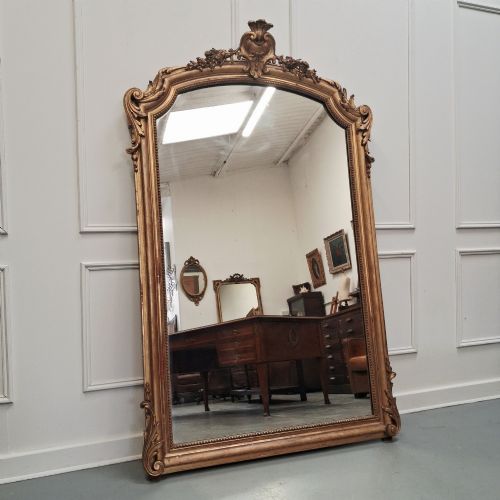
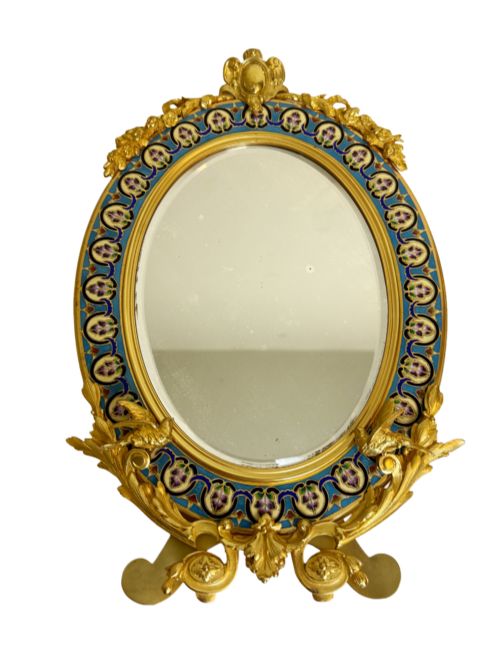
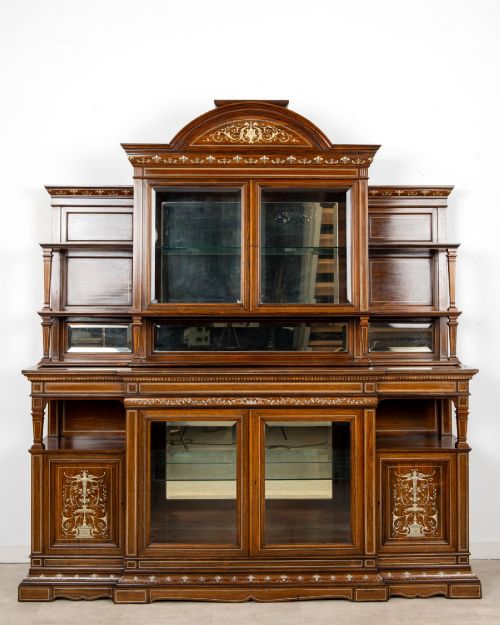
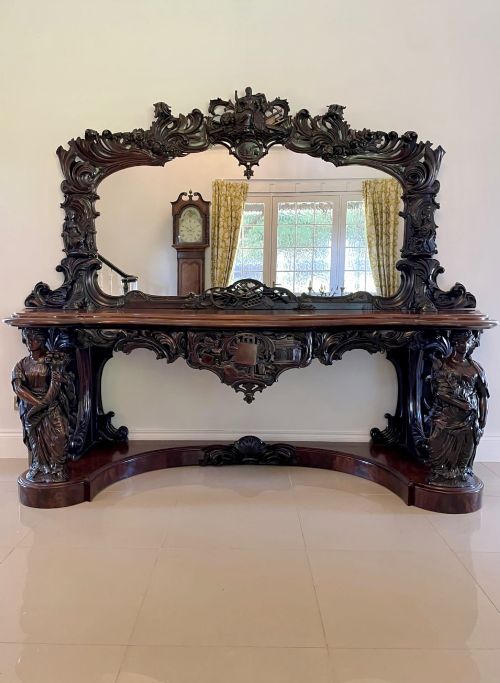
Victorian Standing Mirror
A victorian standing mirror brings both practical reflection and substantial presence to a room, anchoring the space with period gravity.
Victorian Standing Mirror
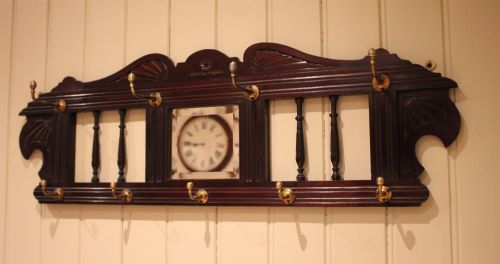
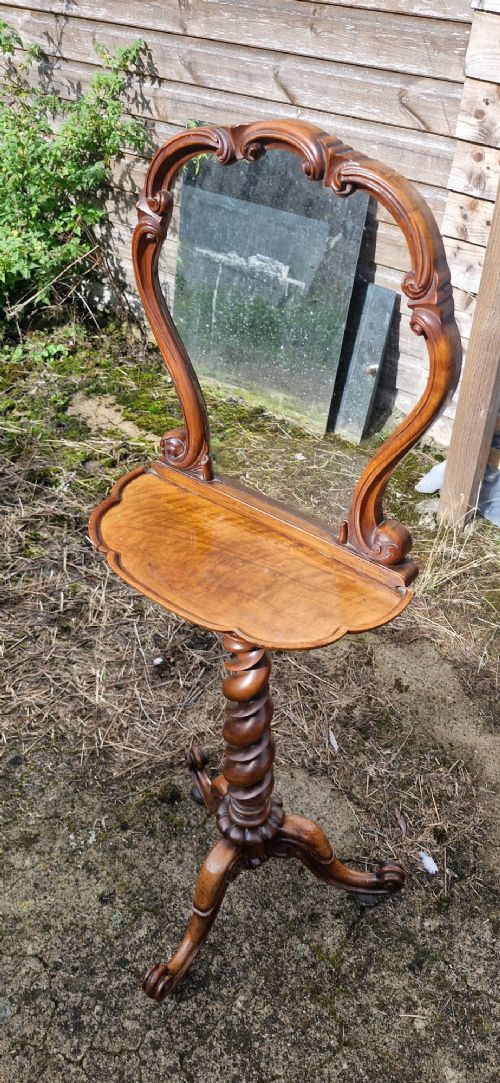
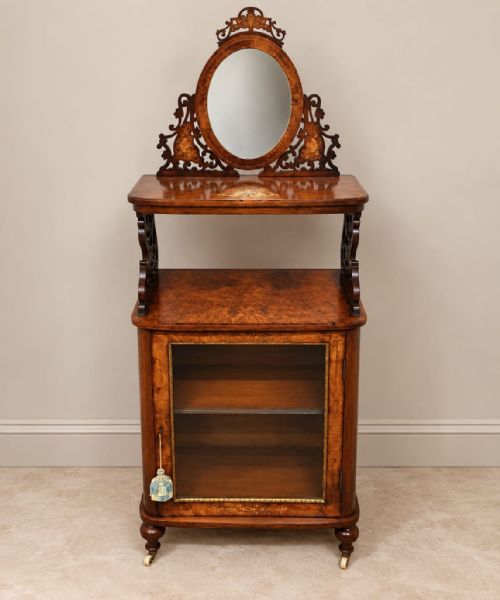
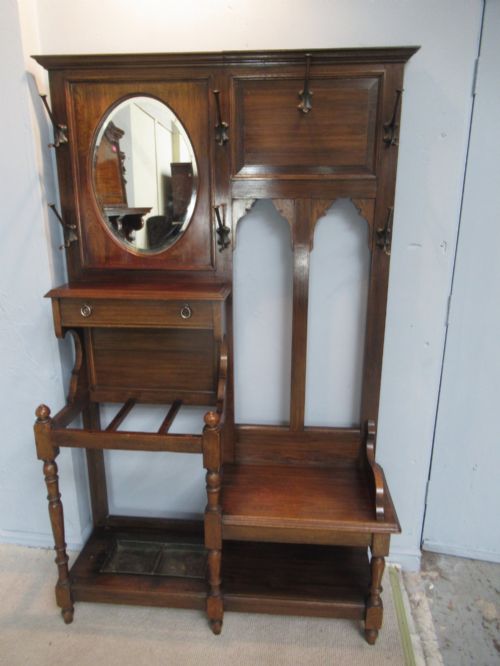
A victorian standing mirror encompasses large floor-standing cheval glasses, smaller dressing table mirrors on stands, and pivoting toilet mirrors. These pieces span the nineteenth century and into the early decades of the twentieth, often appearing alongside hall stands and shaving stands.
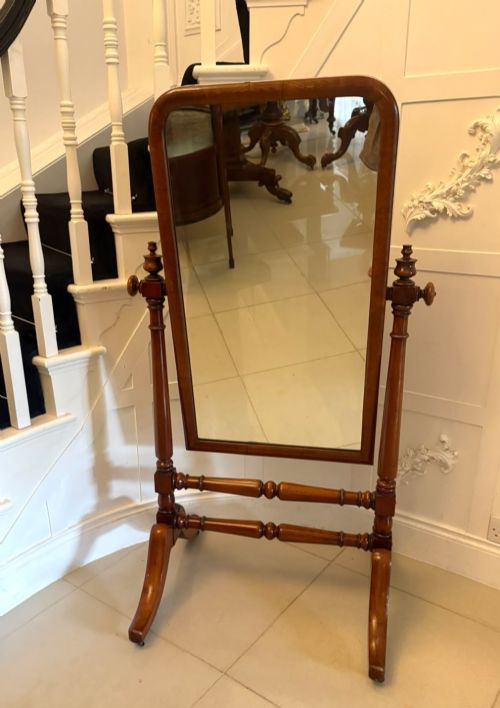
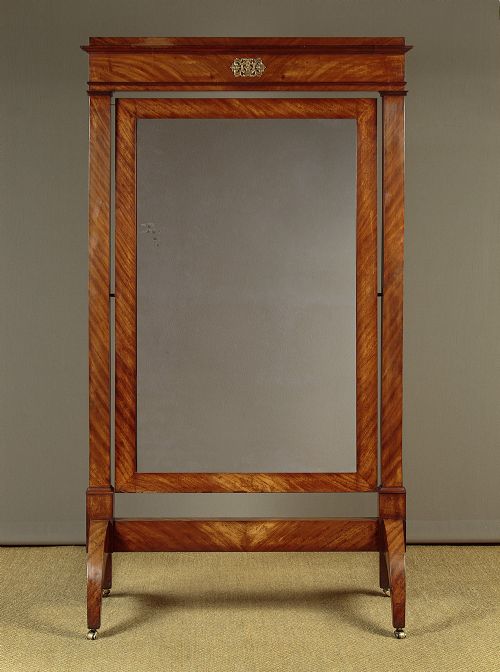
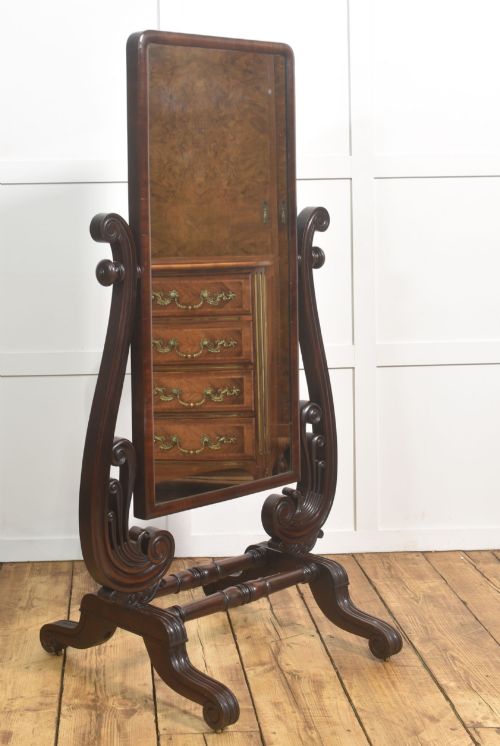
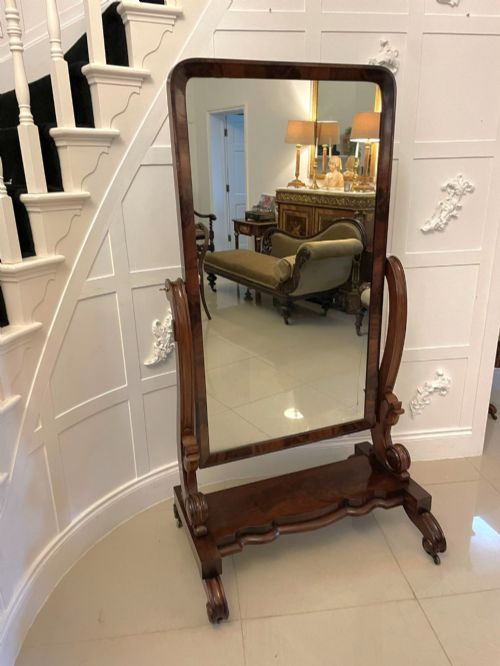
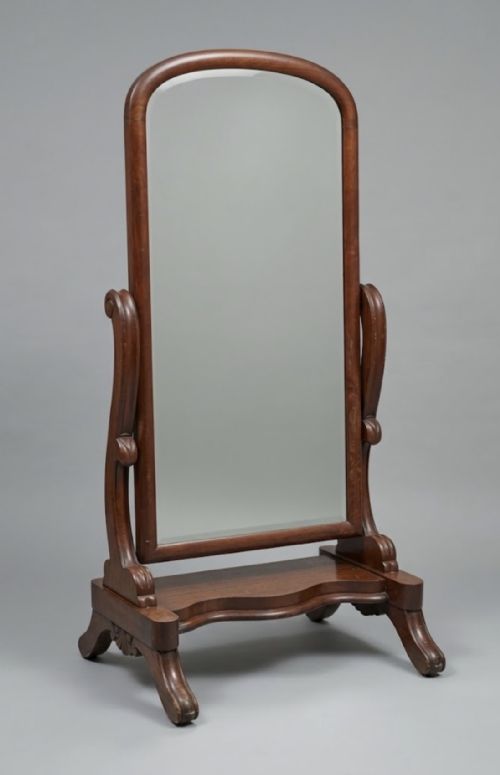
The most common formats met on this page are mahogany and walnut cheval mirrors that swivel between upright side posts. These tall frames allow a full-length view and rely on sturdy floor supports rather than wall fixings.
Makers and cabinet makers of the period utilised dense hardwoods to construct frames that could bear the weight of heavy pivoting glass plates. Alongside domestic mahogany and walnut, pieces surface in oak, satin birch, and cast iron.
Quality factors in standing mirrors
The density and figuring of the timber dictate the visual hierarchy, with flame mahogany and burr walnut commanding higher regard than plain pine or oak. Construction depth shows in the thickness of the frame mouldings and the substantial turning of the support pillars.
Mechanism integrity separates superior pieces from ordinary ones, particularly the smooth action of the brass trunnions and thumbscrews that hold the mirror plate at the desired angle. Original mercury or silvered mirror glass with minimal foxing also indicates a better preserved survival.
Victorian Standing Mirror Retail Price Guide 2026
Typical asking prices for victorian standing mirror among the pieces listed under this phrase on Sellingantiques today, from the lower quarter to the upper quarter. They describe what is for sale here now, not the wider market.
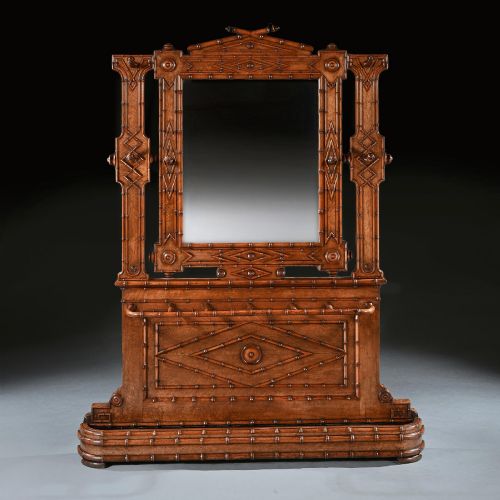
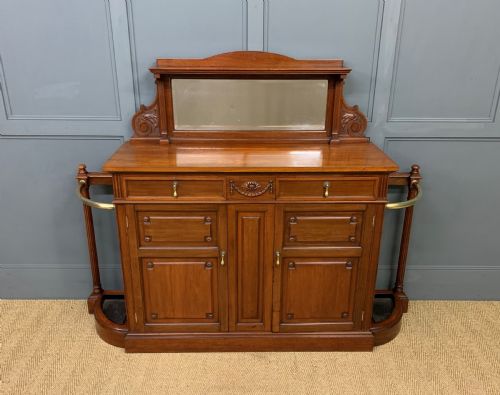
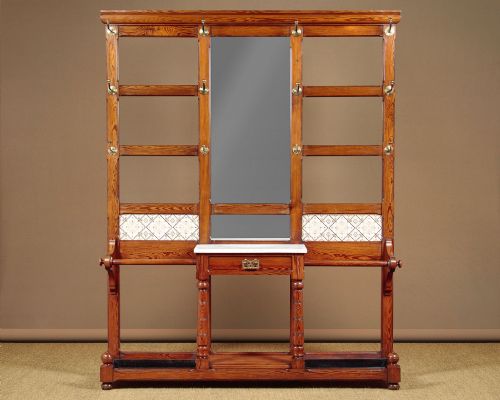
Several mirrors share floor space with bamboo hall stands and cast iron umbrella holders shaped like faux bamboo.
Shoolbred & Co·Heal & Sons·Collinson & Lock·Edwards & Roberts
The Victorian Standing Mirror Glossary
- Cheval mirror
- A large floor-standing mirror suspended on a frame with vertical pivots allowing it to swing. This form became popular in bedrooms and dressing rooms during the nineteenth century.
- Trunnion
- The pivot pin or bolt projecting from the side of a mirror frame that fits into the supporting uprights. It allows the glass to tilt.
- Flame mahogany
- A distinct veneer cut from the fork of a mahogany tree where the grain creates a flame-like pattern. Cabinet makers used this on high-status Victorian dressing furniture.
- Burr walnut
- Timber taken from the wart-like growths on walnut trees, yielding a highly swirled and complex grain. It was sliced into decorative veneers for luxury Victorian cabinets and mirror frames.
Victorian Standing Mirror: Frequently Asked Questions
How do I secure a heavy cheval mirror safely?
Place the mirror on an even, level floor so the heavy base bears weight evenly without rocking on uneven floorboards.
Position the piece away from heavy foot traffic where it might be bumped, and ensure the side thumbscrews are tightened moderately to prevent the glass swinging unexpectedly.
Are these mirrors easy to dismantle for moving?
Most floor-standing cheval mirrors separate into distinct parts by unscrewing the side finials and removing the central glass frame from its upright support trestles.
Keep the original brass screws and washers together safely during transport, as matching replacement period hardware can prove challenging.
How do I clean antique mirror glass?
Wipe the glass gently with a soft, lint-free cloth slightly dampened with distilled water or a mild, non-ammonia glass cleaner.
Avoid spraying liquid directly onto the glass edges where moisture might seep behind the silvered backing and accelerate foxing or corrosion.