


Victorian Standing Lectern
A victorian standing lectern brings height and presence to a room, holding books and scores with practical grace.
Victorian Standing Lectern
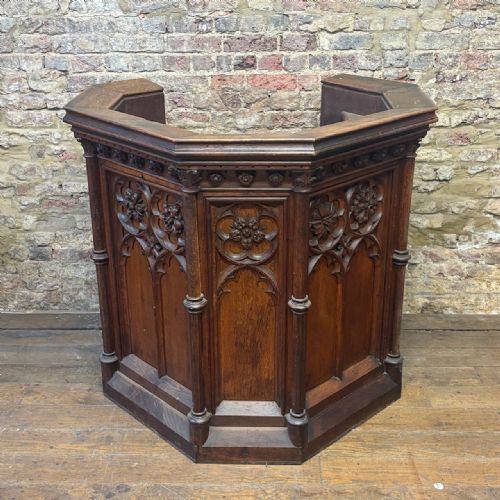
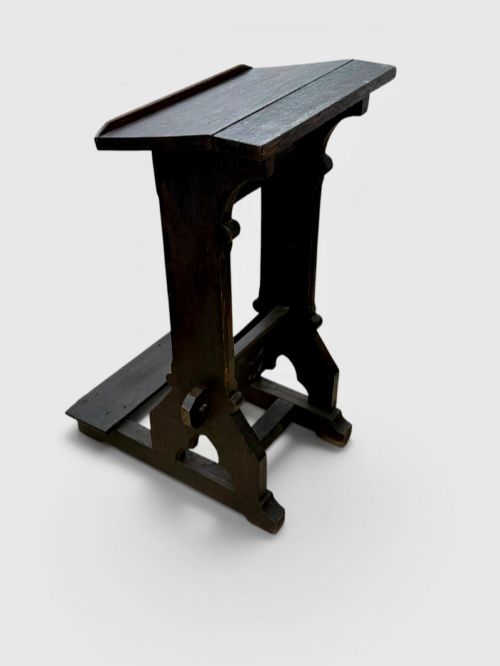
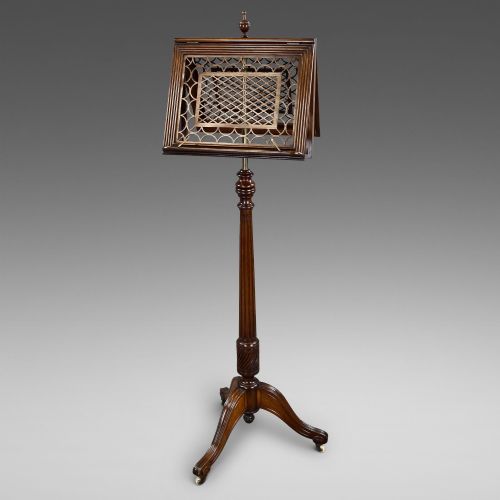
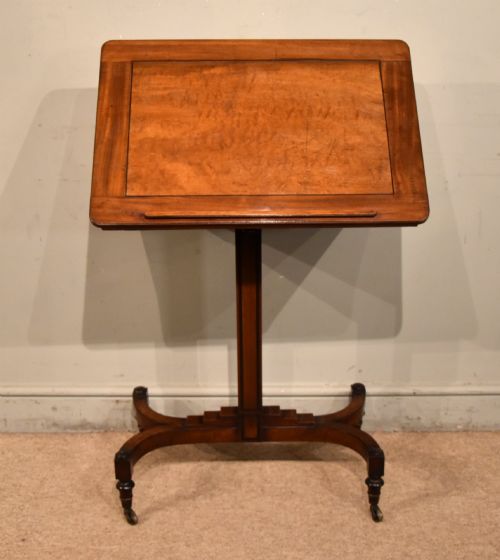
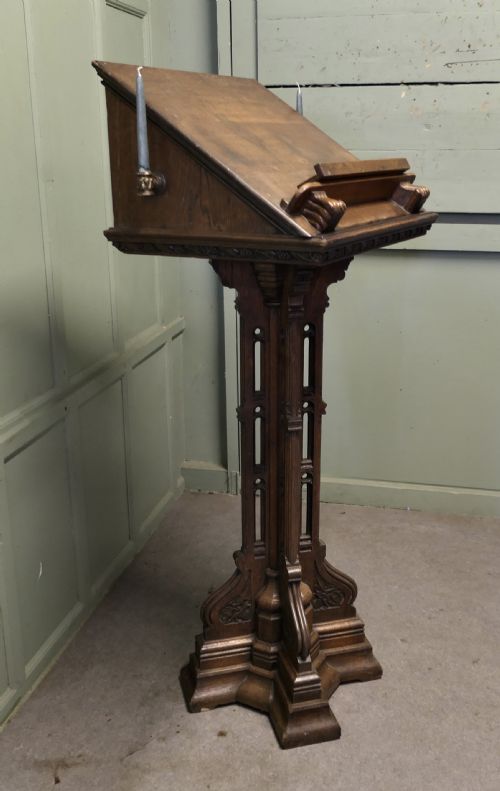
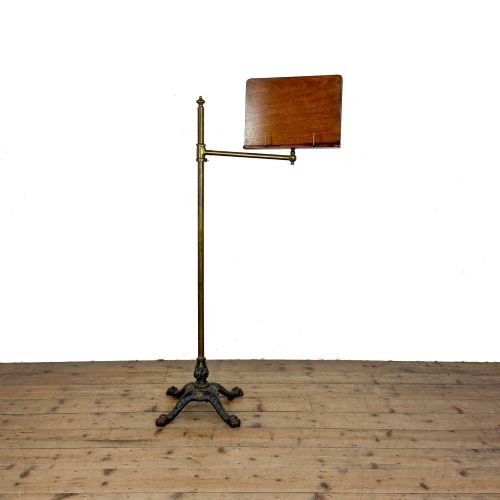
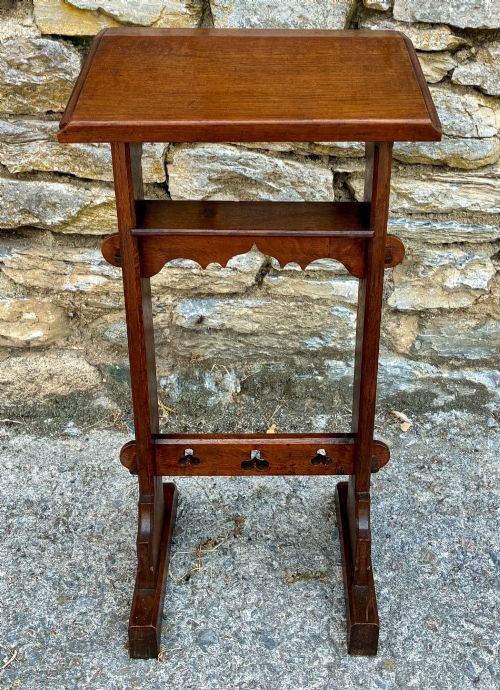
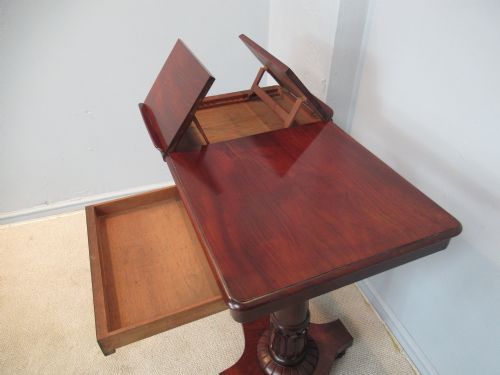
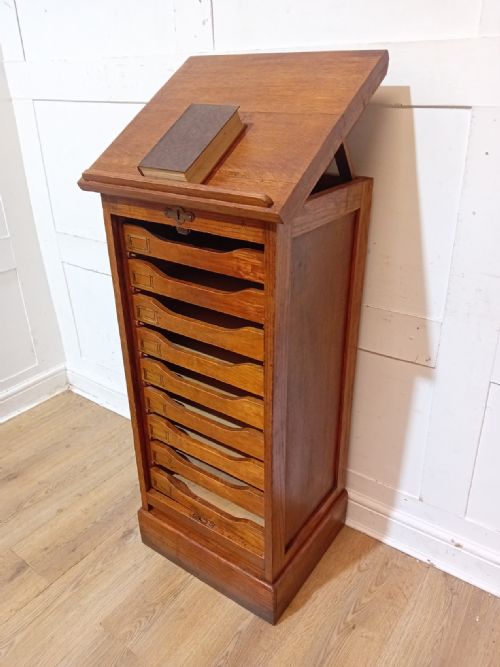
A victorian standing lectern serves as a dedicated support for reading, holding large volumes, sheet music or menus at a comfortable angle. These pieces emerge in various forms, including church pulpits, adjustable music stands and reading tables from the nineteenth century.
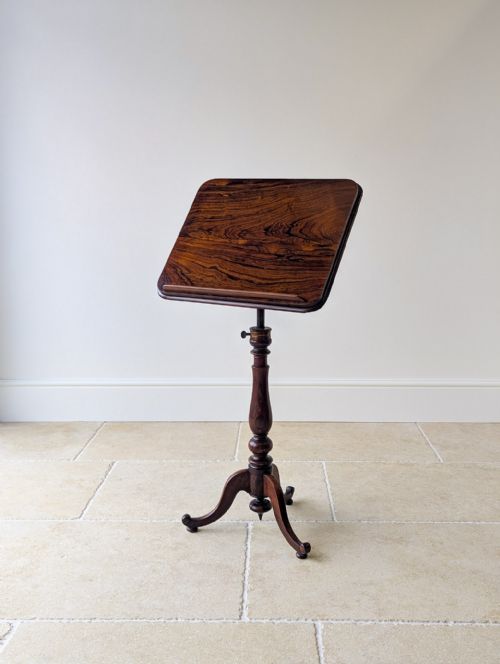
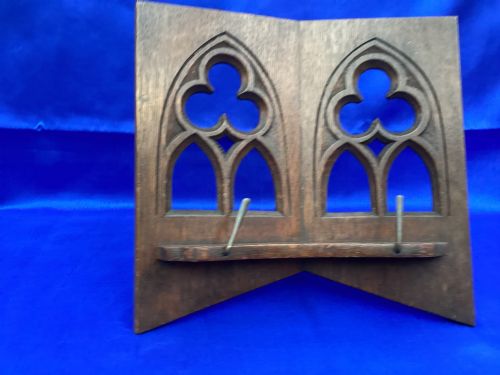
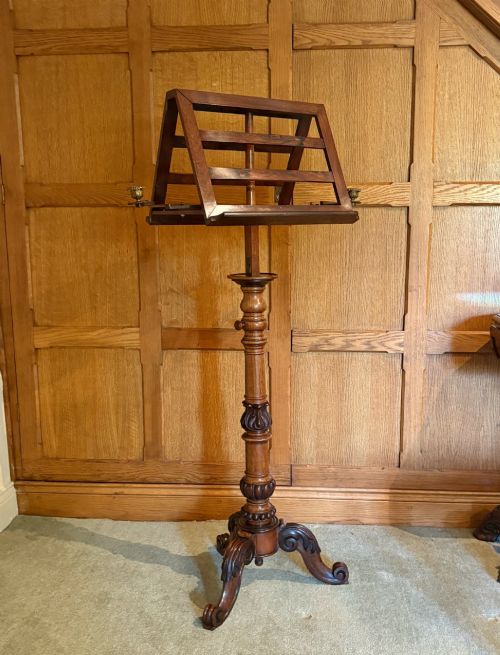
Most examples found here reflect the styles of the period, spanning Gothic Revival designs in carved oak to elegant rosewood and mahogany pieces. Makers often incorporated adjustable mechanisms, allowing users to alter the height and slope for standing or seated study.
Materials and Construction
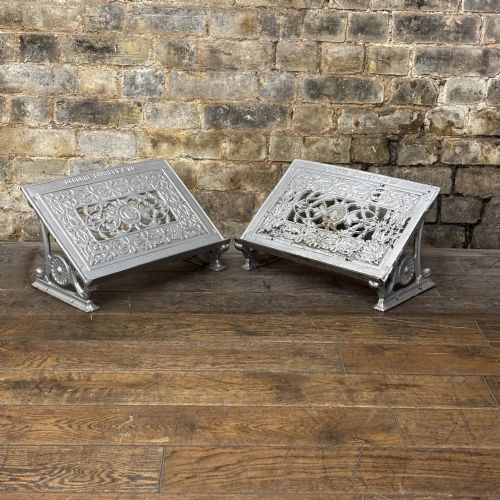
Cabinet makers utilised dense hardwoods such as oak, mahogany, walnut and rosewood, often enriching surfaces with intricate carvings, brass fittings or mother of pearl inlay. Ecclesiastical examples frequently combine solid oak with cast iron elements for stability.
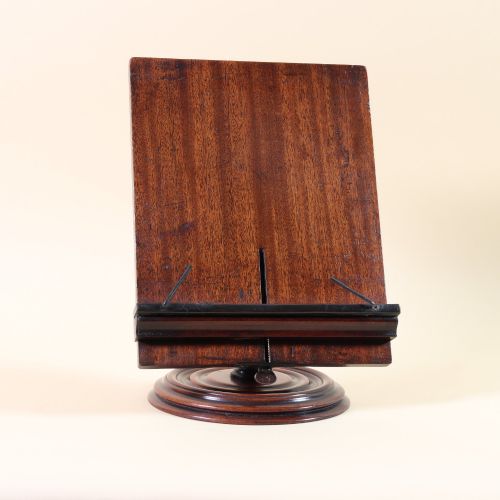
Adjustable stands rely on clever mechanical engineering, utilising brass ratchets, screw mechanisms and tripod bases to support heavy folios securely.
The selection includes specialised ecclesiastical brass eagle lecterns alongside domestic reading tables and music stands.
Determining Quality
The distinction between standard utility items and exceptional pieces lies in the crispness of the timber carving and the sophistication of the mechanical adjustments. Finer examples display thoughtful proportion, choice timber grains and branded maker signatures.
Durability of the moving parts and the integrity of the joints dictate longevity, particularly in pieces designed for heavy ecclesiastical or scholarly use.
Gillows·Osborne Garrett And Co·Carters Of London
The Victorian Standing Lectern Glossary
- Duet Stand
- A music stand wide enough to accommodate two musicians reading from the same sheet. These often feature adjustable twin desks.
- Ecclesiastical
- Pertaining to the Christian church or clergy. Such pieces originate from chapels, churches and abbeys.
- Gonçalo Alves
- A dense exotic hardwood sometimes utilised in fine nineteenth century furniture. It exhibits distinct contrasting dark brown figuring.
- Lyre-Shaped
- Formed in the silhouette of an ancient stringed instrument. This motif appears frequently on nineteenth century music stand columns.
Victorian Standing Lectern: Frequently Asked Questions
Were these made for churches?
Many surviving examples served ecclesiastical functions in churches, chapels and prayer rooms, often constructed from heavy oak or brass.
Other variants were built for domestic studies, libraries and music rooms as reading tables or duet stands.
How do I care for the wood?
Maintain timber surfaces by applying a traditional beeswax polish sparingly and buffing gently with a soft cloth. Avoid placing pieces near direct heat sources.
Keep brass components clean using a dry cloth to prevent tarnishing without disturbing the surrounding polish.
Can these hold heavy books?
Sturdy variants constructed from solid oak or mahogany easily support large folios, heavy bibles and bound music scores. The wide ledges at the base keep volumes secure.
Lighter reading stands suit magazines, menus and smaller volumes rather than massive reference tomes.