


Victorian Standing Dressing Table
A victorian standing dressing table brings functional elegance to a room, offering adjustable glass and sturdy timber built for daily grooming.
Victorian Standing Dressing Table
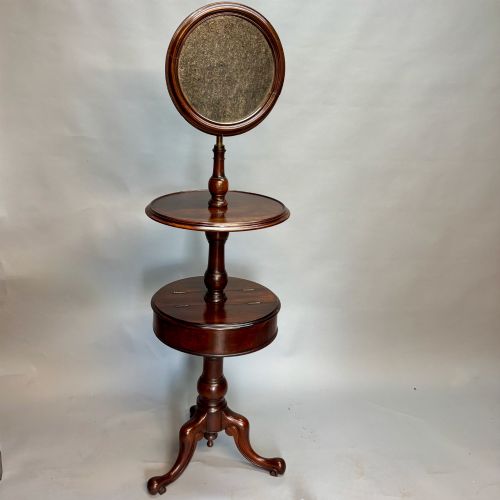
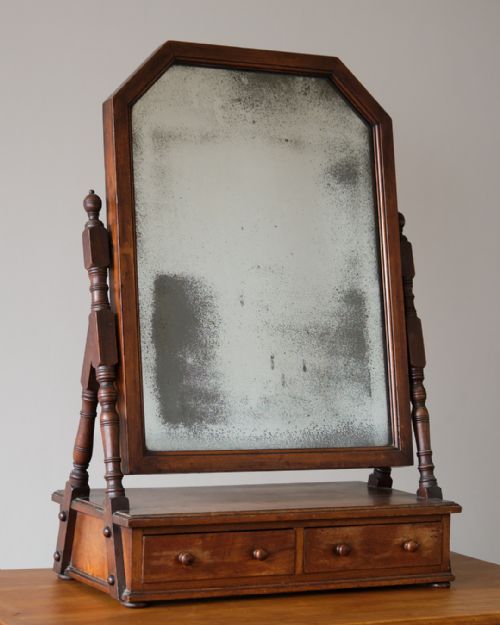
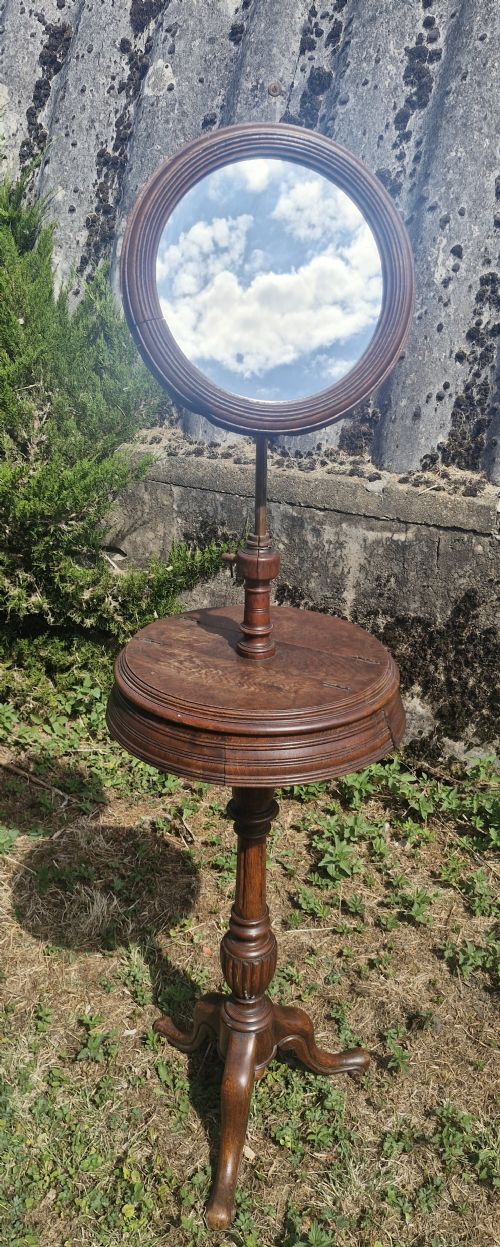
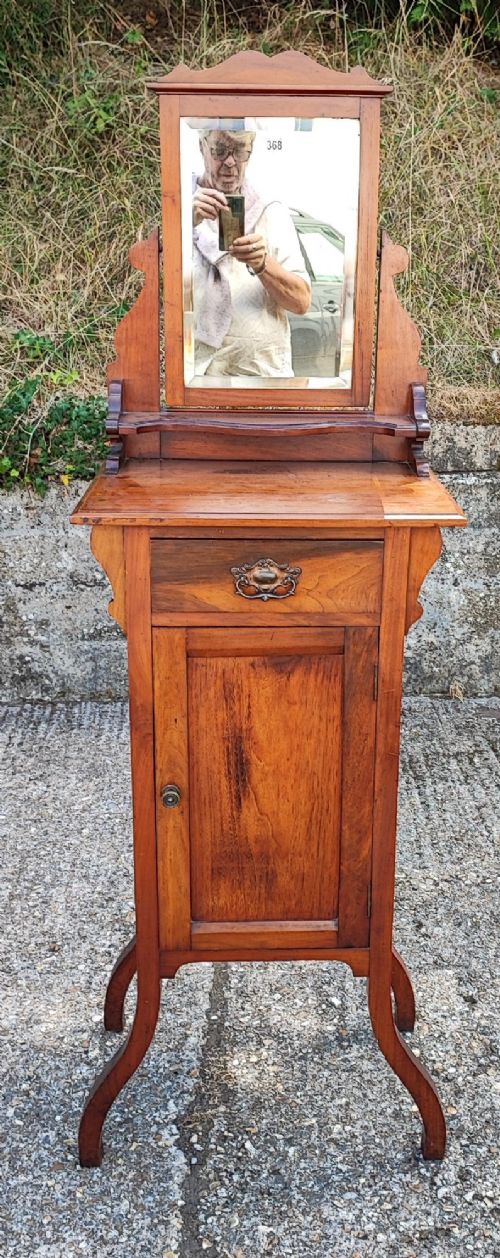
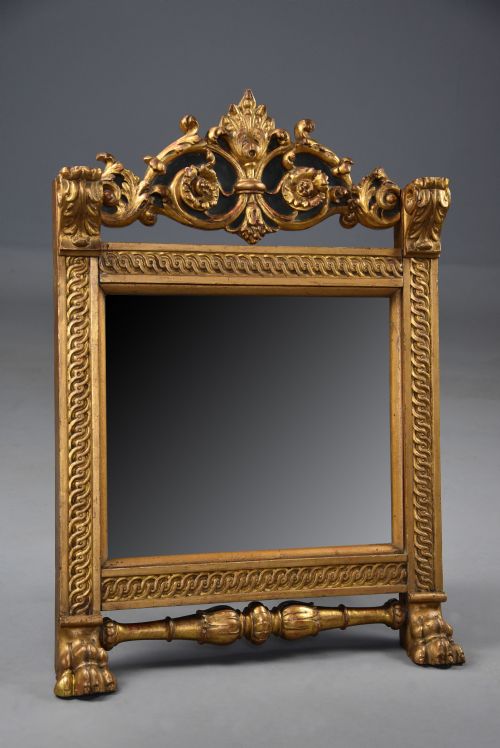
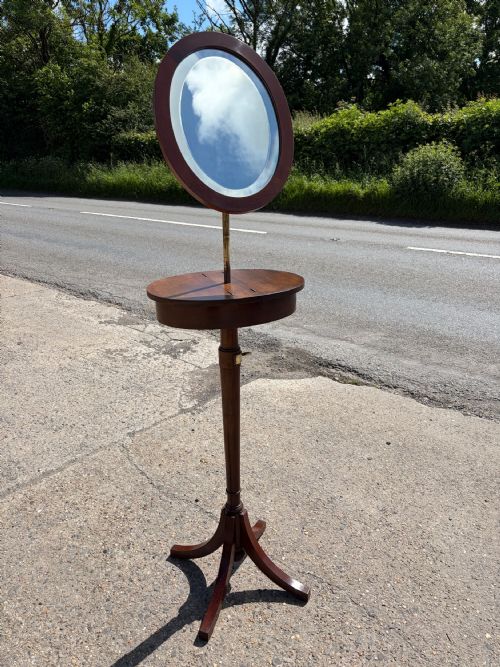
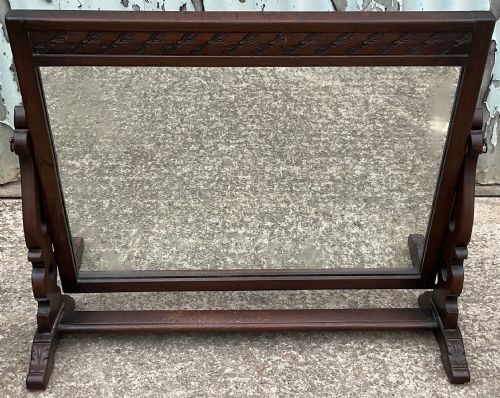
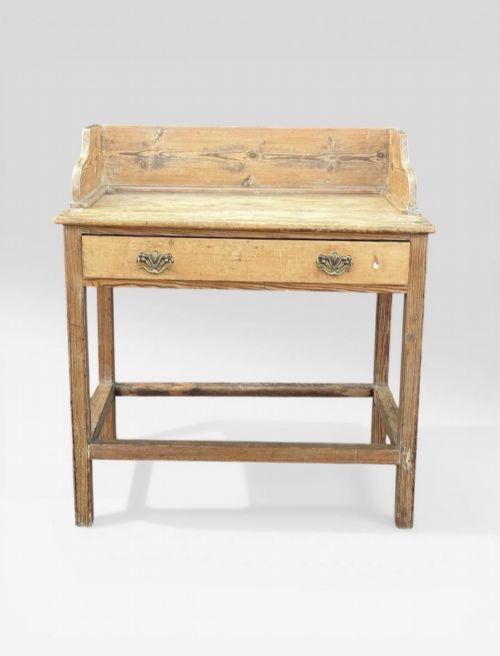
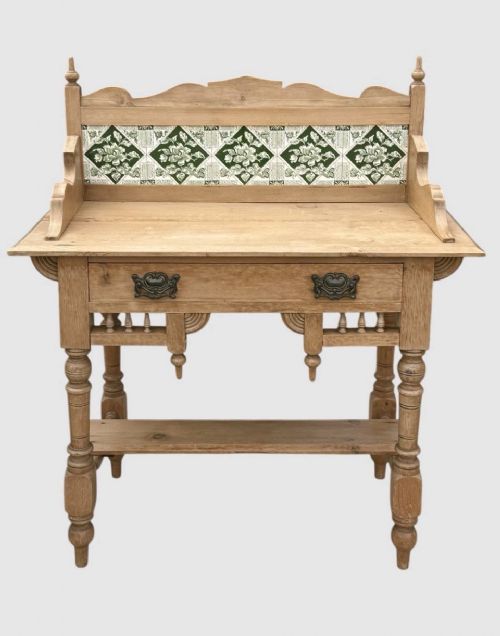
A victorian standing dressing table encompasses tall mirrors, adjustable shaving stands, and washstands designed for personal grooming in the nineteenth century. Buyers searching this phrase encounter various floor-standing and table-top forms that combine storage with pivoting glass panels.
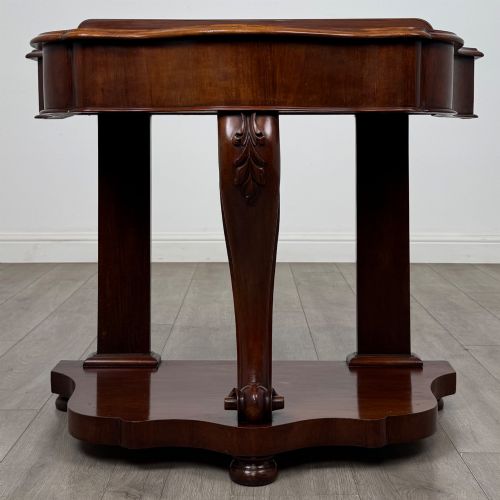
The selection ranges from mahogany and oak washstands to adjustable shaving mirrors mounted on tripod bases or wooden stands. Walnut, satinwood, and painted pine also appear frequently alongside specialised pieces retailed by prominent London houses.
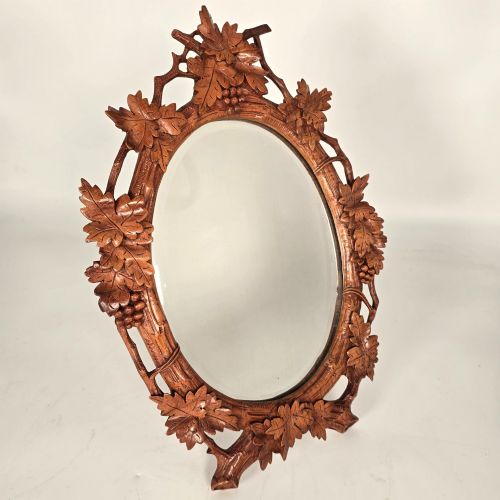
Makers utilised diverse regional styles, moving from simple country pine furniture to ornate French-influenced designs and carved Black Forest woodwork. These domestic furnishings reflect the specific grooming routines and bedroom requirements of the Victorian era.
How They Were Made
Cabinet makers constructed these pieces primarily using dense hardwoods such as mahogany, walnut, and oak, supplemented by pine for utility furniture. Timber frames were joined using traditional methods and often finished with hand-carved details or applied veneers.
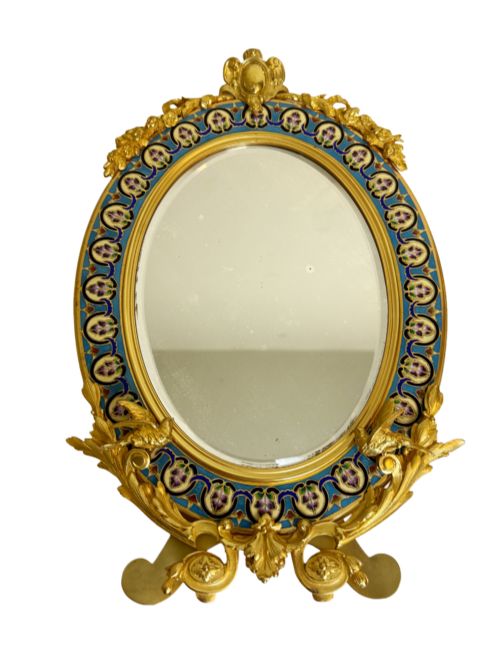
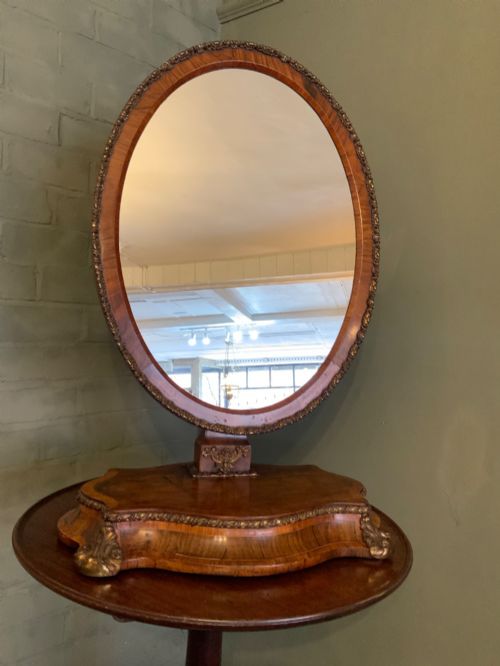
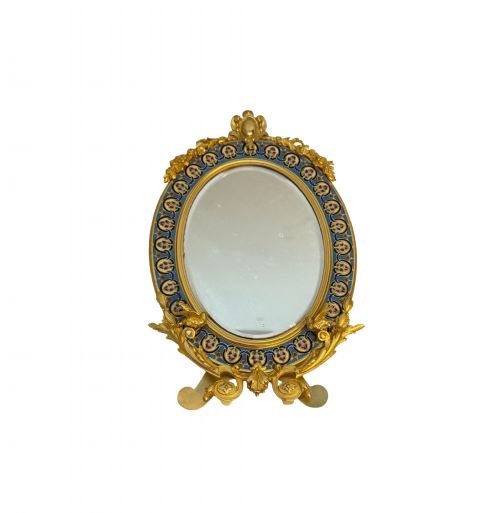
Metal components played a structural and decorative role, incorporating brass brackets, gilt bronze mounts, and champleve enamelwork to secure and adorn the glass frames. Mirror glass was cut with bevelled edges and fitted into swing mechanisms that allowed precise angular adjustment.
Listings feature mahogany, oak, walnut, and pine construction alongside brass and gilt bronze mirror frames.
What Varies In Quality
The standard of timber selection and cabinet work defines the upper tiers of these pieces, particularly when burr veneers or finely figured mahogany are employed. Superior examples demonstrate meticulous hand-carving and substantial brass hardware rather than cast metal shortcuts.
Design complexity and original retail provenance distinguish exceptional pieces from standard utility items. Pieces bearing retailer attribution or incorporating intricate decorative techniques like marquetry command greater attention from collectors.
Heal & Sons·Maple & Co
The Victorian Standing Dressing Table Glossary
- Swing mirror
- A glass plate mounted on vertical pivots within a frame, allowing the user to tilt the reflection to different angles. This mechanism is central to most dressing and shaving mirrors.
- Champleve
- An enamelling technique where troughs are dug into a metal surface and filled with vitreous enamel before firing. It appears frequently on late nineteenth-century brass and bronze frames.
- Ormolu
- Gilt bronze ornamentation applied to furniture and decorative objects during the nineteenth century. It provides a bright metallic contrast against dark woods like walnut and mahogany.
- Washstand
- A domestic piece of furniture designed to hold a basin and pitcher for morning ablutions. Many examples feature marble tops and storage cupboards below.
Victorian Standing Dressing Table: Frequently Asked Questions
What is a standing dressing table?
A standing dressing table is a floor-standing piece of furniture designed for grooming, often combining a mirror with drawers or a wash basin. These items served a practical function in nineteenth-century bedrooms before fitted wardrobes became standard.
Buyers find various configurations ranging from compact shaving stands to large walnut dressing furniture. Each type catered to specific personal care tasks of the period.
How do I use an adjustable shaving stand?
Adjustable shaving stands feature telescopic columns or pivot hinges that raise, lower, or tilt the mirror surface. Users position the glass to catch optimal morning light for shaving or styling.
The brass mechanisms require gentle handling to preserve the original screw threads and tension arms. Modern owners often place these beside contemporary basins as decorative bathroom accents.
Are these tables made of solid wood?
Many pieces utilise solid mahogany, oak, or pine throughout their main structures and legs. Finer cabinet items also incorporate decorative wood veneers applied over secondary timbers.
Examining the drawer linings and panel edges reveals the primary construction materials used by the workshop. Solid construction generally correlates with higher durability in daily use.
How do I distinguish Victorian from Edwardian pieces?
Victorian furniture typically displays heavier carved ornamentation, darker timber tones, and robust proportions. Edwardian pieces often exhibit lighter satinwood or painted finishes with more restrained decorative schemes.
Stylistic shifts toward neoclassical revival or early art nouveau indicate the transition into the twentieth century. Comparing hardware styles and joinery helps clarify the manufacturing decade.