


Victorian Staffordshire Earthenware Jug
These victorian staffordshire earthenware jug examples bring vibrant regional character and practical earthenware form straight to a traditional dresser.
Victorian Staffordshire Earthenware Jug
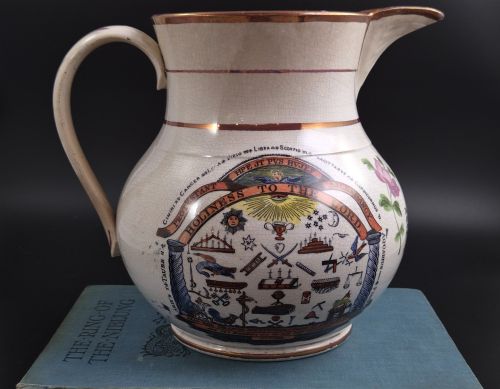
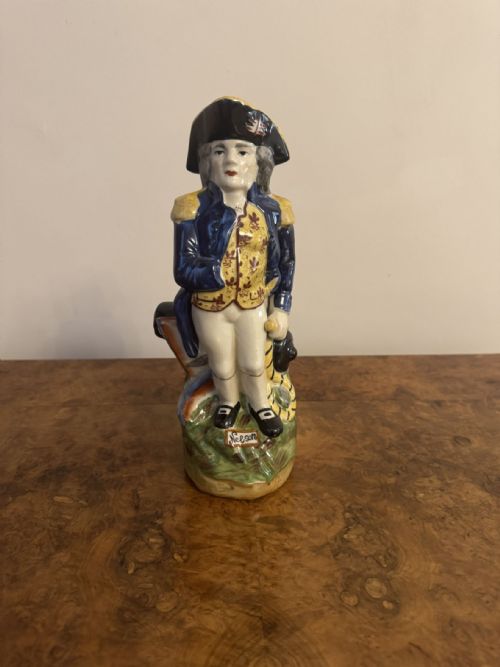
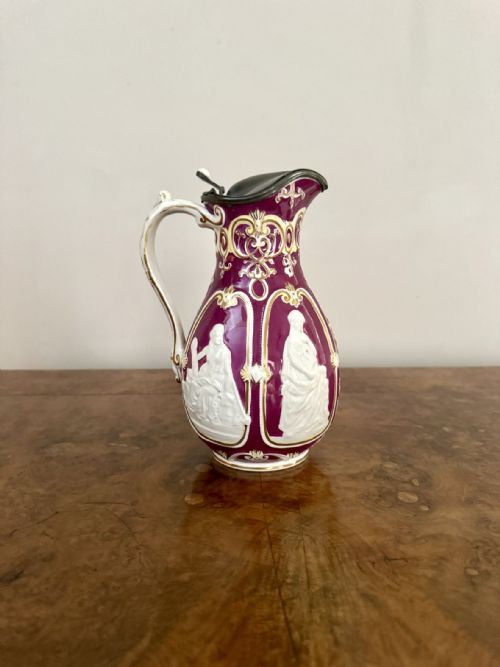
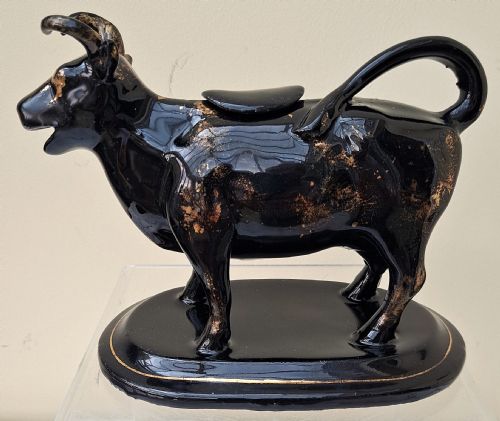
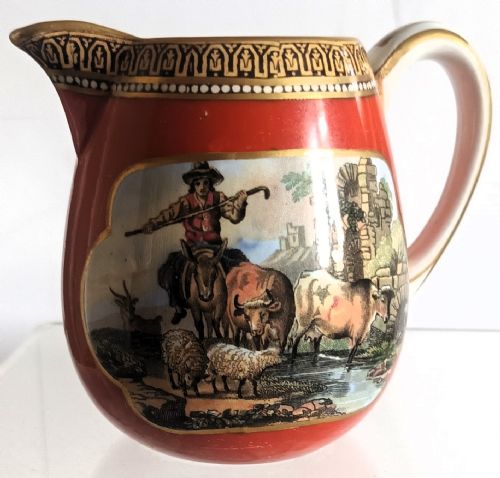
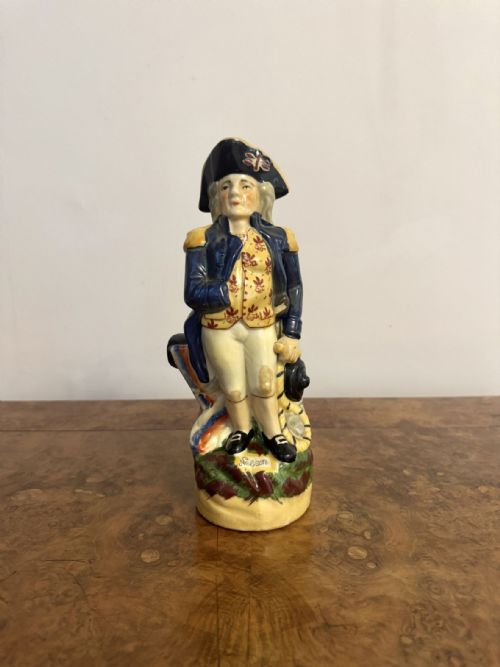
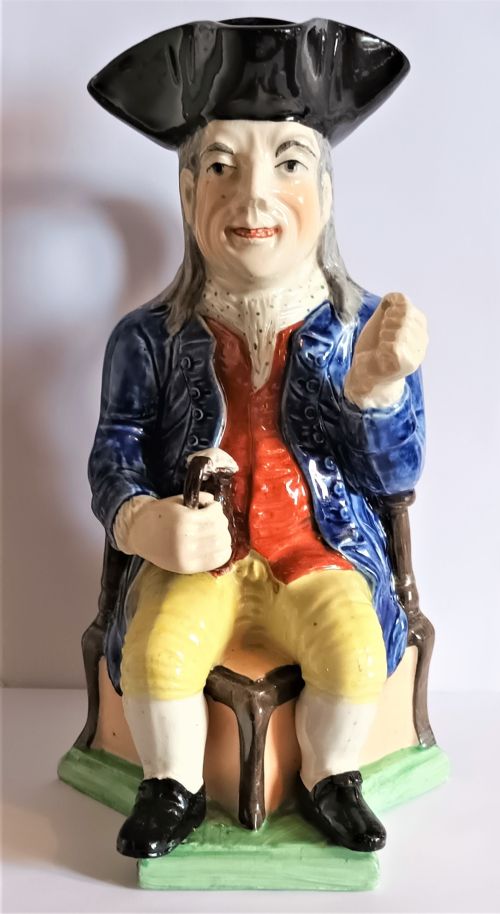
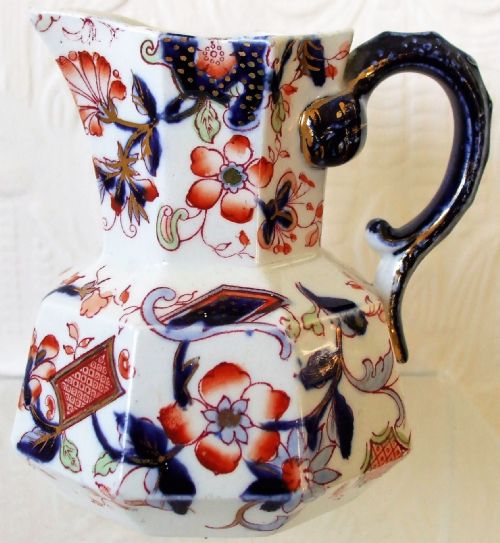
A victorian staffordshire earthenware jug takes many expressive forms across the nineteenth century, ranging from commemorative pieces to everyday vessels. Buyers encountering these items will find Toby jugs depicting figures like Lord Nelson or Mr Snuff alongside animal forms such as cow creamers and spaniels. These domestic pieces reflect the varied output of Staffordshire potteries during the Victorian era and earlier decades.
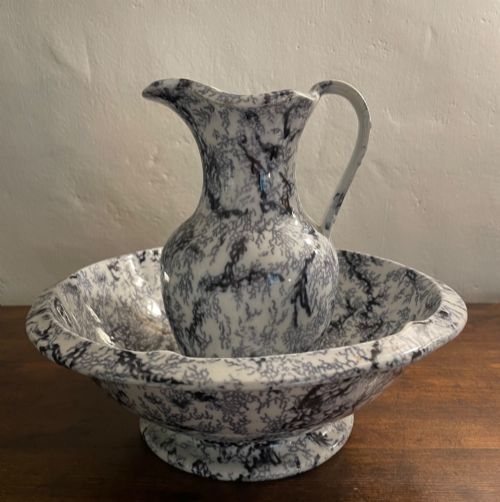
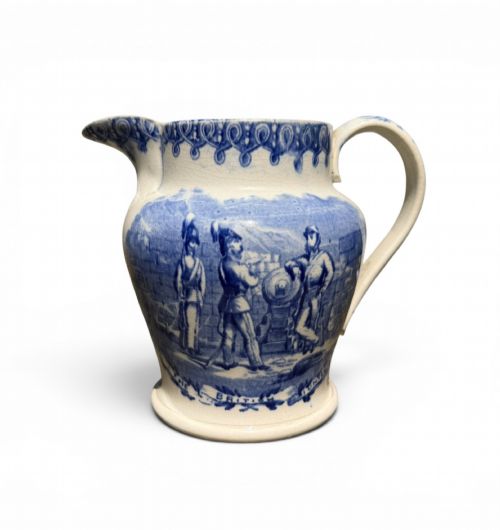
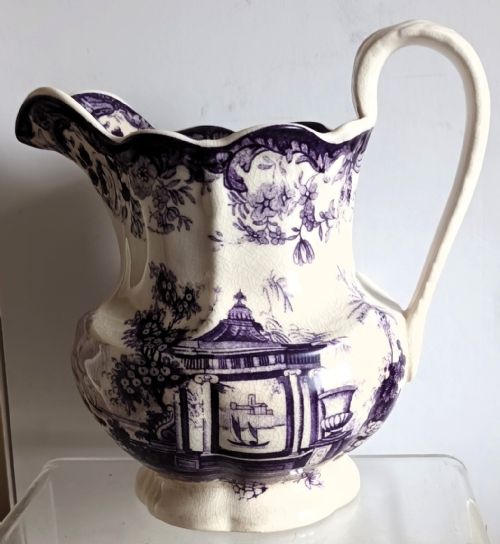
The selection includes standard water jugs, cream jugs, and graduated sets designed for functional service or display. Many examples feature transfer printing or hand-painted enamel decoration, while others employ metallic lustre glazes. Forms span from early nineteenth-century flow blue vessels to later majolica styles and commemorative marriage jugs.
Assessing quality
The complexity of the form also influences the standing of a piece, with elaborate figural subjects or large graduated sets requiring greater skill from the potter. Well-preserved glaze surfaces without heavy wear indicate careful handling over time and maintain the visual appeal of the decoration.
Mr Snuff stands ready to pour alongside Lord Nelson and various ceramic cows.
Keeling & Co·George Jones·Mountford
The Victorian Staffordshire Earthenware Jug Glossary
- Earthenware
- A porous pottery body fired at lower temperatures than stoneware or porcelain, requiring a glass glaze to hold liquids. It forms the foundation of most nineteenth-century Staffordshire hollowware.
- Toby jug
- A pottery jug modelled in the shape of a seated person, typically a robust eighteenth or nineteenth-century figure holding a mug and a jug of beer. These character pieces are prominent among Staffordshire figures.
- Copper lustre
- A metallic glaze technique producing a reflective, copper-coloured sheen over the ceramic body. It appears frequently on nineteenth-century milk jugs and creamers.
- Flow blue
- A transfer-printing style where cobalt blue ink bleeds slightly into the surrounding glaze during firing, creating a soft, blurred effect. This technique originated in the early nineteenth century.
- Cow creamer
- A ceramic container shaped as a cow, used for holding and pouring cream from the animal's mouth. These novelties are a staple of Victorian Staffordshire pottery.
Victorian Staffordshire Earthenware Jug: Frequently Asked Questions
What were victorian staffordshire earthenware jugs used for?
These vessels served practical domestic roles such as holding water, milk, or cream for the table. Many items also functioned as commemorative pieces or decorative ornaments displayed on mantelpieces and dressers.
Figural Toby jugs often doubled as drinking vessels in taverns and homes, combining utility with humorous character representation. Graduated sets allowed households to serve different quantities of liquids using matching tableware.
How do I date a staffordshire jug?
Dating relies on stylistic markers, manufacturing techniques, and decorative motifs recorded across the nineteenth century. Early pieces often feature flow blue printing or copper lustre, while later Victorian examples may employ majolica glazes.
Markings, where present, can point towards specific makers or registry periods. Figural styles and subject matter also help narrow down the decade of production.
Are these jugs safe for daily use?
Most antique earthenware items are best reserved for display rather than daily food service due to age and fragile glaze surfaces. The porous nature of nineteenth-century earthenware and historic enamels can be sensitive to modern detergents and frequent use.
Gentle hand washing in warm water is recommended if cleaning becomes necessary. Avoiding harsh scrubbing preserves the delicate polychrome enamels and lustre finishes.
What is a cow creamer?
A cow creamer is a novelty ceramic container shaped as a cow, featuring a filling hole on the back and a pouring aperture at the mouth. These whimsical items were popular in Victorian households for serving cream.
Staffordshire potteries produced them in various colourways, sometimes featuring printed hides or lustre glazes. They remain highly collectable examples of nineteenth-century animal ceramics.