



Victorian Spirit Glass
When you search for a Victorian spirit glass, you are looking at nineteenth-century barware designed to hold and pour liquor with distinct period weight.
Victorian Spirit Glass
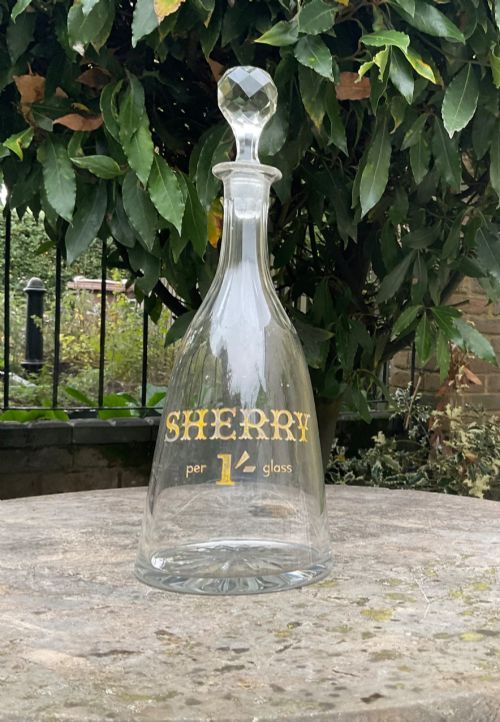
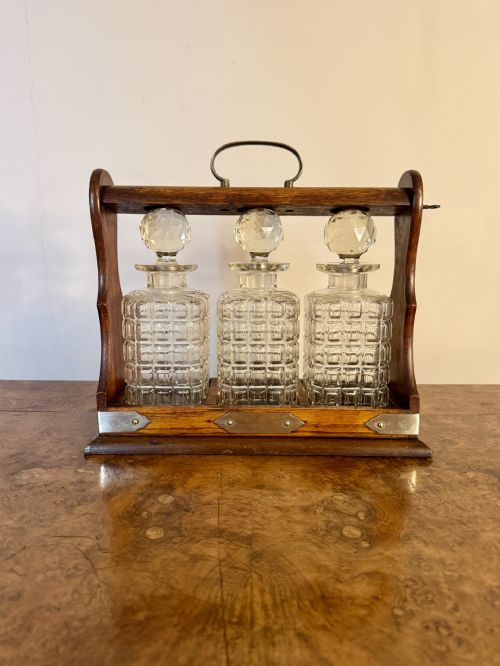
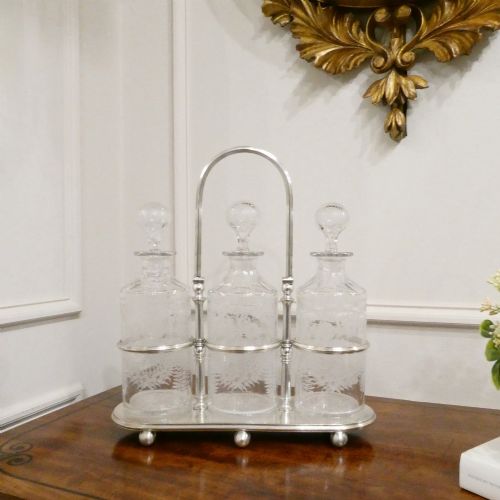
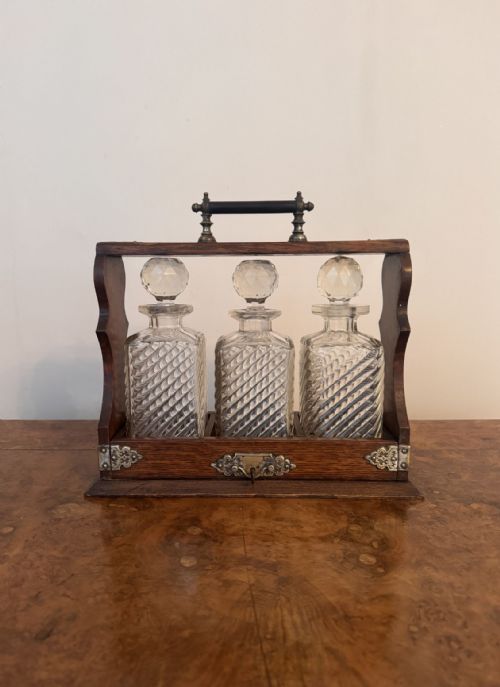
A Victorian spirit glass encompasses small tumblers, dram glasses, and decanter sets designed for serving liquor during the nineteenth century. The most common forms met on this page include cut crystal decanters, small whisky tumblers, and fitted tantalus sets made from oak and glass.
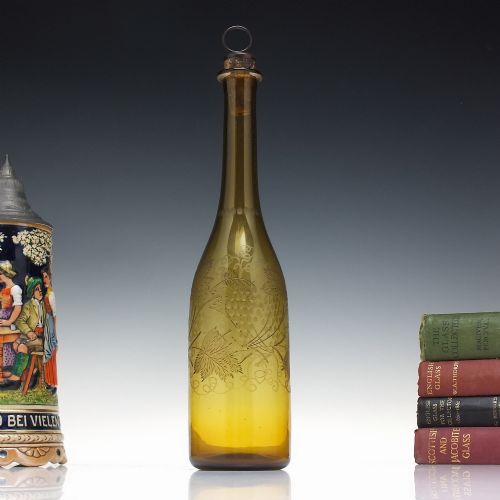
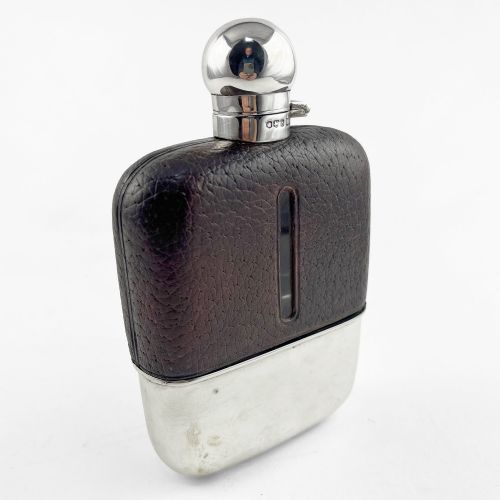
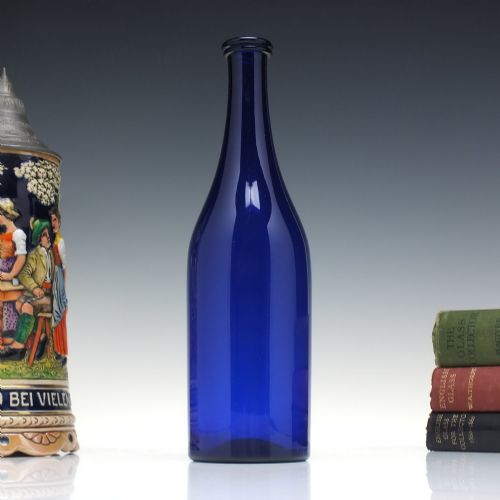
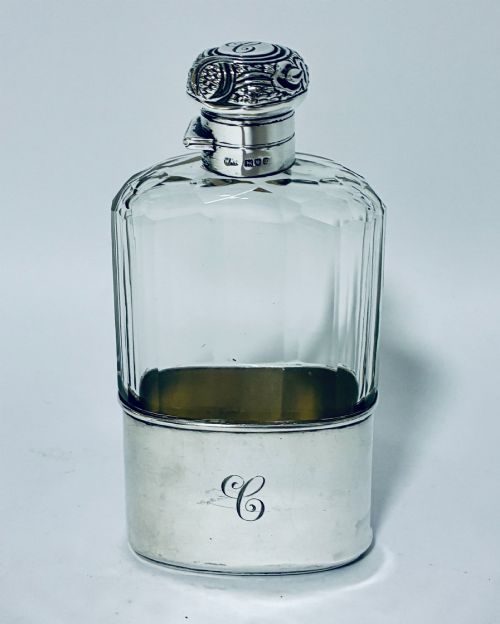
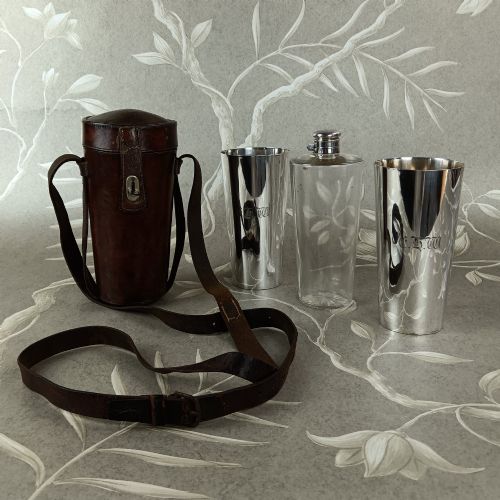
Makers produced these items for domestic dining rooms, field campaigns, and travelling bars using materials such as lead crystal, silver plate, and figured oak. The assortment spans from plain Bristol blue serving bottles to elaborate silver-mounted flasks intended for personal or household use.
How they were made
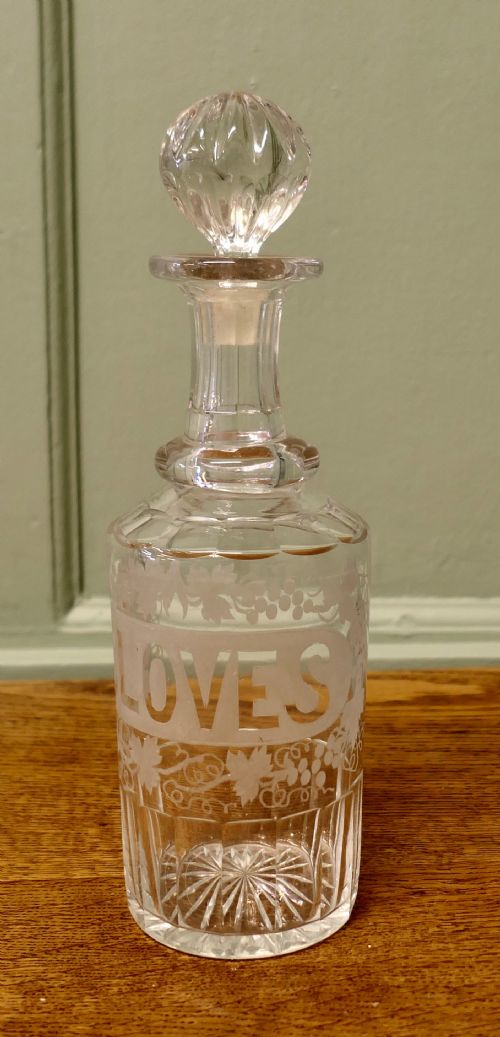
Glassware was shaped through blowing and hand-cutting, utilising lead crystal and coloured glass like ruby, amethyst, and Bristol blue. Decanters and tumblers received deep facets or delicate etching to catch the light on a dining table.
Mounts and tantalus frames combine brass, sterling silver, and solid timbers such as oak, coromandel, and satinwood. Woodworkers joined these cases with durable hardware, housing cut crystal bottles securely within locking mechanisms.
Victorian Spirit Glass Retail Price Guide 2026
Typical asking prices for victorian spirit glass among the pieces listed under this phrase on Sellingantiques today, from the lower quarter to the upper quarter. They describe what is for sale here now, not the wider market.
Listings feature items dated across the nineteenth century, including specific years from the 1840s through the Edwardian period.
What varies in quality
The distinction between tiers rests on the crispness of the glass cutting and the weight of the metal mounts. Finer examples display precise facets and heavy lead crystal, whereas simpler items show softer hand-finished edges and lighter frames.
Cabinetwork differentiates the oak and mahogany tantalus sets, with superior pieces incorporating flawless joinery, intact locking hardware, and finely fitted games compendiums alongside matching cut crystal decanters.
Lee & Wigfull of Sheffield·James Powell·James Dixon & Sons
The Victorian Spirit Glass Glossary
- Tantalus
- A locked wooden frame holding decanters that prevents guests from pouring drinks without a key. The wooden bar secures the stoppers in place.
- Dram
- A traditional small measure of spirits. Dram tumblers are heavy-bottomed glasses designed for consuming this quantity.
- Mell decanter
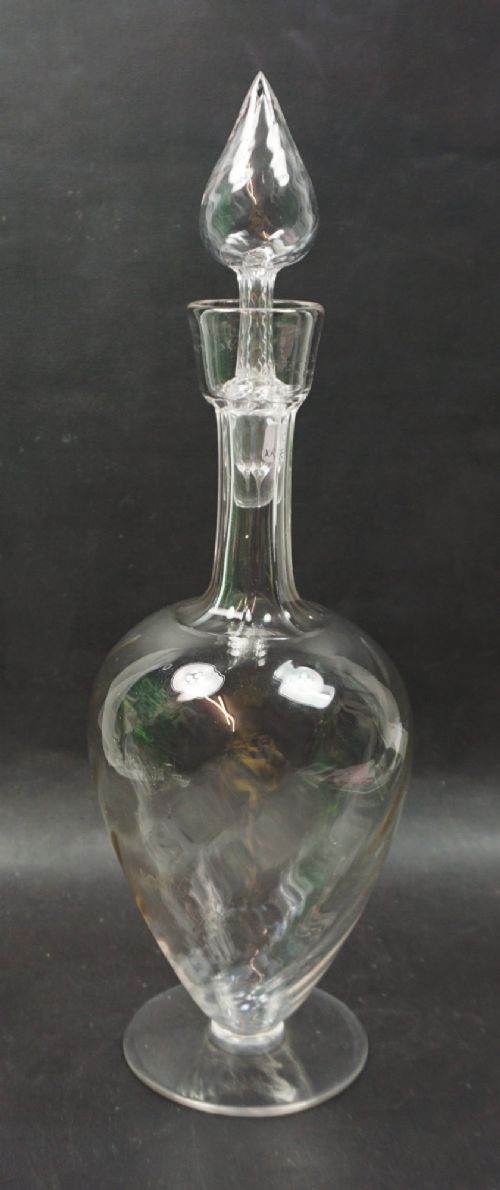
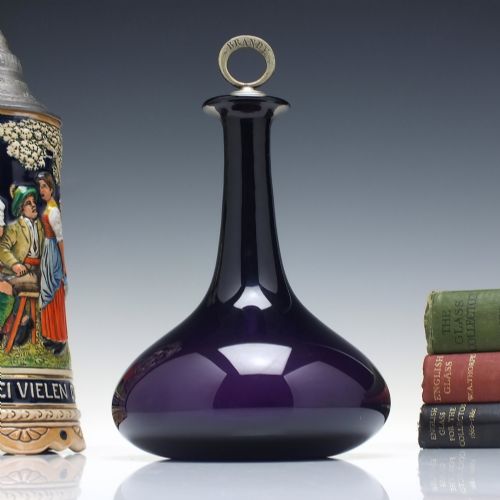
- A serving bottle with a rounded, bulbous body tapering toward the neck. These vessels sit steadily on ship tables or sideboard trays.
- Lead crystal
- Glass containing metal oxides that increase refractive index and weight. This material allows deep, sharp cutting patterns.
Victorian Spirit Glass: Frequently Asked Questions
What is a Victorian spirit glass?
It is a piece of nineteenth-century drinking vessel glassware, including small tumblers and dram glasses made to serve spirits.
These items reflect the domestic dining and entertaining habits of the period, often matching larger decanters or tantalus sets.
How do I identify a tantalus?
A tantalus is a locking wooden frame that holds decanters securely without letting guests remove the stoppers.
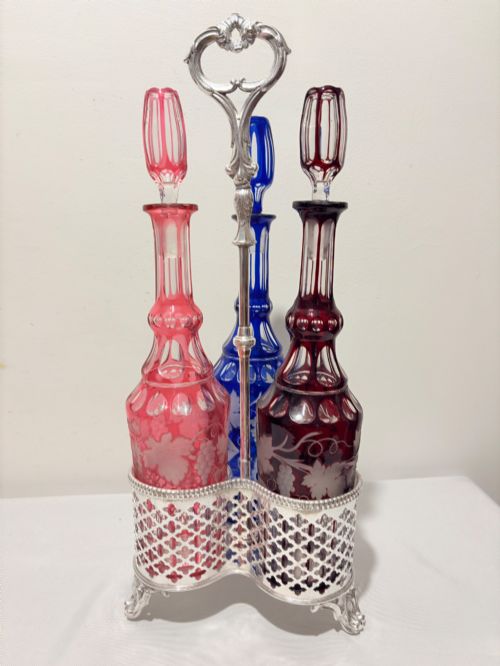
They appear in oak, mahogany, and coromandel, frequently fitted with three cut crystal bottles and sometimes integrated games compendiums.
What colours did Victorian glassware come in?
Period pieces utilise clear lead crystal alongside distinctive saturated hues such as Bristol blue, ruby red, amethyst, and green.
Coloured glass was often blown and hand-cut or enamelled for use in decanters and serving bottles.
Were these items used for travel?
Certain pieces, such as field campaign spirit sets and leather-cased hip flasks, were built specifically for portable use.
Others, like heavy oak tantalus units and large decanters, remained stationary on dining sidebars and drawing room tables.