



Small Drinking Glass
A small drinking glass holds a dram or a measure, offering an intimate connection to centuries of social custom.
Small Drinking Glass
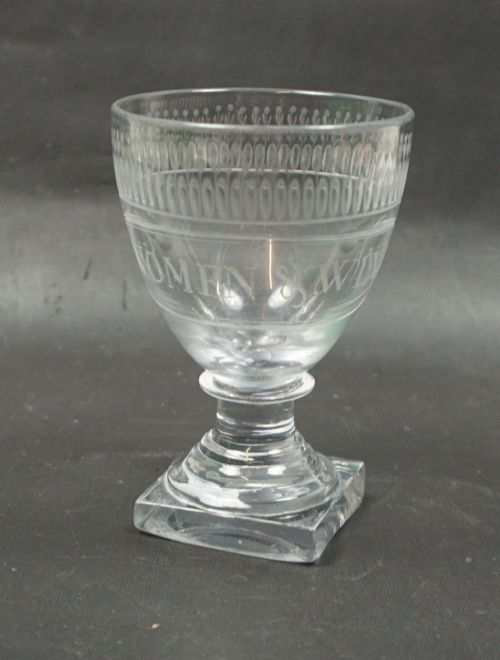
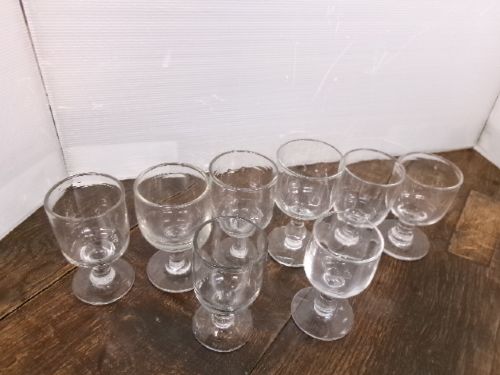
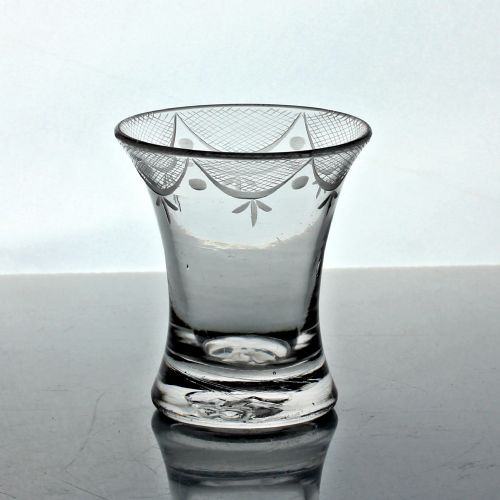
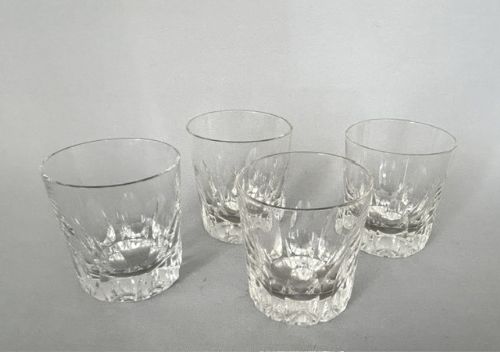
A small drinking glass covers various historical vessel types designed for spirits, wine, and toasts. These forms span from Georgian dram glasses and firing glasses to Victorian whisky tumblers and silver tot cups.
Buyers seeking a small drinking glass will encounter pieces ranging from mid eighteenth century Spanish and English glassware to later nineteenth century Victorian examples. The selection includes specific functional forms such as rummers and tot measures alongside related glassware.
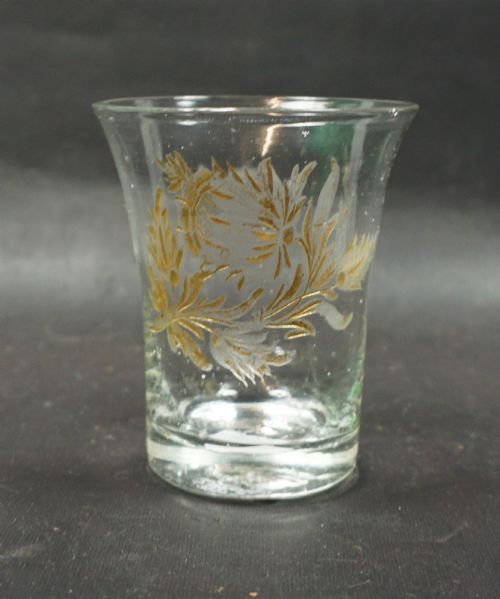
The objects present diverse decorative approaches, incorporating engraved floral motifs, gilded accents, and commemorative inscriptions. Each vessel reflects the drinking habits and social rituals of its specific period.
Materials and construction
The primary material across the selection is glass, encompassing lead glass, clear glass, cut glass, and crystal. Artisans shaped these mediums through traditional blowing and cutting techniques.
Decoration was achieved through meticulous engraving and the application of gold leaf, as seen on pieces originating from European workshops. Supplementary metal components incorporate sterling silver and brass.
Construction methods evolved from eighteenth century hand-blown vessels to later Victorian production, occasionally combining glass with metal stands or mounts.
Small Drinking Glass Retail Price Guide 2026
Typical asking prices for small drinking glass among the pieces listed under this phrase on Sellingantiques today, from the lower quarter to the upper quarter. They describe what is for sale here now, not the wider market.
Listings feature glass, lead glass, crystal, sterling silver, and brass across Georgian and Victorian periods.
Assessing quality
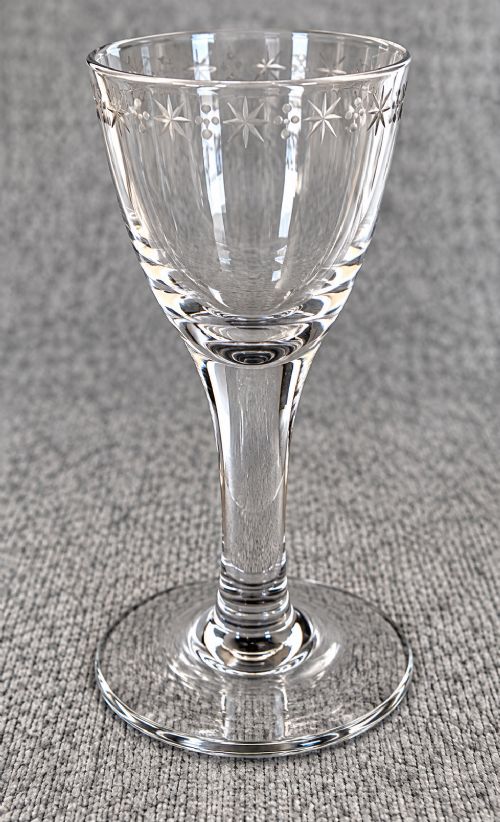
Quality in a small drinking glass rests upon the clarity of the material and the precision of the hand engraving. Superior pieces display crisp wheel-cut or engraved details without blurring or surface distortion.
The weight and balance of the metal or glass contribute significantly to the overall distinction of the piece. Finer examples maintain proportional harmony between the bowl, stem or base, and decorative elements.
The Small Drinking Glass Glossary
- Dram glass
- A small drinking glass designed for holding a small measure of spirits. These vessels date primarily to the eighteenth century.
- Firing glass
- A small drinking glass featuring a thick, heavy foot historically banged on a table to create a noise resembling a musket volley during toasts. They belong to the Georgian period.
- Rummer
- A large or small drinking glass popular in the eighteenth and nineteenth centuries, typically used for wine or punch. Their robust forms often feature engraved decoration.
- Tot cup
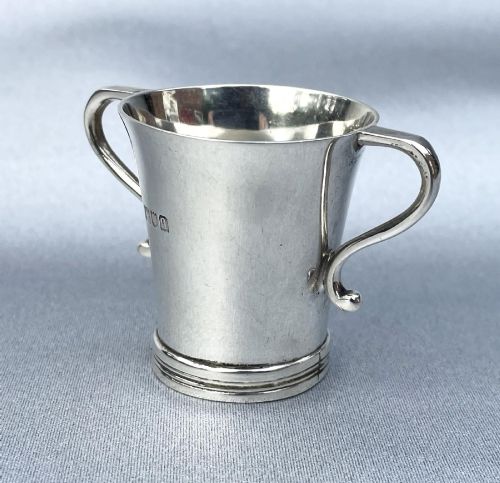
- A small drinking vessel or measure used for spirits. These often incorporate silver mounts or elements from the early twentieth century.
- Lead glass
- A type of glass containing lead oxide, which increases brilliance and weight. It provides the heavy, clear substance characteristic of fine antique drinking vessels.
Small Drinking Glass: Frequently Asked Questions
What is a small drinking glass used for historically?
These vessels served specific alcoholic portions such as drams of spirits, wine, or toasts during formal gatherings and tavern customs.
Different shapes corresponded to particular drinks, ensuring the appropriate measure was consumed.
How do I tell an 18th century glass from a Victorian one?
Eighteenth century examples often display lighter, blown forms with hand-engraved floral or commemorative motifs and pontil marks on the base.
Victorian pieces tend to show heavier proportions, distinct mould lines, and styles associated with the later nineteenth century.
Can I use an antique drinking glass daily?
Many collectors prefer to display these delicate items rather than risk damage from modern dishwashers and daily use.
Gentle hand washing is essential if you decide to use them for special occasions.
What periods do these glasses come from?
The available selection primarily spans the Georgian and Victorian eras, alongside early twentieth century pieces.
Each period introduces distinct manufacturing techniques and decorative motifs.