
Victorian Slipper Armchairs
Victorian slipper armchairs are low-slung, deeply comfortable seating options designed for ease and elegance in nineteenth-century domestic spaces.
Victorian Slipper Armchairs
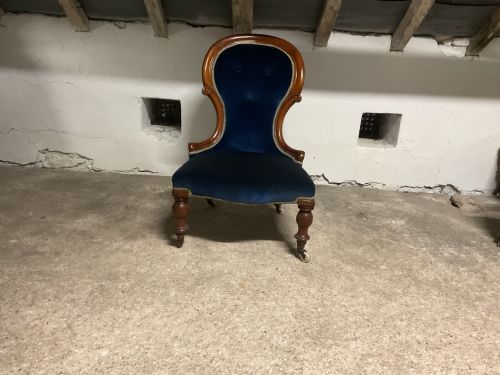
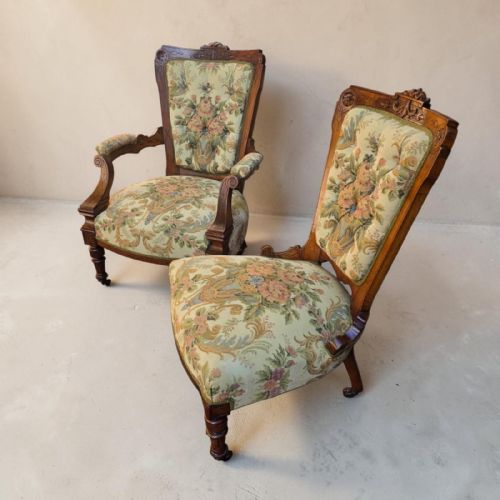
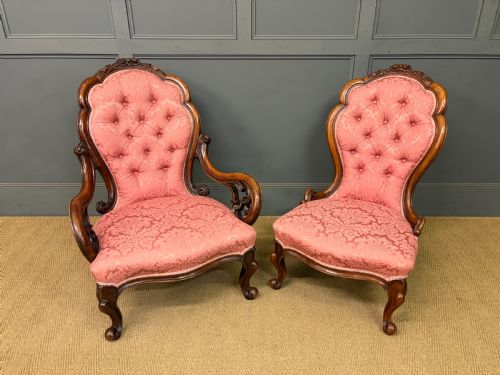
When you search for Victorian slipper armchairs, you enter a category of low-framed seating historically designed for the bedroom or intimate parlour. The pieces seen on this page span the nineteenth century, including specific dates from 1850 to 1880, alongside related Edwardian and Regency examples.
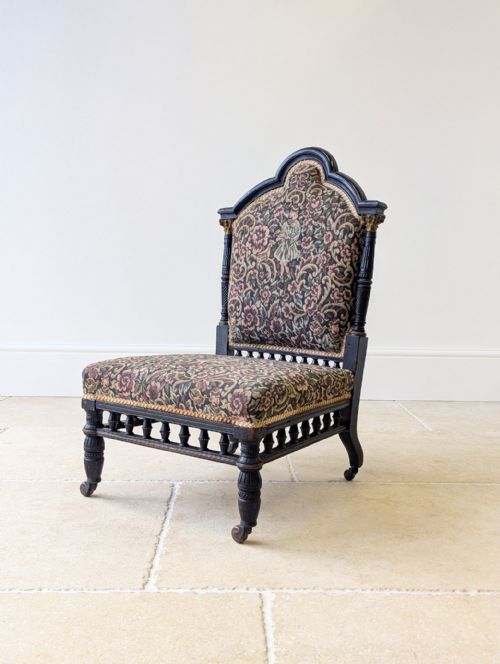
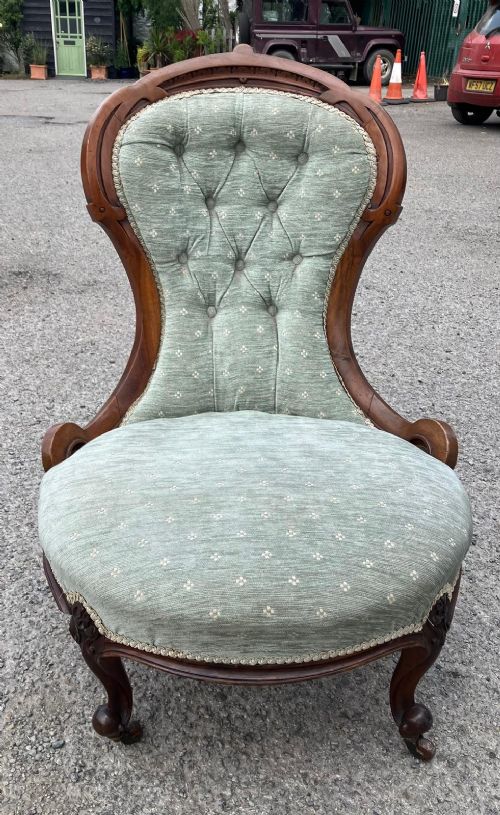
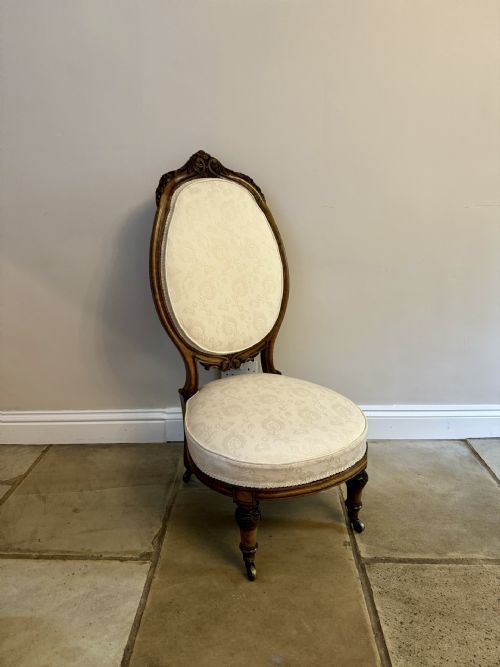
The forms vary from low salon chairs and nursing chairs to tub armchairs, spoon-back designs, and occasional seating. Walnut and mahogany frame woods appear frequently, often shaped into carved or ebonised structures.
Makers such as Howard and Sons and Gillows contribute to the higher end of the selection, while simpler English and French regional pieces fill out the variety of domestic seating.
Materials and construction
The frames of these chairs rely heavily on hardwoods such as walnut, mahogany, and rosewood, frequently shaped with hand-carved details or ebonised finishes. Structural support utilises internal iron elements in specific low-profile iron-back variants.
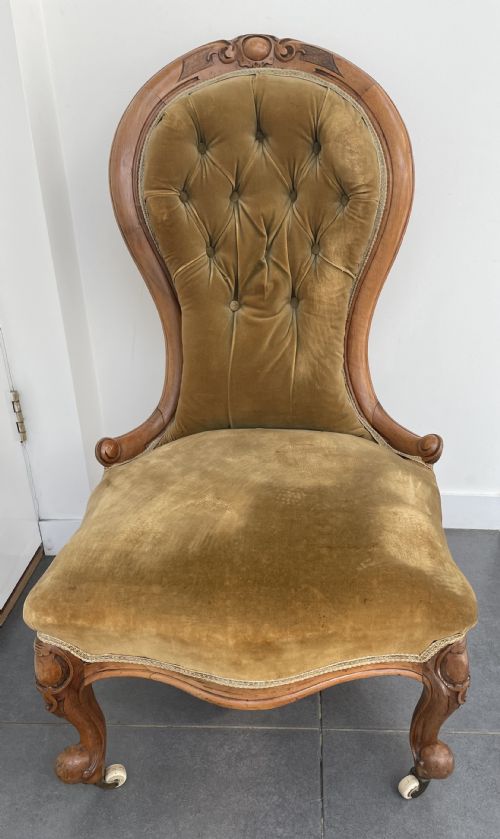
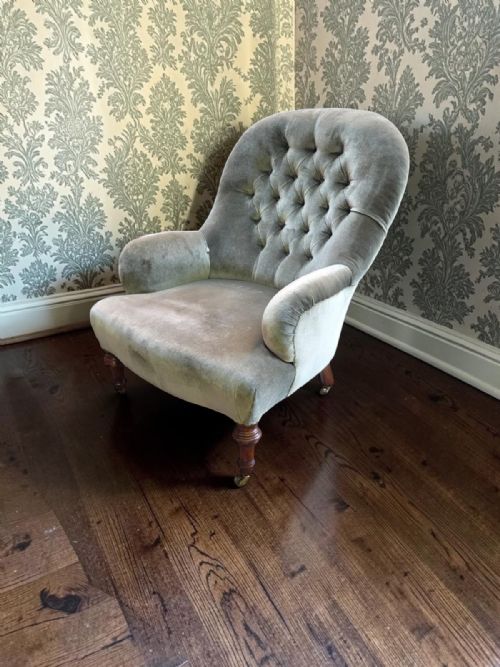
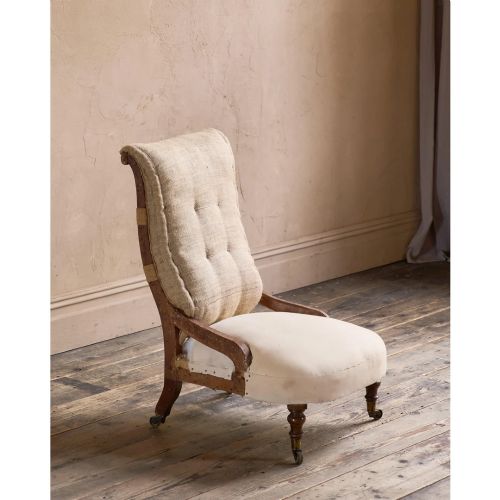
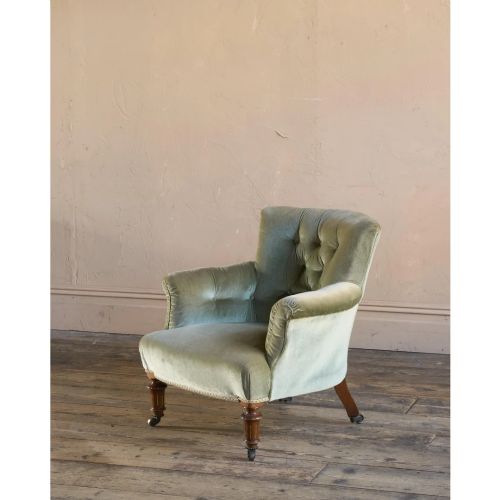
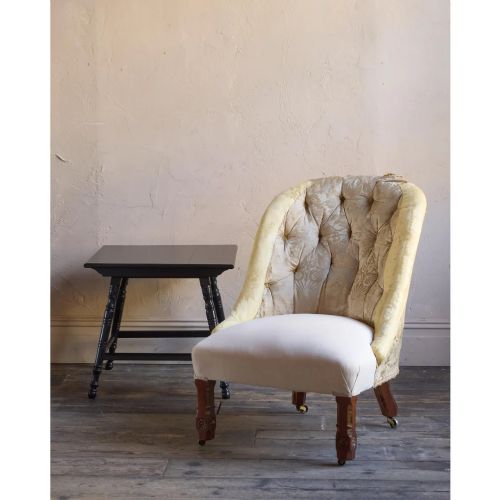
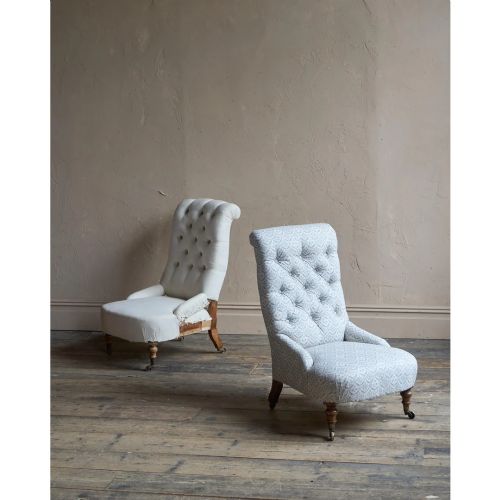
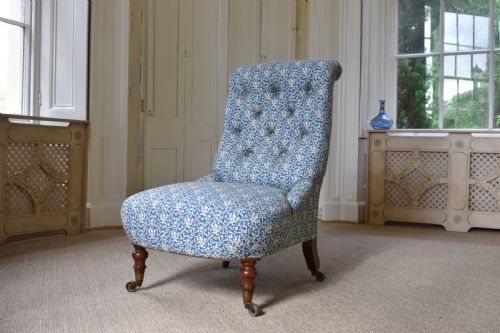
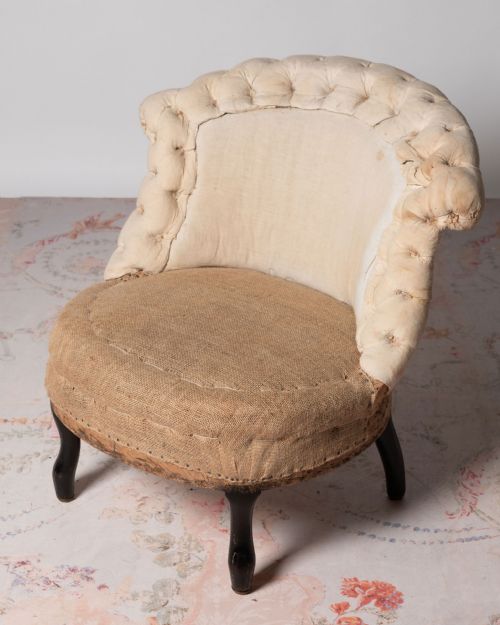
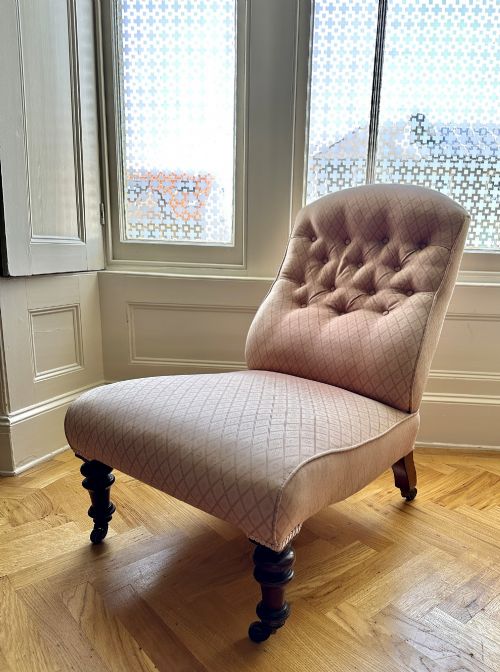
Upholstery techniques involve traditional stuffing secured with hessian webbing, topped with fabrics including velvet, leather, and decorative printed cottons. Button-back tufting appears across many examples to secure the deep padding.
Castors made of brass are frequently fitted to the low wooden legs to allow smooth movement across carpeted drawing rooms and bedrooms.
The styles span standard Victorian pieces, French Napoleon III designs, and Aesthetic Movement ebonised salon chairs.
Assessing quality
The distinction between standard production and exceptional quality rests on the crispness of the timber carving and the integrity of the underlying frame construction. Pieces carrying stamps or attributions to prominent makers command greater attention through superior joinery and refined proportions.
Upholstery materials also signal tier, with historically appropriate textiles like silk velvet or branded furnishing cottons indicating careful restoration or original luxury specification.
Howard and Sons·Gillows·Holland and Sons·CVS
The Victorian Slipper Armchairs Glossary
- Spoon-back
- A chair back carved into a concave, oval shape resembling the bowl of a spoon. This nineteenth-century form provides ergonomic support for the spine.
- Button-back
- An upholstery style where depressions are formed in the padding by pulling buttons tight into the internal webbing. It creates a tufted surface that keeps stuffing evenly distributed.
- Ebonised
- Wood treated with a chemical stain or black finish to imitate expensive ebony. It became popular during the Aesthetic Movement.
- Hessian
- A coarse woven fabric made from jute fibres, used internally as a foundation for traditional upholstery stuffing. It conceals and protects the interior springs and hair.
- Tub chair
- An armchair featuring a rounded, continuous back and armrest structure shaped like a barrel or tub. These pieces offer enclosed, supportive seating.
Victorian Slipper Armchairs: Frequently Asked Questions
What is a Victorian slipper armchair?
A Victorian slipper armchair is a low-seated upholstered chair designed originally for bedrooms and dressing rooms, allowing individuals to comfortably put on shoes.
These pieces feature shortened legs and deep padding, often incorporating button-backed upholstery and walnut or mahogany frames.
How do I identify a nursing chair?
Nursing chairs are characterised by exceptionally low seats and lack of high arms, originally intended to give mothers room to nurse infants.
They share many stylistic traits with slipper armchairs and are frequently found with spoon-backs or button-tufted upholstery.
Are these chairs comfortable for daily use?
These armchairs offer deep, supportive seating due to their traditional sprung and stuffed upholstery construction.
Their low profile makes them well suited as accent or occasional chairs in modern living spaces.
How do I care for antique upholstery?
Care depends entirely on the fabric used, ranging from delicate antique velvets to robust modern designer cottons.
Vacuuming gently with a soft brush attachment helps remove surface dust without straining the internal buttoning.