




Vintage Pink Lounge Chair
A vintage pink lounge chair brings a touch of period elegance to a room, offering comfortable seating shaped by Victorian, Edwardian, and later craft traditions.
Vintage Pink Lounge Chair
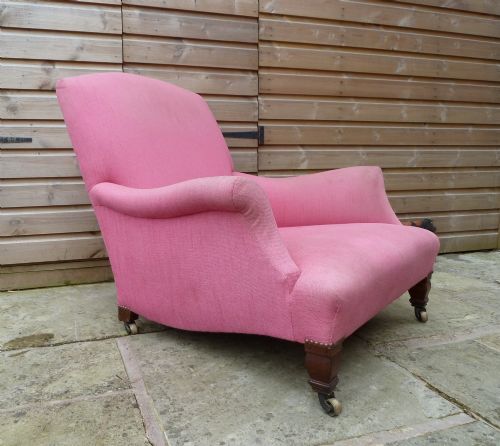
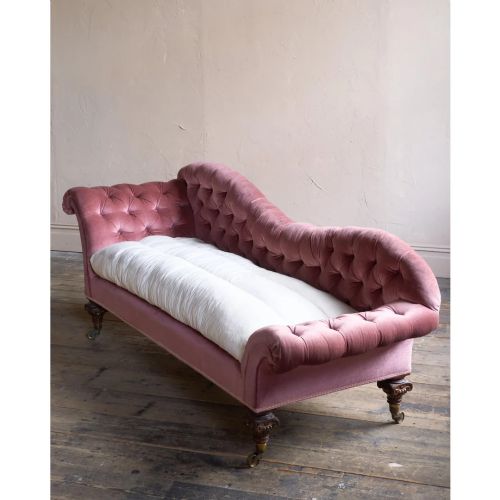
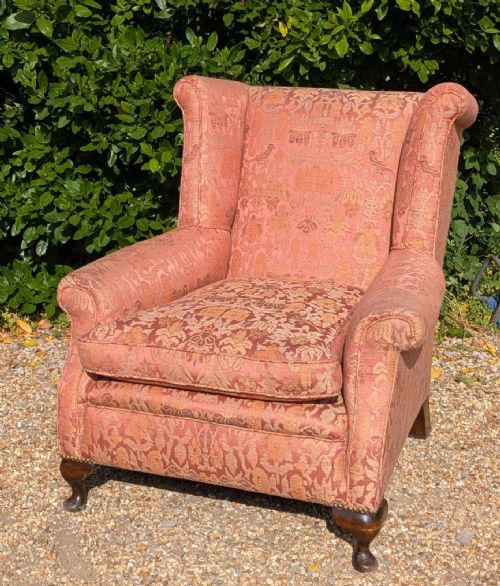
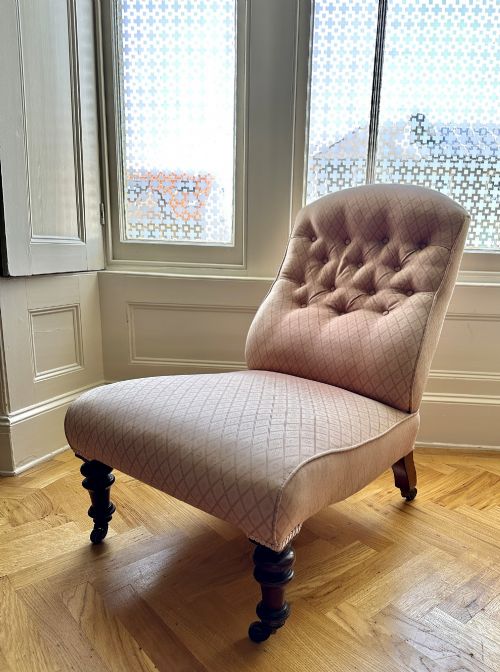
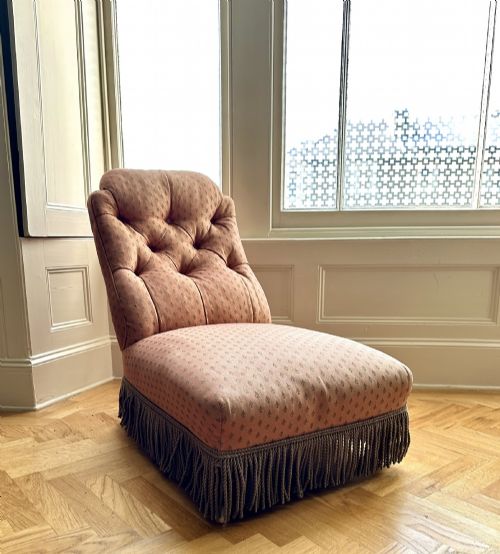
When searching for a vintage pink lounge chair, buyers encounter a variety of comfortable seating options spanning the nineteenth and early twentieth centuries. These pieces encompass armchairs, slipper chairs, daybeds, and chaise longues originating from periods such as the Victorian, Edwardian, and nineteen-thirties eras.
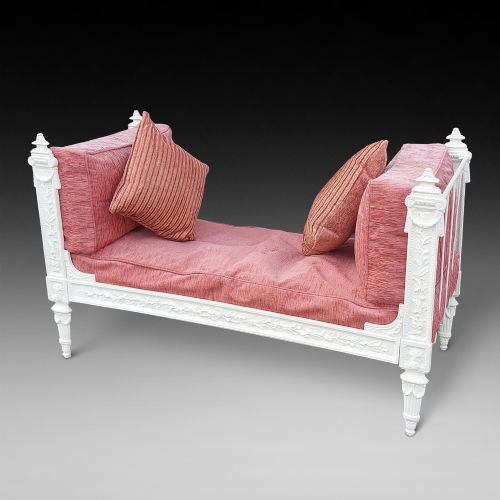
The selection ranges from button-backed slipper chairs and salon suites to reclining armchairs and daybeds. Many examples reflect specific design traditions, including English Country House, Art Deco, and Louis XVI style influences.
Materials vary widely across these items, featuring upholstery fabrics like velvet, damask, and general textiles paired with frames of hardwood, mahogany, teak, cast iron, and brass. Buyers are most likely to meet upholstered armchairs and slipper chairs featuring traditional sprung or feather-filled construction.
How they were made
Makers utilised sturdy structural frames built from hardwoods like mahogany and teak, alongside metal elements such as cast iron and brass for daybeds and reclining mechanisms. Upholstery techniques relied on traditional stuffing methods, feather filling, and button-backed detailing.
Textiles played a primary role in the surface finish, utilising durable velvet, damask, and woven fabrics often accented with decorative fringe. Woodwork was shaped into distinct forms including Ionic column legs and exposed hardwood frames in the manner of established workshops.
Vintage Pink Lounge Chair Retail Price Guide 2026
Typical asking prices for vintage pink lounge chair among the pieces listed under this phrase on Sellingantiques today, from the lower quarter to the upper quarter. They describe what is for sale here now, not the wider market.
Victorian sitters enjoyed deep button-backed comfort so thoroughly that even iron daybeds were dressed up for a proper lounge.
What varies in quality
The standard of a piece is defined by the integrity of its internal frame and the skill of its upholstery work. Solid hardwood or iron frames paired with dense feather filling or well-maintained spring systems represent superior craftsmanship compared to simpler secondary woods.
Detailing also distinguishes the range, such as hand-turned legs, precise button-tufting, and the quality of the selected velvet or damask fabric. Pieces reflecting specific stylistic movements or maker interpretations generally exhibit more refined proportions and finishing.
The Vintage Pink Lounge Chair Glossary
- Slipper chair
- A low-seated upholstered chair originally designed for a bedroom or dressing room. These pieces sit close to the floor for ease of use.
- Chaise longue
- An upholstered sofa in the form of a chair with a long seat suited for reclining. Many feature decorative wooden or column legs.
- Damask
- A reversible figured fabric woven on a jacquard loom, frequently utilised for historical upholstery. It provides a patterned, textured surface finish.
- Bergere
- An enclosed upholstered armchair with wooden framing around the sides and back. French examples often date from the early twentieth century.
- Daybed
- A couch that can be used for lounging or sleeping, frequently constructed with iron or hardwood frames. Some late Victorian examples feature elaborate metalwork.
Vintage Pink Lounge Chair: Frequently Asked Questions
How do I clean vintage velvet upholstery?
Velvet requires gentle brushing to maintain the pile and prevent flattening over time. Professional cleaning is generally advised for older textiles to avoid water damage.
Avoid harsh chemical sprays and direct sunlight, which can fade pink dyes and degrade delicate natural fibres.
Are these chairs suitable for daily use?
Many nineteenth and twentieth-century armchairs were built with robust hardwood frames designed for regular seating. Feather fillings and interior springs offer substantial support for everyday living.
It remains wise to check the internal structure and upholstery stability before putting older pieces into heavy daily service.
What is a slipper chair used for?
Slipper chairs were traditionally placed in bedrooms to allow women to sit comfortably while putting on shoes or garments. Their low profile makes them ideal for smaller spaces or occasional seating.
Today, they function well as accent pieces in living rooms, dressing areas, or reading corners.
How do I identify a Victorian armchair?
Victorian armchairs often feature deep button-tufting, turned wooden legs, and heavy upholstery fabrics such as velvet or damask. Proportions tend to be generous and focused on comfort.
Construction details like hand-carved mahogany frames and traditional stuffing help distinguish pieces from this period.