

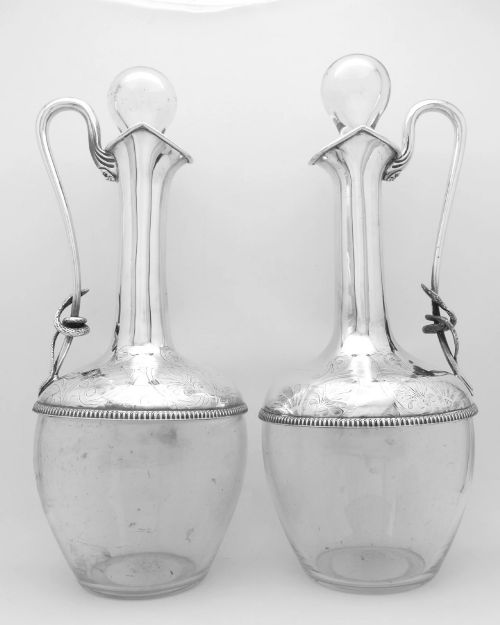


Victorian Silver Wine Pitcher
When you seek a victorian silver wine pitcher, you are looking at substantial vessels designed to serve claret and other table wines with ceremony.
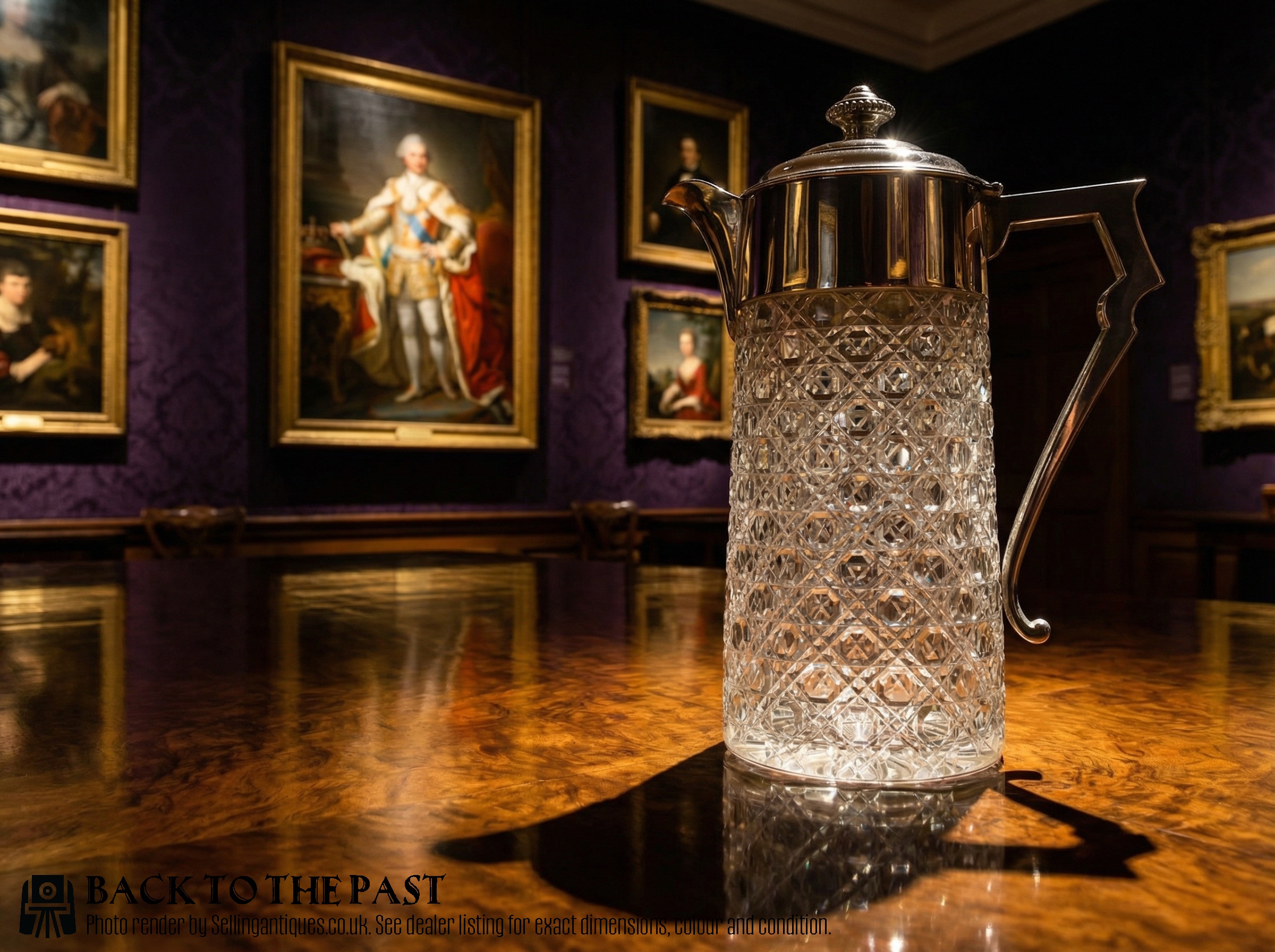
Victorian Silver Wine Pitcher
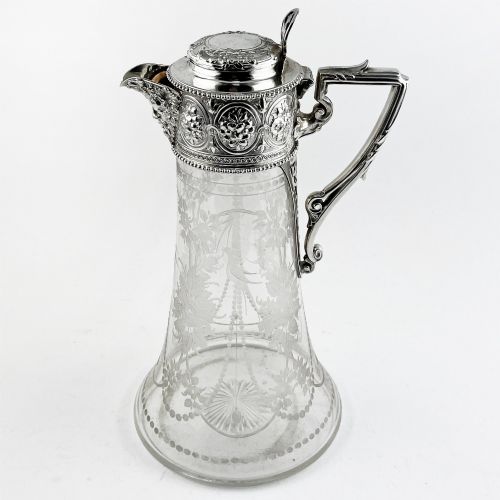
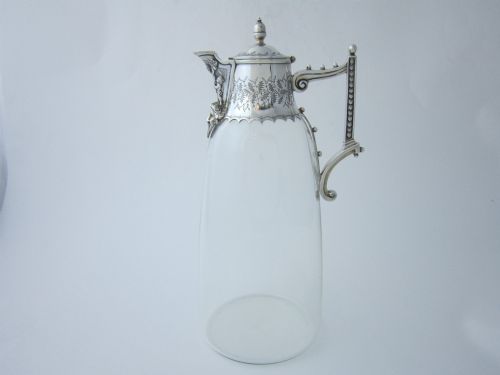
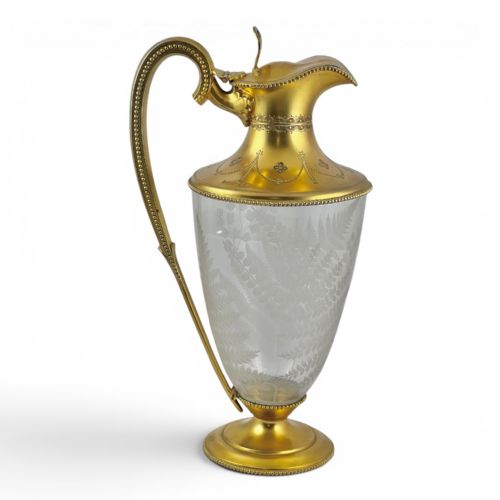
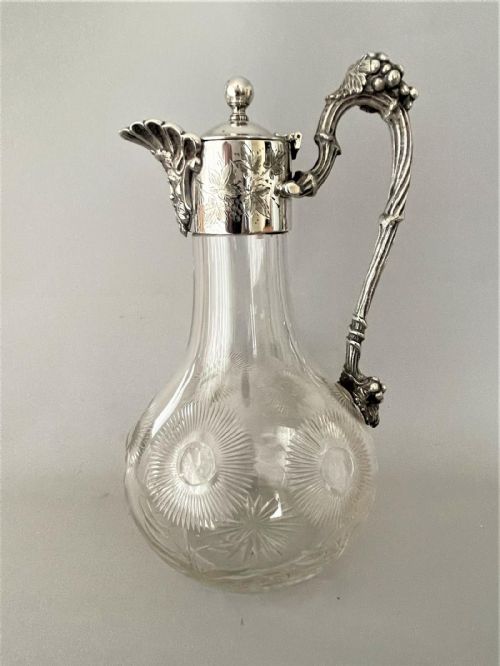
A victorian silver wine pitcher primarily takes the form of a claret jug, combining a glass body with metal mounts, handles, and hinged covers. These vessels emerge predominantly from the nineteenth century, spanning periods from the eighteen-sixties through the Edwardian era.
The objects serve as functional serving ewers, flagons, and decanters designed for formal dining tables. Alongside standard glass bodies, versions employ cranberry glass or feature etched and cut crystal formations.
How They Were Made
Silversmiths utilised sterling silver or silver plate mounted onto glass bodies, combining metalworking with glass blowing and cutting. Handles often take sculptural forms such as serpents, bacchus masks, or novelty figures attached to securely hinged mounts.
Techniques range from electrotyping and floral engraving to acid etching on glass and crystal. Mounts are fastened to the blown vessels with collars and secure seals designed to contain liquid during pouring.
What Varies in Quality
The standard of execution in the metal mounts dictates much of the distinction, separating cast and chased sculptural handles from simpler, stamped iterations. The depth and clarity of glass cutting or etching similarly mark out finer examples.
Design attribution to notable makers or specific stylistic movements introduces further variation in desirability. The crispness of hallmarks and the weight of the silver or silver-plated elements ground the overall substance of each piece.
Asprey and Co. Ltd·Henry Bourne·Elkington·Hukin & Heath
The Victorian Silver Wine Pitcher Glossary
- Silver Plate
- A layer of silver fused or electroplated onto a base metal core such as copper or Britannia metal. This technique allowed manufacturers to produce elaborate tableware at a lower cost than solid sterling silver.
- Electrotype
- A metal-copying process utilising electroplating to deposit silver into a mould, creating detailed sculptural reliefs and mounts. Henry Bourne famously employed this method for vessels.
- Cellini Ewer
- A style of decorative pitcher characterised by Renaissance revival ornamentation, named after the famous Italian goldsmith Benvenuto Cellini. These pieces feature dense, ornate relief work.
- Cranberry Glass
- A rich red-pink transparent glass created by adding gold chloride to the molten glass batch. It appears frequently in nineteenth-century decanters and wine jugs.
Victorian Silver Wine Pitcher: Frequently Asked Questions
What is the difference between a claret jug and a decanter?
A claret jug incorporates a handle and a hinged lid with a thumbpiece to facilitate pouring wine at the table. A standard decanter relies on a stopper rather than an attached mechanical lid.
Claret jugs are specifically engineered for serving red wine directly into glasses during meals, whereas decanters often serve a dual purpose of aeration and longer-term storage.
How do I clean a silver mounted glass pitcher?
Wash the glass body gently by hand using warm soapy water and a soft bottle brush. Avoid submerging metal mounts for extended periods to protect adhesives and hinged mechanisms.
Polish the silver elements carefully with a specialised cloth, keeping cleaning pastes away from the glass surface and internal seals.
Are these pitchers suitable for serving wine today?
These vessels remain entirely functional for serving wine provided the interior is clean and the seals remain sound. Many users continue to utilise them for formal dinners and gatherings.
Care should be taken with older silver plate and delicate crystal structures during handling and washing.
How do I identify the period of a silver mount?
Examine the metal mounts for stamped hallmarks indicating the assay office, date letter, and maker's mark. Sterling silver pieces from the nineteenth century carry specific town marks and date cyphers corresponding to British assay office records.
Silver-plated items generally feature maker's marks or model numbers rather than official sterling hallmarks.