




Victorian Silver Wine Jug
A victorian silver wine jug combines the weight of sterling or silver plate with clear glass to grace the dining table.
Victorian Silver Wine Jug
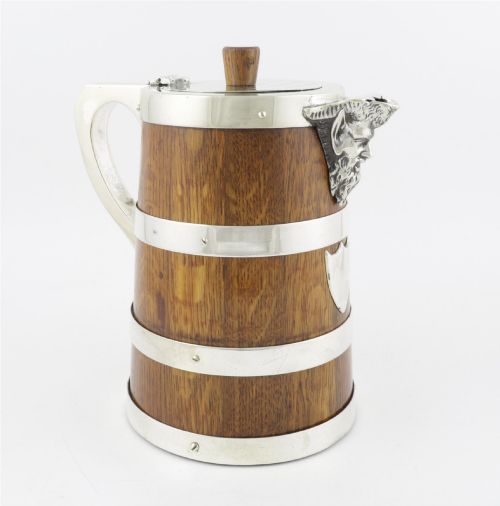
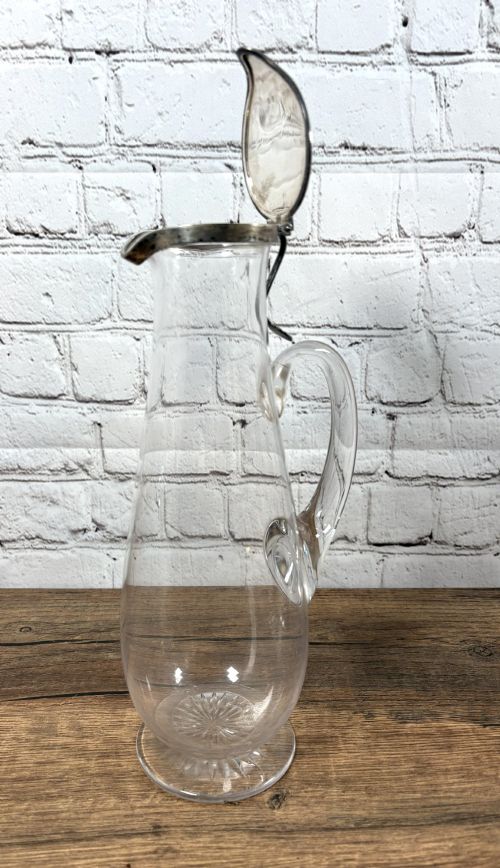
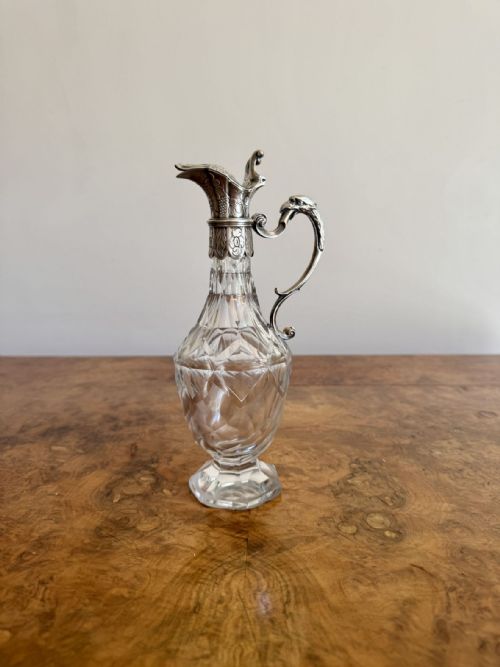
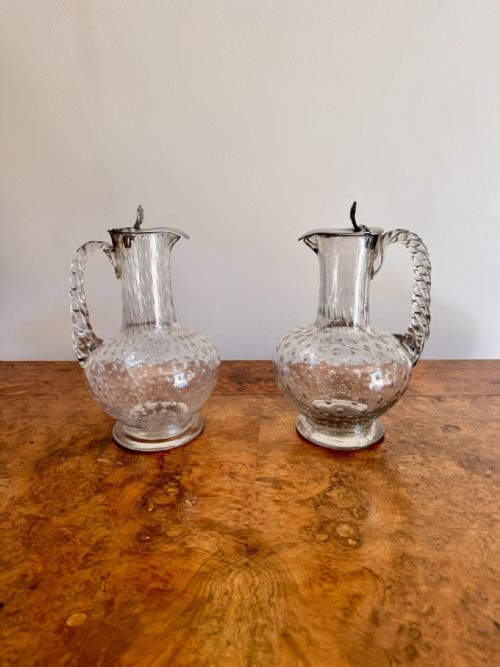
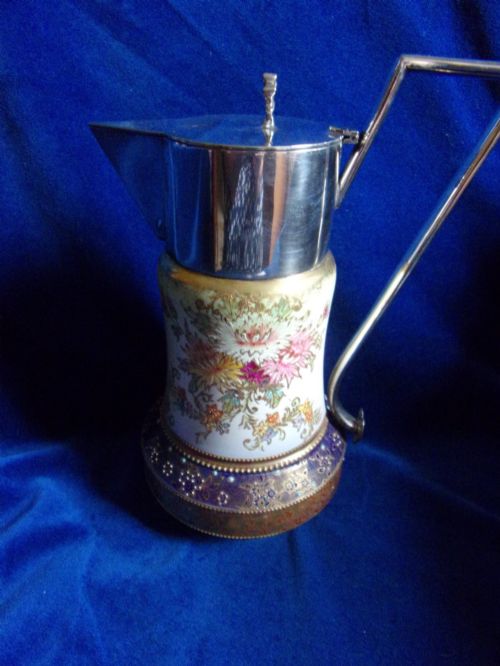
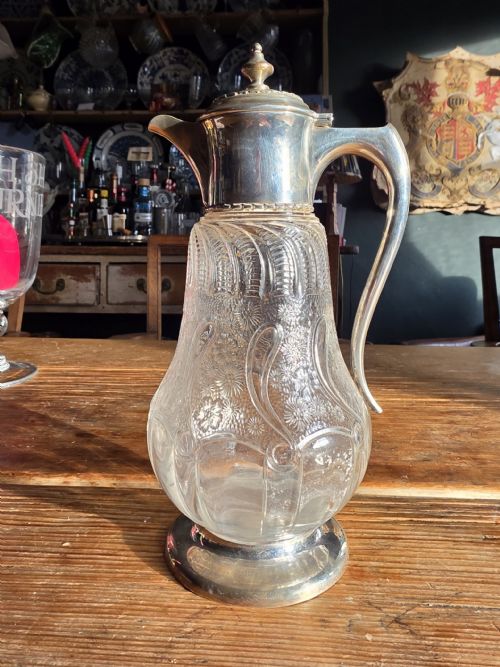
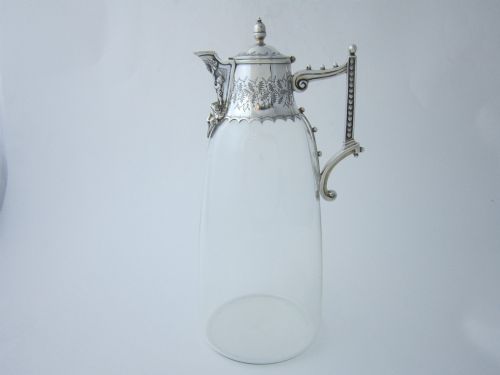
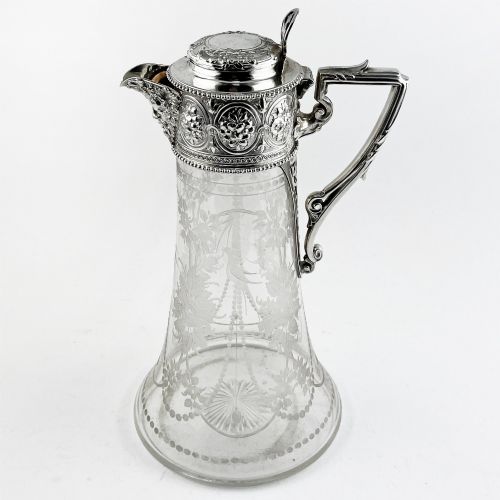
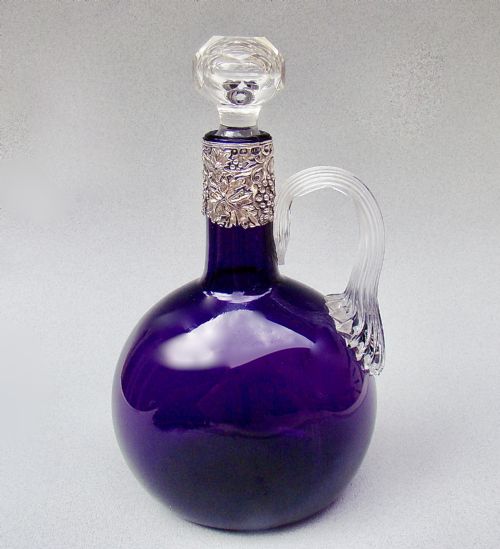
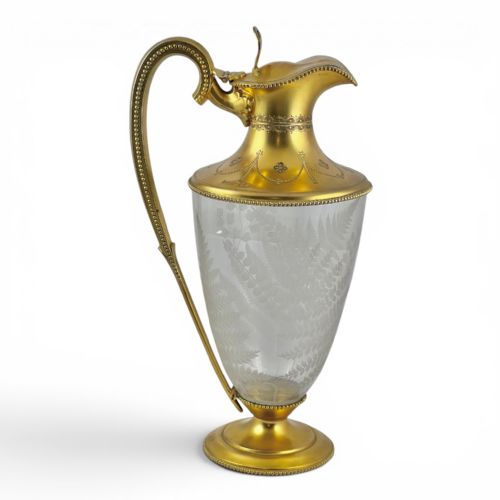
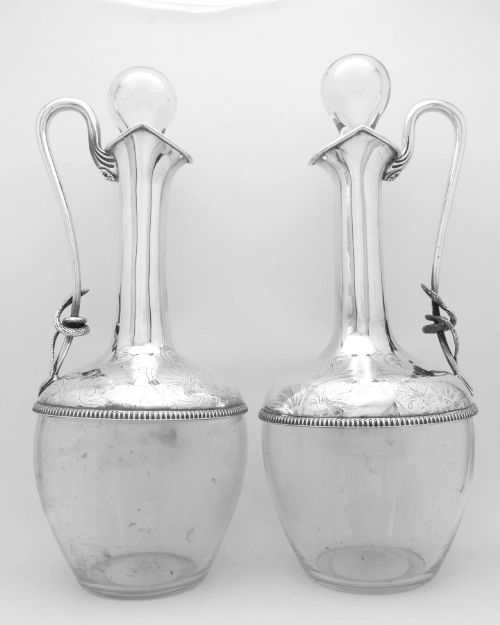
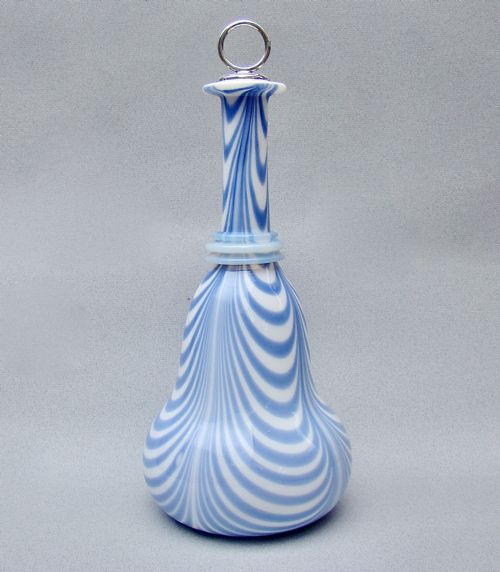
A victorian silver wine jug is typically encountered as a claret jug, wine ewer, or decanter dating from the nineteenth century. These serving vessels combine metal mounts, handles, and hinged lids with glass bodies designed for formal dining.
Most examples originate in the Victorian and Edwardian eras, spanning styles from classic floral engraving to French Rococo Revival and Art Nouveau. The form bridges functional hospitality and decorative sculpture for the sideboard.
Materials and construction
The body of each piece relies heavily on transparent, cut, or etched glass and crystal, sometimes coloured in cranberry, Bristol blue, or amethyst. This glass container receives mounts, handles, and covers cast or electroplated in silver.
Craftsmen utilised sterling silver or silver plate for detailed mounts, incorporating motifs such as Bacchus masks, serpents, monkeys, and vine leaves. Hinged lids and scroll handles complete the assembly, secured tightly to the glass neck.
Victorian Silver Wine Jug Retail Price Guide 2026
Typical asking prices for victorian silver wine jug among the pieces listed under this phrase on Sellingantiques today, from the lower quarter to the upper quarter. They describe what is for sale here now, not the wider market.
Assessing craftsmanship
Quality rests in the harmony between the glass body and the metal mount, where heavier casting and deep-relief chasing indicate superior work. The precision of the cut glass pattern and the crispness of maker hallmarks elevate certain pieces above standard production.
Design attribution plays a part in distinction, with works associated with notable makers or specific artistic movements commanding greater attention. The weight of the silver mount and the clarity of the crystal define the upper tier of these vessels.
Asprey and Co. Ltd·Henry Matthews·Henry Bourne·Elkington·Hukin and Heath·Henry Stratford·Edward John and William Barnard
The Victorian Silver Wine Jug Glossary
- Silver plate
- A layer of silver applied to a base metal, commonly utilised during the nineteenth century for large tableware items. This method offered the appearance of solid silver at a lower cost.
- Ewer
- A pitcher with a large spout and a decorative handle, often utilised for water or wine. The form derives from classical antiquity.
- Electrotype
- A metal object produced by electroplating copper or silver onto a mould. This technique allowed Victorian makers to replicate intricate sculptural details accurately.
- Crystal
- A high-clarity glass containing lead oxide, which increases the weight and refractive index. Cut crystal surfaces scatter light across the dining room.
Victorian Silver Wine Jug: Frequently Asked Questions
What is a claret jug?
A claret jug is a specialised serving vessel designed to hold and pour red wine during formal meals.
These pieces typically pair a glass body with a metal handle, spout, and hinged lid.
How were these jugs used?
Hosts utilised these vessels on the dining table to aerate and serve wine to guests.
Certain ecclesiastical examples served religious purposes during communion services.
How do I date a piece?
Dating relies on reading the hallmarks stamped onto the silver mounts, which indicate the assay office and year of production.
Stylistic shifts, such as the transition from Rococo Revival to Art Nouveau, also help place pieces within the nineteenth or early twentieth century.
How should I clean the glass?
Gentle washing with warm water and mild detergent maintains the clarity of the cut glass without damaging the metal mounts.
Harsh abrasives and immersion in chemical dips should be avoided to protect the silver plate or sterling surface.