

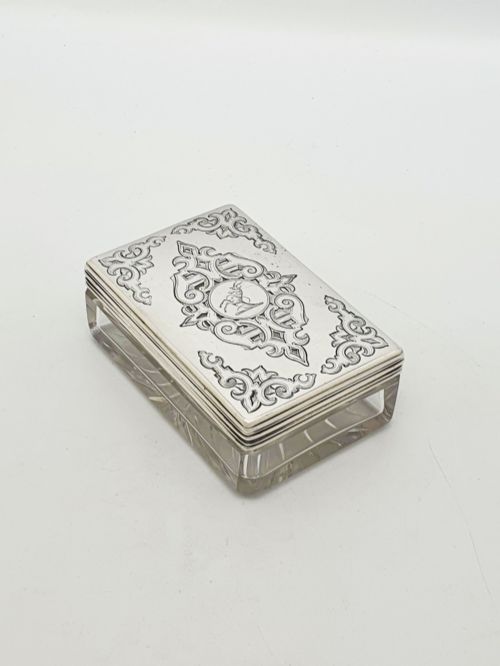


Victorian Silver Vanity Bottle
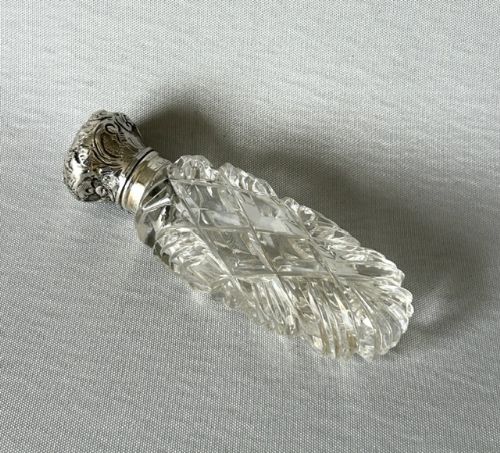
A victorian silver vanity bottle brings together functional dressing table accessories and portable scent containers crafted during the nineteenth century.
Victorian Silver Vanity Bottle
A victorian silver vanity bottle encompasses portable scent containers, scent flasks, and dressing table accessories mounted with silver collars or lids. These objects were designed for personal grooming and travel, often housing perfumes or volatile salts within fitted dressing cases.
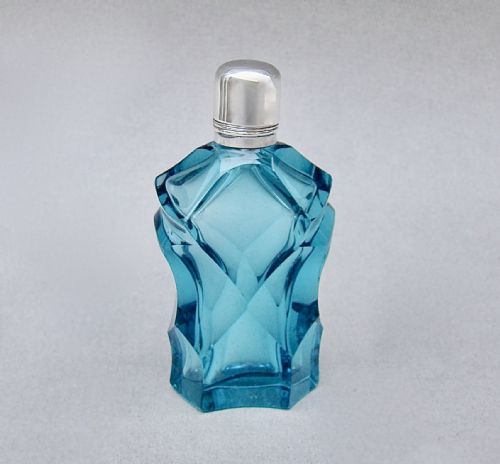
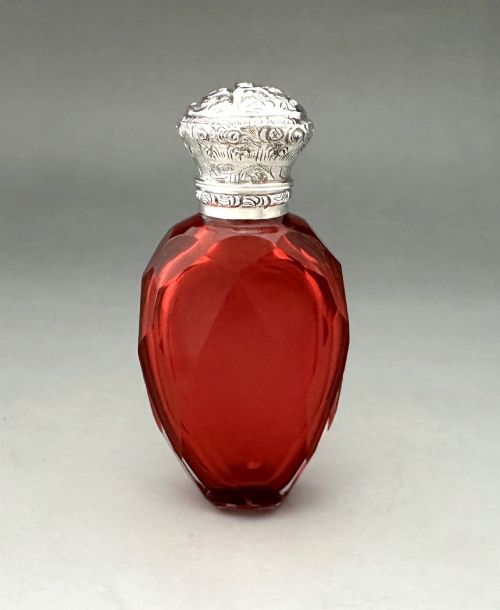
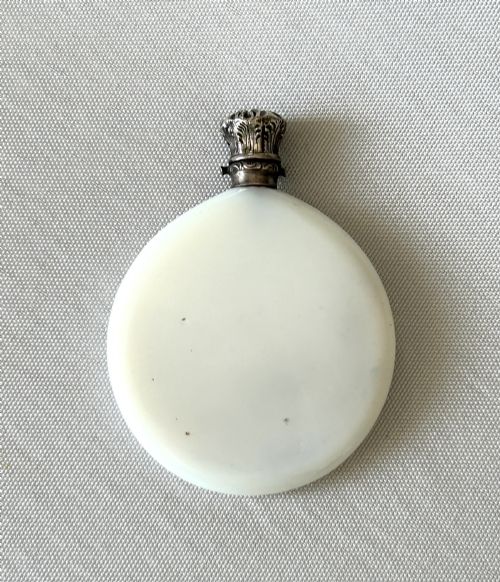
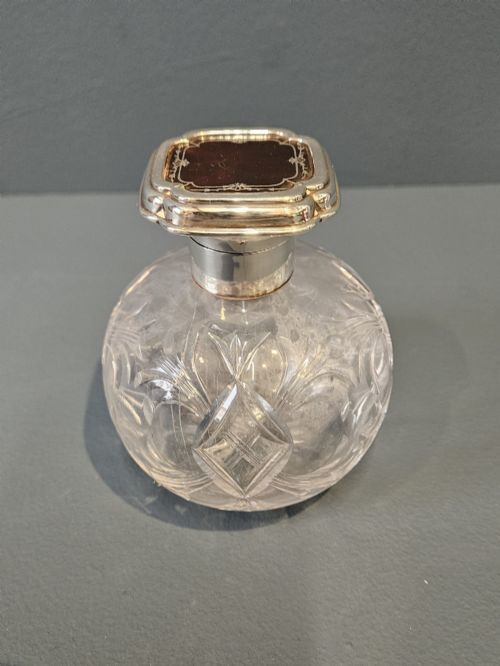
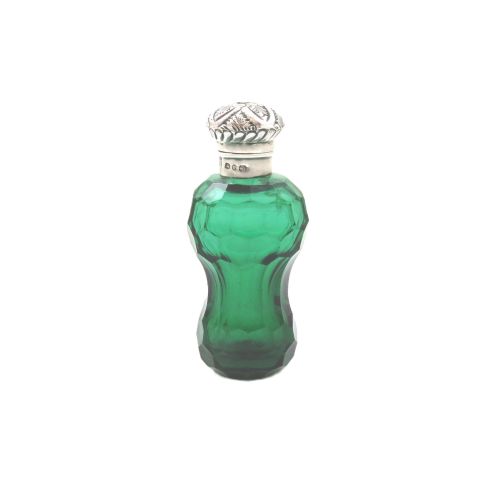
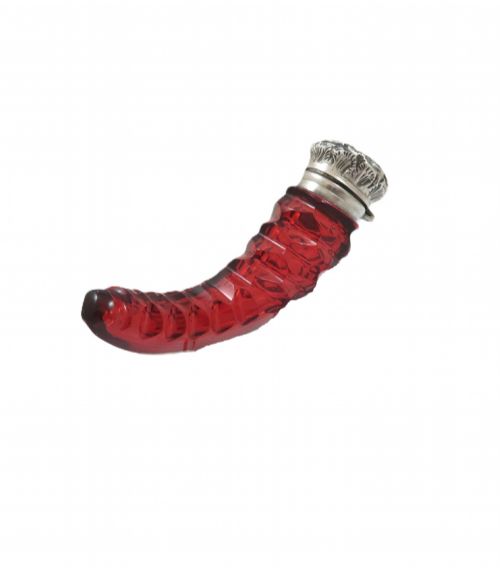
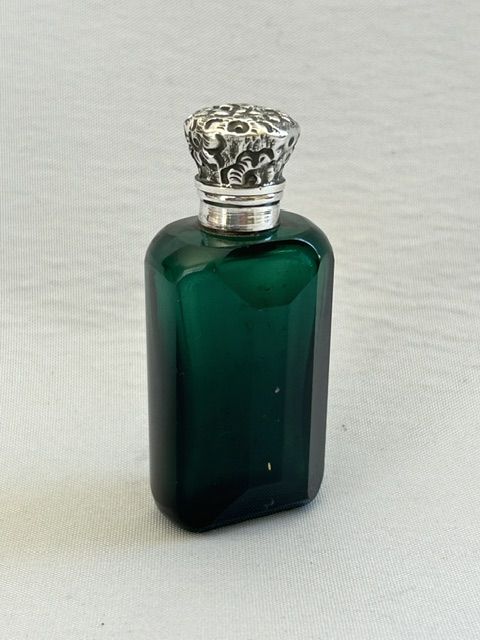
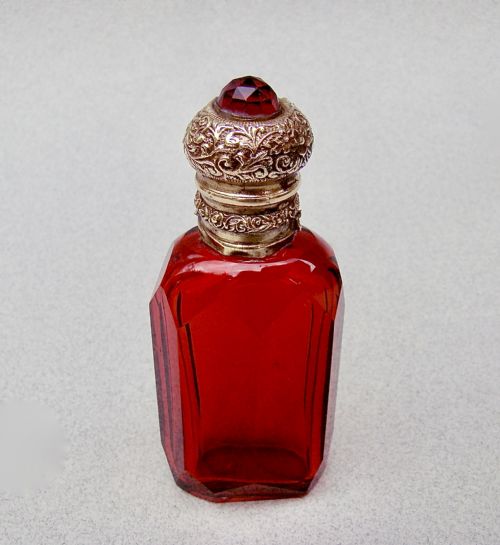
The specimens met most frequently on this page date from the Victorian and Edwardian eras, spanning ruby glass, green glass, opaline glass, and cut crystal bodies secured with sterling silver or silver gilt mounts.
How they were made
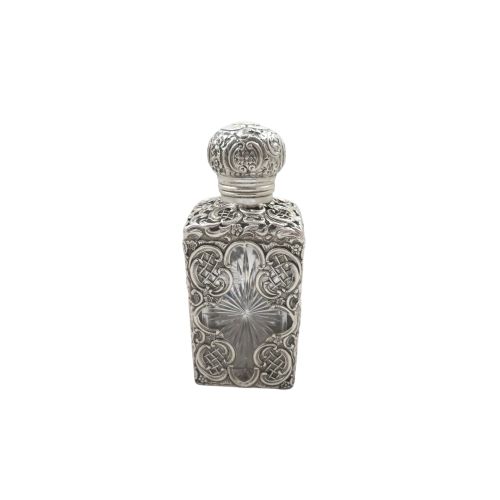
Makers combined blown or cut glass vessels with hinged and chased sterling silver mounts, collars, and screw caps. Coloured glass bodies such as cranberry, vaseline, and amethyst relied on metallic oxides added during melting.
Certain pieces incorporate overlaid glass, tortoise shell, or ormolu mounts, reflecting both English silversmithing and nineteenth century French glassmaking traditions.
Listings feature items spanning the Victorian, Edwardian, and nineteenth-century French periods, utilising sterling silver, cranberry glass, cut crystal, and velvet.
What varies in quality
The grade of a piece rests upon the weight of the sterling silver mount and the intricacy of its repoussé or chased decoration. Hand-cut crystal and specialised glass types like murrine or layered opaline elevate the distinction of the vessel.
Maker marks, clear date hallmarks, and intact internal stoppers contribute to the standing of an individual vanity bottle.
Horton & Allday·Edward Smith·Asprey·Franchini & Bigaglia
The Victorian Silver Vanity Bottle Glossary
- Sterling Silver
- An alloy consisting of 92.5 percent silver by mass, widely utilised for nineteenth-century bottle caps and collars. It provides the durable metal framework characteristic of these vanity pieces.
- Vinaigrette
- A small ornamental box or bottle containing a perforated grille, designed to hold a sponge soaked in aromatic vinegar. These portable items were carried by Victorians to combat unpleasant odours.
- Silver Gilt
- Silver that has been coated with a thin layer of gold on its surface. This technique imparts a rich golden warmth to the interior or exterior of the metal mount.
- Cranberry Glass
- A red or pink transparent glass produced by adding gold chloride to the molten batch. It forms the vibrant body of many nineteenth-century scent bottles.
- Guilloche
- A decorative engraving technique producing precise, intricate repetitive patterns upon metal surfaces. It frequently appears on engine-turned vanity box lids and bottle mounts.
Victorian Silver Vanity Bottle: Frequently Asked Questions
What is a silver vanity bottle?
A silver vanity bottle is a small personal container featuring a glass or crystal body fitted with a sterling silver cap, collar, or mount. These vessels held perfumes, scent waters, or smelling salts for daily grooming.
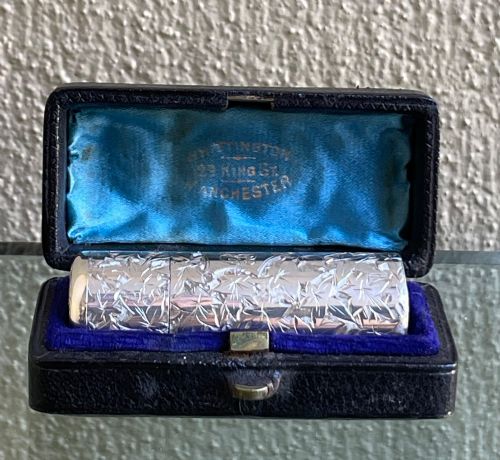
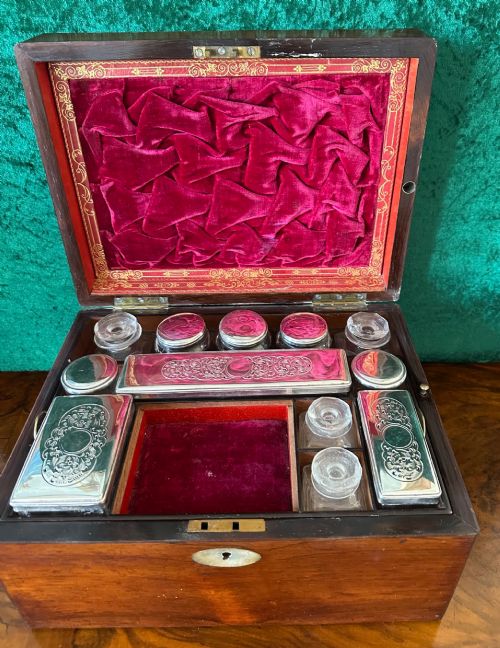
They were kept upon dressing tables or fitted inside portable leather and wood travelling vanity cases for use on journeys.
How do I date a silver scent bottle?
Dating relies heavily upon the assay office hallmarks stamped into the sterling silver mounts, which indicate the exact year of manufacture. Stylistic shifts in the glass colour and cutting style also provide broad period indicators.
Victorian pieces typically display mid to late nineteenth-century hallmarks, while Edwardian examples date from the opening decade of the twentieth century.
Did these bottles travel in cases?
Many perfume and scent bottles were manufactured specifically to fit inside custom compartments within wooden dressing cases. These fitted boxes often held multiple crystal bottles alongside trinket trays and writing implements.
Portable vanity sets allowed owners to transport their personal grooming accessories securely during nineteenth-century travel.
What glass colours were popular?
Nineteenth-century makers utilised a rich palette of transparent and opaque glass for vanity containers. Ruby, cranberry, vaseline, emerald green, and white opaline glass appeared frequently across English and French examples.
Cut crystal and sliced-cut clear glass were equally common, allowing the colour of the liquid perfume to show through.