

Victorian Silver Trinket
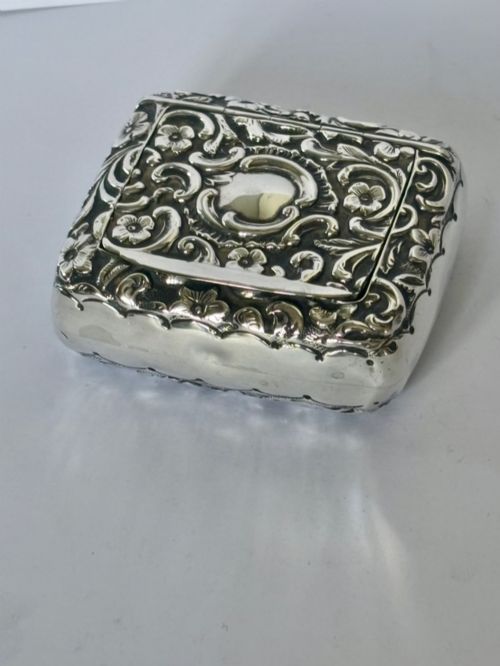
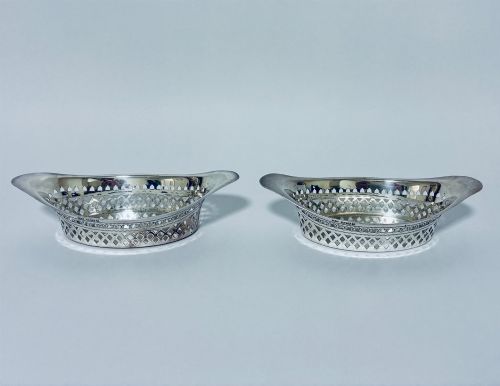
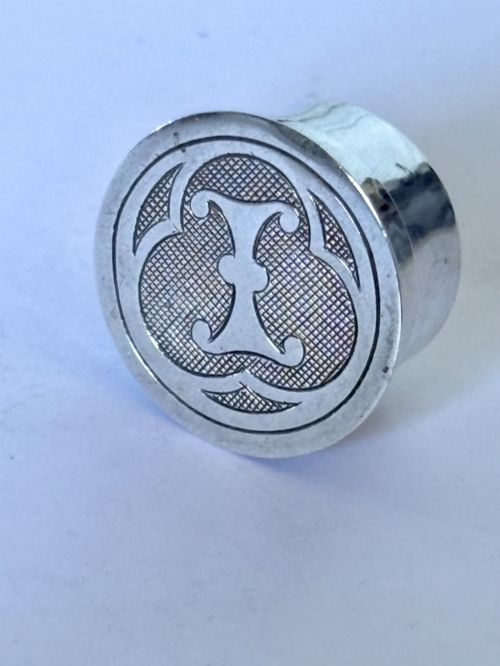
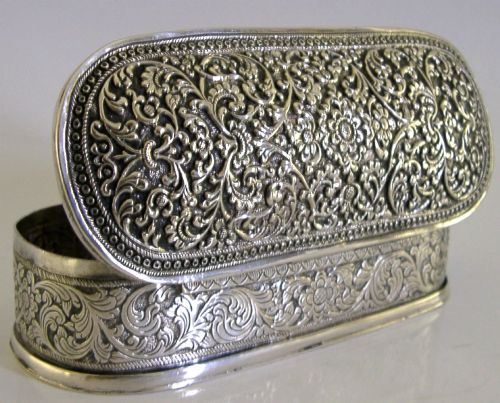
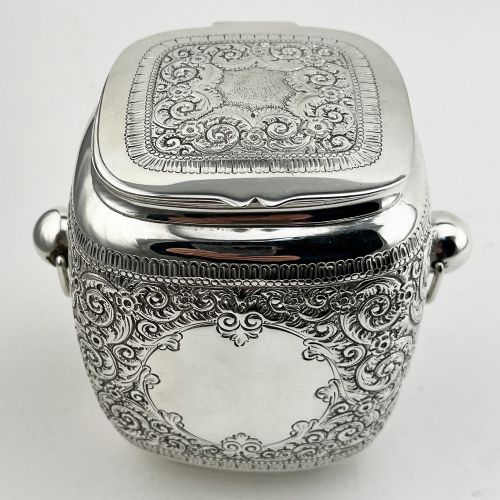
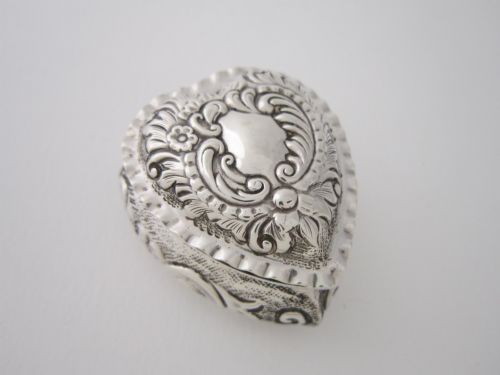
These pieces of victorian silver trinket span snuff boxes, pill boxes and bonbon dishes crafted in sterling silver, silver gilt and tortoiseshell.
Victorian Silver Trinket
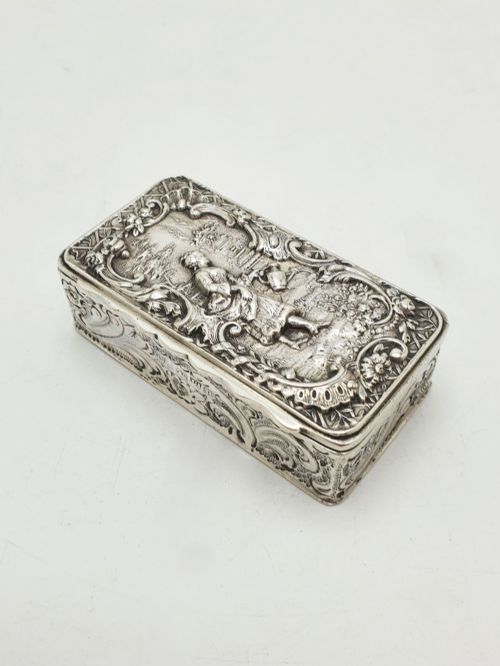
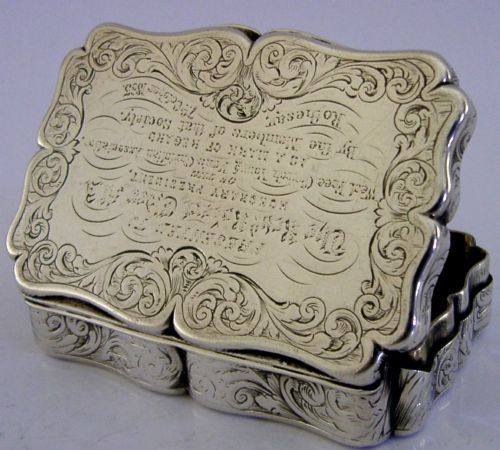
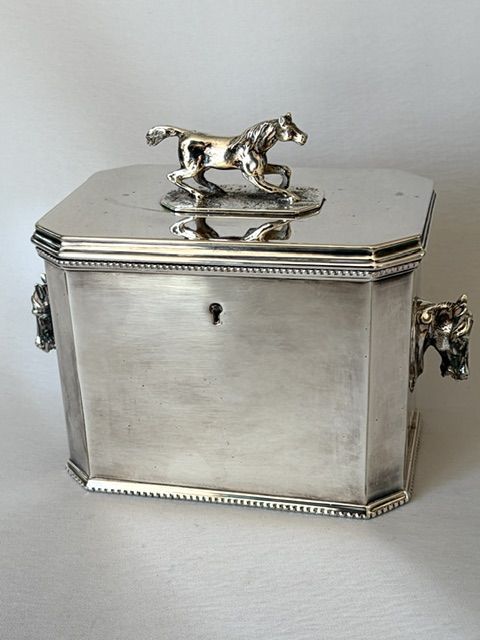
When you search for victorian silver trinket, you encounter small desk and dressing table accessories produced across the nineteenth century and into the Edwardian period. The selection includes snuff boxes, pill boxes, bonbon dishes, vanity pots and larger jewellery containers.
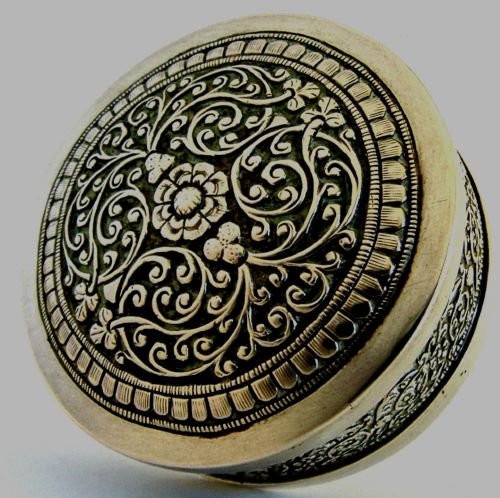
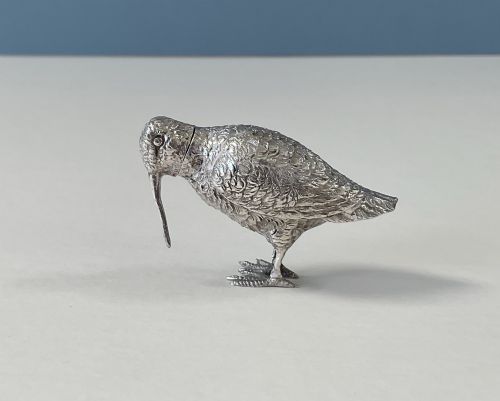
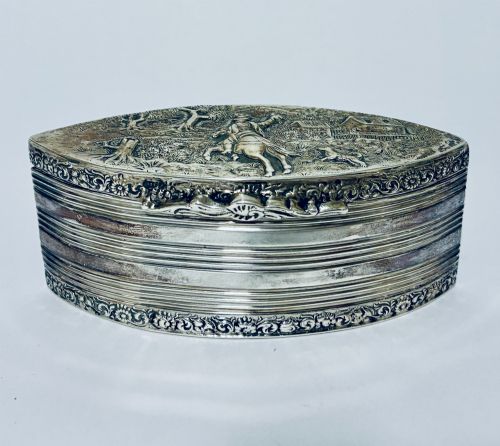
Most items on this page originate from British workshops in Birmingham and London, alongside continental European pieces and export items from India and Ceylon. Forms range from simple cartouche-shaped table snuff boxes to heart-shaped trinket boxes and novelty animal designs.
Materials and Techniques
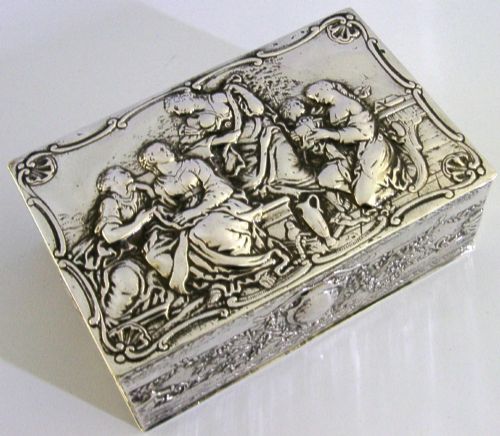
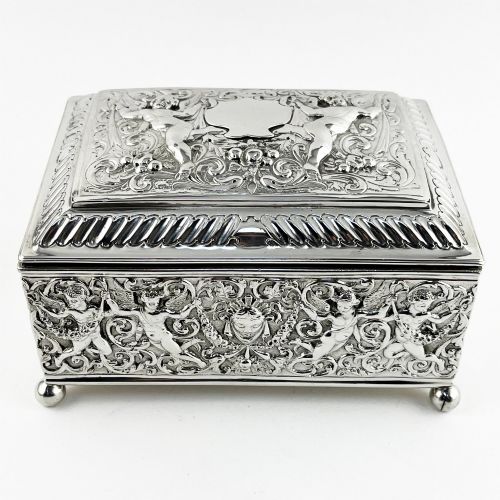
Items are constructed primarily from sterling silver, solid silver and silver plate, frequently accented with gold gilt interiors or combined with cut glass and tortoiseshell. Makers utilised techniques such as repoussé embossing, piercing, engraving and castle top casting to decorate the surfaces.
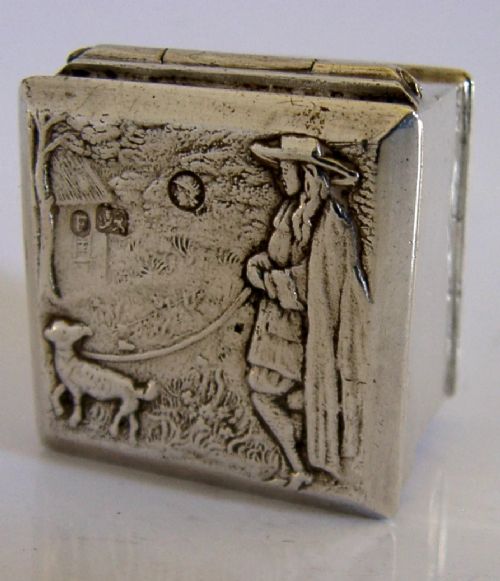
Many boxes feature hinged lids, intricate floral motifs, chased scrollwork and specialised internal compartments designed for snuff, pills, or personal ornaments.
Listings feature items spanning the Victorian, Edwardian and early twentieth-century periods, utilising sterling silver, cut glass, tortoiseshell and silver gilt.
Craftsmanship and Detail
The distinction between standard items and finer pieces lies in the crispness of the repoussé work, the depth of the chasing and the precision of the hinges. Superior examples display clean hallmarks, well-fitted lids and substantial weight relative to their size.
Pieces incorporating materials like tortoiseshell or requiring intricate piercing demand higher technical skill, setting them apart from simpler stamped or plated domestic items.
Henry Matthews·FA Barrett·Martin Hall And Co·Edward Smith·William Comyns
The Victorian Silver Trinket Glossary
- Repoussé
- A metalworking technique where the metal is hammered from the reverse side to form a raised design on the front. This method creates tactile, three-dimensional surface decoration on boxes and dishes.
- Vinaigrette
- A small ornamental box containing a sponge soaked in aromatic vinegar, held behind a pierced grille. These pieces date predominantly from the nineteenth century.
- Silver Gilt
- Silver that has been coated with a thin layer of gold on its surface or interior. This technique prevents tarnishing and adds a warm, contrasting internal finish to snuff boxes.
- Bonbon Dish
- An open vessel intended for serving small sweets or bonbons. They appear in pairs or single decorative formats across the period.
- Castle Top
- A style of box lid featuring a high-relief architectural engraving or cast depiction of a specific building or landscape. These scenes require meticulous hand-chiselling to achieve depth.
Victorian Silver Trinket: Frequently Asked Questions
What were silver trinket boxes used for?
These receptacles held small personal items such as rings, pins, cosmetics or tobacco. People kept them on dressing tables, desks and mantelpieces for everyday convenience.
Their compact sizes made them portable enough for pockets or reticules, serving both practical storage and social display.
How do I identify a Victorian piece?
Look for British hallmarks stamped directly onto the silver, which include maker marks, standard marks, assay office symbols and date letters. Birmingham and London stamps are especially common.
Stylistic cues such as neo-rococo scrolls, repoussé floral panels and Victorian naturalism further point toward the nineteenth-century origins of the manufacture.
What is the difference between sterling and solid silver?
Sterling silver denotes a specific alloy containing ninety-two point five percent pure silver and seven point five percent other metals, usually copper, for durability. Solid silver generally refers to unmarked or continental silver standards of high purity.
Both terms describe items made entirely of silver rather than base metals coated with a silver layer.
How should I care for these items?
Maintain the finish by dusting gently with a soft, dry cloth and avoiding harsh commercial dips that strip away desirable patination. Store pieces away from direct sunlight and damp environments to protect delicate elements like tortoiseshell or gilt.
Handling items by their solid parts rather than hinges preserves the structural integrity of older boxes.