





Victorian Silver Top
These victorian silver top pieces combine metal and glass in scent bottles, claret jugs, and card cases.
Victorian Silver Top
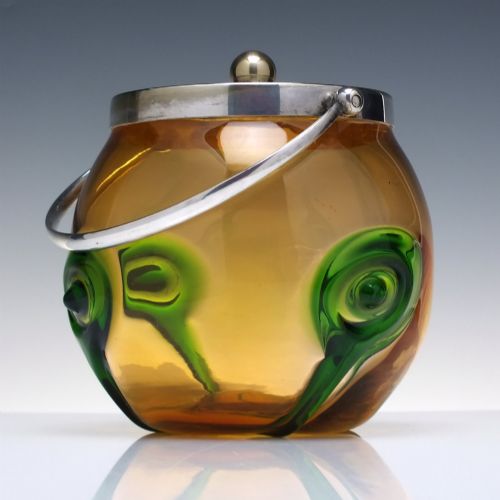
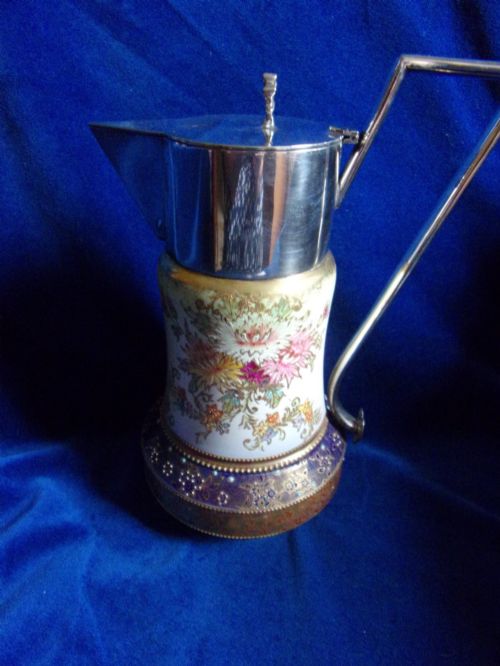
When you search for victorian silver top, you encounter items where sterling silver or silver plate forms a cap, mount, or lid on glass and crystal bodies. The selection spans scent bottles, claret jugs, decanters, and card cases originating primarily from the Victorian period.
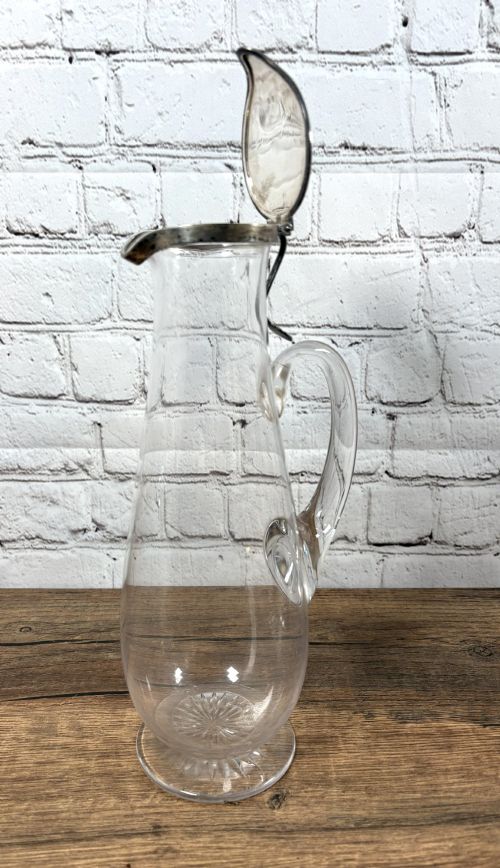
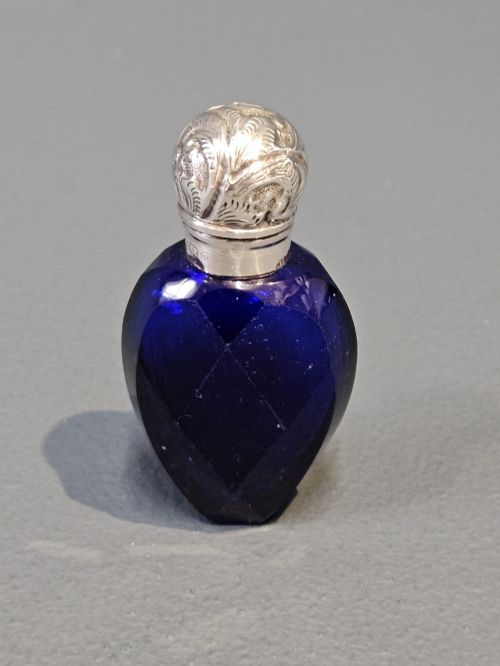
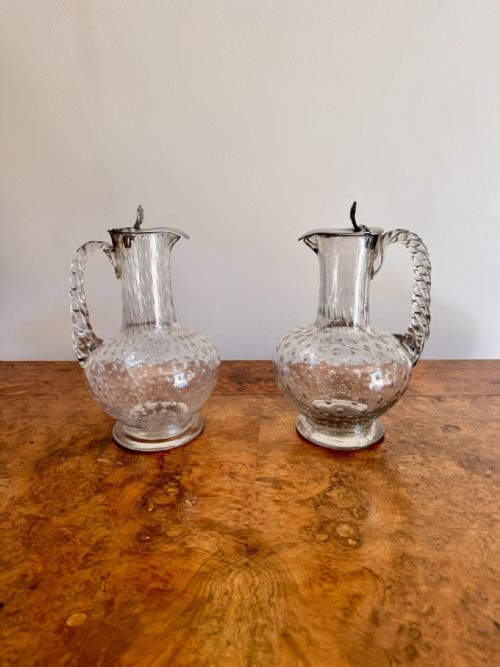
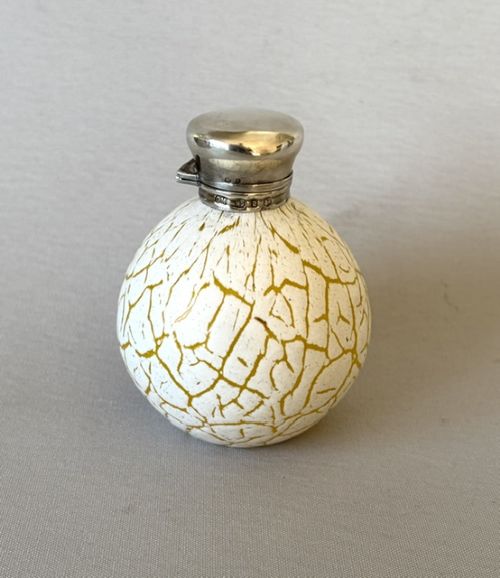
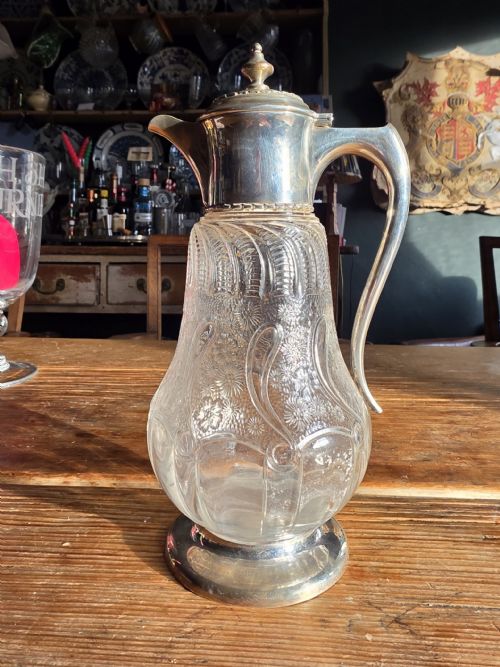
Scent bottles appear frequently, combining silver mounts with ruby, cranberry, green, opaline, and crackle glass. Claret jugs and decanters pair cut crystal or glass bodies with cast and engraved silver tops.
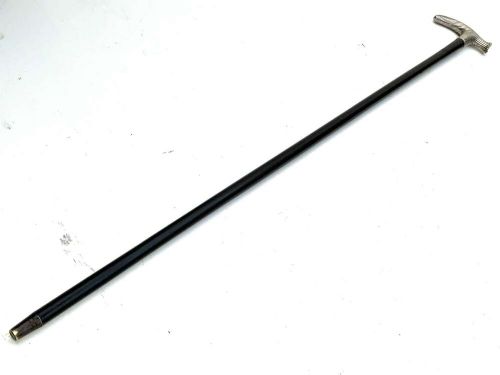
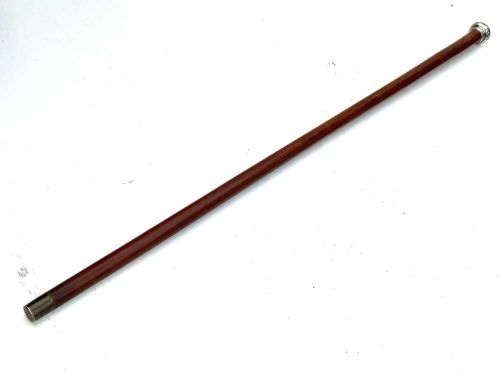
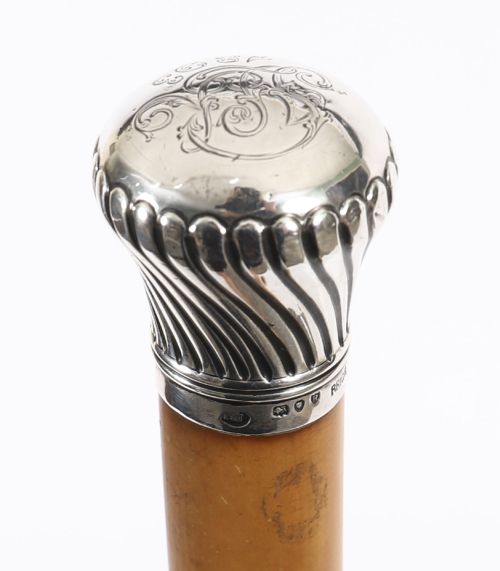
Card cases and table boxes also feature silver tops, including castle top designs depicting architectural scenes. Walking canes and sticks incorporate silver handles and mounts above wooden shafts.
Materials and technique
Maker's workshops combined sterling silver, silver plate, and gold with cut glass, crystal, opaline glass, and tortoiseshell. Metals were cast, chased, and engraved with floral motifs and architectural scenes.
Glass bodies were blown, cut, crackled, or tinted in various colours, then fitted with hinged or screw-top silver mounts. Stoppers inside glass bottles often relied on ground glass seals beneath the metal caps.
Victorian Silver Top Retail Price Guide 2026
Typical asking prices for victorian silver top among the pieces listed under this phrase on Sellingantiques today, from the lower quarter to the upper quarter. They describe what is for sale here now, not the wider market.
Listings feature silver top items from the Victorian, Edwardian, and nineteenth-century periods, alongside materials like sterling silver, cut crystal, and opaline glass.
The spectrum of quality
Quality depends on the crispness of the silver chasing and engraving, especially on floral motifs and castle top scenes. Heavier gauge silver provides durability and substance to the lids and mounts.
The clarity and depth of cut glass or the purity of coloured opaline and cranberry glass distinguish finer examples. The precise fit between the silver mount and the glass body indicates higher workshop standards.
William Comyns·Howard James Birmingham·Nathaniel Mills·Franchini and Bigaglia
The Victorian Silver Top Glossary
- Castle top
- A term for card cases and boxes featuring a raised, detailed engraving of a famous building or landmark on the silver lid.
- Opaline glass
- An opaque or translucent glass produced in various colours, frequently used for Victorian scent bottle bodies.
- Claret jug
- A pouring vessel with a glass or crystal body and a silver top, handle, and spout used for serving wine.
- Vesta case
- A small pocket box with a hinged silver top used for holding matches.
- Cut crystal
- Glass cut with geometric facets that refract light, paired with silver mounts on decanters and bottles.
Victorian Silver Top: Frequently Asked Questions
What are victorian silver top items?
These items are functional objects featuring silver lids, caps, or mounts on glass, crystal, or ceramic bodies. They include scent bottles, claret jugs, card cases, and decanters.
Most date from the nineteenth century and incorporate engraved or cast silver elements.
How were glass scent bottles used?
Victorian scent bottles held liquid perfumes for personal use during social outings. The silver top acted as a hinged or screw cap to prevent evaporation.
Inside, a glass stopper often provided a secondary seal beneath the outer silver lid.
How do I identify a castle top piece?
Castle top pieces display a finely engraved architectural scene, such as Windsor Castle or Trinity Church, on the silver lid or front panel. These depictions utilise high-relief chased work.
Makers such as Nathaniel Mills produced notable examples of this specific style.
How should I clean silver tops?
Clean the silver components gently with a soft cloth to preserve engravings and hallmarks. Avoid letting harsh polishes touch the glass bodies or interior cork seals.
Keep moisture away from the interior of vintage bottles where original linings or stoppers remain.