


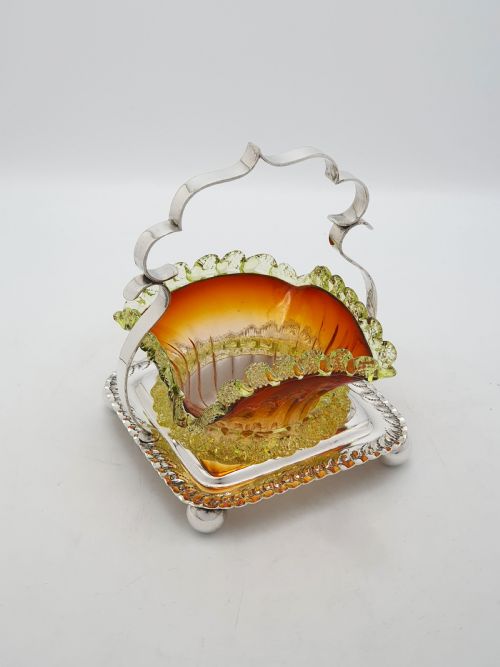


Victorian Silver Table Bowl
These pieces of victorian silver table bowl and related hollowware bring formal dining history to your sideboard through solid metal and glass.
Victorian Silver Table Bowl
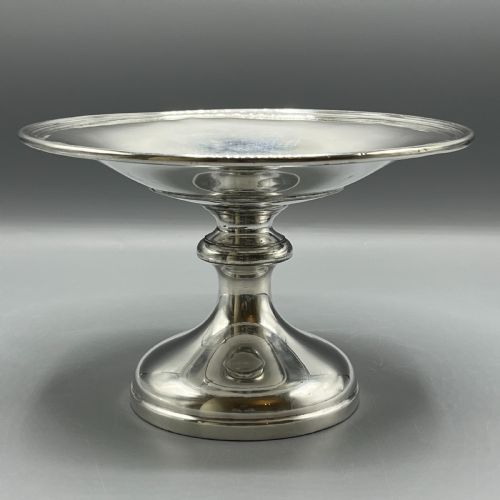
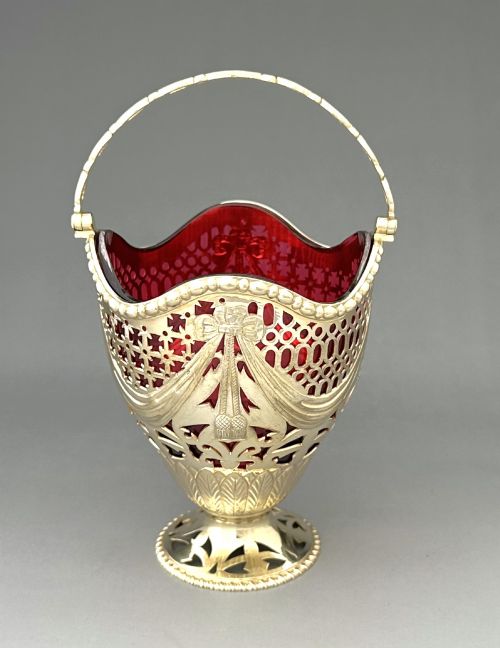
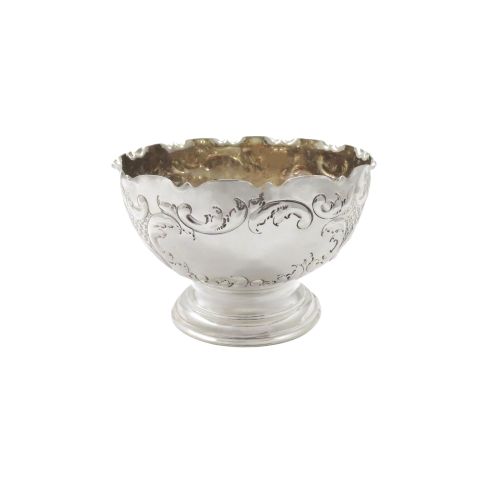
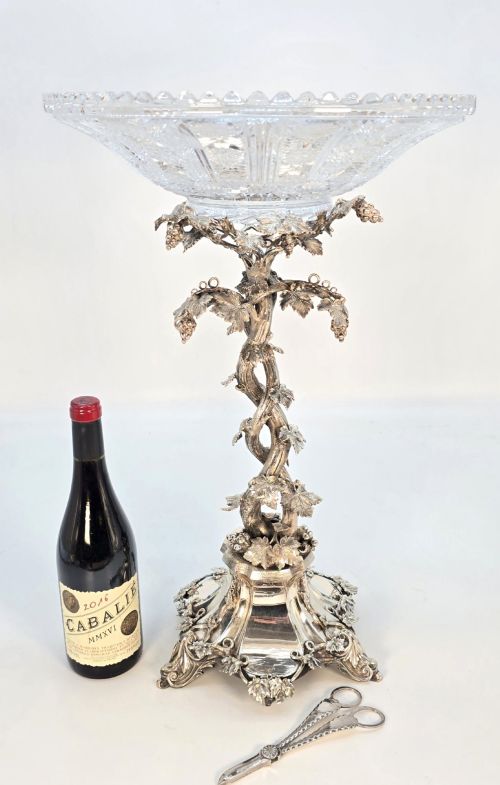
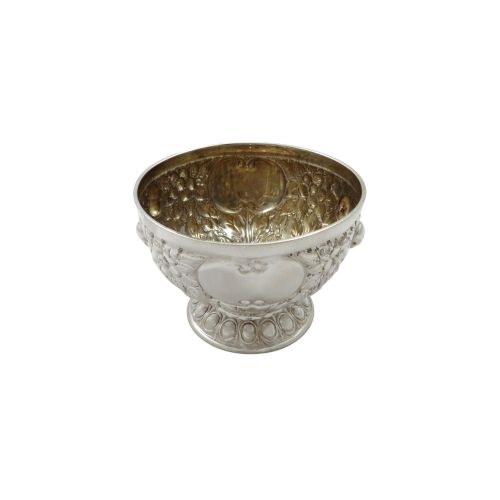
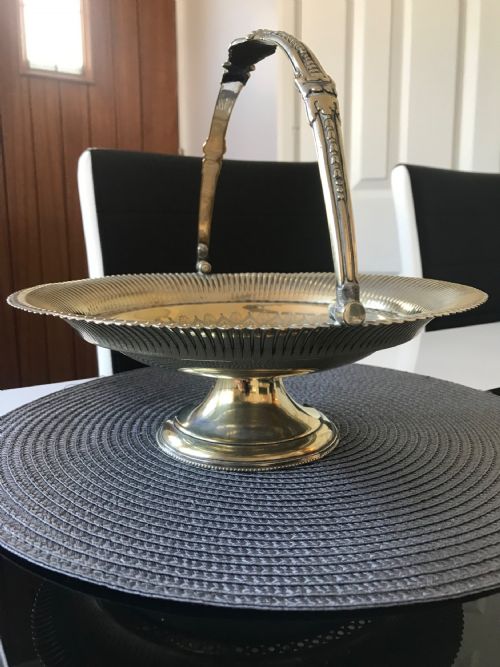
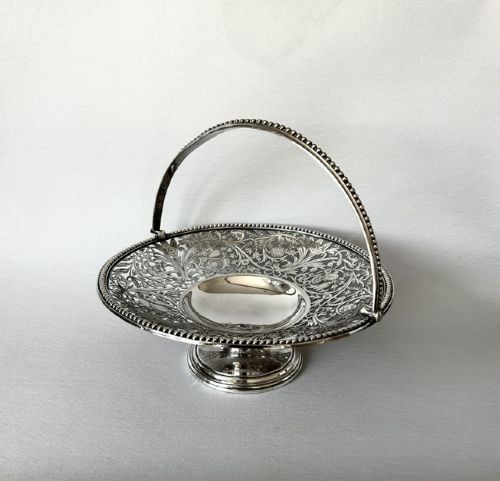
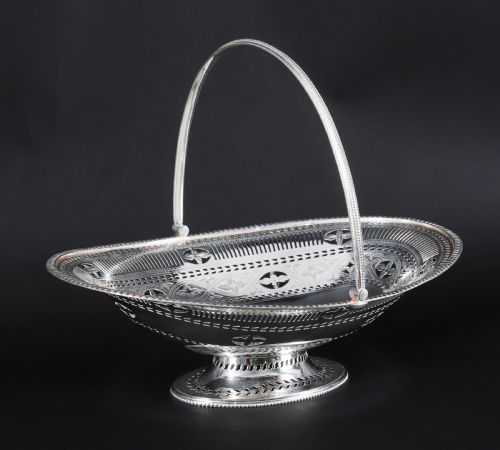
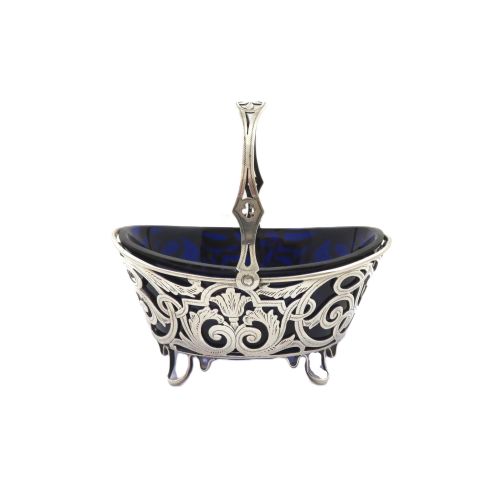
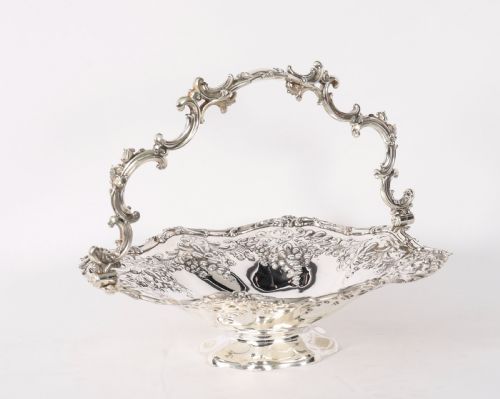
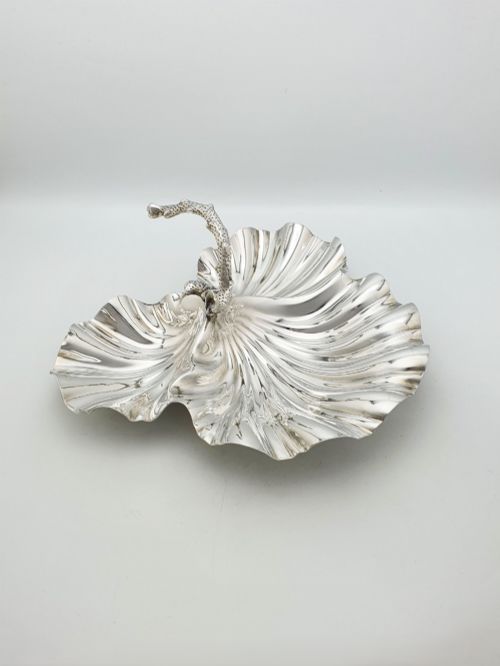
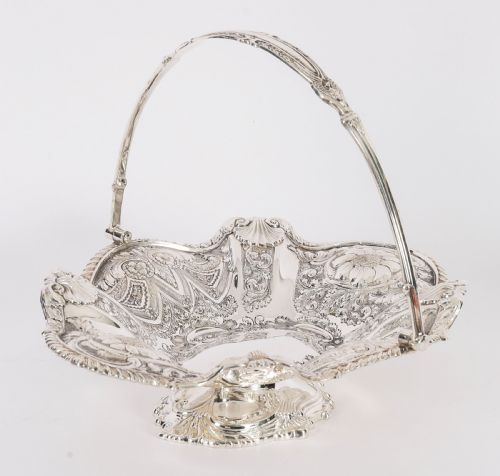
A buyer examining a victorian silver table bowl encounters varied serveware, including fruit baskets, sugar baskets, centrepieces, and salt cellars designed for formal nineteenth-century dining. These objects originate from Victorian, Edwardian, and later periods spanning the nineteenth and early twentieth centuries.
The most common forms on this page combine silver or silver plate with glass liners such as cranberry glass, amber glass, and green vaseline glass. Solid sterling silver bowls frequently feature pierced decoration or cast floral handles from makers working in London and Birmingham.
Vessels range from large punch bowls and épergnes down to small trinket boxes and salt dishes. Makers also utilised alternative materials including carved horn and brass to construct table accessories.
Materials and Techniques
Silversmiths constructed solid sterling silver vessels using techniques like piercing, casting, and hand-hammering. Silver plated items employed electroplated nickel silver as a base metal to achieve the appearance of solid silver at scale.
Glass components such as cut glass and etched glass liners were integrated into metal frames, baskets, and tazzas. Artisans also combined silver mounts with carved horn and coloured glass inserts.
Victorian Silver Table Bowl Retail Price Guide 2026
Typical asking prices for victorian silver table bowl among the pieces listed under this phrase on Sellingantiques today, from the lower quarter to the upper quarter. They describe what is for sale here now, not the wider market.
Listings feature items spanning the Victorian era through the Edwardian period, utilising sterling silver, silver plate, and cut glass.
Craftsmanship and Weight
The distinction between standard items and superior examples rests upon the crispness of chased and pierced decoration, the weight of the silver or base metal, and the integrity of any glass insert. Hand-cast handles and detailed floral motifs separate ambitious workshop production from simpler commercial output.
Maker marks and hallmarks provide clear indicators of origin and workshop standard, guiding the distinction between unmarked electroplate and fully hallmarked sterling pieces.
George W. Scott & Sons Ltd·Thomas Bradbury·Doulton Burslem·WMF·Walker & Hall·William Comyns·Tiffany & Co·Thomas Smily·Daniel and Arter·Elkington & Co
The Victorian Silver Table Bowl Glossary
- Sterling silver
- A silver alloy containing 92.5 percent pure silver by mass, standard for quality British plate and hollowware.
- Silver plate
- A base metal such as nickel silver covered with a thin layer of pure silver through electrochemical processes.
- Centrepiece
- A large decorative bowl, basket, or épergne placed in the middle of a dining table for fruit or display.
- Salt cellar
- A small open dish used to hold table salt before the invention of modern free-flowing shakers.
- Tazza
- An ornamental cup or shallow bowl raised on a stem and foot, utilised for serving fruit or sweets.
Victorian Silver Table Bowl: Frequently Asked Questions
How were table bowls used?
These bowls served functional roles during formal meals, holding fruit, sugar, or punch for guests.
They stood as centrepieces on dining tables to display provisions before individual service.
Are these items solid silver?
The inventory includes both solid sterling silver pieces and silver plated items over a base metal.
Hallmarks stamped into the metal indicate solid silver standards, while unmarked items typically denote silver plate.
How do I clean silver plate?
Gentle washing in warm soapy water using a soft cloth preserves the silver layer.
Harsh chemical dips strip away plating and should be avoided on plated surfaces.
What is vaseline glass?
Vaseline glass contains uranium dioxide, giving it a characteristic yellow-green tint.
Victorian makers frequently paired this coloured glass with silver stands and baskets.