


Victorian Silver Sweet Bowl
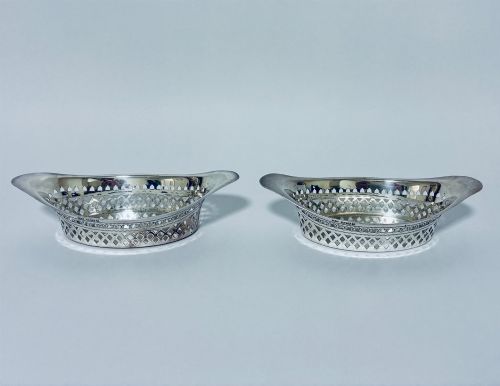
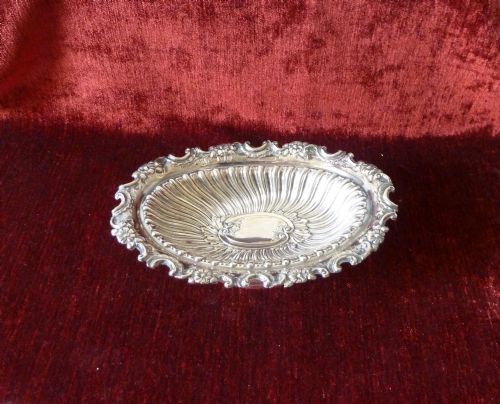
These victorian silver sweet bowl examples bring diminutive nineteenth-century elegance to the table, offering refined vessels designed for bonbons, preserves, and confections.
Victorian Silver Sweet Bowl
A victorian silver sweet bowl typically manifests as a small decorative dish or bonbon basket created to hold confectionery during late-nineteenth-century social gatherings. You will encounter various forms ranging from pedestal sweet stands and quatrefoil lobed bowls to covered sweet candy containers.
The objects frequently date from the Victorian and Edwardian periods, stretching chronologically from the middle decades of the nineteenth century into the early twentieth century. Examples on this page frequently originate from the 1870s, 1880s, and 1890s, capturing the diverse aesthetic movements of the era.
Makers utilised distinct regional styles, producing both sterling silver and silver-plated vessels alongside combinations of cut crystal and glass. The selections include paired bonbon dishes as well as individual sweet bowls and preserve dishes.
Materials and construction
Makers combined sterling silver or silver plate with cut crystal, cranberry glass, and pink opaque glass to achieve striking textural contrasts. Some metal components received a layer of silver gilt, while others incorporated cane elements.
Techniques relied upon traditional silversmithing alongside glass-cutting and glass-blowing methods. Master designers such as Dr Christopher Dresser introduced structured forms realised by manufacturing firms like Roberts and Belk.
Listings feature periods spanning from the Victorian era into the Edwardian age, utilising sterling silver, silver plate, cut crystal, and cranberry glass.
Assessing quality in sweet bowls
Quality rests upon the crispness of the silver chasing and the depth of the cut crystal detailing. Superior examples demonstrate rigorous hallmarks and balanced proportions between the metal mount and the glass insert.
The integrity of the structural design and the precision of the maker execution distinguish standard production items from pieces engineered by notable designers and silversmiths.
Dr Christopher Dresser·Roberts and Belk
The Victorian Silver Sweet Bowl Glossary
- Bonbon dish
- A small ornamental vessel specifically designed to hold small sweets or bonbons.
- Silver gilt
- Sterling silver that has been coated with a thin layer of gold on the surface.
- Quatrefoil
- A decorative shape composed of four partially overlapping circles of equal radius.
- Sweetmeat
- An archaic term for a sweet delicacy such as a candy, confection, or preserved fruit.
- Hallmark
- An official stamp applied by an assay office to indicate the purity of silver metal.
Victorian Silver Sweet Bowl: Frequently Asked Questions
What were sweet bowls used for?
These vessels held small confections, sugar plums, bonbons, and preserved fruits during formal dining and drawing-room social occasions. Hosts presented them on tables to allow guests to help themselves to sweet treats.
Over time, their decorative utility expanded to include display functions within cabinets and upon sideboards, serving purely ornamental purposes alongside their historical dining role.
How do I date a sweet bowl?
Dating relies heavily upon legible silver hallmarks stamped onto the metal, which indicate the specific assay office and year of testing. Stylistic clues such as Aesthetic Movement motifs or Edwardian design lines also point to the correct decade.
Material combinations provide further context, as cranberry glass and cut crystal pairings frequently align with specific manufacturing periods during the later nineteenth century.
How should I clean silver?
Maintain sterling silver and silver plate by washing gently in warm water with a mild detergent, followed by thorough drying with a soft cloth. Avoid harsh chemical dips that strip away desirable patination accumulated over decades.
Glass components can be cleaned separately using standard glass cleaner, ensuring no moisture damages any delicate metal mounts or joined structural adhesives.
Can I use them daily?
These delicate pieces function well for serving dry confections or mints during special gatherings, provided they receive careful handling and immediate hand washing afterward. Silver gilt and delicate glass require protection from abrasive foods and dishwasher cycles.
Many collectors prefer to display them safely on surfaces or inside cabinets to preserve the historic finish and structural condition of the metal and glass.