




Victorian Silver Rim Bowl
These victorian silver rim bowl examples combine glass, ceramic or oak bodies with mounted silver hardware, offering decorative and serving utility.
Victorian Silver Rim Bowl
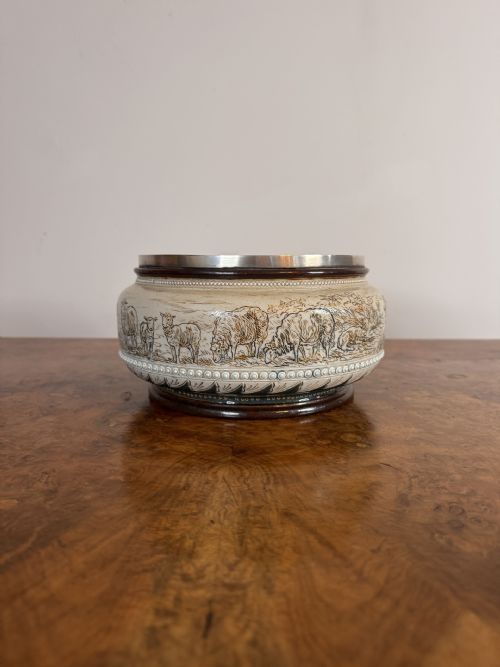
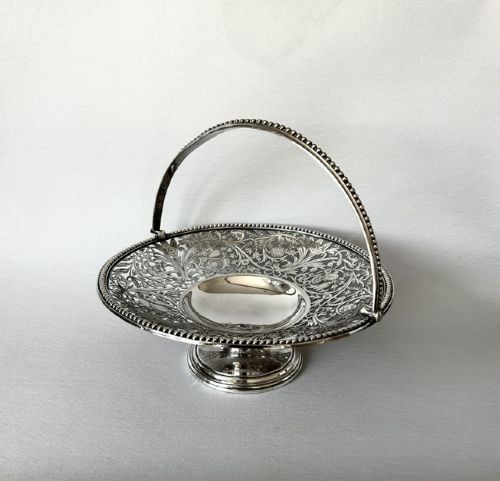
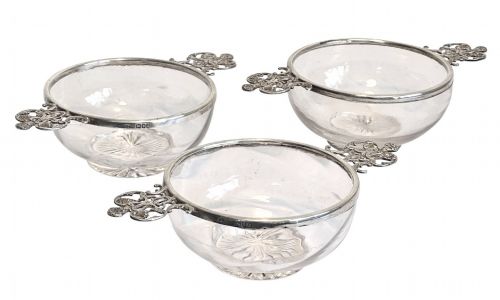
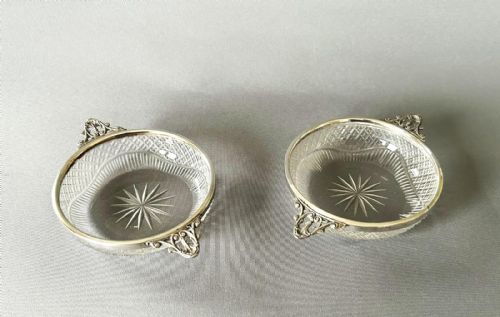
A victorian silver rim bowl pairs a body of cut glass, vaseline glass, ceramic, stoneware or oak with mounted silver or silver plate. The forms span bonbon dishes, trinket dishes, fruit baskets, centrepieces and salad bowls.
Most examples date across the nineteenth century into the Edwardian period, uniting utilitarian serveware with decorative display functions.
The combination of materials reflects nineteenth-century dining traditions, where glass and ceramic vessels received metal mounts for structural support and visual contrast.
Materials and construction
Makers combined blown or cut glass and ceramics with sterling silver or silver plate mounts. Methods involved securing metal rims, collars and handles onto glass bodies or stoneware vessels.
Wood elements like oak also appear fitted with silver mounts, while specialised glass types such as green vaseline glass provide distinctive coloration within the metal framing.
Victorian Silver Rim Bowl Retail Price Guide 2026
Typical asking prices for victorian silver rim bowl among the pieces listed under this phrase on Sellingantiques today, from the lower quarter to the upper quarter. They describe what is for sale here now, not the wider market.
Listings feature materials including sterling silver, silver plate, cut glass, vaseline glass, ceramic, stoneware, and oak across nineteenth and early twentieth-century periods.
Assessing the execution
Quality rests on the crispness of the glass cutting, the weight of the ceramic or stoneware body, and the substantive gauge of the silver mount. Thicker metal and precise fitting indicate finer workshops.
The integration between the glass or ceramic vessel and the silver rim demonstrates the skill of the maker, distinguishing standard production items from finer studio or factory pieces.
William Comyns·WMF·Doulton Burslem·Frank Butler·Doulton Lambeth·Tiffany & Co
The Victorian Silver Rim Bowl Glossary
- Silver Plate
- A base metal coated with a thin layer of silver. This technique offered the appearance of solid silver at a lower production cost.
- Sterling Silver
- An alloy containing a high proportion of pure silver mixed with other metals for durability. It carries official hallmarks indicating standard purity.
- Vaseline Glass
- A type of glass containing uranium dioxide that produces a yellowish-green hue and glows under ultraviolet light. It enjoyed popularity during the nineteenth and early twentieth centuries.
- Majolica
- A type of earthenware coated with an opaque tin glaze and painted with coloured metallic oxide enamels. It provides vibrant decorative surfaces on nineteenth-century bowls.
- Bonbon Dish
- A small decorative vessel designed for holding sweets or confectionary. These pieces often feature pierced silver work or delicate glass bodies.
Victorian Silver Rim Bowl: Frequently Asked Questions
How were these bowls originally used?
These vessels served various domestic functions, from presenting fruit and salads at the dining table to holding small trinkets or bonbons in the parlour.
Larger centrepieces and fruit baskets occupied prominent positions on sideboards, while smaller dishes functioned as desktop or dressing table accessories.
How do I clean the silver mounts?
Clean the silver components with a soft cloth and a gentle, non-abrasive polish designed specifically for silver.
Take care to avoid getting liquid polish on the glass, ceramic or oak portions of the bowl, as certain chemical cleaners can damage porous surfaces or alter patinated finishes.
Can these bowls handle daily use?
While structurally sound, antique glass and ceramics with silver mounts benefit from careful handling rather than heavy everyday service.
Hand washing in lukewarm water preserves both the glass clarity and the integrity of the silver elements over time.
How can I tell the period?
Dating relies on hallmarks stamped onto the silver mounts, the specific shade and texture of the glass, and stylistic indicators such as Art Nouveau curves.
Maker marks and registration numbers further help narrow the production era to specific decades within the nineteenth and early twentieth centuries.