




Antique Silver Rimmed Glass
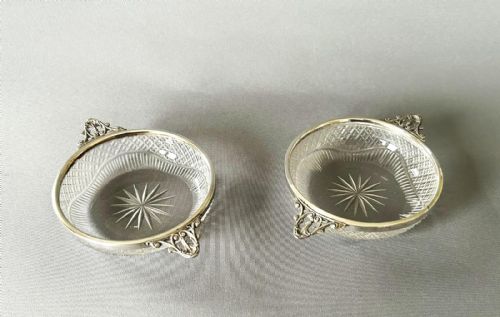
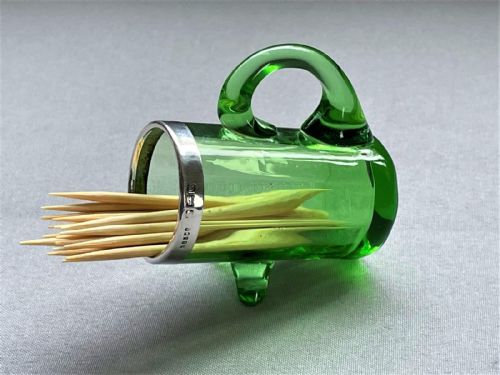
These antique silver rimmed glass pieces combine crystal and metalwork for the table, offering practical service alongside ornamental gleam.
Antique Silver Rimmed Glass
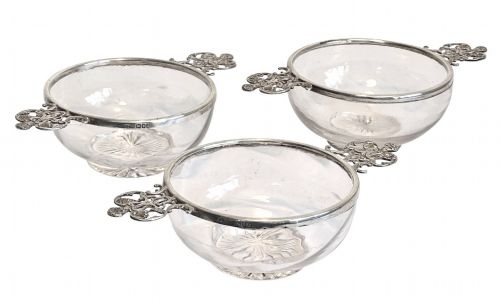
When you search for antique silver rimmed glass, you encounter functional tableware and decorative vessels combining glass or crystal bodies with mounted metal elements. These items span the Victorian, Edwardian, and Art Deco eras, reflecting shifting domestic habits from formal dining to cocktail service.
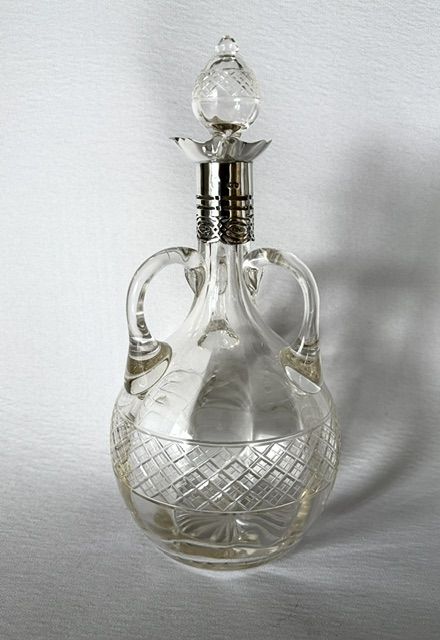
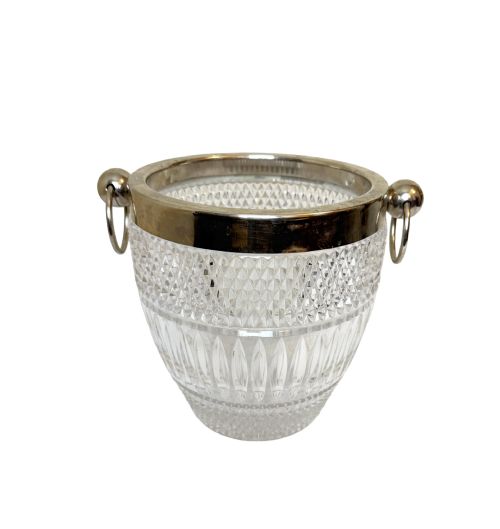
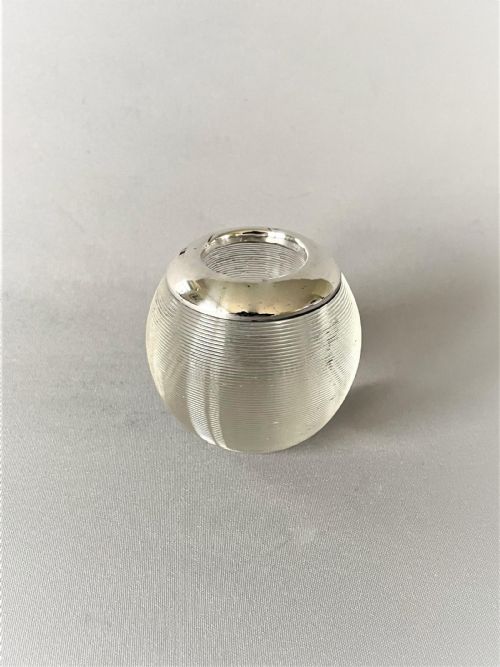
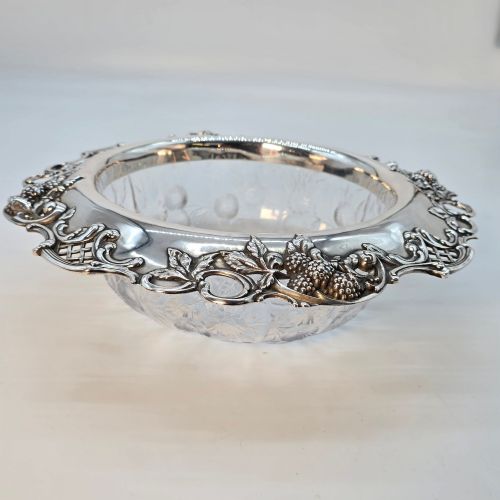
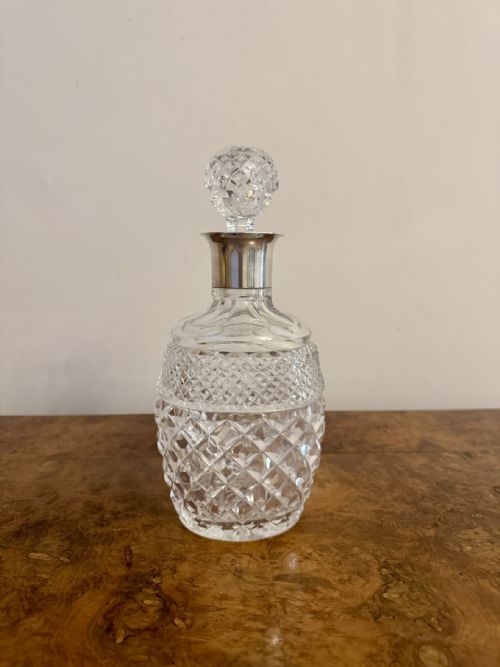
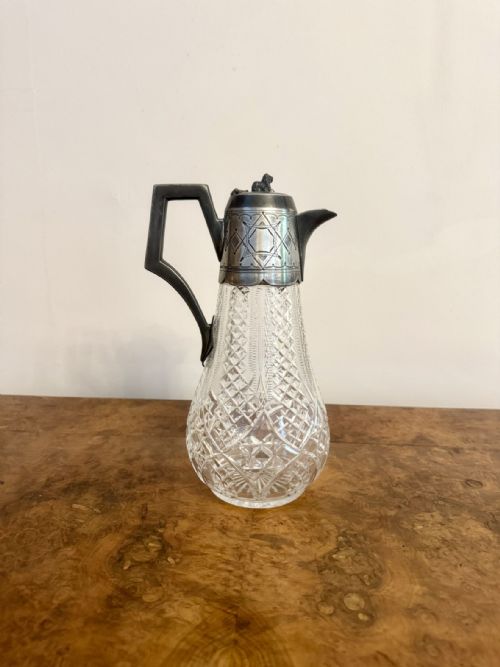
The most common forms on this page include decanters, ice buckets, match strikers, and claret jugs. Many pieces pair cut glass or vaseline glass with either sterling silver collars or silver-plated mounts.
Origins range from English workshops to French manufacturers, with production heavily concentrated around the late nineteenth and early twentieth centuries. These objects served utilitarian roles in the dining room, drawing room, and bar.
How they were made
Glass bodies were typically blown into moulds or cut by hand to create deep geometric facets, heavy ribbing, or smooth surfaces. Lead crystal and specialised glass types like vaseline or cobalt blue glass provided coloured or highly refractive foundations.
Silver components were either cast, spun, or stamped from sterling silver or base metal with silver plating. These mounts were then secured directly to the glass necks, rims, or bases using specialised adhesives or tight mechanical collars.
Current listings feature pieces spanning the Victorian, Edwardian, Art Nouveau, and Art Deco periods, utilising cut crystal, sterling silver, and coloured glass.
What varies in quality
The heaviness and clarity of the crystal foundation distinguish standard domestic wares from exceptional productions. Deep, crisp hand-cutting on glass indicates superior craftsmanship compared to shallow mould-pressed alternatives.
The weight and gauge of the silver mounts also define the grade of an object. Substantial sterling silver collars with distinct hallmarks demonstrate higher investment than thin silver-plate mounts subject to wear.
Tiffany and Co.·William Comyns·William Rudkins·Elkington and Co·Hukin and Heath·Asprey and Co
The Antique Silver Rimmed Glass Glossary
- Cut Glass
- Glass decorated by grinding facets or patterns into the surface using wheels. This technique creates sharp light refraction and heavy texture.
- Sterling Silver
- An alloy consisting of silver and other metals, usually copper, standardised for purity. Items carrying these hallmarks meet strict British standards.
- Silver Plate
- A base metal foundation coated with a thin layer of pure silver. This method offered the appearance of solid silver at a lower production cost.
- Vaseline Glass
- Glass containing uranium dioxide, which produces a distinctive yellowish-green hue and glows under ultraviolet light. It enjoyed popularity during the Victorian and Edwardian periods.
- Claret Jug
- A specialised serving vessel designed for pouring red wine at the table. These pieces frequently feature hinged silver lids and mounts.
Antique Silver Rimmed Glass: Frequently Asked Questions
How do I clean antique silver mounted glass?
Wash the glass body gently in warm soapy water, taking care to keep moisture away from any adhesives securing the silver mounts.
Polish the silver portions separately using a soft cloth and a dedicated silver cream, avoiding contact with the glass surface.
Were these pieces used daily?
Many items, such as decanters, jugs, and biscuit barrels, formed part of active dining and entertaining routines in Victorian and Edwardian households.
Others, like match strikers and decorative bowls, remained stationary on desks or side tables for specific domestic conveniences.
How do I date an antique silver collar?
Examine the metal mounts for British hallmarks, which typically include a date letter indicating the exact year of assay.
Maker's marks and standard sterling symbols also provide definitive clues to the decade of manufacture.
Is silver plate less authentic than solid silver?
Silver plate represents a standard manufacturing method utilised by major firms for large items like ice buckets and lemonade jugs.
These plated pieces are period-authentic tableware rather than modern reproductions, offering durability and historical charm.