



Antique Salad Servers Set
An antique salad servers set brings tactile beauty to the dining table, combining precious metals with organic handles.
Antique Salad Servers Set
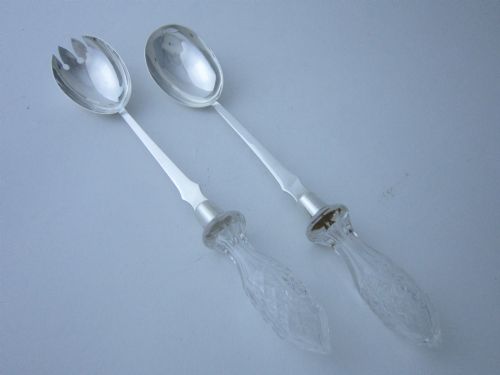
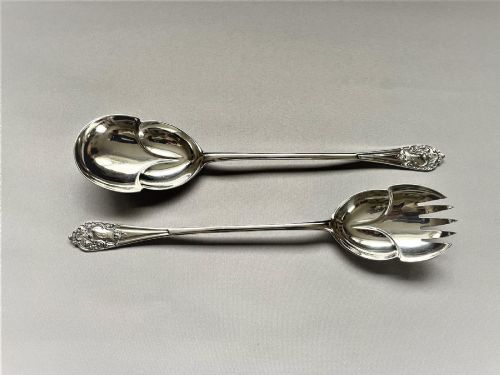
When you search for an antique salad servers set, you encounter specialised implements designed specifically for serving greens and dressed leaves at the table. These utensils typically comprise a matched fork and spoon, paired together to handle leaf vegetables without bruising them.
The selections available range widely across periods, encompassing George III, Victorian, Edwardian, and late nineteenth-century French designs. You are most likely to meet Edwardian and Victorian sterling silver or silver plate examples on this page, often accompanied by matching bowls.
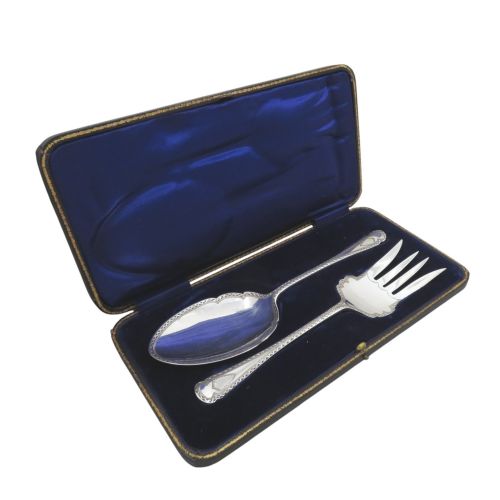
Many of these sets arrive complete with their original fitted cases, velvet linings, or leatherette boxes. Others form part of broader serveware groupings that integrate cut glass, crystal, stoneware, or polished oak.
Materials and construction
Makers utilised sterling silver and silver plate for the bowls and tines of the utensils, frequently engraving the metal with intricate decorative patterns. Rat tail detailing appears on specific nineteenth-century pieces, reinforcing the junction between handle and bowl.
Handles incorporate diverse natural and manufactured substances, including horn, ceramic, majolica, and glass. Stoneware pieces from potteries like Doulton Lambeth demonstrate specialised ceramic techniques applied to bowl bodies alongside metal mounts.
Antique Salad Servers Set Retail Price Guide 2026
Typical asking prices for salad servers set among the pieces listed under this phrase on Sellingantiques today, from the lower quarter to the upper quarter. They describe what is for sale here now, not the wider market.
Late nineteenth-century makers utilised natural animal horn to fashion surprisingly elegant serving implements for fashionable dining tables.
Assessing quality and craftsmanship
Quality reveals itself in the substantial gauge of the metal and the security of the join between handle and serving end. Superior examples display crisp chasing and engraving that remains sharp through decades of use.
The integrity of the accompanying materials distinguishes finer sets, such as unblemished crystal, flawless stoneware, or well-preserved original leatherette cases. The visual harmony between the serving implements and their designated bowls indicates thoughtful design.
Frank Butler
The Antique Salad Servers Set Glossary
- Rat tail
- A traditional strengthening ridge down the back of a spoon bowl. This feature provides structural reinforcement where the handle meets the bowl.
- Silver plate
- A base metal coated with a thin layer of silver. This technique offered an accessible alternative to solid sterling silver during the Victorian era.
- Stoneware
- A heavy, durable ceramic fired at high temperatures. Doulton Lambeth utilised this material for decorative and functional serving bowls.
Antique Salad Servers Set: Frequently Asked Questions
What is an antique salad servers set?
An antique salad servers set consists of a dedicated fork and spoon created to serve leafy dishes. They bring traditional craftsmanship to modern dining.
These utensils often feature precious metals paired with ceramic, glass, or horn handles. Many survive from the Victorian and Edwardian periods.
How were antique salad servers used?
Dinners utilised these implements to transfer greens from communal bowls to individual plates. The large surface areas prevented leaves from sliding off.
They functioned as essential elements of formal dining service. Sets frequently stayed housed in velvet-lined boxes when not in use.
How do I care for silver salad servers?
Sterling silver and silver plate require gentle washing by hand using mild detergents. Avoid abrasive cloths that might damage delicate engravings.
Store pieces in dry environments to prevent tarnishing. Preserving fitted cases protects the metal from atmospheric moisture.
Can I use them for modern dining?
These utensils remain fully functional for contemporary meals. Their durable construction suits regular domestic use.
Careful handling ensures these historical objects endure for future generations. They add character to everyday gatherings and special occasions alike.