



Victorian Silver Plated Teapot
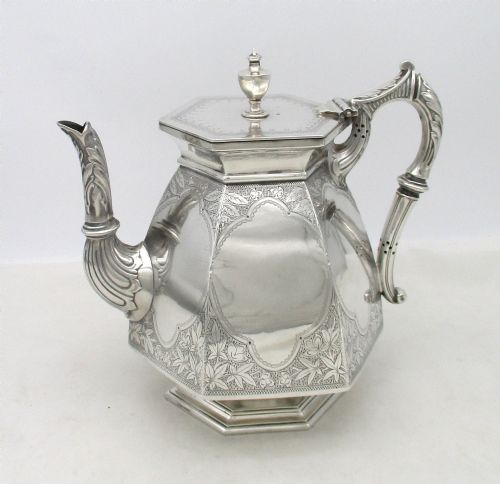
A victorian silver plated teapot brings tactile warmth to the table, offering lasting metalwork and period charm for daily use.
Victorian Silver Plated Teapot
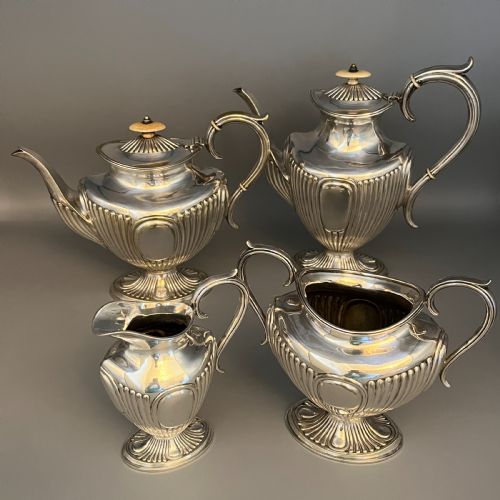
A victorian silver plated teapot encompasses vessels designed for pouring tea, ranging from solo pots to complete four-piece tea services that include coffee pots, cream jugs and sugar basins. These items originate predominantly across the nineteenth century and into the early twentieth century, spanning styles from late Victorian and Edwardian periods to ornate Victorian Rococo Revival.
The versions most commonly met on this page include solo teapots, spirit kettles on stands with burners, and larger tea and coffee sets. Alongside traditional teapots, related tableware such as coffee pots, table coasters and kettle stands appear, reflecting the broader scope of nineteenth-century hospitality.
Makers and manufacturers of the period utilised electroplating techniques alongside traditional metalworking to produce these domestic vessels. Pieces span specific decades from the eighteen-eighties through to nineteen-twenty, demonstrating the evolution of domestic silverplate over time.
Materials and Construction
Construction relies upon silver plate and electroplated nickel silver, known as EPNS, which provided an accessible alternative to solid silver. Manufacturers shaped metal bodies through spinning or stamping, applying a durable layer of silver over base metals to achieve a polished finish.
Handles and finials frequently incorporate ebonised wood or bone to insulate against heat while pouring hot water. These contrasting materials were pinned or fitted securely to metal mounts on teapots, coffee pots and kettles.
Victorian Silver Plated Teapot Retail Price Guide 2026
Typical asking prices for victorian silver plated teapot among the pieces listed under this phrase on Sellingantiques today, from the lower quarter to the upper quarter. They describe what is for sale here now, not the wider market.
Some teapots arrive equipped with spirit burners, ready to keep water hot while Victorian guests debated politics.
Distinctions in Quality
Quality reveals itself in the weight of the metal and the crispness of chased or engraved ornament across the body. Heavier pieces generally indicate thicker base metal beneath the silver plating, ensuring greater durability through decades of use.
The integrity of the surface plating and the precision of fitted elements, such as hinged lids and insulated handles, separate standard domestic wares from more ambitious decorative services. Details like cast finials and crests demonstrate superior workshop execution.
Boardman Glossop and Co·Elkington and Co·Thomas Bradbury
The Victorian Silver Plated Teapot Glossary
- Electroplated Nickel Silver
- A base metal alloy of copper, nickel, and zinc coated with a thin layer of pure silver through an electrolytic process. This material formed the structural foundation for the majority of nineteenth-century plated teapots.
- EPNS
- The standard trade abbreviation stamped on metalware to indicate Electroplated Nickel Silver construction. It helps identify nineteenth and early twentieth-century pieces.
- Aesthetic Movement
- A late nineteenth-century design style focusing on visual beauty rather than narrative meaning, often featuring stylised natural motifs on metalwork. Pieces from this movement display restrained ornamentation compared to heavy revivalist styles.
- Spirit Kettle
- A water kettle mounted upon a metal stand equipped with a small burner underneath to maintain water temperature at the table. These kettles often accompanied tea services.
- Table Coaster
- A small circular tray or stand placed beneath teapots or bottles to protect table surfaces from heat and moisture. They appear frequently in silverplate alongside tea sets.
Victorian Silver Plated Teapot: Frequently Asked Questions
How do I clean a silver plated teapot?
Clean silver plate gently using a non-abrasive silver cream and a soft cloth to preserve the underlying plating. Avoid harsh chemical dips that strip the thin silver layer.
Wash the interior with warm soapy water and dry thoroughly after cleaning to prevent water spots and tarnishing on the metal surface.
Can I use my antique teapot for daily tea?
Most silver plated teapots from the nineteenth century remain fully functional for brewing and pouring tea today. Ensure the interior is clean and check that the handle insulation remains secure before use.
Fill the pot with hot water gradually to test for leaks and to warm the metal before adding boiling water and tea leaves.
What is the difference between a teapot and a spirit kettle?
A teapot holds brewed tea ready for immediate pouring into cups during a meal or gathering. It is designed to be lifted by hand and does not include a heating element.
A spirit kettle holds hot water for topping up the teapot and rests on a fixed metal stand above a small burner. This setup kept water boiling throughout longer social visits.
How do I date a silver plated tea set?
Dating relies upon stylistic markers such as Rococo revival scrolls or Aesthetic Movement motifs, alongside any stamped maker marks or registry numbers. Period styles shifted noticeably between the eighteen-eighties and the nineteen-twenties.
Examine the construction methods, handle materials like ebonised wood or bone, and typography on the base to narrow down the decade of manufacture.