





Victorian Electroplated Nickel Silver
Victorian electroplated nickel silver brings solid 19th-century craftsmanship to the table through durable base metals finished with bright silver plate.
Victorian Electroplated Nickel Silver
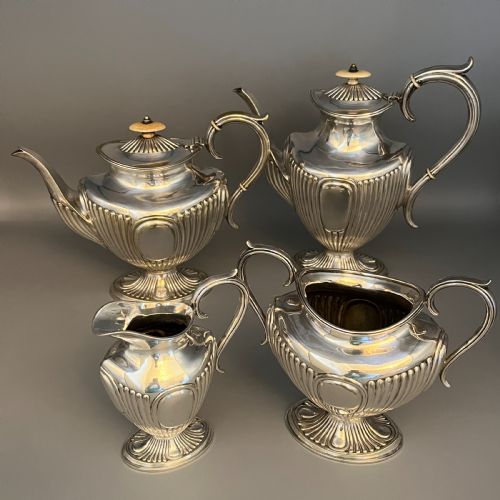
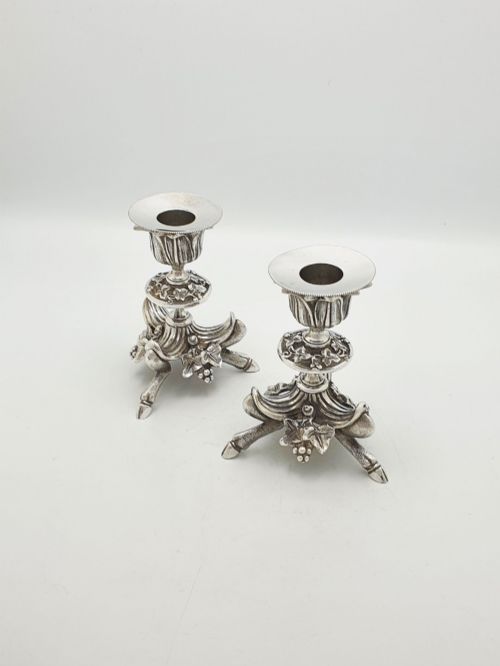
Victorian electroplated nickel silver items span functional tableware and decorative display pieces produced across the 19th century. Buyers searching for victorian electroplated nickel silver encounter diverse forms including tea and coffee sets, candlesticks, chargers, flagons, ewers, and trays.
The objects frequently reflect the Victorian taste for elaborate ornamentation and specific revival styles such as Victorian Rococo Revival. Most pieces on this page originate from the later decades of the century, specifically around 1880 to 1900.
Domestic service and afternoon tea traditions generated demand for specialised serving items like asparagus dishes, spoon warmers, and salvers. These pieces offer the visual weight and sheen of solid silver achieved through chemical deposition methods pioneered in the era.
Materials and plating techniques
Makers utilised nickel silver as a sturdy base metal alloy composed of copper, nickel, and zinc, which provided a rigid structure resembling silver in tone before plating. This durable substrate received a coating of silver plate through electroplating processes developed in the mid-19th century.
Selected items incorporate supplementary components such as bone handles on tea sets or gilt highlights inside ewers and bowls. Surface decoration was often applied via chasing, engraving, or cast mounts soldered to the plated body.
Victorian Electroplated Nickel Silver Retail Price Guide 2026
Typical asking prices for victorian electroplated nickel silver among the pieces listed under this phrase on Sellingantiques today, from the lower quarter to the upper quarter. They describe what is for sale here now, not the wider market.
Dining tables of the era featured spoon warmers shaped as marine buoys and shoes to keep cutlery warm.
Factors in quality and finish
Quality in victorian electroplated nickel silver rests on the thickness of the original silver deposit and the crispness of the cast or chased ornament. Items with deep, defined floral or Rococo details retain their visual impact better than worn examples.
The structural integrity of joints, handles, and applied feet distinguishes standard utilitarian items from more ambitious presentation pieces. Preservation of the underlying nickel silver base without extensive plating loss maintains the intended brightness of the object.
Daniel And Arter·Fenton Russel
The Victorian Electroplated Nickel Silver Glossary
- Electroplated nickel silver
- A base metal alloy coated with a thin layer of pure silver using an electrical current. This process allowed Victorian manufacturers to produce substantial domestic wares at a fraction of the cost of solid silver.
- EPNS
- An abbreviation commonly stamped on 19th-century metalwork to denote electroplated nickel silver. It serves as a standard identifier for buyers examining the composition of tableware.
- Rococo Revival
- A 19th-century design style characterised by asymmetrical scrollwork, C-scrolls, and naturalistic floral motifs. It frequently appears on Victorian candlesticks, salvers, and tea sets.
- Salver
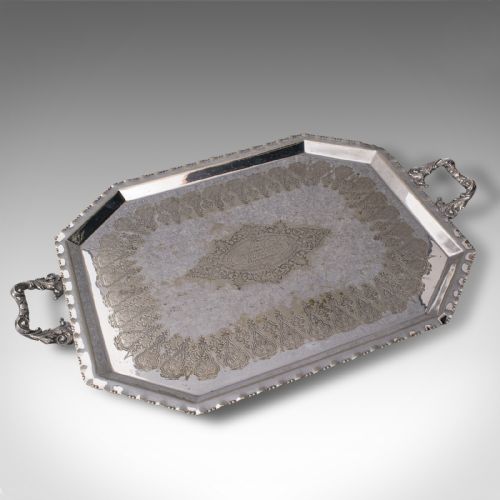
- A flat serving tray, typically raised on feet, used for presenting glasses or letters. Victorian examples in silver plate often feature chased borders and engraved centres.
- Spoon warmer
- A Victorian table accessory designed to keep soup or gravy spoons warm during formal meals. They took inventive shapes such as marine buoys or shoes.
Victorian Electroplated Nickel Silver: Frequently Asked Questions
What is electroplated nickel silver?
Electroplated nickel silver is a composite metal formed by applying a thin layer of silver onto a durable base alloy of copper, nickel, and zinc.
This technique provided households with heavy, lustrous tableware that mirrored the appearance of solid silver without the high cost.
How do I clean silver plate?
Cleaning silver plate requires gentle non-abrasive polishes formulated specifically for plated items to avoid wearing through the thin silver layer.
Regular soft cloth dusting preserves the brightness of the surface while protecting the underlying nickel silver metal.
What were spoon warmers used for?
Spoon warmers were placed on Victorian dining tables to hold hot water that kept serving spoons warm during multi-course meals.
They often took whimsical forms such as novelty shoes or marine buoys to add conversation value to the dining room.
How can I date these pieces?
Dating relies on manufacturer marks, registration diamond stamps, and stylistic cues typical of the Victorian period between 1860 and 1900.
Design shifts from mid-century classical revival to late-century florid ornamentation help narrow the production era.