


Victorian Silver Plated Serveware
Victorian silver plated serveware brings heavy metal and glass to the dining table, offering robust charm and period dining utility for hosts.
Victorian Silver Plated Serveware
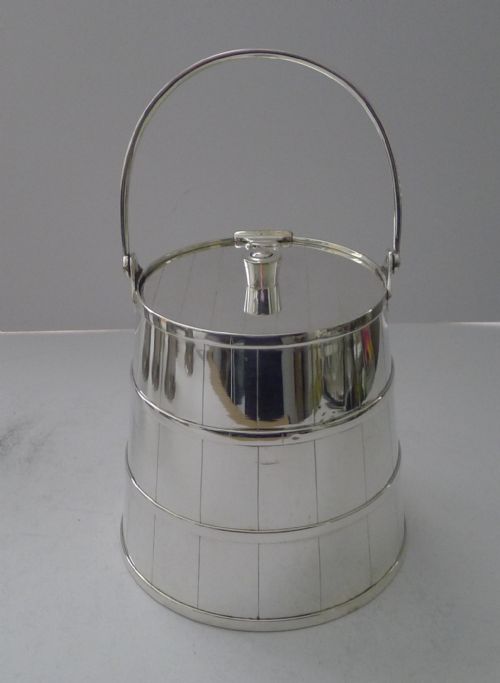
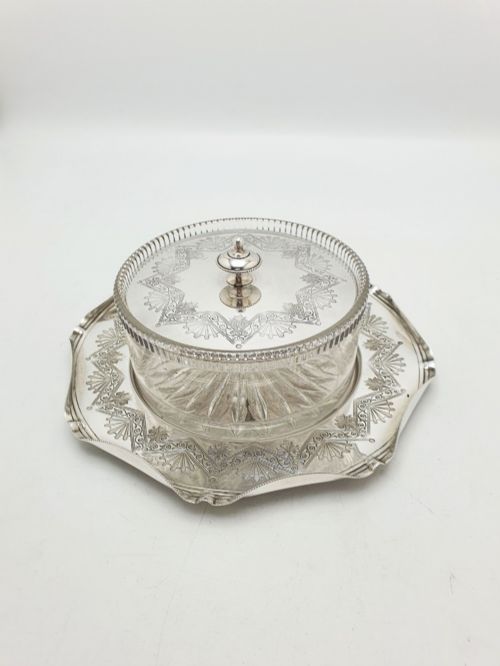
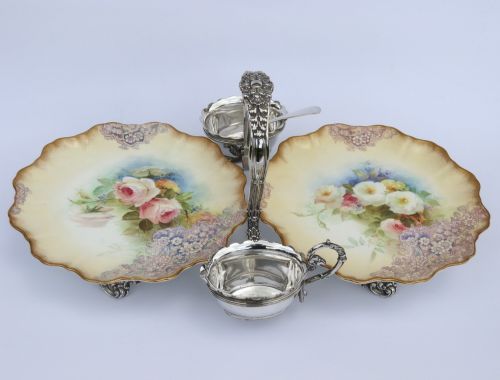
Victorian silver plated serveware covers the functional vessels and dishes used for formal dining during the nineteenth century and the early twentieth century. When searching for victorian silver plated serveware, a buyer encounters specialised dining forms including butter dishes, toast racks, spoon warmers, biscuit barrels, and entree dishes.
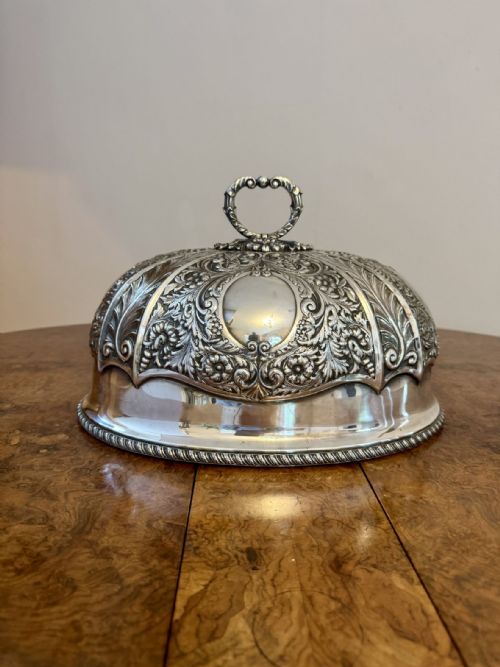
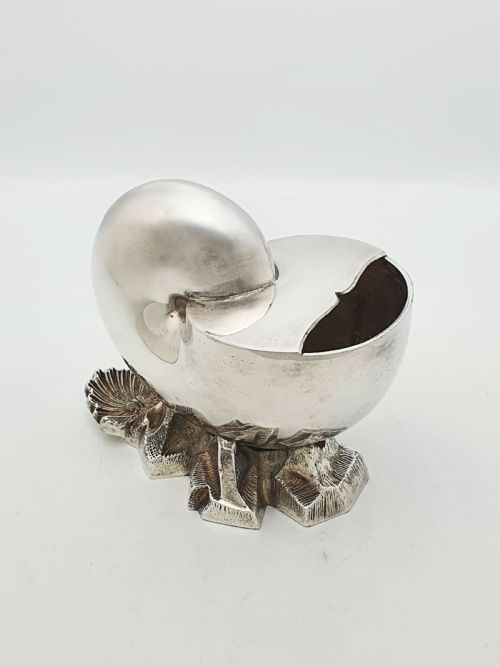
The pieces on this page span the Victorian era, late Victorian period, and Edwardian years, reflecting changes in dining habits from large meat covers to revolving breakfast dishes and dessert sets. Common forms include shell-shaped spoon warmers, glass-lined butter dishes, and lidded meat domes.
Makers such as Walker and Hall, Mappin and Webb, Elkington, and Roberts and Belk appear across these listings, alongside pieces originating from English and European workshops. Materials range from electroplated nickel silver and silver plate to cut glass, polished oak, and gilt metal.
Materials and technique
Makers utilised base metals such as nickel silver or standard metal alloys as the structural core for electroplated nickel silver and silver plate items. The plating process deposited a thin layer of real silver over the base metal using electrical current, a technique that democratized access to bright table services.
Combinations of silver plate with cut glass, gilt metal, and polished oak appeared frequently in functional vessels like butter dishes, cheese dishes, and salad bowls. Specialised items such as spoon warmers and biscuit boxes often featured complex hinged mechanisms and cast shell motifs.
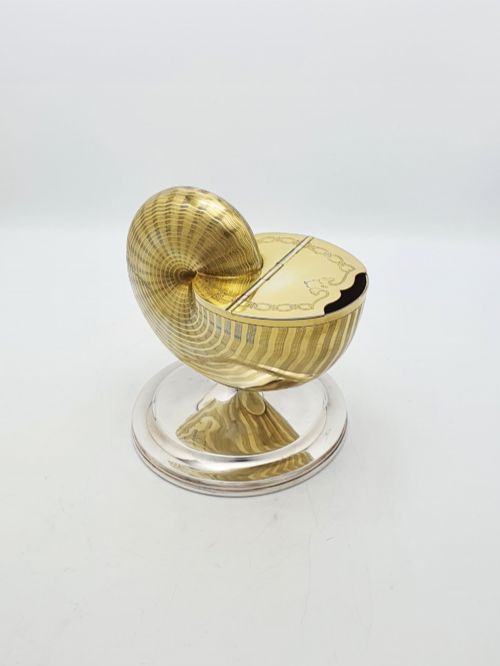
Victorian diners required dedicated silver vessels shaped like nautilus shells and folding biscuits boxes just to keep their butter and biscuits warm.
Assessing quality in serveware
Quality in these pieces depends upon the thickness of the silver deposition and the retention of the plating over exposed base metals. Heavier gauge metal bodies and crisp casting on decorative edges separate superior items from standard production pieces.
The integrity of secondary materials, such as original cut glass liners for butter and cheese dishes or matching servers, influences the overall standard of a piece. Maker marks from established firms like Elkington or Mappin and Webb indicate workshop discipline and higher manufacturing standards.
Walker and Hall·Mappin and Webb·Elkington·Roberts and Belk·Padley Parkin and Staniforth·Durand Paris
The Victorian Silver Plated Serveware Glossary
- EPNS
- Electroplated Nickel Silver. This acronym denotes a base metal alloy of copper, nickel, and zinc coated with a thin layer of silver.
- Spoon warmer
- A specialised Victorian vessel. These items held hot water to warm serving spoons before they touched cold foods like butter or sauces.
- Entree dish
- A lidded serving vessel. These pieces kept courses warm on the dining table and often featured removable handles for versatile arrangement.
- Toast rack
- A metal frame with vertical dividers. These items held slices of toast upright to keep the crusts crisp during breakfast service.
Victorian Silver Plated Serveware: Frequently Asked Questions
What is a spoon warmer used for?
Spoon warmers held hot water inside hollow ceramic or silver plated bodies during Victorian meals. Guests or servants placed serving spoons in the vessel so the handles warmed before touching chilled butter or sauces.
These whimsical forms often took shapes like nautilus shells or gilt urns. They sat on the sideboard as decorative conversation pieces while serving a practical dining function.
How do I clean silver plated serveware?
Silver plate requires gentle cleaning with a specialised silver cloth or mild non-abrasive polish to protect the thin metal layer. Harsh chemical dips strip the plating and ruin the underlying base metal over time.
Wash glass liners and wooden components separately by hand without soaking metal mounts. Dry all pieces thoroughly after washing to prevent spotting on the surface.
Can I use these items for everyday dining?
Many Victorian serveware pieces function well for modern meals when handled with care. Butter dishes, toast racks, and salad bowls adapt easily to contemporary dining tables.
Avoid putting silver plate into modern dishwashers or using metal utensils that scratch the surface. Hand washing preserves both the plating and any original glass liners.
What does EPNS mean on a mark?
EPNS stands for electroplated nickel silver, which became the standard manufacturing method for silver tableware from the mid-nineteenth century onward. This stamp indicates a durable base metal of nickel, copper, and zinc coated with pure silver.
Finding this mark helps date a piece to the Victorian period or later. It reassures buyers that the item uses a stable metal core beneath the silver skin.