



Victorian Silver Plated Dish
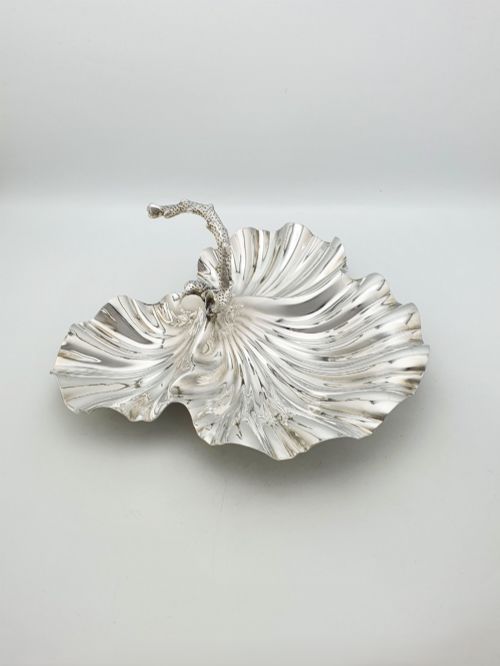
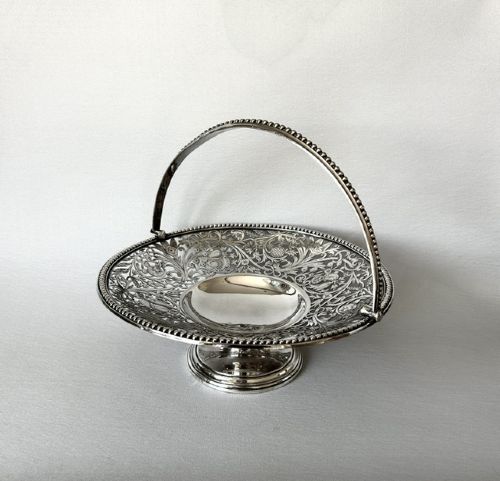
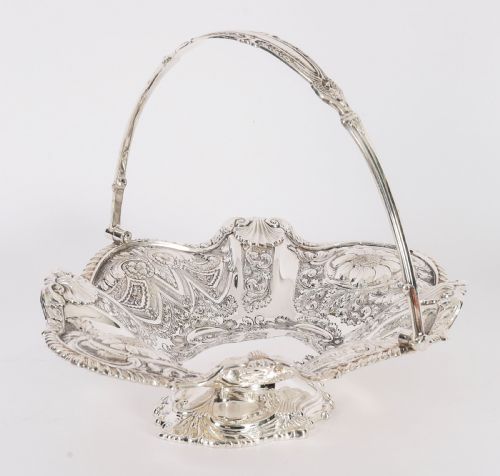
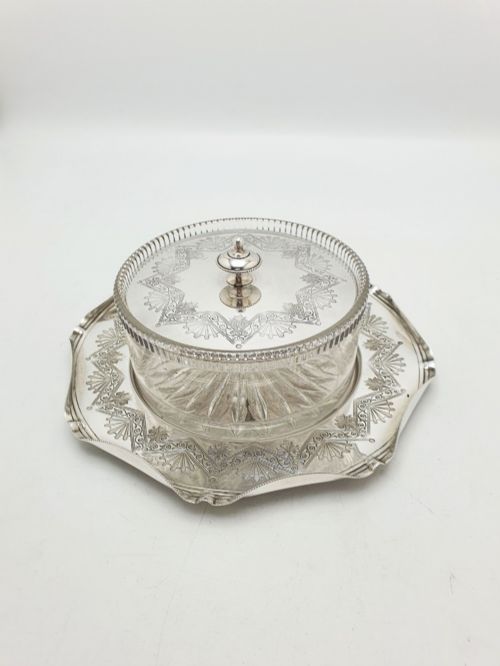
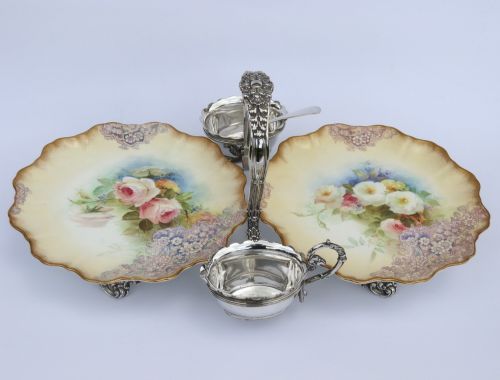
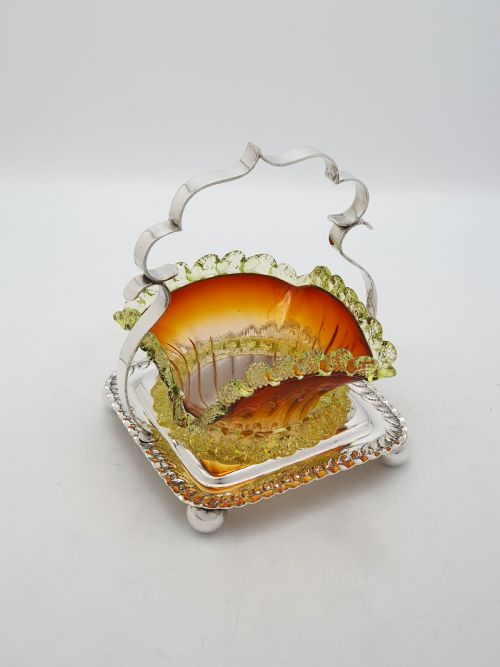
A victorian silver plated dish brings grand dining room elegance to the table with heavy metalwork and colourful glass liners.

Victorian Silver Plated Dish
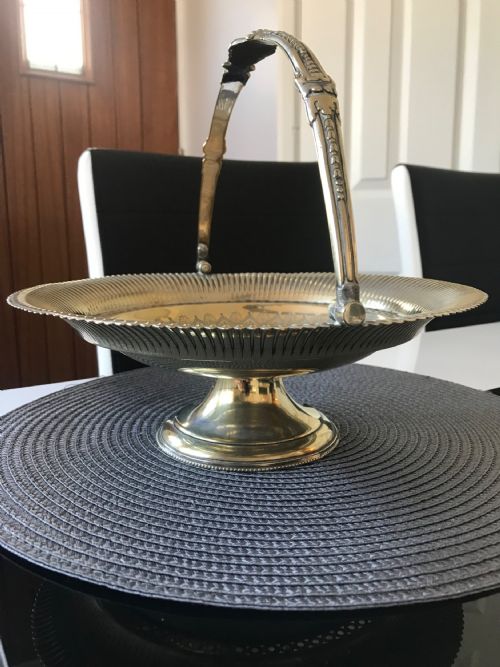
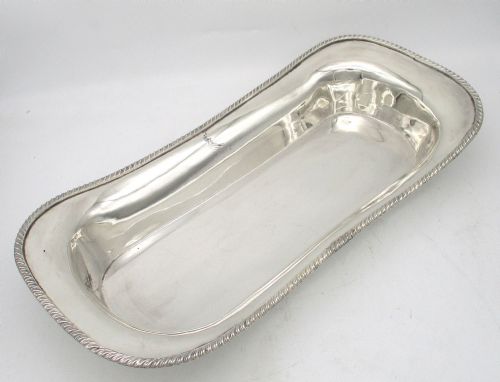
When searching for a victorian silver plated dish, collectors encounter a vast array of functional table vessels designed for butter, fruit, preserves, and grand meat services. The most frequently seen versions on this page include mid to late nineteenth-century butter dishes with glass inserts, sweetmeat baskets, and decorative fruit bowls shaped with naturalistic foliage.
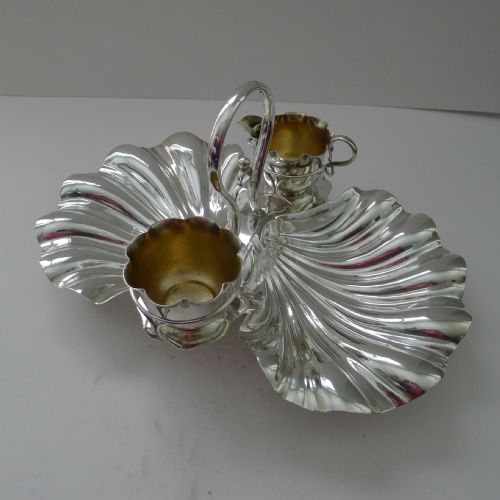
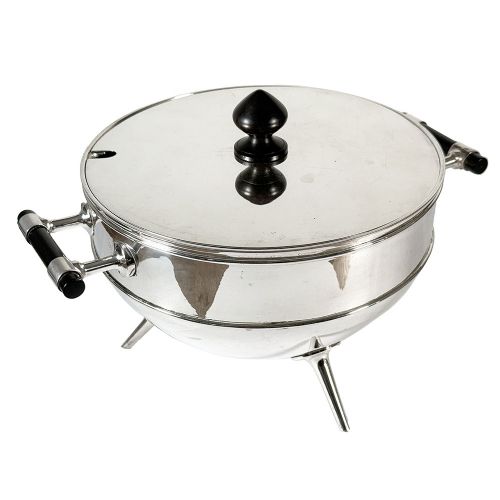
The assortment spans utilitarian serving tureens and warming dishes alongside delicate bonbon dishes and novelty nut containers formed as squirrels or shells. Makers adapted these pieces for specific dining rituals, combining silver plate with cranberry glass, vaseline glass, or fitted ceramic liners to hold delicate foods safely.
Stylistic influences range from restrained neoclassical lines and aesthetic movement geometry to exuberant Victorian naturalism featuring grapes and vine leaves. Edwardian examples often follow these nineteenth-century forms while introducing lighter frames and brighter coloured glass bowls.
How They Were Made
The underlying metal of these vessels is typically electroplated nickel silver or standard copper-based silver plate, created through mid-nineteenth-century chemical plating innovations that made domestic luxury widely accessible. Artisans built structural forms by stamping, spinning, or casting Britannia metal and nickel silver before applying a durable layer of silver.
Many items incorporate blown or pressed glass components, including cranberry, vaseline, cut, and opaline liners secured within pierced or cast silver plated frames. Details such as handles, feet, and decorative borders were frequently cast separately and soldered or riveted to the main body.
Listings feature items spanning the 1850s to the Edwardian period, utilising silver plate, cranberry glass, and carved wood.
What Varies in Quality
The integration of materials determines overall distinction, seen when a heavy silver plated frame holds a flawless, hand-blown coloured glass liner or incorporates complex mechanical actions like revolving lids and double rollover hinges.
George W Scott And Sons Ltd·Daniel Arter·Walker And Hall·Hukin And Heath·Thomas Bradbury·Mappin And Webb·Roberts And Belk·Elkington And Co·Francis Howard·William Hutton And Co
The Victorian Silver Plated Dish Glossary
- EPNS
- Electroplated Nickel Silver. This designates a base metal alloy of copper, nickel, and zinc coated with a thin layer of pure silver.
- Vaseline glass
- Uranium glass that exhibits a distinct transparent yellow or greenish-yellow hue. It glows brightly under ultraviolet light.
- Tazza
- An ornamental shallow cup or bowl mounted upon a stem and foot. It was traditionally used for serving small sweetmeats or fruit.
- Cloche
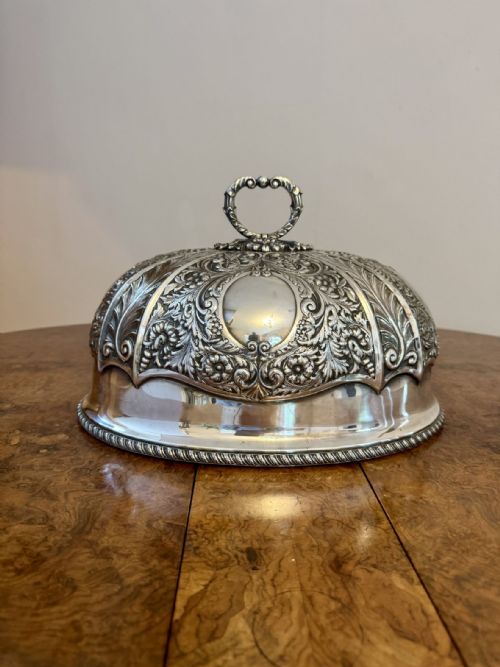
- A bell-shaped cover designed to keep roasted meats warm on the dining table. They frequently feature heavy engraved decoration and insulated handles.
- Entree dish
- A shallow lidded container used for serving secondary courses at formal Victorian dinners. Many incorporate clever reversible lids that double as secondary serving platters.
Victorian Silver Plated Dish: Frequently Asked Questions
What were silver plated dishes used for?
These vessels served specific dining functions such as presenting butter, storing preserves, or keeping roasted meats warm at the Victorian table.
Different designs matched specific foods, incorporating glass liners for acidic fruits and specialised compartments for nuts or biscuits.
How do I clean a silver plated dish?
Standard silver cream applied with a soft cloth removes everyday tarnish without harming the underlying plated metal surface.
Harsh abrasive dips should be avoided because they strip away the thin silver layer permanently over time.
How do I tell Victorian from Edwardian pieces?
Victorian designs tend to feature heavier casting, elaborate naturalistic fruit and leaf motifs, and deeper tones of cranberry glass.
Edwardian items often display lighter proportions, simpler neoclassical lines, and brighter vaseline or amber glass inserts.