



Victorian Silver Plated Cooler
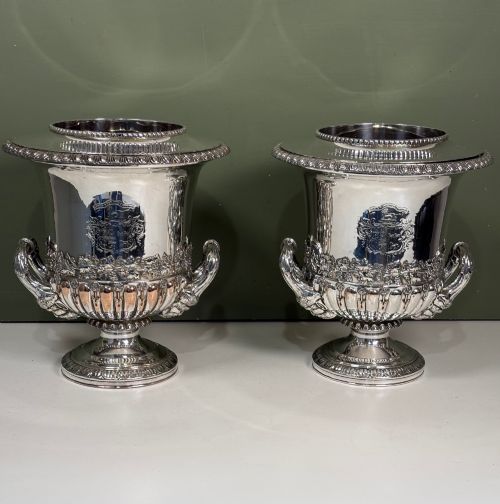
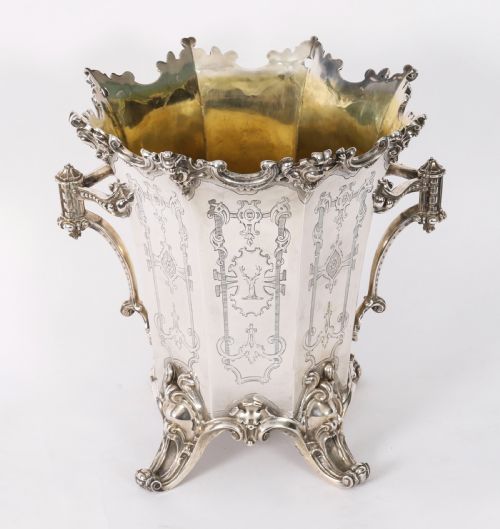
These Victorian silver plated cooler pieces bring generous nineteenth-century hospitality to the table, combining heavy metal plating with functional ice and wine storage.
Victorian Silver Plated Cooler
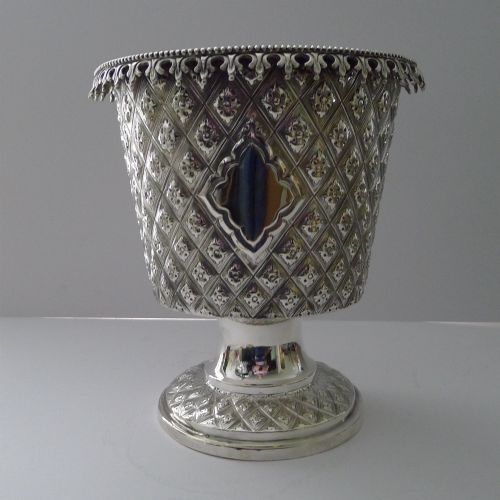
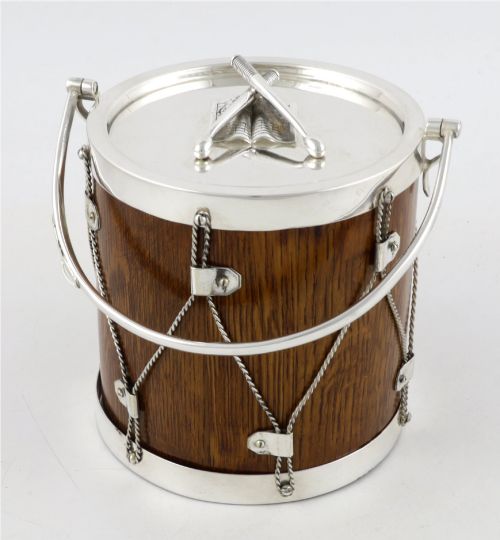
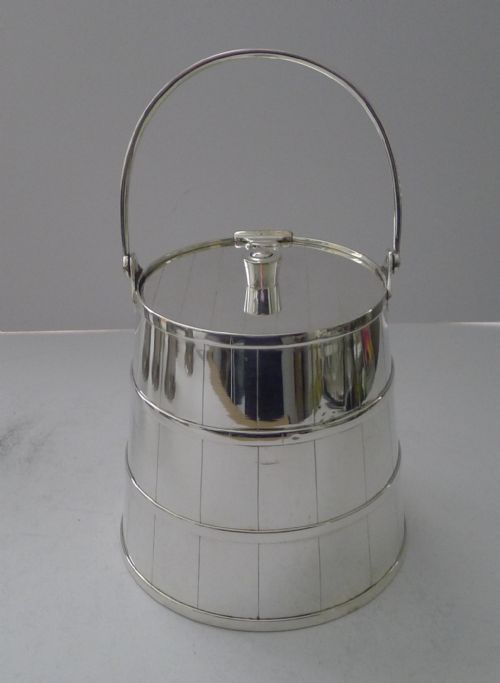
A victorian silver plated cooler serves wine, champagne, and ice at the table, drawing on nineteenth-century forms ranging from classical tubs to military drums. You will frequently find pieces combining silver plate with oak staves, ceramic liners, or clear glass inserts.
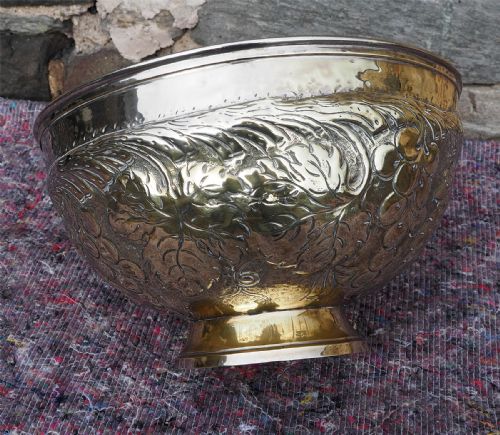
The selection on this page spans wine coolers, champagne buckets, and ice pails alongside related barware like punch bowls and biscuit barrels. Most examples date from the Victorian and Edwardian eras, utilising electroplated nickel silver and silver plate on copper.
Makers and makers' marks occasionally appear, identifying Birmingham and Sheffield workshops from the nineteenth century. Buyers select these items for functional entertaining as much as for their decorative presence on a sideboard.
Materials and Construction
Silversmiths applied thin layers of silver to base metals like copper or nickel silver, a process known as electroplating or old Sheffield plating. This technique provided the lustrous finish of solid silver without the prohibitive cost.
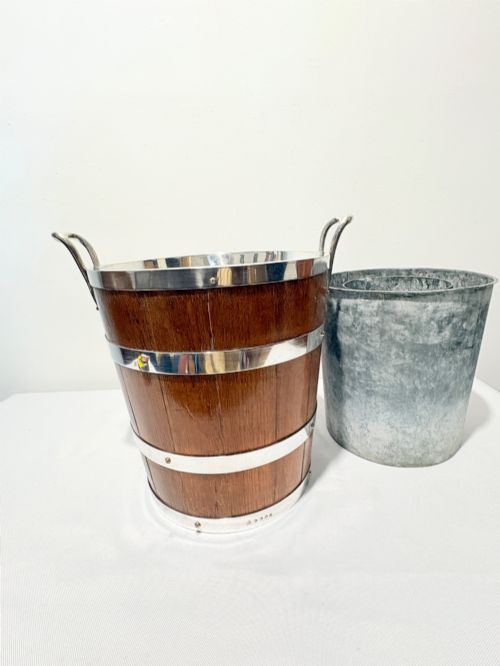
Many ice pails and coolers incorporate coopered oak staves banded with silver plate, mimicking the construction of traditional drinking vessels and casks. Interior liners of ceramic creamware or glass protected the wooden or metal bodies from moisture.
Mounts, handles, and feet were cast in brass, copper, or metal alloys before receiving their silver plating. Rococo Revival pieces feature heavily chased foliage and scrolls soldered to the main body.
Victorian Silver Plated Cooler Retail Price Guide 2026
Typical asking prices for victorian silver plated cooler among the pieces listed under this phrase on Sellingantiques today, from the lower quarter to the upper quarter. They describe what is for sale here now, not the wider market.
Some Victorian diners kept their biscuits just as cold as their champagne by repurposing novelty ice buckets.
Assessing Quality
The weight of the piece and the thickness of the base metal determine its durability and substance in the hand. Thicker silver plate resists wear through decades of polishing and use.
The integrity of fitted interiors, such as original glass liners and ceramic inserts, distinguishes complete examples from those with replacements. Original oak staves showing tight joints and secure metal bands indicate superior craftsmanship.
Crispness in chased or cast ornamentation reveals the skill of the silversmith, whereas worn or muddy details suggest lower-tier production. Maker marks from established firms add historical weight to the piece.
Elkington, Mason & Co·Hawksworth, Eyre & Co·Napier Clan
The Victorian Silver Plated Cooler Glossary
- Electroplated nickel silver
- A base alloy of copper, nickel, and zinc coated with a layer of pure silver through an electrical process. This method became widespread during the nineteenth century.
- Old Sheffield plate
- A composite material made by fusing a thin sheet of silver to a thicker copper ingot before rolling them into sheets. This predates modern electroplating.
- Creamware
- A fine earthenware developed in Yorkshire, often used for removable interior liners within ice pails. It provides a clean, glazed surface that resists staining.
- Coopered
- Woodwork constructed from curved staves fitted together and bound with hoops, typical of oak ice buckets. This method derives from traditional barrel-making.
- Rococo Revival
- A nineteenth-century design style characterised by asymmetry, C-scrolls, and naturalistic plant motifs. It appears frequently on Victorian hollowware.
Victorian Silver Plated Cooler: Frequently Asked Questions
How do I clean silver plate?
Clean silver plate gently using a soft cloth and a specialised silver polish formulated for plated items. Avoid abrasive pads or harsh chemical dips that can strip the thin silver layer from the base metal.
Rinse the piece thoroughly in warm water and dry it immediately with a lint-free cloth to prevent spotting. Regular, gentle dusting preserves the remaining silver surface far better than aggressive cleaning.
Can I use these for actual ice?
Most coolers and ice pails function well for holding ice cubes, provided they retain their original glass or ceramic liners. The liner protects the metal body and any wooden elements from prolonged contact with melting water.
If a piece lacks a liner, avoid leaving standing water inside for extended periods. Dry the interior completely after each use to protect the plating and underlying metal.
How do I date a silver plated cooler?
Dating relies on stylistic clues like Rococo Revival scrolls, manufacturing techniques such as old Sheffield plating versus electroplating, and any stamped maker marks. Nineteenth-century registry marks or maker stamps can often narrow down the production year.
Material combinations also offer hints, as oak-staved buckets with ceramic liners became particularly popular around the turn of the twentieth century. Comparing the weight and construction style to documented examples helps confirm the period.