

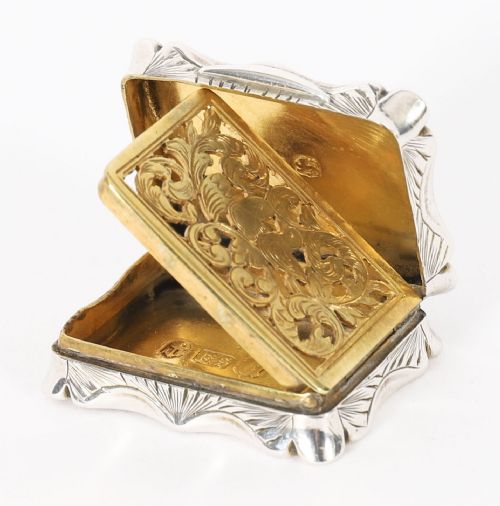


Victorian Silver Gilt Salts
Victorian silver gilt salts bring opulent nineteenth-century craftsmanship to the table, combining heavy sterling silver with rich gold wash.
Victorian Silver Gilt Salts
Victorian silver gilt salts encompass open salt cellars, tubs, bowls, and matched pairs or sets designed for nineteenth-century dining tables. The phrase captures pieces shaped like shells or novelty vessels finished with a bright gold application over silver.
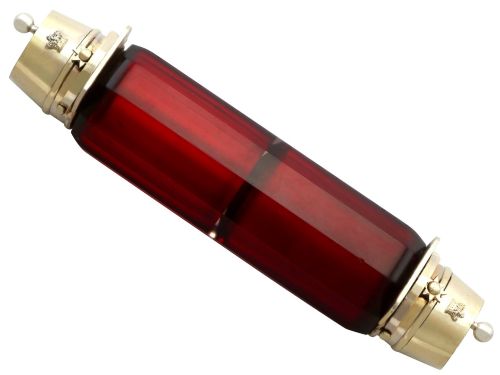
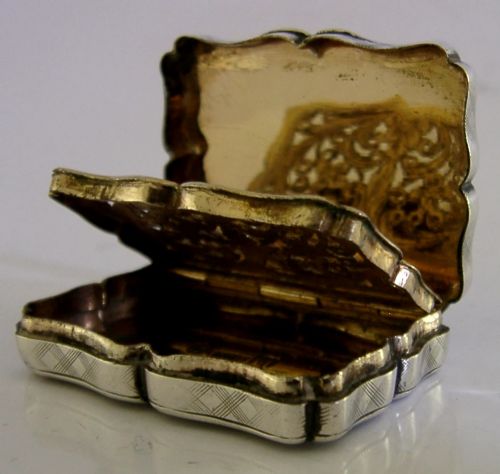
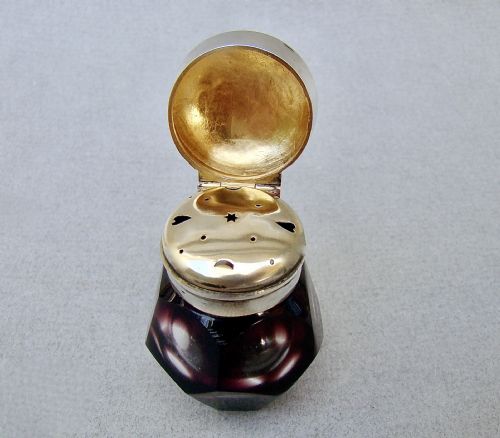
Most examples date across the nineteenth century, ranging from early Victorian work through to pieces marked toward the end of the century. Alongside open salt cellars, the market includes related small silver boxes, scent bottles, and vinaigrettes sharing the same period aesthetic.
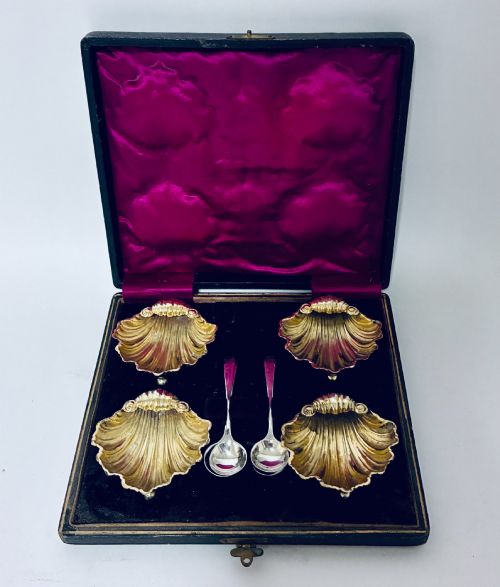
Makers produced these dining accessories in distinct regional styles, taking inspiration from Russian Revival motifs and Anglo-Indian Victorian designs. Buyers commonly encounter individual salt cellars, matched pairs, or complete sets accompanied by their original spoons.
Materials and methods
Silversmiths constructed these salt cellars using sterling silver, applying a gold wash known as silver gilt or gilt to the interior surfaces to protect the metal from corrosive salt. Production relied upon traditional techniques including casting, hammering, and detailed chasing.
Many nineteenth-century pieces incorporated fitted interiors lined with materials such as silk or velvet, particularly within cased condiment sets. Individual salt dishes frequently stood upon cast supports or detailed feet shaped to match the vessel's primary motif.
Victorian Silver Gilt Salts Retail Price Guide 2026
Typical asking prices for victorian silver gilt salts among the pieces listed under this phrase on Sellingantiques today, from the lower quarter to the upper quarter. They describe what is for sale here now, not the wider market.
Listings feature sterling silver, velvet, and silk materials spanning the Victorian era, 1870, 1880, and the wider nineteenth century.
Assessing quality and craftsmanship
Quality rests upon the crispness of the chased decoration and the weight of the sterling silver used in the body of the salt cellar. Finer pieces retain a thick, even layer of gold gilt across the interior surfaces without thinning from excessive cleaning.
The presence of matching spoons, original fitted presentation cases, and clear silversmith hallmarks elevates an item's standing. Novelty forms and specialised stylistic influences, such as Russian Revival or Anglo-Indian details, demonstrate higher artisan ambition.
Nathaniel Mills·Edward Smith·Thomas Smily·S Morden and Co
The Victorian Silver Gilt Salts Glossary
- Silver gilt
- Sterling silver that has been coated with a thin layer of gold. This process provides a rich golden appearance while protecting the silver from tarnishing when in contact with salt.
- Salt cellar
- A small open bowl or dish placed on the dining table to hold salt before individual shakers became common. Nineteenth-century examples often rested on short feet or took naturalistic shell forms.
- Vinaigrette
- A small ornamental box featuring a pierced internal grille, designed to hold a sponge soaked in aromatic vinegar. These portable nineteenth-century accessories utilised sterling silver and gilt finishes.
- Hallmark
- An official stamp applied to precious metals indicating the maker, assay office, and year of production. British nineteenth-century pieces carry distinct duty marks and date letters.
Victorian Silver Gilt Salts: Frequently Asked Questions
How were salt cellars used?
Victorian diners used salt cellars by spooning loose salt from the open dish onto the side of their plate. Guests did not dip their food directly into the central container.
Servers replenished the salt tubs between courses using small condiment spoons that often matched the set.
Why is the silver gold inside?
The gold wash, or gilt, protected the reactive sterling silver from the corrosive nature of salt. Direct contact with salt would pit and darken untreated silver over time.
Applying a layer of gold created a safe barrier while adding a decorative contrast to the exterior metalwork.
How do I clean silver gilt salts?
Silver gilt objects require gentle treatment with warm soapy water and a soft cloth to preserve the delicate gold layer. Harsh metal polishes will strip away the gilding entirely.
Careful drying prevents moisture spots from forming on the textured or chased surfaces.
Are original spoons important?
Original matching spoons complete a set and indicate that the pieces have remained together since the nineteenth century. Finding a full set with its accompanying spoons adds historical integrity.
Many surviving salt cellars lost their original small spoons over generations of use.