







Victorian Silver Easel
These Victorian silver easel items bring desk and vanity pieces together, offering hinged strut backs and precious metal mounts that hold portraits or reflect dressing tables.
Victorian Silver Easel
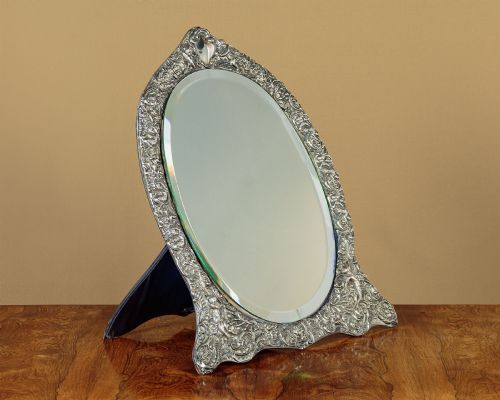
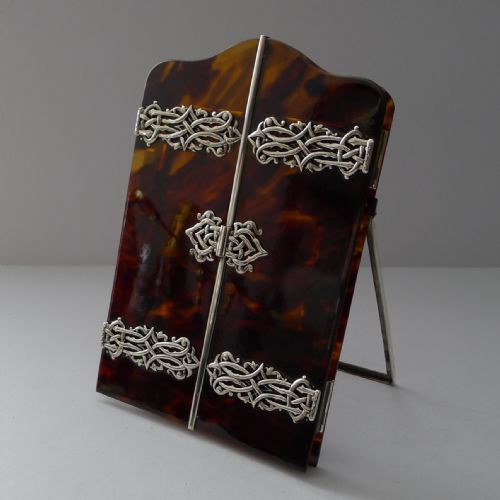
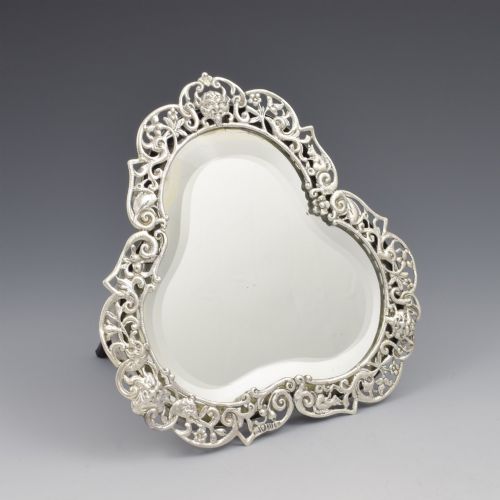
When searching for a victorian silver easel, you encounter table mirrors, menu holders, clocks, and portrait frames designed to stand upright on furniture. These pieces rely on a hinged rear support, known as an easel or strut, to hold the display vertical.
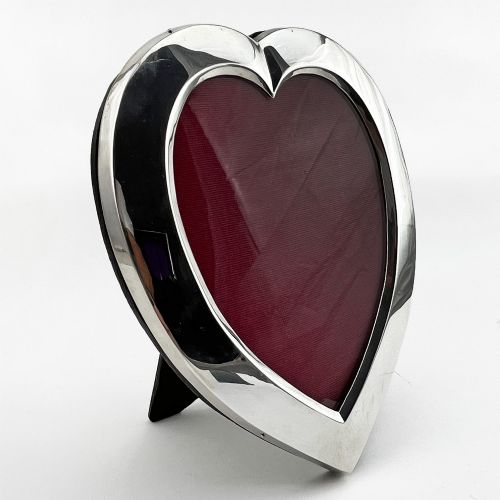
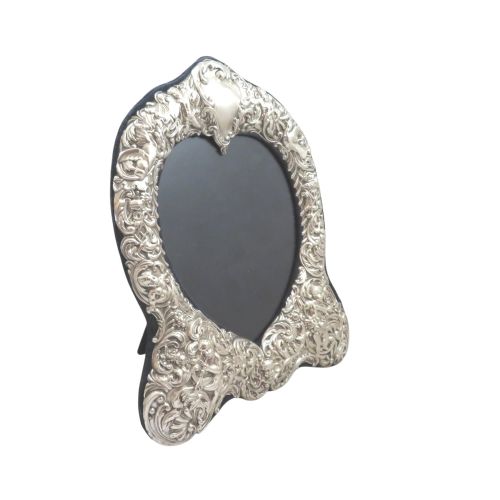
The objects stem predominantly from the Victorian period, spanning the late nineteenth century with occasional overlap into Edwardian production. Forms range from compact heart-shaped photo frames to large dressing table mirrors.
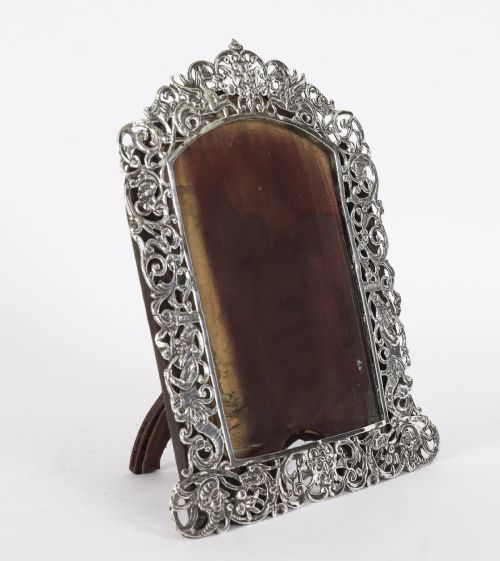
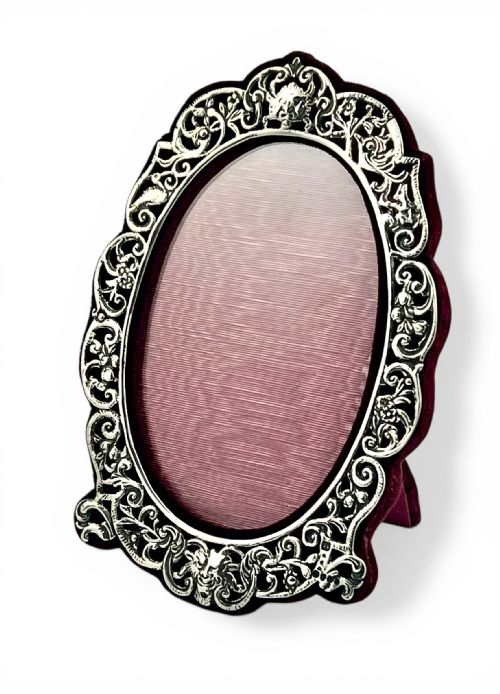
Makers shaped sterling silver into elaborate pierced designs, embossed cherubs, and smooth mounts backed by velvet, glass, wood, and fabric. Such items sat upon dressing tables, mantelpieces, and desks to display family likenesses or direct guests.
Materials and construction
Silversmiths utilised sterling silver sheet metal, pressing or hammering it against chased dies to create embossed motifs like Reynolds Angels and scrolling foliage. Pierced openwork techniques defined decorative borders, requiring careful hand-sawing through the silver plate.
Backing materials provided structural rigidity behind the silver mounts. Wood, brass, and thick glass supported heavy frames, whilst plush blue velvet or fabric lined the rear surfaces against which the silver struts rested.
Victorian Silver Easel Retail Price Guide 2026
Typical asking prices for victorian silver easel among the pieces listed under this phrase on Sellingantiques today, from the lower quarter to the upper quarter. They describe what is for sale here now, not the wider market.
Reynolds Angels peer out from Victorian silver frames, watching over dressing tables since the nineteenth century.
Assessing craftsmanship and finish
The depth and clarity of the embossed or pierced decoration distinguish finer examples from plain production. Crisp detailing on motifs such as cherubs, birds, and animals demonstrates superior smithing skill.
Substantial gauge silver and intact, original backing components like wooden carcasses and plush velvet elevate an object's integrity. The robustness of the integral easel hinge ensures the piece stands securely without strain on the metal mounts.
William Comyns·Rosenthal Jacob And Co·Henry Matthews·Walker And Hall·Syner And Beddoes·Howell And James
The Victorian Silver Easel Glossary
- Easel
- A hinged rear strut attached to a frame or mirror that allows the object to stand upright on a flat surface. This support folds flat when not in use.
- Strut
- An alternative term for the rear support leg of a table mirror or photograph frame. It bears the weight of the display.
- Sterling Silver
- An alloy consisting of silver and other metals, typically copper, standardly containing a high proportion of pure silver. It forms the primary metal mount for these frames and mirrors.
- Embossed
- Ornamented with raised patterns pressed or hammered into the surface of the metal from behind. This technique created popular pictorial scenes on nineteenth-century frames.
- Pierced
- Cut through the metal to create openwork decorative patterns and negative space. Silversmiths employed this method on dressing table mirrors and photograph mounts.
Victorian Silver Easel: Frequently Asked Questions
How do I clean a silver easel frame?
Use a soft cloth and a gentle silver polish specifically formulated for sterling items, taking care around fabric or velvet backings.
Avoid getting liquid polish onto the wooden or textile components, as moisture can stain or weaken the antique structural backing.
Can I replace the glass in a photo frame?
Original glass panes are held by bent silver tabs or bezel edges that can be carefully lifted by a specialist.
Modern replacement glass should match the thickness of the historic pane to fit securely within the original silver rebate.
How do I date a silver easel?
Hallmarks stamped directly onto the silver mount provide city assay office symbols, date letters, and maker's marks.
Matching these assay stamps against British hallmarking tables reveals the exact year of manufacture during the Victorian era.
Where were these displayed in a Victorian home?
These items sat primarily on dressing tables, mantelpieces, and writing desks in private bedchambers and drawing rooms.
Table mirrors and photograph frames served both functional daily use and decorative display for family portraits.