

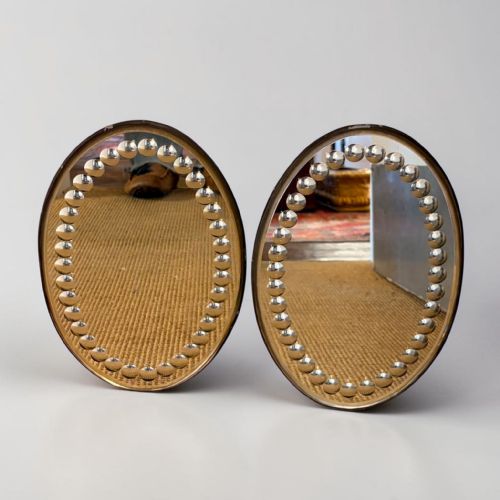
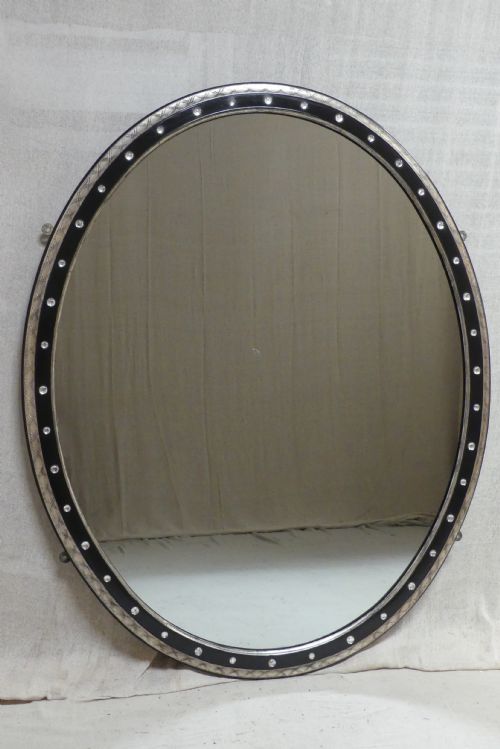


Oval Silver Mirror
An oval silver mirror brings depth and light to a room, offering sleek vanity glass or ornate wall hanging frames.
Oval Silver Mirror
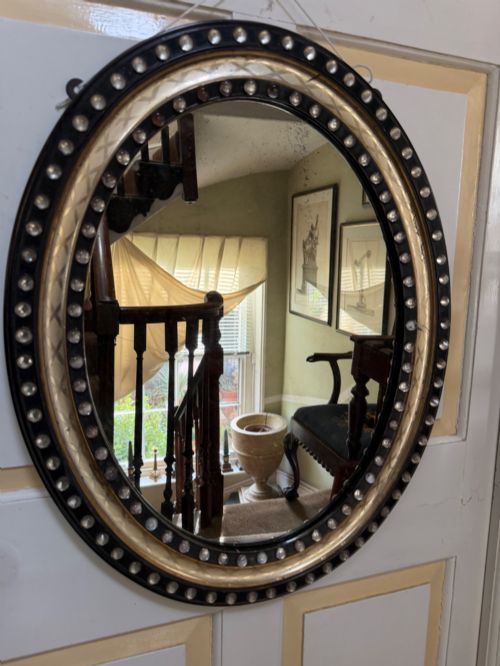
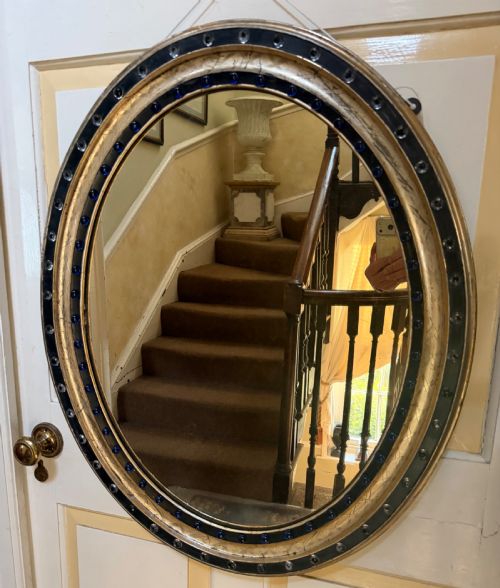
An oval silver mirror appears in various forms across multiple centuries, ranging from compact dressing table accessories to large wall hangings. When searching for an oval silver mirror, buyers encounter everything from early seventeenth-century gilt work to later twentieth-century chrome vanity designs.
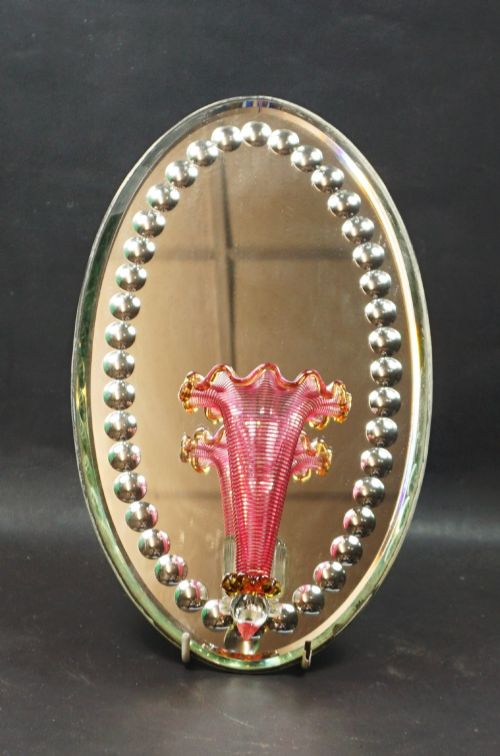
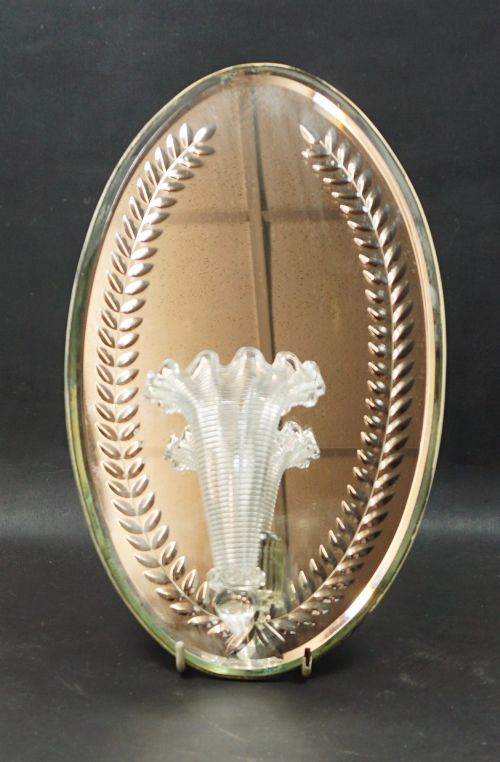
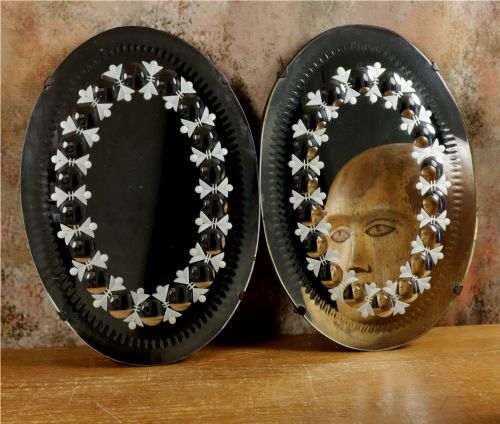
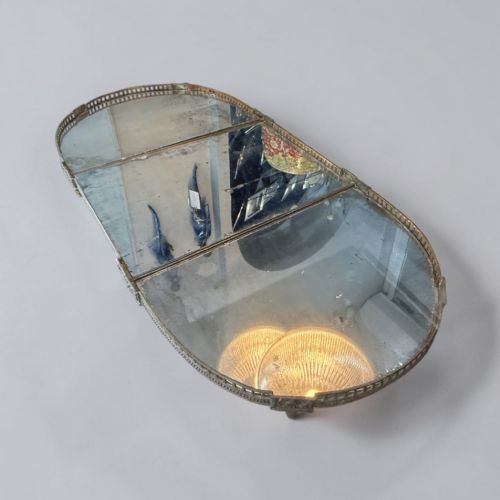
The selection includes specialised items such as jeweller's plateaus, table centrepieces, and sorcerer mirrors with convex etched glass. Wall mirrors dominate the offerings, frequently incorporating decorative elements like flower vases or parcel gilt finishes.
How they were made
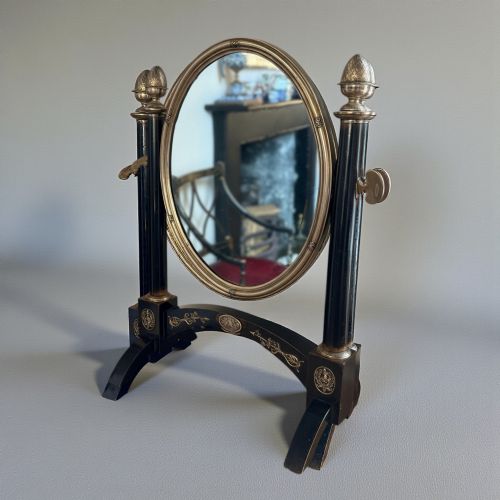
Maker construction relies heavily on combinations of wood, mirror glass, and silvered metal, often enhanced with ebonised wood or parcel gilt highlights. Frames utilise brass, chrome, and carved timber to support bevelled or foxed glass plates.
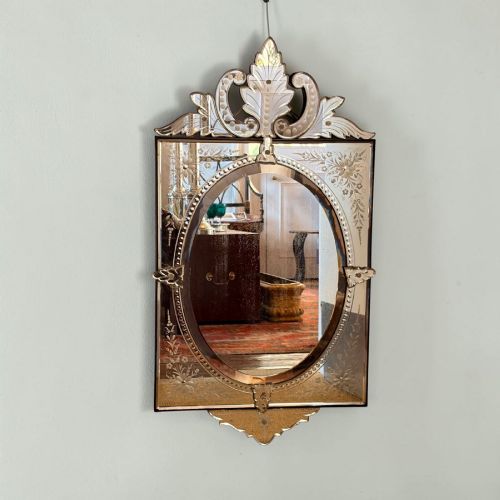
Specialist techniques appear in Venetian designs and multi-convex witching mirrors, showing meticulous framing and glass silvering methods developed across different periods.
Oval Silver Mirror Retail Price Guide 2026
Typical asking prices for oval silver mirror among the pieces listed under this phrase on Sellingantiques today, from the lower quarter to the upper quarter. They describe what is for sale here now, not the wider market.
Current listings span from the seventeenth century to the twentieth century, featuring materials such as ebonised wood, brass, chrome, and silvered glass.
What varies in quality
Quality differences emerge in the depth of the gilding, the condition of the silvered glass plate, and the complexity of the frame carving. Finer examples display superior hand-finishing on wood and metal components.
The integrity of the original mirror glass and the sophistication of period details, such as etched convex surfaces or integrated flower vases, distinguish standard pieces from exceptional ones.
The Oval Silver Mirror Glossary
- Sorcerer mirror
- A convex mirror designed to distort reflections, often called a witching wall mirror. These pieces create wide-angle perspectives of a room.
- Foxed plate
- A mirror glass plate showing age-related spots and oxidation behind the glass. This natural deterioration alters the reflective quality.
- Jeweller's plateau
- A mirrored tray or stand originally used to display silver or jewellery on a table. They often feature protective metal or wooden rims.
- Parcel gilt
- A surface treatment where only specific raised portions of a frame receive gold leaf or gilt. This technique highlights carved details against a contrasting background.
- Ebonised wood
- Timber treated to imitate ebony through staining or painting. This dark finish provides a strong visual contrast to silver or gilt elements.
Oval Silver Mirror: Frequently Asked Questions
Where should I hang an oval silver mirror?
An oval silver mirror suits entrance halls, above mantelpieces, or as a focal point in a bedroom. The curved shape softens angular room layouts.
Position the glass to reflect natural light from windows, which brightens darker corners and creates an illusion of greater spatial depth.
How do I clean antique silvered glass?
Clean the glass surface gently with a soft microfibre cloth and mild soapy water, avoiding harsh commercial ammonia cleaners. Moisture must not seep behind the mirror plate.
Dry the edges thoroughly to prevent further oxidation or damage to the silvered backing and surrounding frame materials.
What is a sorcerer mirror used for?
A sorcerer mirror, or convex mirror, historically served to monitor rooms and deflect perceived evil spirits. Today, they function primarily as decorative art pieces.
The curved glass captures a wide panoramic reflection of the interior space, adding distinct visual interest to a wall.
How do I date an antique mirror?
Examine the construction of the wooden frame, the fasteners, and the characteristics of the glass plate. Hand-bevelled edges and foxing indicate considerable age.
Styles offer clues, such as heavy parcel gilt ornamentation pointing to earlier centuries, while chrome or minimal frames suggest twentieth-century manufacturing.