


Victorian Silver Creamer
These Victorian silver creamer examples are nineteenth-century pouring vessels crafted for tea service, offering tactile charm and period character to a modern table.
Victorian Silver Creamer
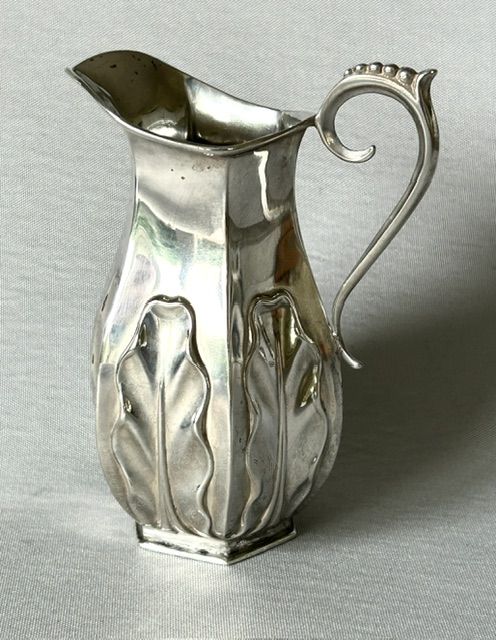
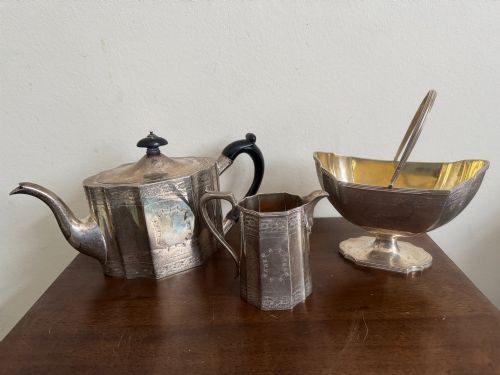
A Victorian silver creamer is a small pouring vessel designed for milk or cream, appearing across this selection as dedicated cream jugs, part of larger tea services, or matched with sugar bowls. You will find pieces taking traditional pedestal forms alongside low bulbous bodies, reflecting the domestic habits of the nineteenth century.
The objects span several decades of production, incorporating styles such as Late Victorian, Rococo Revival, and Victorian Naturalist interpretations. Most examples on this page date from the mid-to-late nineteenth century, displaying the characteristic proportions and weight of the era.
Materials and construction
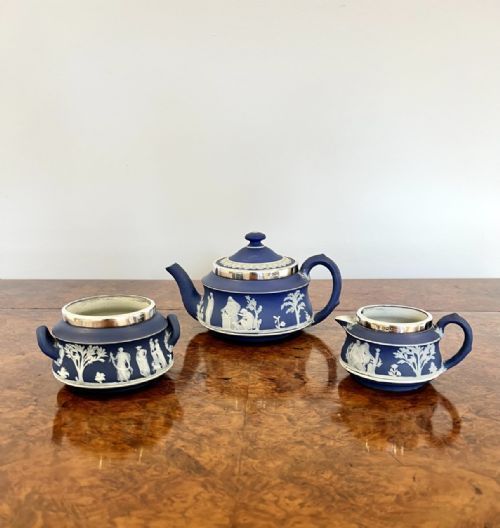
Makers utilised sterling silver and silver plate as the primary structural materials, often applying gold gilding to the interior bowl surfaces to protect the metal from dairy acids. Certain pieces incorporate contrasting elements like ebony handles or ceramic bodies, such as jasperware stoneware mounted in silver.
Manufacturing techniques combined traditional silversmithing methods, including hand-engraved floral designs and cast mounts. Handles were occasionally woven or insulated, while bodies frequently featured hallmarks indicating assay offices in cities such as London and Glasgow.
Victorian Silver Creamer Retail Price Guide 2026
Typical asking prices for victorian silver creamer among the pieces listed under this phrase on Sellingantiques today, from the lower quarter to the upper quarter. They describe what is for sale here now, not the wider market.
Materials recorded across these items include sterling silver, silver plate, gold gilding, ebony, and Wedgwood jasperware.
Distinctions in quality
The standard of a Victorian silver creamer rests upon the crispness of its chased or engraved decoration and the integrity of its structural proportions. Superior examples demonstrate deliberate weight in the hand and secure balance in the handle and spout.
Makers' marks and assay office stamps add clarity to an item's origin, influencing interest among collectors. Finer pieces maintain clear, legible hallmarks and harmonious integration of decorative motifs without obscuring the functional utility of the vessel.
John Rawlings·Robert Hennell·William Moering·Goldsmiths & Silversmiths
The Victorian Silver Creamer Glossary
- Sterling silver
- A silver alloy containing 92.5 percent pure silver by mass, forming the primary material for high-grade domestic silverware of the period. This standard was strictly regulated by assay office hallmarks.
- Hallmark
- An official stamp applied by an assay office to indicate the purity of the metal, the year of manufacture, and the maker's mark. These marks provide verifiable historical context for dating each piece.
- Gilding
- A thin layer of gold applied to the interior surface of a silver cream jug. This technique prevents the acidic components of milk or cream from tarnishing the underlying silver.
- Jasperware
- A type of stoneware developed by Wedgwood, characterised by a matte finish and often mounted in silver. Pieces incorporating this ceramic material combine pottery traditions with nineteenth-century silversmithing.
- Pedestal
- A raised foot or base supporting the body of the cream jug. This form lifts the vessel off the table surface, typical of mid-nineteenth-century classical revival designs.
Victorian Silver Creamer: Frequently Asked Questions
How do I date a Victorian silver creamer?
Dating relies primarily upon the stamped hallmarks found on the exterior or base of the vessel, which denote the assay office and year letter.
Style and decorative motifs, such as naturalist engraving or Rococo revival curves, offer additional contextual clues when hallmarks are rubbed.
Can I use these creamers daily?
These vessels were built for practical domestic use and remain entirely suitable for serving milk or cream at the table today.
Gentle hand washing without abrasive cleaners will preserve the surface finish and any interior gold gilding.
What is the difference between silver and silver plate?
Solid silver pieces consist of precious metal throughout their structure, marked with standard purity guarantees like the lion passant.
Silver-plated items feature a thin layer of silver bonded over a base metal foundation, introduced as a cost-effective manufacturing alternative.
Why do some creamers have gilded interiors?
Silversmiths applied a thin gold wash inside the bowl to prevent dairy acids from reacting with and discoloring the silver.
This practical measure also added a rich visual contrast when the vessel was poured.