

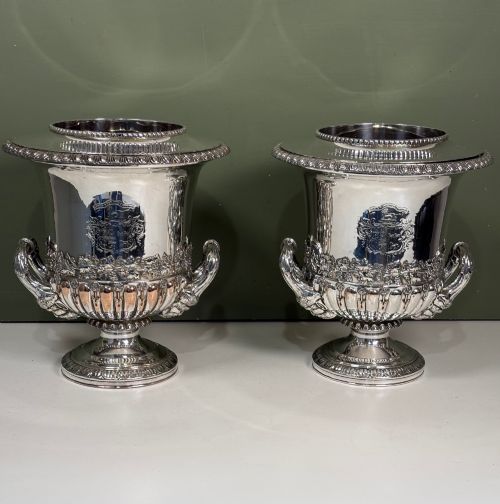


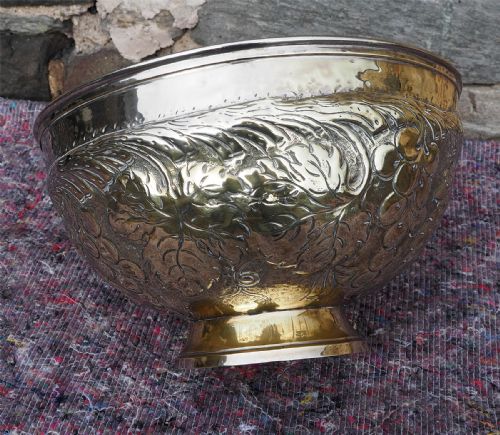


Victorian Silver Champagne Bucket
These Victorian silver champagne bucket pieces combine heavy metalwork with formal entertaining, offering collectors a striking centrepiece for the table.
Victorian Silver Champagne Bucket
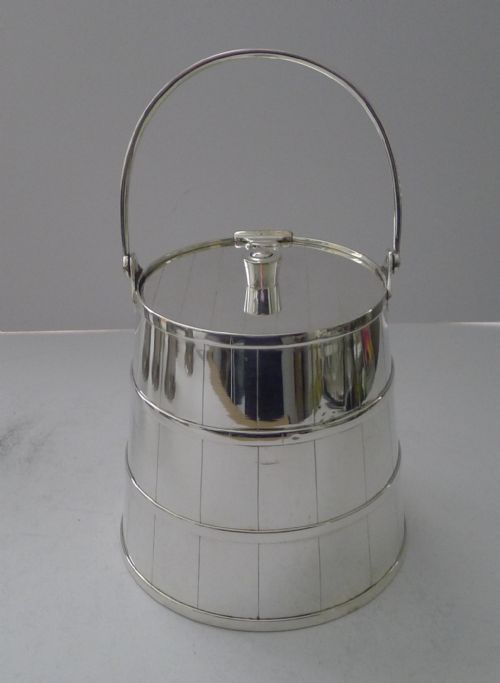
A victorian silver champagne bucket serves to chill wine and hold ice during formal dining, appearing in forms such as wine coolers, punch bowls, and biscuit barrels. The selection spans the nineteenth century, including specific dates from eighteen hundred through to nineteen hundred, alongside Edwardian and later twentieth century examples.
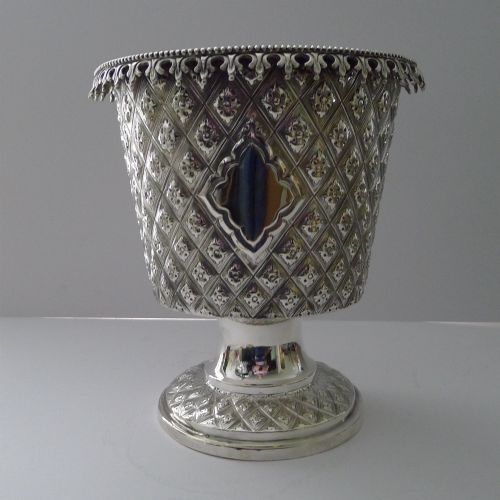
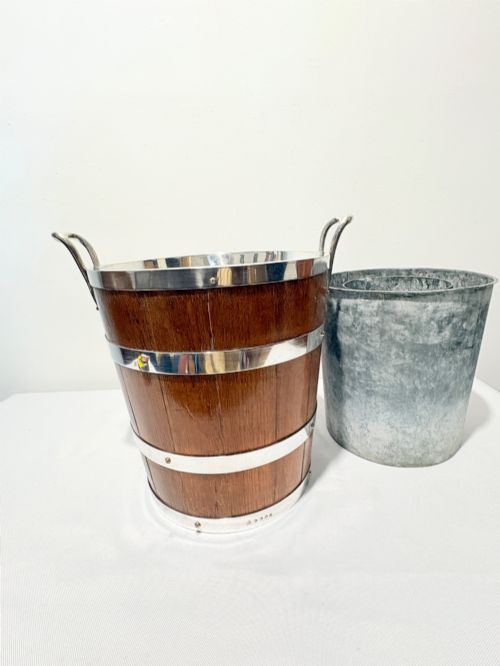
Buyers frequently encounter silver plate, electroplated nickel silver, and sterling silver pieces, often paired with oak, copper, glass, or ceramic creamware liners. Styles range from plain utilitarian designs to ornate Victorian Rococo Revival ornamentation.
Materials and construction
Metalworking techniques unite silver plate, copper, and sterling silver over sturdy substrates like oak to build heavy insulating vessels. Artisans fused thin layers of precious metal to base metals or shaped solid silver into deep bowls designed to hold melting ice.
Interior elements incorporate fitted ceramic creamware liners and thick glass vessels to contain liquids safely within the metal framework. Handles, rims, and decorative mounts were cast separately and soldered or riveted to the main body.
Victorian Silver Champagne Bucket Retail Price Guide 2026
Typical asking prices for victorian silver champagne bucket among the pieces listed under this phrase on Sellingantiques today, from the lower quarter to the upper quarter. They describe what is for sale here now, not the wider market.
Listings feature items spanning the nineteenth century, including specific production dates from eighteen hundred, eighteen eighty, and nineteen hundred.
Assessing quality
The distinction between standard items and superior examples lies in the weight of the metal and the crispness of the chased or cast ornament. Heavy gauge silver plate and substantial oak staves indicate higher production standards than lighter, mass-produced alternatives.
Maker attribution elevates certain vessels, particularly those bearing the marks of established firms such as Elkington or Hawksworth, Eyre and Company. The integration of original liners, such as stamped ceramic inserts, preserves the integrity of the piece.
Elkington Mason And Co·Hawksworth Eyre And Co
The Victorian Silver Champagne Bucket Glossary
- Silver plate
- A layer of silver bonded to a base metal such as copper or nickel silver. This technique allowed makers to produce substantial vessels at a lower cost than solid sterling silver.
- Electroplated nickel silver
- A common base alloy known by the abbreviation EPNS, widely utilised in nineteenth century manufacturing. It provided a strong, corrosion-resistant foundation for silver plating.
- Rococo Revival
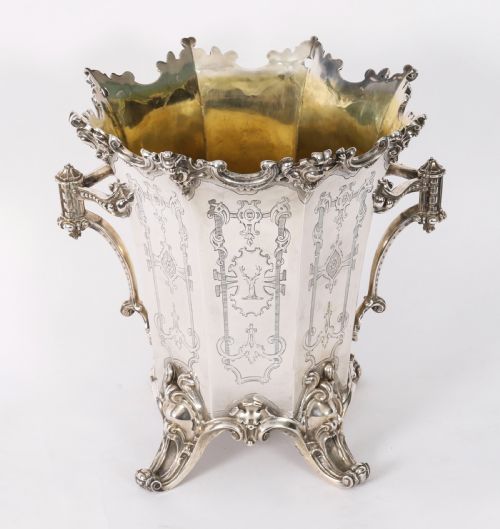
- A decorative style popular during the Victorian period featuring asymmetrical scrollwork, naturalistic shell motifs, and floral detailing. It dominates the ornamentation on many formal wine coolers.
- Creamware
- A type of refined earthenware with a pale yellowish glaze, frequently used for internal liners in ice buckets and biscuit barrels. It offered a clean, washable surface for holding ice or food.
Victorian Silver Champagne Bucket: Frequently Asked Questions
How do I clean a silver plated champagne bucket?
Use a soft cloth and a gentle silver polish formulated specifically for plated items to maintain the surface shine without wearing through the thin metal layer. Avoid harsh abrasive cleaners or soaking wooden elements.
After polishing, rinse the vessel thoroughly in warm water and dry it immediately with a lint-free cloth to prevent water spots and tarnishing.
Can I use these buckets for actual ice and champagne?
Many of these sturdy nineteenth century vessels remain fully functional for chilling bottles and holding ice during modern gatherings. Ensure the interior liner, whether glass or ceramic, is intact and stable before filling.
Dry the interior completely after use to protect the underlying metal and any wooden components from prolonged moisture exposure.
How do I date a Victorian champagne bucket?
Examine the base and rims for maker marks, date ciphers, and registry stamps left by the manufacturer or the assay office. These small stamped symbols often reveal the exact year of production or the decade of manufacture.
Stylistic clues, such as heavy Rococo Revival scrollwork or the presence of specific materials like oak staves, help narrow the period when official marks are absent.
What is the difference between a wine cooler and a champagne bucket?
Wine coolers historically functioned as stationary vessels designed to hold bottles on side tables during lengthy dinners, often featuring deep, heavy walls. Champagne buckets frequently incorporate movable swing handles for easier transport between guests.
Both forms overlap significantly in Victorian barware, with many pieces serving multiple functions for cooling wine, punching drinks, or storing biscuits.