

Victorian Silver Barrel
When you search for a victorian silver barrel, you are tracking down tactile vessels designed for biscuits, wine and ice that bring distinct period craft to the table.
Victorian Silver Barrel
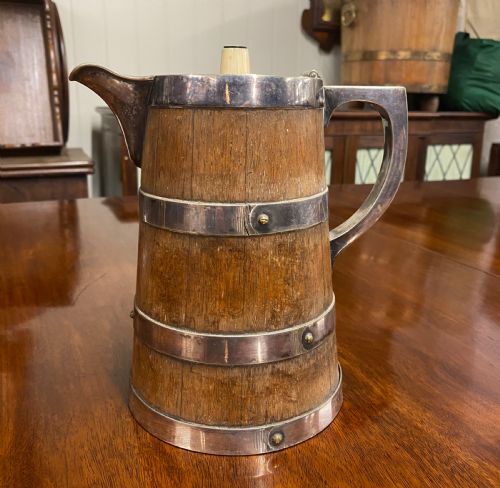
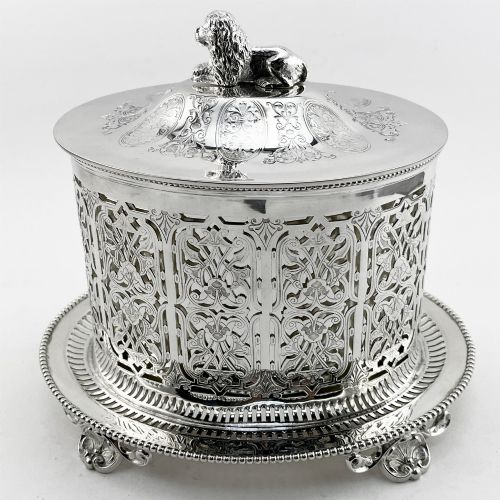
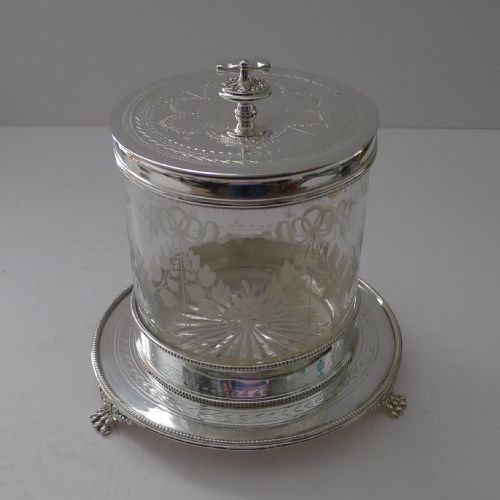
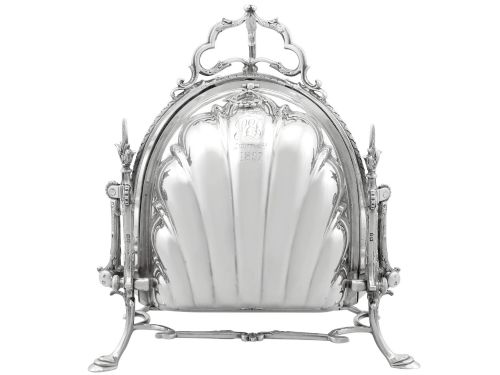
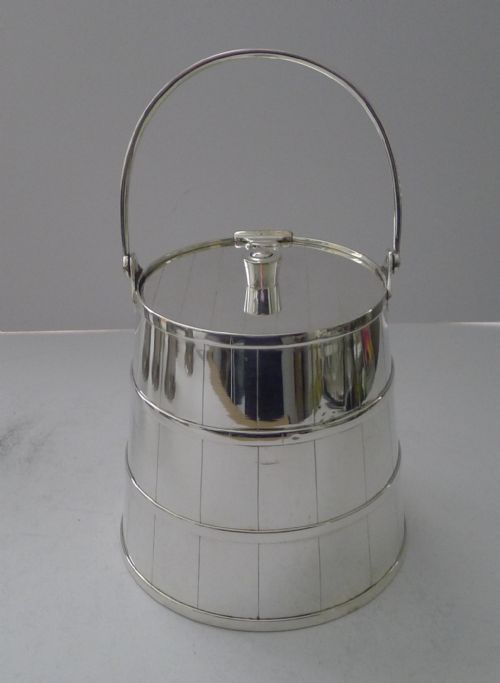
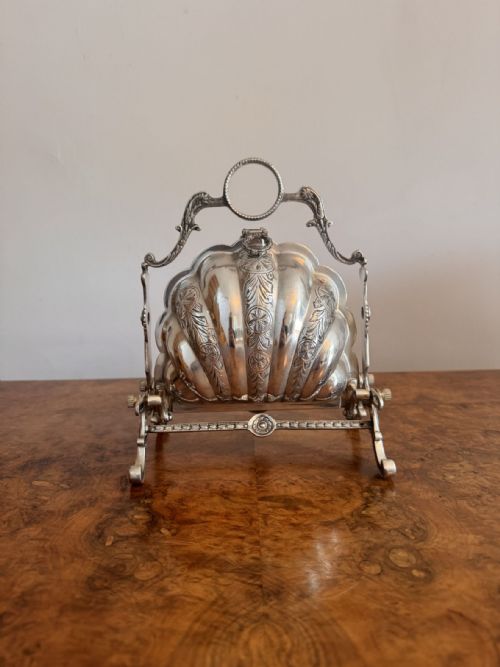
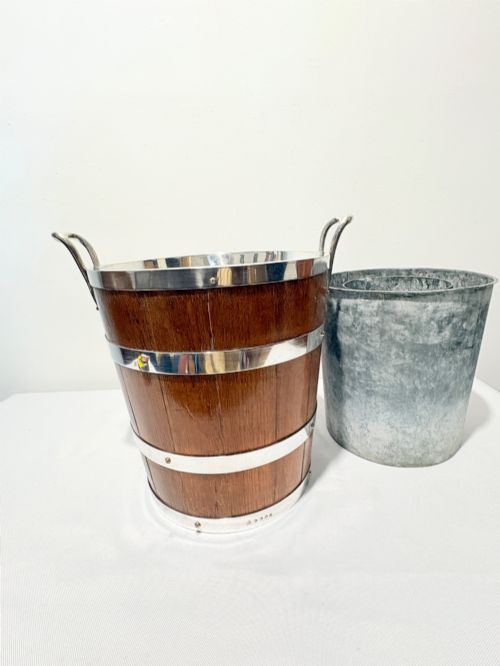
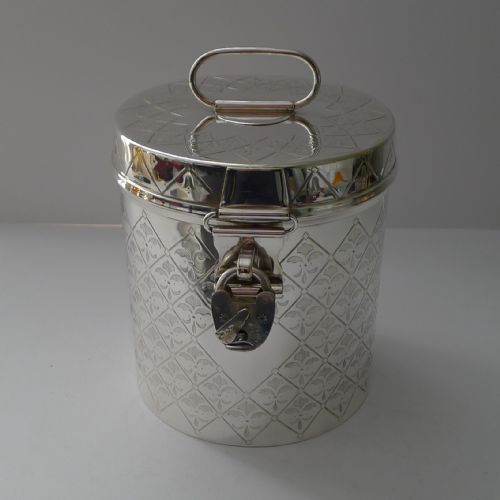
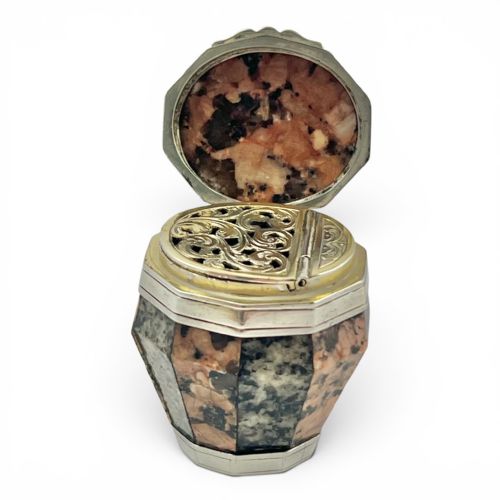
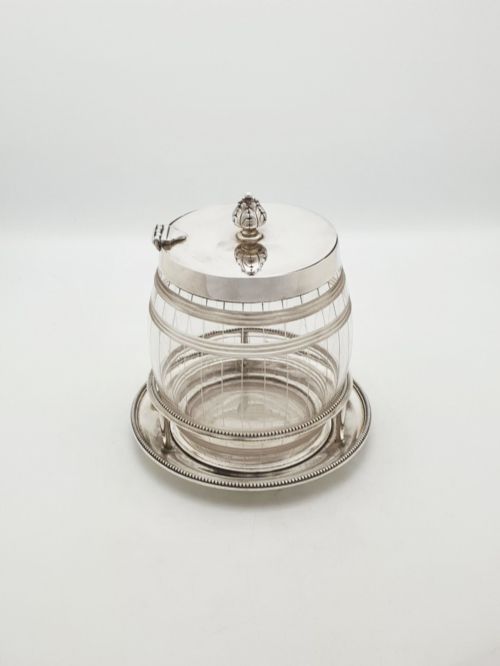
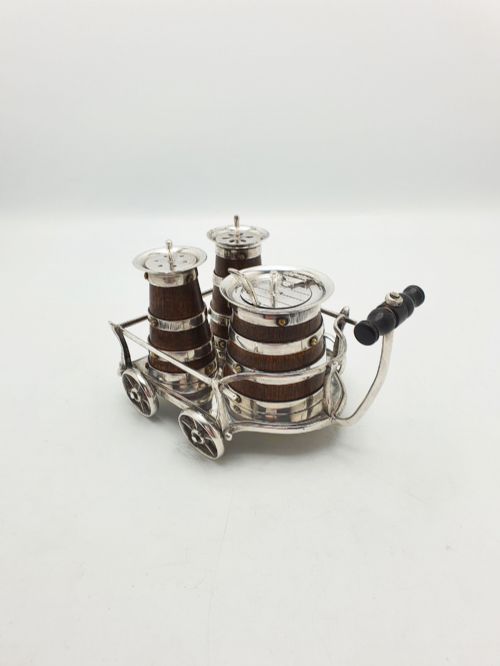
Buyers searching for a victorian silver barrel encounter a surprising variety of domestic containers, most frequently taking the form of biscuit boxes, wine coolers and ice buckets created across the nineteenth and early twentieth centuries. These pieces span standard cylindrical jars to more elaborate novelty forms like rolling carts, folding shells and miniature casks.
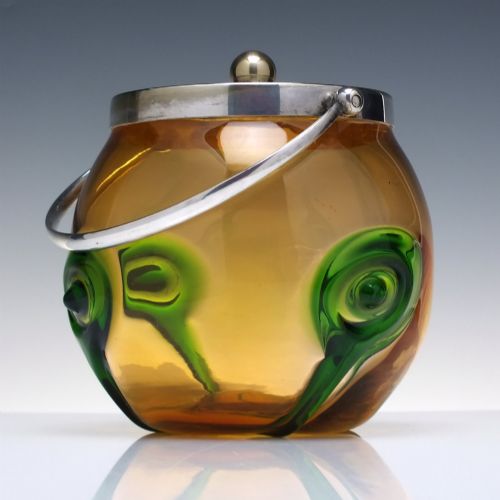
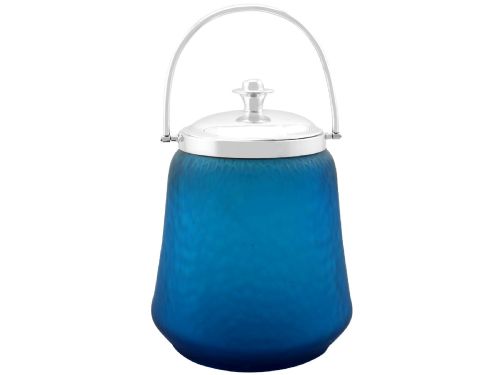
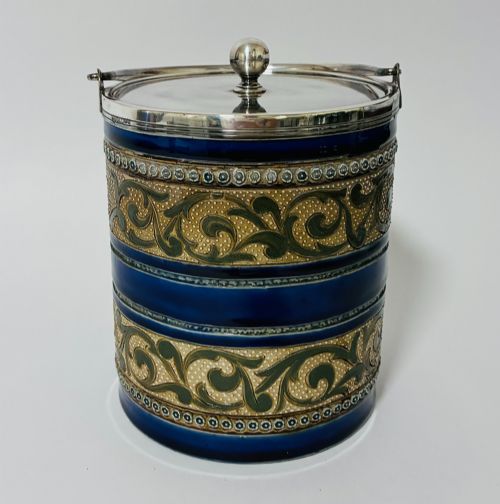
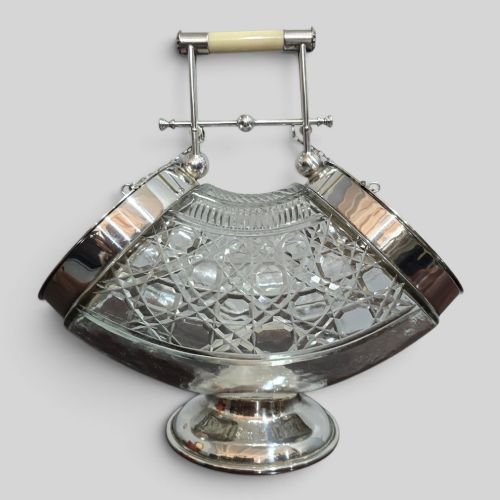
The objects frequently combine polished metal mounts with contrasting bodies of cut glass, ceramics such as Wedgwood Jasperware and Doulton Lambeth, or solid timber like oak. While many examples rely on silver plate or electroplated nickel silver, substantial sterling silver versions appear alongside smaller pocket items like vinaigrettes.
Originating largely from English workshops and Scottish makers, these barrels reflect the formal dining habits of the Victorian and Edwardian eras. They served practical purposes on the sideboard or drawing room table, storing provisions while doubling as decorative table art.
How they were made
Makers constructed these vessels by pairing robust internal bodies of stoneware, ceramic, cut glass or carved oak with protective external mounts of silver plate or sterling silver. Metal components were shaped through casting and stamping, often finished with detailed pierced floral scrollwork or heraldic finials.
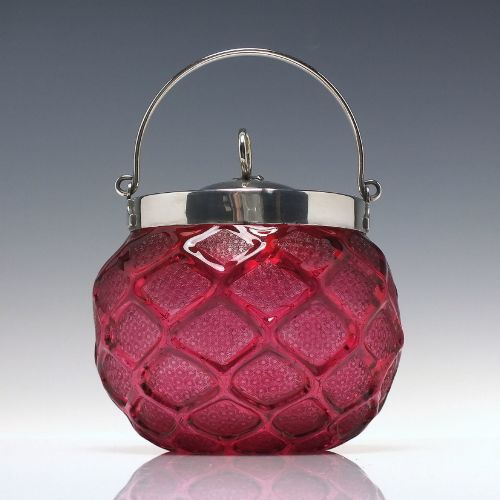
Glass bodies relied on heavy hobnail cutting or rich cranberry glass blowing techniques to catch the light, whilst ceramic bodies utilised stoneware and jasperware moulds. Plating techniques like electroplated nickel silver provided an affordable alternative to solid silver whilst maintaining a bright, reflective surface.
Victorian Silver Barrel Retail Price Guide 2026
Typical asking prices for victorian silver barrel among the pieces listed under this phrase on Sellingantiques today, from the lower quarter to the upper quarter. They describe what is for sale here now, not the wider market.
One piece takes the shape of a miniature weight, proving Victorians loved hiding everyday function inside a playful joke.
What varies in quality
The distinction between standard domestic items and high-end pieces rests on the weight of the silver plating, the clarity of the cut glass and the complexity of the mechanism. Folding shell boxes and locking lids require precision engineering that separates finer workshops from basic producers.
Quality also shows in the integration of materials, such as the snug fit of ceramic liners within oak staves and the crispness of moulded reliefs on jasperware or stoneware bodies. Maker attribution plays a significant part, with recognised firms achieving more refined chasing and engraving on their mounts.
Mappin and Webb·Elkington·Robert & Belk·Walker & Hall·Mackay & Chisholm
The Victorian Silver Barrel Glossary
- Silver Plate
- A thin layer of sterling silver bonded to a base metal core such as copper or nickel silver. This technique allowed Victorian manufacturers to produce luxurious tableware at a lower cost than solid silver.
- Jasperware
- A type of fine stoneware developed by Josiah Wedgwood, characterised by a matte unglazed finish and contrasting raised white reliefs. It remains highly collectible for its distinct neoclassical motifs and colour variations.
- Cranberry Glass
- A rich red-pink transparent glass created by adding gold chloride to the molten batch. It was heavily utilised during the Victorian period for decorative tableware and biscuit barrels.
- Electroplated Nickel Silver
- A durable base alloy of copper, nickel and zinc coated with a layer of silver via an electrolytic process. It provided an exceptionally smooth and even surface for ornate nineteenth-century engraving.
- Doulton Lambeth
- A prominent English pottery studio known for salt-glazed stoneware decorated by hand with incised patterns. Pieces often feature applied metal mounts and detailed terracotta or blue coloration.
Victorian Silver Barrel: Frequently Asked Questions
What were silver barrels used for?
These containers were primarily designed to keep dry provisions like biscuits fresh on the dining table or sideboard by sealing them against damp air.
Over time, variations emerged for chilling wine, holding ice, or dispensing spirits, serving both functional household roles and decorative display purposes.
How do I clean a silver plated barrel?
Clean the metal exterior gently using a dedicated silver cloth or mild silver polish to avoid wearing through the thin plated layer. Take care to keep moisture away from any internal wooden staves or unsealed ceramic liners during the process.
For glass and ceramic bodies, warm soapy water and a soft cloth will safely remove dust without risking damage to the antique mounts.
How can I tell the difference between periods?
Early Victorian pieces often lean towards heavier ornamentation, deep hand-chased scrolling, and robust ceramic or stoneware bodies. Edwardian and later examples tend to introduce brighter cranberry glass, lighter proportions, and more mechanical folding lid actions.
Maker marks, registration numbers stamped on the metal, and shifts from sterling silver to electroplated nickel silver also help narrow down the date of production.