


Victorian Shop Fitting
A victorian shop fitting brings utilitarian commercial heritage indoors, offering robust storage and glazed display through banks of drawers and cabinets.
Victorian Shop Fitting
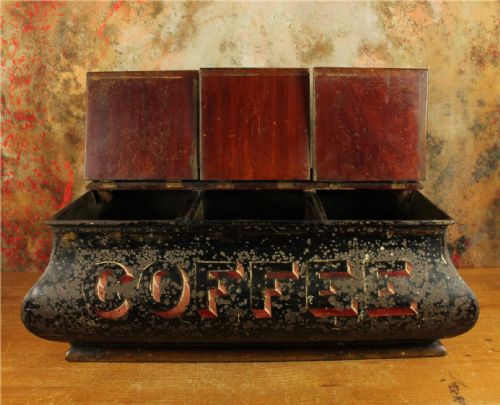
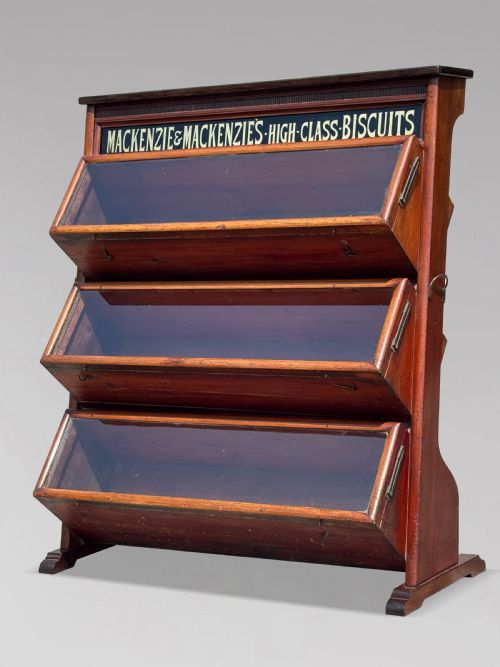
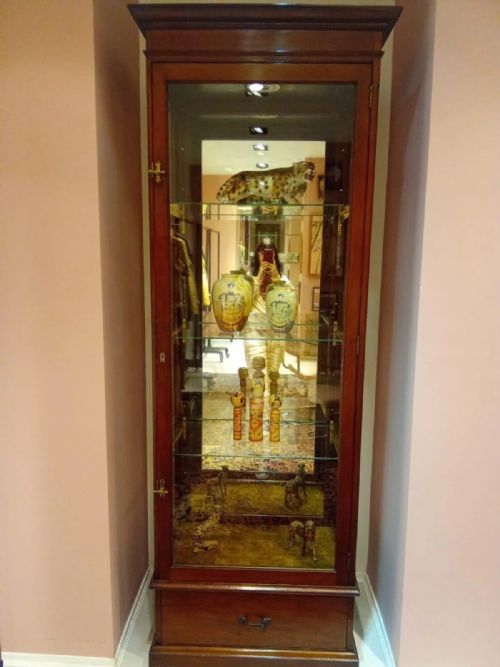
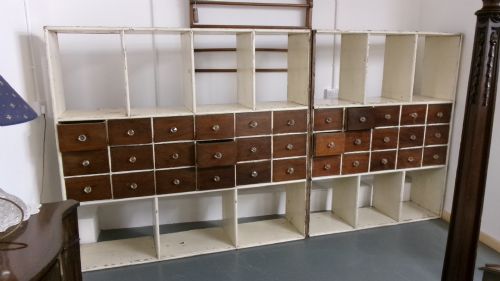
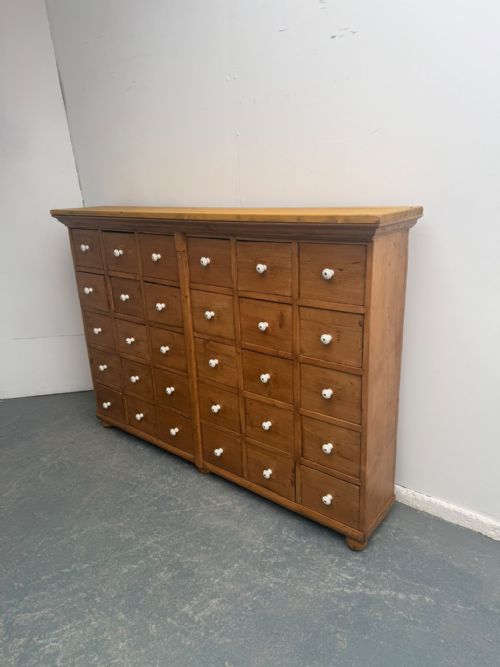
A victorian shop fitting encompasses commercial furniture originally built for 19th-century retail premises, including chemist shops, drapers and haberdasheries. Buyers look for these items to introduce industrial character and compartmentalised storage into domestic or commercial interiors. The most common survivals on this page are multi-drawer storage units, glazed display cabinets and countertop showcases.
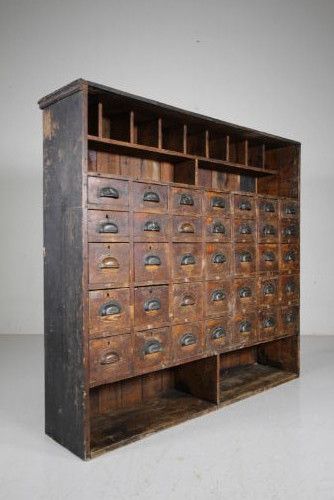
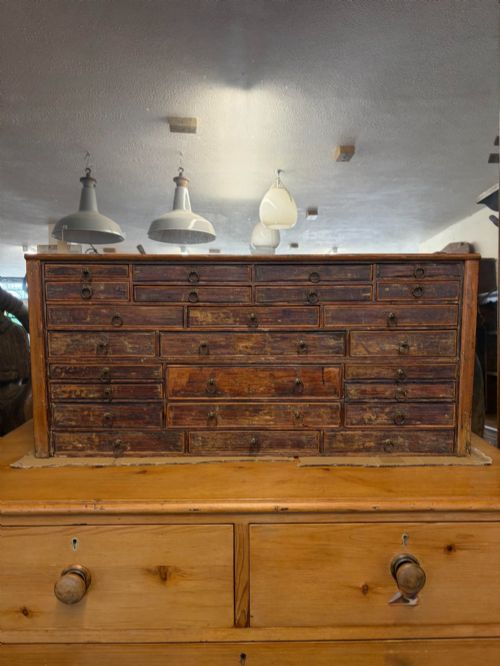
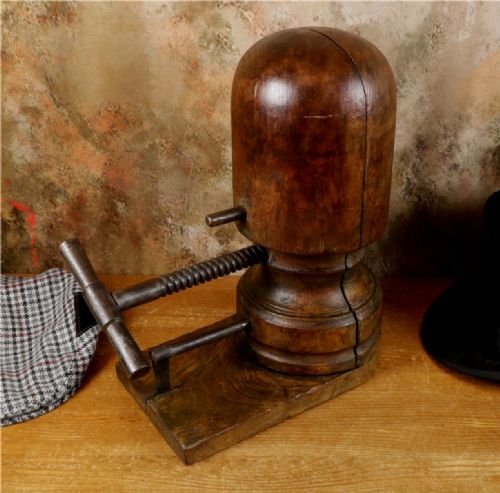
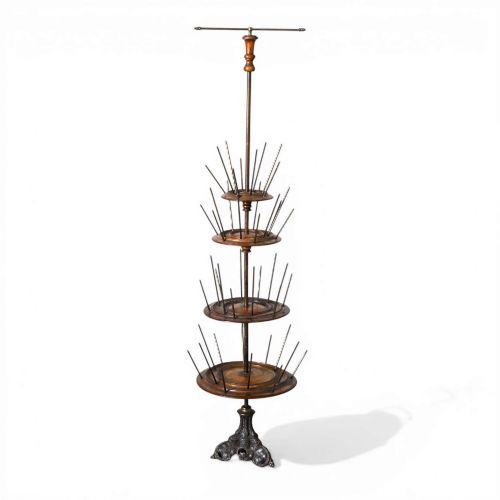
Pieces range from large banks of pine and mahogany drawers containing dozens of compartments to specialised items like cotton reel display trees and milliner hat stretchers. Surviving examples often bear original sign-writing, trade labels or structural evidence of their former commercial use. Their primary appeal lies in combining heavy-duty construction with transparent or compartmentalised display.
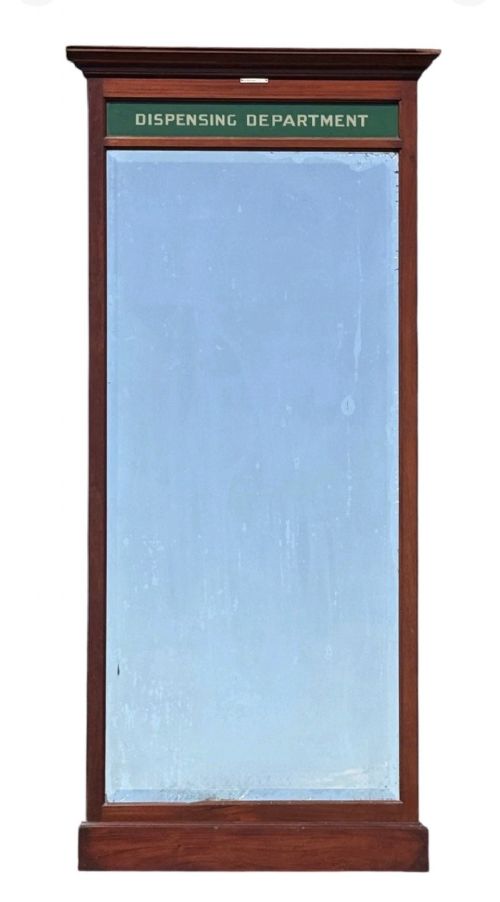
The selection includes freestanding counters, wall-hanging mirrors and specialised vitrines constructed from hardwoods like mahogany and oak alongside utilitarian painted pine. These items reflect the specific trades they served, from pharmacy dispensing departments to agricultural merchants and drapery stores. Each fitting demonstrates the functional demands of Victorian commerce adapted for daily utility today.
How they were made
Makers utilised dense timbers such as mahogany, oak, walnut and pine to withstand the daily rigours of commercial trading environments. Cabinets feature adjustable glass shelving, mirrored interiors and brass or iron hardware designed for heavy use. Joinery is robust, relying on dovetailed drawer construction and solid framing to support the weight of extensive multi-drawer banks.
Surface treatments vary from polished cabinet timbers to layered painted finishes, occasionally enhanced with gold leaf or hand-applied sign-writing. Chemist jars and specialty boxes incorporate boxwood, toleware and glass, showing precise manufacturing standards for specialised retail tasks. Structural integrity remains a hallmark of these commercial survivors, built to endure continuous public handling.
Victorian Shop Fitting Retail Price Guide 2026
Typical asking prices for victorian shop fitting among the pieces listed under this phrase on Sellingantiques today, from the lower quarter to the upper quarter. They describe what is for sale here now, not the wider market.
Listings feature items spanning the 19th century through the Edwardian period, utilising mahogany, pine, oak, brass and glass.
What varies in quality
Quality rests in the retention of original functional elements, such as working brass pulls, intact glass panels and authentic maker or merchant sign-writing. Pieces retaining their uncompromised painted surfaces or polished hardwood grains command greater interest than heavily altered examples. The complexity of the internal configuration, from multi-tiered cotton trees to expansive banks of fifty drawers, distinguishes standard utilitarian boxes from exceptional commercial showcases.
Proportion and timber selection further separate standard shop furniture from top-tier commissions, particularly in fine mahogany display cabinets and glazed vitrines. The presence of documented maker stamps or traceable regional retail provenance adds historic depth to individual items. Craftsmanship shows in the smoothness of drawer operations and the refined execution of glazed framing.
Luxmore's of Ilfracombe·G H Gledhill Halifax·John Stow Ltd of Bradford
The Victorian Shop Fitting Glossary
- Haberdashery cabinet
- A specialised multi-drawer retail unit traditionally used for storing ribbons, threads and small sewing goods. These pieces feature numerous shallow drawers, often with glass fronts.
- Vitrine
- A glass-fronted display cabinet designed to protect and showcase merchandise or collections. In commercial settings, these stood on counters or formed tall wall units.
- Toleware
- Enamelled or lacquered metalware, typically tin, used for decorative and functional shop containers. These items often feature painted decoration in black, gold or bright colours.
- Sign-written
- Hand-painted lettering on timber or glass displaying trade names, merchant details or goods. This historical commercial lettering provides direct evidence of a piece's retail origins.
- Hat stretcher
- A mechanical wooden device used by milliners and hatters to shape and size headwear. These sculptural items double as display stands.
Victorian Shop Fitting: Frequently Asked Questions
What trades used these fittings?
Victorian shop fittings served a wide variety of merchants, most notably chemists, drapers, haberdashers, grocers and hardware dealers. Each trade required specific furniture, such as multi-drawer banks for small goods or glass vitrines for delicate items.
Survival rates are highest for items built from durable hardwoods and thick pine that could be repurposed after the original shops closed. Their utilitarian design made them easily adaptable for other commercial and domestic storage needs over subsequent decades.
How do I care for painted pine?
Painted pine shop fittings require gentle cleaning with a dry or lightly damp cloth to preserve original historic surface layers and sign-writing. Avoid harsh chemical solvents or abrasive cleaners that can strip or damage aged paintwork.
Keep these pieces away from direct heat sources and strong sunlight to prevent the timber from warping and the painted finishes from flaking. Regular dusting helps maintain the integrity of vulnerable edges and hand-lettered details.
Are glass shelves original?
Many display cabinets and countertops retain their original adjustable glass shelves, which often feature ground or polished edges. Replacements are sometimes necessary due to accidental breakage over long periods of commercial and domestic use.
Examining the thickness and tint of the glass can help determine whether panes are period-appropriate or later additions. Original glass frequently displays minor surface imperfections and varied light refraction characteristic of older manufacturing methods.
How were multi-drawer banks used?
Banks of drawers provided organised storage for bulk merchandise, loose inventory and small specialised items behind the counter. Assistants could locate specific stock quickly by referencing handwritten labels or relying on the compartmentalized layout.
In modern settings, these substantial units serve as practical storage solutions for clothing, collections or studio supplies. Their deep configuration and numerous pulls introduce heavy architectural character to residential or retail spaces.