


Victorian Shop Counter Display
These pieces for a victorian shop counter display bring the commercial life of the nineteenth-century high street directly into a modern room.
Victorian Shop Counter Display
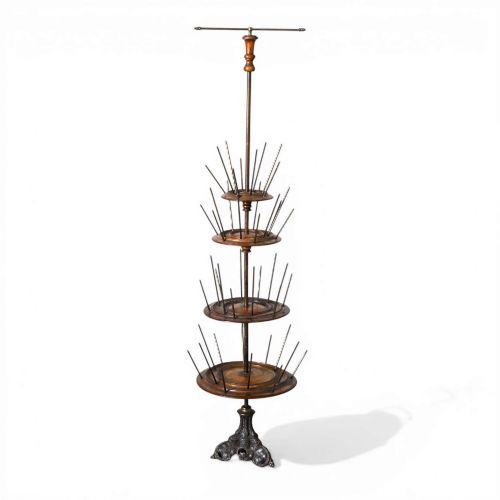
A victorian shop counter display serves as a direct link to nineteenth-century retail, designed originally to showcase goods from cotton reels to biscuits to customers standing across the mahogany barrier. The selection ranges from tabletop glazed cabinets and banks of drawers to specialised haberdashery fittings, apothecary boxes and branded confectionary showcases.
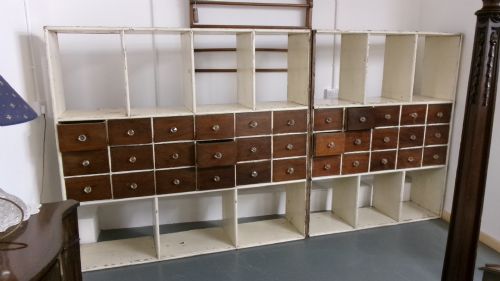
The most common survivors are compact timber and glass countertop cases intended to sit between the merchant and the public, alongside multi-drawer units built for pharmacies and drapers. These objects carry the specific branding of period manufacturers and local chemists, reflecting the rise of packaged goods and specialised retail during the Victorian and Edwardian eras.
How They Were Made
Makers relied on dense hardwoods such as mahogany, oak and walnut for structural framing, pairing them with clear plate glass to protect merchandise while maintaining visibility. Pine and other softer woods provided the internal structure for multi-drawer apothecary fittings and drapers' banks.
Joinery techniques prioritised durability for daily commercial use, incorporating brass hardware, mirrored interior panels, and occasionally painted or gold-leafed finishes to catch the gaslight or daylight of a nineteenth-century shop.
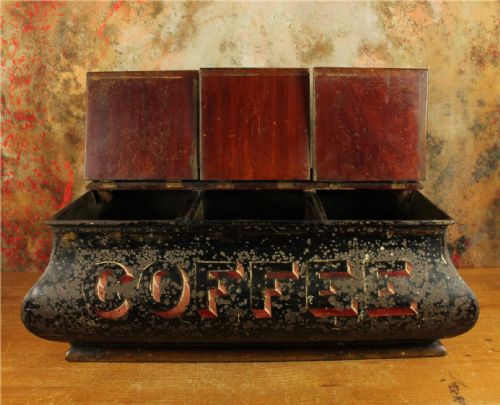
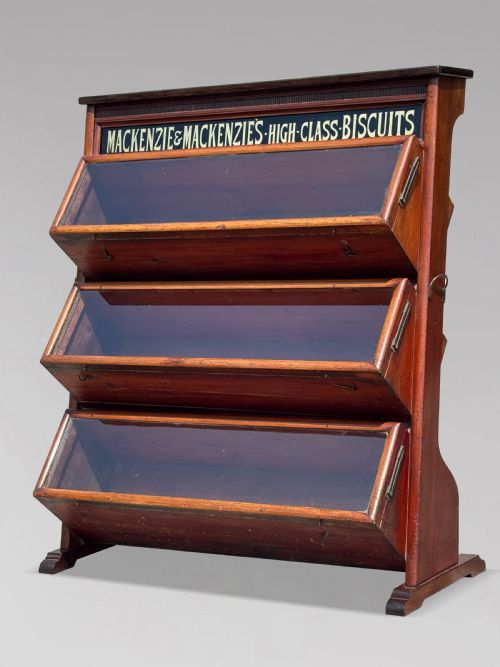
Several pieces still carry the specific trade names of nineteenth-century confectioners, cotton mills and chemists.
What Varies in Quality
The distinction between ordinary utility fittings and exceptional pieces lies in the integration of specialised branding, maker plates and complex timber framing like bow-fronted glass or mirrored interiors. Plain pine storage boxes sit at the functional end of the scale, whereas branded confectionary and pharmacy cabinets with original signage represent the higher tiers of commercial craftsmanship.
Proportion and material selection dictate the visual weight of the piece, with finely turned brass details and intact original leaded or glazed panels separating standard shop furniture from items commissioned for high-end jewellers and chemists.
John Stow Ltd of Bradford·Manoah Rhodes & Sons Ltd
The Victorian Shop Counter Display Glossary
- Haberdashery cabinet
- A multi-drawer storage unit originally used in drapers' shops to organise ribbons, buttons, and sewing cottons.
- Apothecary jar
- A glass vessel with a fitted cover designed to hold medicinal ingredients, herbs, or chemical compounds on a chemist's shelf.
- Countertop case
- A glazed display structure built to sit upon a shop retail barrier, keeping delicate wares visible yet secure.
- Toleware
- Painted or enamelled metalware used for storage boxes and canisters, often decorated in imitation of Asian lacquerwork.
- Shop fitting
- Custom furniture and architectural elements built specifically for the interior layout and trade of a nineteenth-century merchant.
Victorian Shop Counter Display: Frequently Asked Questions
What were victorian shop counter displays used for?
Merchants utilised these pieces to protect small, valuable or perishable goods while keeping them in plain view of customers standing at the counter.
Items ranging from sewing cottons and buttons to tobacco, jewellery and biscuits were organised inside glass cases and multi-drawer banks to encourage impulse purchases.
How do I identify a genuine period piece?
Examine the timber construction, glass characteristics and hardware to ensure they match nineteenth-century commercial manufacturing methods.
Look for honest wear consistent with decades of retail use, alongside original maker plaques, painted trade lettering or period brass handles.
Can I use these cabinets in a modern kitchen?
These glazed cases and drawer units adapt readily to contemporary domestic interiors for organising small collections, tableware or dry goods.
Their compact footprints and glass panels allow them to function effectively as tabletops or side counters while retaining their historical character.
What woods were used for shop fittings?
Cabinetmakers selected durable hardwoods like mahogany, oak and walnut for pieces meant to be seen and handled by the public.
Softer timbers such as pine were generally reserved for internal framing, hidden drawer structures or utility storage boxes.