




Victorian Shepherd Painting
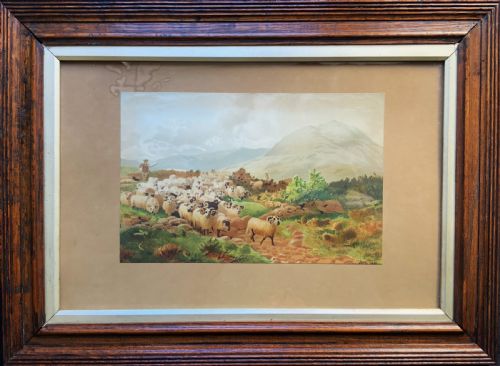
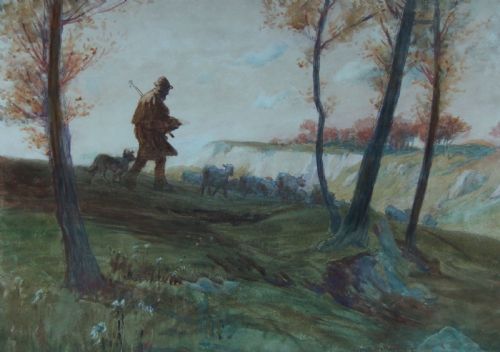
A victorian shepherd painting brings the quiet rhythms of nineteenth-century pastoral life directly into a room through rich oil and watercolour works.
Victorian Shepherd Painting
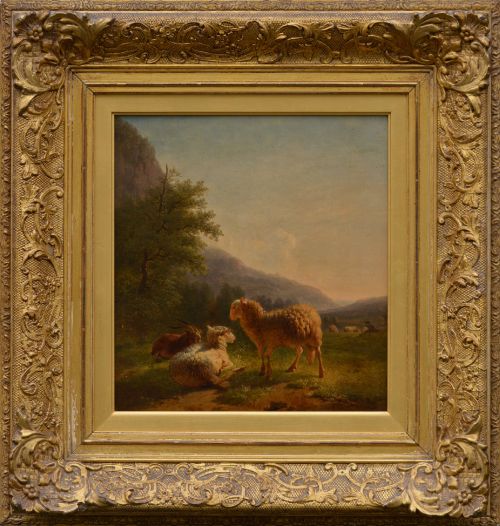
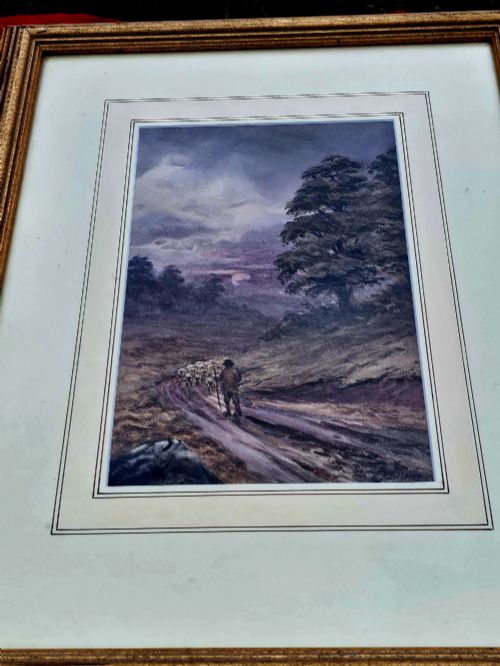
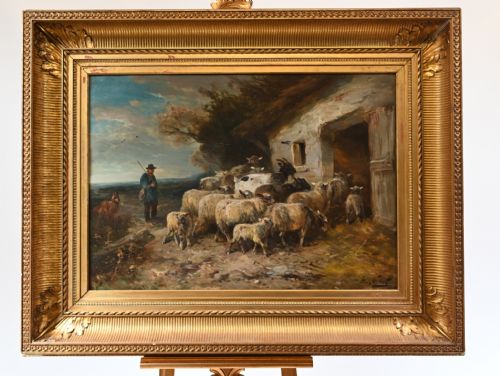
A victorian shepherd painting depicts rural workers tending flocks across nineteenth-century landscapes, capturing the pastoral traditions of the era. These works appear in various forms, most commonly as oil on canvas or watercolour on paper.
The pieces span the nineteenth century into the early decades of the twentieth, reflecting styles from Victorian realism to romanticism. Pastoral scenes of shepherds and sheep dominate the selection alongside related landscape and animal subjects.
Materials and Methods
Artists built these compositions primarily using oil on canvas or watercolour on paper, sometimes employing bodycolour for added opacity and depth. Charcoal and mixed media also surface in works translating traditional subjects onto paper.
Frames often complement the paintings through giltwood and gesso construction in styles such as rococo revival. The physical support relies on wood stretcher frames for canvases and protected glass for works on paper.
Current listings feature watercolours and oil paintings spanning the nineteenth century up to nineteen thirty, alongside porcelain figurines.
Distinctions in Quality
Quality rests upon the artist's handling of light, atmosphere, and anatomical precision in rendering figures and animals. Masterful brushwork distinguishes a compelling pastoral scene from a standard decorative copy.
The integrity of the original materials, including the preservation of the canvas, paper, and period giltwood framing, shapes the overall standing of the piece.
George Sydney Shepherd·Eugène Verboeckhoven·Henry Schouten·Sir Edwin Landseer·John Trivett Nettleship·Henry Charles Fox·George Turner·Anthonij Anton Mauve
The Victorian Shepherd Painting Glossary
- Bodycolour
- An opaque water-based medium, often called gouache, used by watercolourists to create solid highlights and dense areas of colour. It gives paintings greater weight and opacity.
- Giltwood
- Wood carved and coated with gold leaf, frequently forming the ornate frames characteristic of nineteenth-century display. This finish enhances the visual presence of the artwork.
- Gesso
- A plaster mixture applied to wooden frames as a smooth base before gilding or painting. It allows craftsmen to carve intricate decorative details.
- Pastoral
- A genre of art celebrating rural life, shepherds, and agricultural landscapes. These scenes evoke a nostalgic view of the countryside.
- Realism
- An artistic movement focusing on everyday subjects and unidealised nature. In pastoral works, this translates to faithful depictions of rural workers and livestock.
Victorian Shepherd Painting: Frequently Asked Questions
How do I date a shepherd painting?
Examine the materials, stretcher frames, and artist signatures where available. Stylistic clues also point toward specific decades within the nineteenth and early twentieth centuries.
Comparing the handling of the landscape and clothing to known periods helps narrow down the exact creation timeframe.
Are watercolours as durable as oils?
Works on paper require protection behind glass and careful placement away from direct sunlight to prevent fading. Oils on canvas offer more physical resilience against environmental factors.
Both media survive centuries successfully when given proper framing and stable indoor humidity.
Where should I hang these paintings?
These pastoral scenes suit living rooms, studies, or hallways where traditional lighting highlights the natural tones of the landscape. Pair them with period wooden furniture to complement the rustic subject matter.
Keep them away from damp walls and direct heat sources to preserve the canvas or paper support.
What defines pastoral realism?
Pastoral realism focuses on the honest depiction of agricultural labourers, flocks, and the countryside without theatrical romanticism. Artists observed actual farming conditions to ground their compositions in truth.
This approach values accurate animal anatomy and genuine atmospheric weather effects over idealized beauty.